
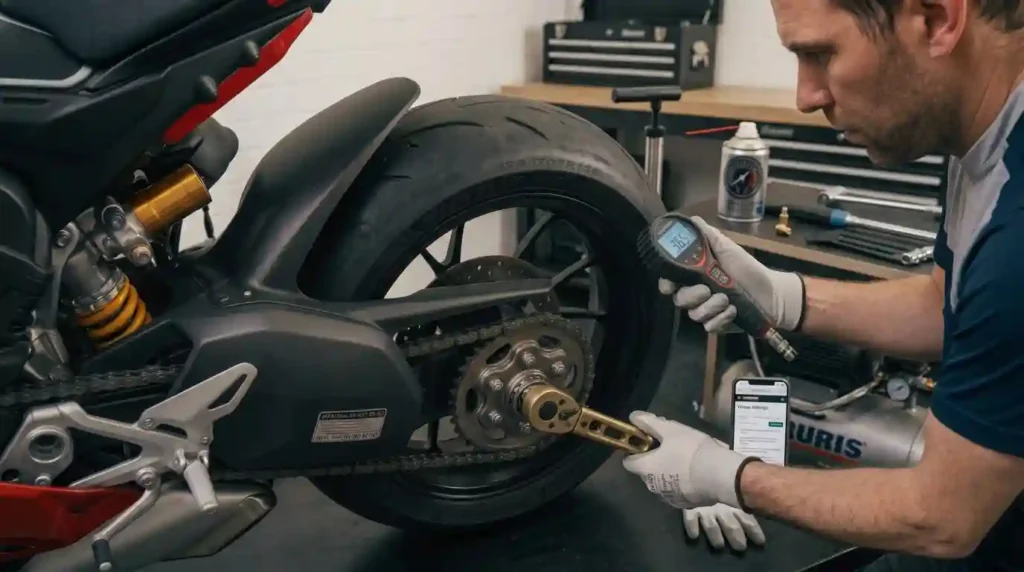
You pull your bike out of the garage and the tires look soft. You grab a pump, add some air, and hope for the best. Then the ride feels harsh, or a corner feels loose, or you hear that dreaded hiss on the road.
Learning how to inflate a bike tyre correctly fixes most of these problems. The right method protects you from pinch flats, poor cornering traction, and early tire wear. It also helps your bike roll faster and feel smoother.
This guide gives you simple steps with US units and metric in brackets. It covers road, mountain, gravel, commuter, and e-bikes. You will also learn about valves, tubeless tires, and common mistakes. Our editorial policy explains how we keep this advice accurate. If tire basics are new to you, start with how bike tires work.
Why Is It Important to Inflate Bike Tires Correctly?
Correct pressure supports safe handling, cornering grip, and comfort. It is the cheapest upgrade you can make.
Underinflated tires raise the risk of pinch flats. Overinflated tires make the ride harsh. Both cost you control.
The right tire pressure (PSI) depends on tire width, total weight, rim design, and terrain. PSI means pounds per square inch. A good tire helps too, so see what makes a good bike tyre.
What Happens When Bike Tires Are Underinflated?
An underinflated tire squashes too much under load. With an inner tube, that can pinch the tube against the rim and cause a flat.
Low pressure also causes tire squirm, rim strikes, and shaky cornering. You may feel the bike wobble through turns.
If pressure drops soon after you inflate, check for a slow leak. Our guide on why bike tyres lose air lists common causes.
Overinflated Bike Tires: What Happens?
Too much air makes the tire hard and bouncy. Comfort drops and grip falls on uneven roads.
Pressure above the tire or rim limit can damage parts. In rare cases, a tire can blow off the rim.
Remember that maximum PSI is a limit, not a goal for everyday riding. For a smoother ride, read how much tires affect comfort.
What Tools Do You Need to Inflate a Bike Tire?
You need a pump, a gauge, and the right valve fit. A few good tools make every ride easier.
Match your tools to your riding. A home floor pump, a small roadside pump, and a gauge cover most needs.
Floor Pump With a Pressure Gauge
A floor pump makes home inflation easy. It also lets you read PSI as you pump.
Choose a gauge that suits your normal pressure range. A road gauge that reads up to 160 PSI is hard to read at 25 PSI on a mountain tire.
Check that the pump head seals tightly around the valve. If you ride daily, see how to choose tires for daily cycling.
Hand Pump and Portable Inflator
A mini pump is great for roadside repairs. It is small, but it takes effort to reach high pressure.
A portable electric inflator saves work. Check its pressure range and valve fit before you buy.
Carry a small gauge, or use a trusted built-in one. Long-distance riders will like our guide to choosing tyres for long distance.
Presta vs. Schrader Valves
Presta valves are narrow and have a small threaded tip. You loosen the tip before you add air.
Schrader valves are wider. They match the valves on many car tires.
Make sure your pump head fits the valve on your wheel. Many pumps handle both, and some need a small adapter.
How to Inflate a Bike Tire Correctly Step by Step
Follow these eight steps for a safe, accurate result:
- Check the tire. Look for cuts, cracks, bulges, and embedded debris.
- Find the correct PSI. Read the sidewall and check tire and rim limits.
- Identify the valve. Decide whether you have Presta or Schrader.
- Prepare the pump. Pick the correct pump head and valve setting.
- Attach the pump. Connect it firmly to reduce air loss.
- Inflate gradually. Add air while you watch the gauge.
- Check the final PSI. Stop at your target within the permitted range.
- Secure the valve. Remove the pump with care, close the Presta tip, and replace the cap.
The next five sections explain the key steps in more detail.
First, Check the Tire and Wheel
Inspect the tread and sidewalls before you add any air. Look closely for cuts and bulges.
Check that the tire bead sits evenly around the rim. A displaced bead can fail under pressure.
Never inflate a tire with serious structural damage. See how often bike tyres should be replaced and how much tread a bike tyre should have.
Next, Find Your Recommended Tire Pressure
Read the PSI or bar markings on the sidewall. Many tires print a range. Need help with the text? See bike tyre markings explained for beginners and how to read bike tire size.
Think about tire width, rider weight, cargo, and conditions. Our guide to finding the correct bike tire pressure shows how.
Confirm rim fit too. Hookless rims have no lip to hold the bead, so many carry a lower limit, often near 72 PSI (5 bar). Hooked rims have a lip. See bike tire size compatibility.
Then, Attach the Pump Correctly
For Presta, loosen the valve tip first. Press the tip lightly to free it.
Use the right pump setting or adapter for your valve type. Many pump heads have a switch or two openings.
Make sure the connection is tight before you pump. A loose head wastes air and strains the valve.
After That, Add Air and Monitor PSI
Pump in small steps. Stop often and read the gauge.
Do not pass the tire or rim limit. If your gauge allows, recheck after you remove the pump.
Not sure how much air your bike needs? See how much air to put in a bike tire.
Finally, Check the Tire Before Riding
Look for an even bead line and a firm, round tire shape. Listen for hissing near the valve or bead.
Take a short, cautious test ride. Notice any odd handling.
Build a habit of regular checks. See how often to check bike tyres.
How to Choose the Correct Bike Tire PSI
A good pump needs a good target. Four things set your PSI: weight, width, terrain, and tire build.
Pick a start point, then fine-tune it. The sections below show you how.
Does Rider Weight Affect Tire Pressure?
Yes. Heavier total loads often need more pressure for the same tire.
Count the bike, rider, bags, and cargo. This total is your system weight. A commuter with a loaded pannier may carry 20 pounds more than a weekend rider.
Try this rule of thumb for road and gravel tires up to about 45 mm. Rear PSI = 0.40 × system weight (lb) × (28 ÷ tire width in mm) to the power of 1.8. Set the front about 10 percent lower.
Example: 195 lb on 32 mm tires gives about 61 PSI rear and 55 PSI front with tubes. Treat it as a guess and stay within limits.
Does Tire Width Affect Inflation Pressure?
Yes. Narrow road tires use higher pressure than wide gravel or mountain tires.
Wider tires hold more air. More air lets them carry the same load at lower pressure.
Use the mounted width, since rim width changes the shape. Read more on bike tire width and what tyre width to choose.
How Does Terrain Affect Tire Pressure?
Smooth pavement suits a firmer setup. Rough pavement and gravel often do better with less air.
Lower pressure helps traction on uneven ground, within safe limits. Think of Southwestern loose rocks or Pacific Northwest mud.
Too little air risks rim strikes, squirm, and bead trouble. See how to choose bike tires for rough roads and tires for mixed surfaces. You can also browse the best bike tires for mixed road surfaces.
Can a Tire Pressure Calculator Help?
Yes. A calculator estimates a start PSI from tire width, load, and conditions.
Treat the result as a guide. It does not replace tire and rim limits. Fine-tune it with careful tests on familiar roads.
The table uses the rule of thumb above. These numbers are illustrative, not verified recommendations.
| System weight | 28 mm road, tubes (rear / front) | 40 mm gravel, tubeless (rear / front) |
|---|---|---|
| 130 lb (59 kg) | 52 / 47 PSI | 25 / 22 PSI |
| 160 lb (73 kg) | 64 / 58 PSI | 30 / 27 PSI |
| 190 lb (86 kg) | 76 / 68 PSI | 36 / 32 PSI |
| 220 lb (100 kg) | 88 / 79 PSI | 42 / 38 PSI |
| 250 lb (113 kg) | 100 / 90 PSI | 47 / 43 PSI |
Not sure of your size? See what bike tire size you need.
How Much Air Should You Put in Different Bike Tires?
These figures are illustrative starting ranges only. The right PSI depends on the tire, rim, load, and conditions.
| Bike type | Example tire size | Illustrative pressure range |
|---|---|---|
| Road bike | 25 to 28 mm | 65 to 95 PSI |
| Endurance road bike | 30 to 35 mm | 45 to 75 PSI |
| Gravel bike | 38 to 45 mm | 25 to 45 PSI |
| Hybrid or commuter | 35 to 45 mm | 40 to 65 PSI |
| Mountain bike | 2.2 to 2.4 in | 20 to 35 PSI |
| Plus-size mountain bike | 2.6 to 3.0 in | 12 to 25 PSI |
- Use maker guidance and a calculator to narrow the range for your setup.
- Tubeless and inner-tube setups may need different pressures.
- Never pass the tire or rim limit, even if a chart suggests a higher value.
How to Inflate Road Bike Tires
Use a reliable gauge. Narrow tires react to small pressure changes.
Balance rolling resistance with comfort and grip. Do not always pump to maximum.
Check pressure before every ride when you can. See the best tyre width for road and city riding, how to choose fast rolling bike tyres, and the best bike tires for speed.
Inflating Mountain Bike Tires
Start with a pressure that suits tire volume, rider weight, and trail. Mountain tires run low, so small changes matter.
Test for casing instability, rim strikes, and squirm on a safe ride. Confirm that tubeless beads are seated and within rim limits.
Not sure what a size code means? See what 26×2.1 means. For road and off-road picks, read how to choose bike tyres for road and off-road.
How to Inflate Gravel and Commuter Tires
Adjust PSI for pavement, loose gravel, potholes, and cargo. Gravel tires reward a middle setting.
Inspect for sharp debris and tread damage. Recheck before long rides or heavy loads.
See how to choose gravel road tires and tyres for a commuter bike. Also check the best tyre size for commuting.
Inflating E-Bike Tires
Count the weight of the rider, bike, battery, and cargo. E-bikes are heavy, so total load climbs fast.
Follow the tire maker’s load and pressure advice. E-bike torque and braking add stress, so keep pressure steady.
Look for tough tires. See bike tyres for daily commuting and the best bike tyres for everyday riding.
How to Inflate Bike Tires With Presta and Schrader Valves
The steps are close, but the valves are not the same. Presta needs one extra move.
Always check which valve you have before you start. A quick look tells you.
How to Inflate a Presta Valve Tire
Unscrew the small valve tip to open the valve. Do not remove it fully.
Attach the pump head firmly and pump to your target PSI.
Remove the pump with care. Tighten the valve tip by hand, without overtightening. A cap on top keeps dirt out.
Inflating a Schrader Valve Tire
Remove the valve cap. Connect a compatible pump head.
Pump in small steps and watch the gauge.
Disconnect the pump and replace the cap. The cap protects the valve from dirt.
What If Your Pump Does Not Fit the Valve?
First, check whether your pump head supports both valve types. Many have a switch or two openings.
Next, use a compatible adapter if your pump and valve need one.
Never force the head onto the valve. That can bend the valve or cause air loss.
How to Inflate Tubeless Bike Tires Correctly
Tubeless tires seal against the rim with no tube inside. That gives them some special needs.
Follow the tire and rim maker’s steps. Safety matters most when you seat the bead.
How Is Tubeless Inflation Different?
Tubeless tires seal straight against compatible rims. Some setups need a strong burst of air to seat the bead.
You may need a suitable pump or inflator. Some riders use a compressor or booster pump.
Follow the maker’s rules for bead seating and maximum pressure. Wear eye protection and stay within limits.
When Should You Add Tubeless Sealant?
Tubeless sealant is a liquid that plugs small holes. It dries out over time.
Add it on the maker’s schedule, which is often every few months. Hot, dry places like the Southwest can dry it sooner.
Look for dried sealant, valve leaks, and bead problems when air loss starts. Sealant can close some small punctures, but it cannot fix every cut.
Why Won’t a Tubeless Tire Inflate?
The bead may not be seated. The tire and rim may also be a poor match.
Air may escape through the valve, the bead, or a hole sealant cannot close. Look for hissing, or brush soapy water around the bead.
Check the setup steps again. If the bead will not seat safely, ask a qualified mechanic for help.
How Tire Construction Affects Inflation and Performance
How a tire is built changes how it feels at a given PSI. Casing, belts, and tread each play a part.
Knowing these parts helps you pick a better pressure. The next four sections cover them.
Does Casing TPI Affect the Correct PSI?
TPI means threads per inch. It counts the threads in the tire’s casing, the fabric layer under the rubber.
TPI alone does not set ideal pressure or air retention. Casing material, reinforcement, width, and load also matter.
Read what a bike tire casing is for more detail.
How Does a Puncture Belt Affect Tire Inflation?
A puncture belt is a protective layer under the tread. It lowers the risk of some tread punctures.
It does not stop every flat. Valve leaks, tube damage, and casing cuts still happen.
Inspect the tread and sidewalls on protected tires too. See how to choose puncture resistant bike tyres and the best bike tyres for puncture protection.
Does Tread Pattern Affect Tire Pressure?
Tread pattern mainly affects grip and rolling feel. It does not directly change how much air a tire holds.
Gravel and mountain tires may meet more sharp debris and hard hits. Pick pressure by build, load, and terrain, not by tread looks alone.
Learn why bike tires have different tread patterns.
How Does Pressure Affect Rolling Resistance and Cornering Grip?
Pressure changes how much the casing flexes under load. That shapes both speed and grip.
Too much pressure makes the ride harsh and cuts grip on rough ground. Too little causes squirm and weak cornering.
See how much tires affect speed and how much tires affect grip. You can also weigh puncture protection vs. rolling resistance.
Common Bike Tire Inflation Mistakes to Avoid
A few habits cause most inflation trouble. Fix these and you ride safer.
- Pumping to maximum PSI: Ignoring tire width and load leads to a harsh ride.
- Using a pump that does not fit the valve: A poor fit wastes air and can bend the valve.
- Ignoring slow leaks, damaged casings, and rim fit: Small issues grow fast.
Can You Overinflate a Bike Tire?
Yes. Too much pressure can pass the tire or rim limit.
Use a gauge and add air in small steps. Stop at your target instead of heading for maximum PSI.
Overinflation also cuts grip. For a good balance, see bike tires for speed vs. comfort.
Why Does a Bike Tire Lose Air After Inflation?
Air can slip out through tubes, valves, tire walls, or tubeless seals. Some loss over days is normal.
Temperature also changes the reading. A tire pumped in a warm house reads lower in a cold garage. A 20°F drop can cost a road tire about 3 PSI.
If loss is fast or repeated, look for a puncture or leak. Do not keep topping up without checking.
Can You Inflate a Bike Tire at a Gas Station?
Sometimes. Many gas station pumps fit Schrader valves. But their high airflow makes it easy to overshoot.
Presta valves may need an adapter. A floor pump or a controlled inflator is usually easier and more accurate.
If you use a station pump, add air in short bursts and check often with your own gauge. See how bikes differ from cars in bike tyres vs. car tyres.
How to Test and Maintain the Correct Tire Pressure
Good habits keep your pressure steady. You only need a gauge and a notes app.
- Record your tire size, rim width, PSI, and system weight.
- Use the same gauge when you can, so readings compare well.
- Check tire wear, casing damage, valves, and pressure loss often.
Review your notes each season. Tires wear and routes change.
How Often Should You Inflate Bike Tires?
When Check pressure before each ride when you can, especially on road bikes.
Check commuter tires at least weekly. Check more often if they lose air quickly.
Inspect mountain bike tires before trail rides and tough sessions. Add air only when the gauge shows you are below target.
Which Test Finds Your Best PSI?
Start with maker guidance or a trusted calculator. Then run a simple test.
Change pressure in small steps. Test on the same route in similar conditions. Move 2 to 3 PSI at a time on road tires and 1 to 2 PSI on mountain tires.
Record comfort, grip, handling, and any rim strikes. Keep the setting that feels steady and reliable. For picks that match your riding, see how to choose bike tyres.
What Testing Standards Should Expert Cycling Reviews Use?
Good reviews record the tire model, mounted width, rim setup, load, PSI, and surface.
When They use repeatable methods when they compare rolling resistance or comfort. They cite maker documents and recognized test methods. They avoid unsupported claims.
You can see how we work on our testing process page.
Frequently Asked Questions About Inflating Bike Tires
These answers cover what riders ask most. Each one builds on the guide above.
1. How Do I Know When My Bike Tire Needs More Air?
Check pressure with a gauge and compare it with your target PSI.
Look for a tire that squashes a lot under load. If pressure drops fast, look for a leak instead of just topping up.
2. What PSI Should I Use for My Weight?
The right PSI depends on system weight, tire width, rim design, and terrain.
Use a trusted calculator as a start point. Keep the final number within all tire and rim limits. The weight table above shows illustrative examples.
3. Should Tubeless Tires Be Inflated Differently From Inner-Tube Tires?
Tubeless setups often allow lower pressure. But the right value depends on the whole system.
Tubeless tires need good bead seating and sealant care. Tube-type tires need enough pressure to reduce pinch-flat risk.
4. Can I Inflate My Bike Tires With a Regular Air Compressor?
Yes, if the compressor and fitting are suitable and you can control pressure.
High airflow can fill a small tire very fast. Use a gauge and stay within tire and rim limits.
5. How Often Should I Check My Bike Tire Pressure?
Checking before each ride is a good habit.
Weekly checks are a practical minimum for many commuter bikes. Check more often if tires lose air fast or your rides need precise pressure. On wet days, also see how to choose bike tires for wet weather.
6. What Happens If I Inflate My Bike Tires Too Much?
Too much pressure cuts comfort and grip on rough surfaces.
Passing component limits can damage the tire or rim. Use a gauge to avoid guesswork.
7. How Do I Know When My Bike Tires Need Replacing?
Look for deep cuts, exposed casing, bulges, cracks, or worn tread marks.
Repeated punctures may point to wear or damage. Inflation cannot make a damaged tire safe. Softer rubber, measured by durometer, wears faster, so read about bike tire rubber compound. Then see how to choose durable bike tyres.
8. Does Rim Width Affect How I Inflate My Bike Tires?
Yes. Inner rim width shapes the tire profile and sidewall support.
Follow the rim and tire makers’ guidance. Reassess your target after changing tire size or wheels. Curious about swaps? Read whether you can change bike tire width.
| Inner rim width | Typical tire width range |
|---|---|
| 17 mm | 25 to 32 mm |
| 19 mm | 28 to 37 mm |
| 21 mm | 30 to 45 mm |
| 25 mm | 35 to 55 mm |
| 30 mm | 2.3 to 2.6 in (MTB) |
These ranges are commonly cited. Confirm with your rim maker.
Conclusion: Inflate Your Bike Tires the Right Way
Good inflation is simple. Check the tire, find a suitable PSI, and use a reliable pump with a gauge.
Here are the key takeaways:
- Check tire condition and find a suitable PSI before you pump.
- Adjust pressure to your tire width, load, terrain, and riding style.
- Inspect valves, beads, tread, and casing often to catch problems early.
For more comfort, see the best bike tires for comfort or how to choose comfortable bike tyres. Planning big miles? Check the best bike tyres for long rides. New to cycling? Try our best bike tyres for beginners, or meet the team on our about page.
Get Your Exact PSI in Seconds
Stop guessing. Enter your weight, tire size, and riding style into the Free Bike Tire Pressure Calculator and Tire Finder Tool at TheBikeTires.com. Get a trusted starting pressure for your exact setup, then use this guide to inflate it right every time.

Mohidul Islam is a leading cycling technology specialist and bike tire consultant with over 15 years of hands-on experience in the bicycle industry. He holds a Bachelor of Science in Mechanical Engineering from Penn State University, where he focused heavily on material science, tread mechanics, and rubber compound performance. Over the past decade and a half, Alex has conducted extensive field testing, tubeless setup evaluations, and tire pressure modeling for road, mountain, and e-bikes. His practical insights and data-driven approach help cyclists of all levels optimize grip, speed, and durability on every ride.



