Nothing kills a ride like the hiss of a flat tire. Glass in the bike lane, thorns on a dirt road, and sharp stones on a trail all hunt for your tubes. Add the wrong PSI and a worn tread, and flats show up even more often. Learning how to choose puncture resistant bike tyres can cut those stops and keep you rolling.
The right tires can reduce flats caused by glass, thorns, sharp stones, and road debris. The key buying factors are tire width, tread pattern, casing, puncture belts, and tire pressure. This guide previews options for commuters, road cyclists, gravel riders, mountain bikers, and e-bike users.
Good tire choice and correct PSI also protect your safety, speed, and comfort. Our team explains each choice in plain English. See our testing process and editorial policy to learn how we work.
What Are Puncture Resistant Bike Tyres?
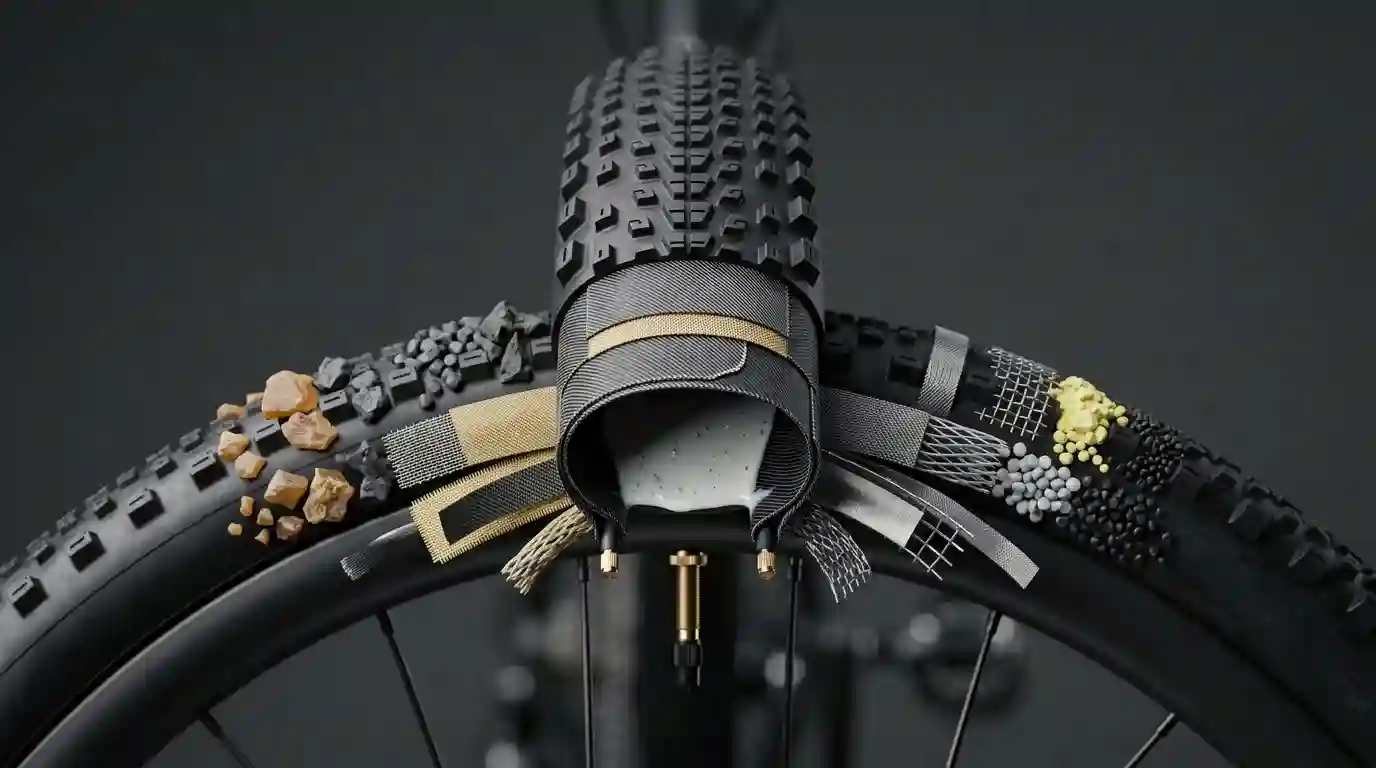
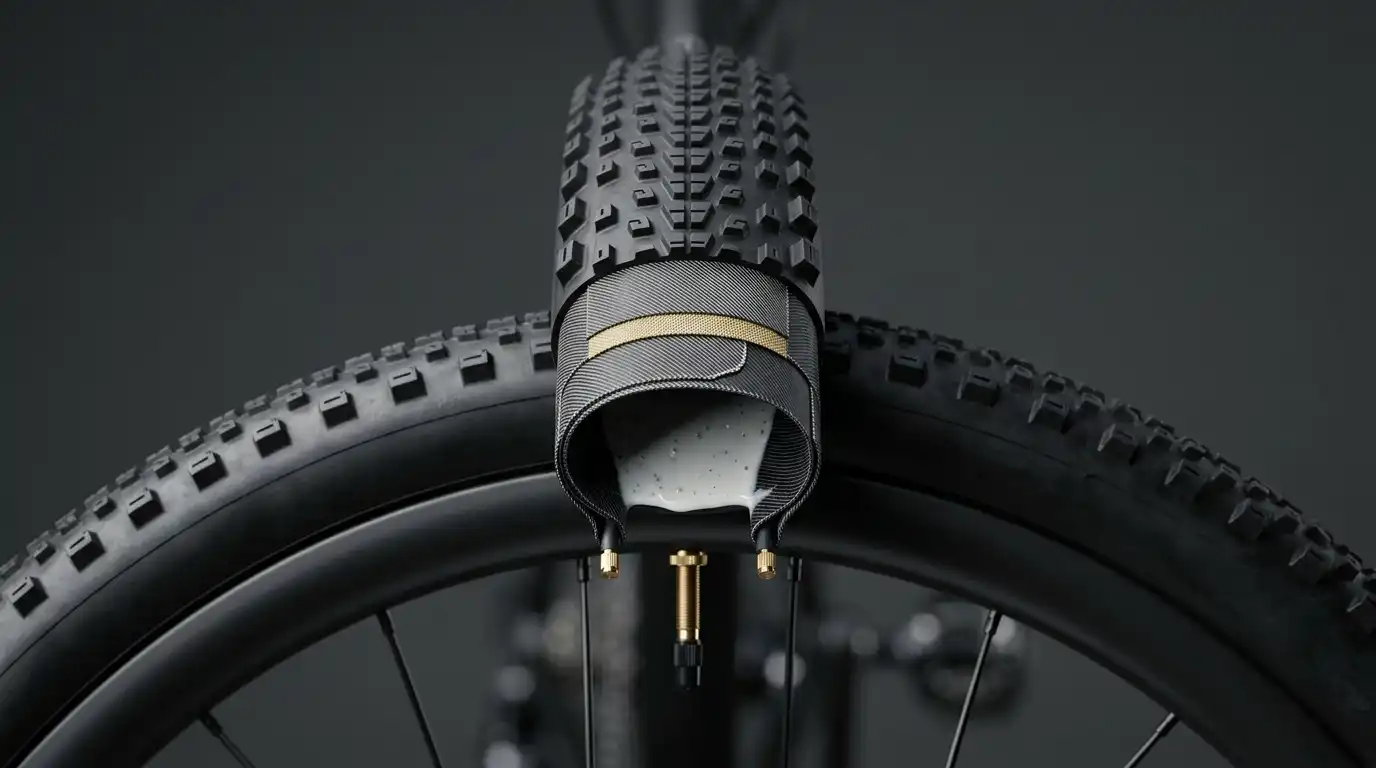
Quick definition: Puncture-resistant bike tires are built to reduce the chance that sharp objects pass through the tread or casing. They are not puncture-proof. Three common protection features are:
- A puncture belt under the tread
- Thicker or tougher rubber
- Reinforced casing or sidewall layers
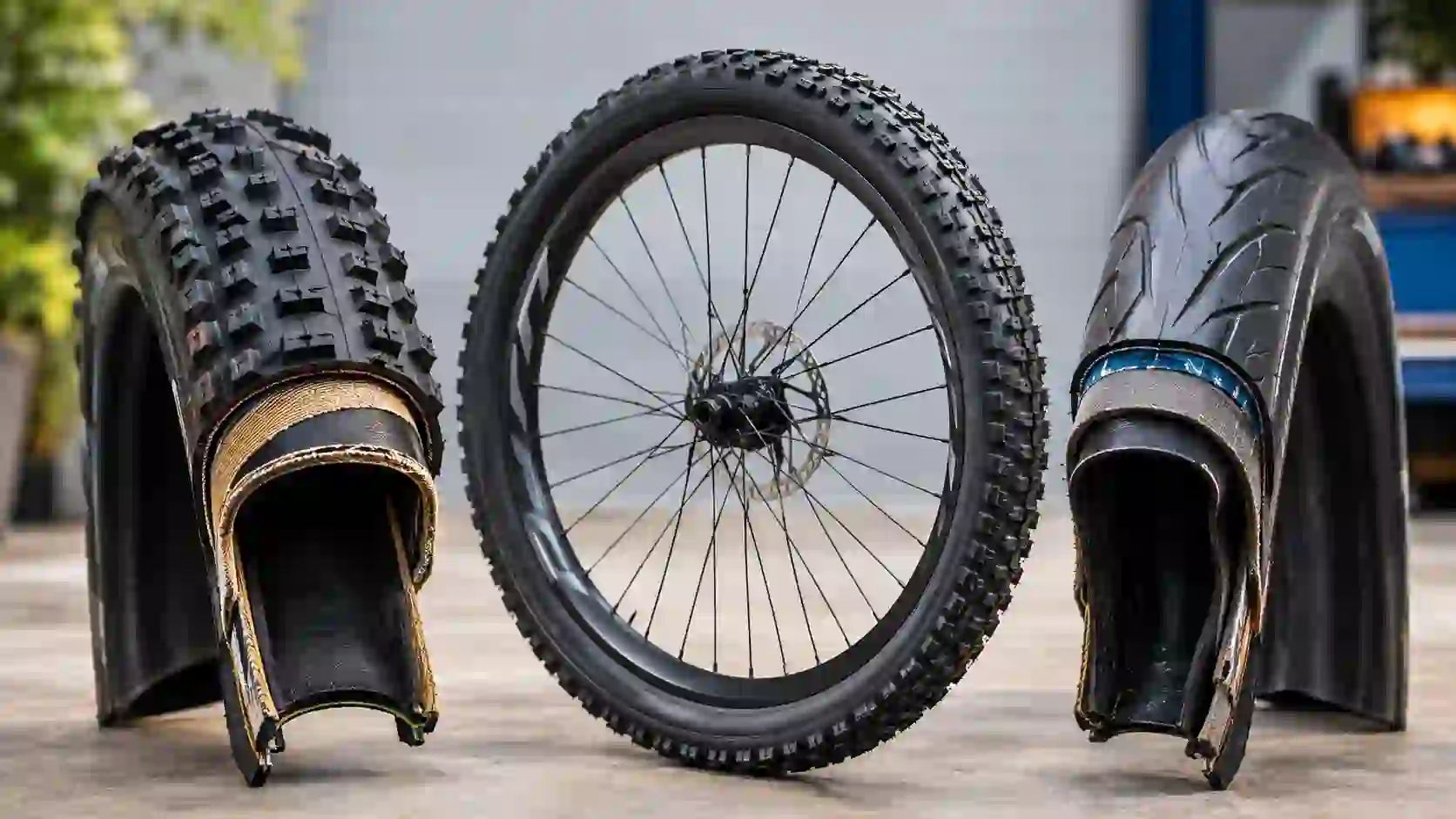
Protective belts, thicker rubber, and reinforced layers help stop common flats. No tire is completely puncture-proof, especially against large cuts and sidewall damage. For the basics, read how bike tires work.
How Do Puncture Resistant Bike Tires Work?
Protective layers under the tread help block glass, thorns, and sharp debris. Stronger casings help resist cuts and damage from rough roads or trails. Tire pressure, riding style, and tire condition also affect puncture risk.
Puncture Resistant vs. Puncture Proof Tires
Puncture-resistant tires lower the risk of flats but cannot stop every type of damage. Pinch flats, sidewall cuts, and large punctures can still happen. Choose protection by your riding conditions, not by marketing claims alone.
What to Look for When Choosing Puncture Resistant Bike Tyres
Compare the puncture belt, casing strength, tread thickness, and sidewall protection. Check tire size, rim width compatibility, and frame clearance before you buy. Balance protection with rolling resistance, comfort, grip, weight, and price.
Our guide on what makes a good bike tyre covers the full list.
| Feature | What It Protects Against | Trade-Off |
|---|---|---|
| Puncture belt | Glass, thorns, and debris through the tread | Adds weight and some stiffness |
| Thicker tread | Wear and shallow cuts | Slower rolling in some designs |
| Reinforced casing | Cuts and abrasion | Firmer ride feel |
| Sidewall protection | Rock and curb damage | Extra weight |
Puncture Belts and Protective Layers
A puncture belt sits under the tread and helps resist penetration from sharp objects. Some tires use reinforced fabrics or other protective materials to boost durability. Compare the location and type of protection, because not every reinforced tire performs the same.
Casing TPI and Tire Durability
TPI means threads per inch in a tire casing, though counting methods vary by maker. Higher TPI can support a more supple ride, but it does not automatically mean better puncture resistance. Consider casing materials, rubber thickness, and reinforcement along with TPI.
Our guide to bike tire casing explains each layer.
Rubber Compound and Tread Thickness
Thicker tread can protect against debris and may extend tire life in some designs. Harder compounds often favor wear life, while softer compounds may grip better in certain conditions. Look for a balance of durability, cornering grip, wet traction, and rolling efficiency.
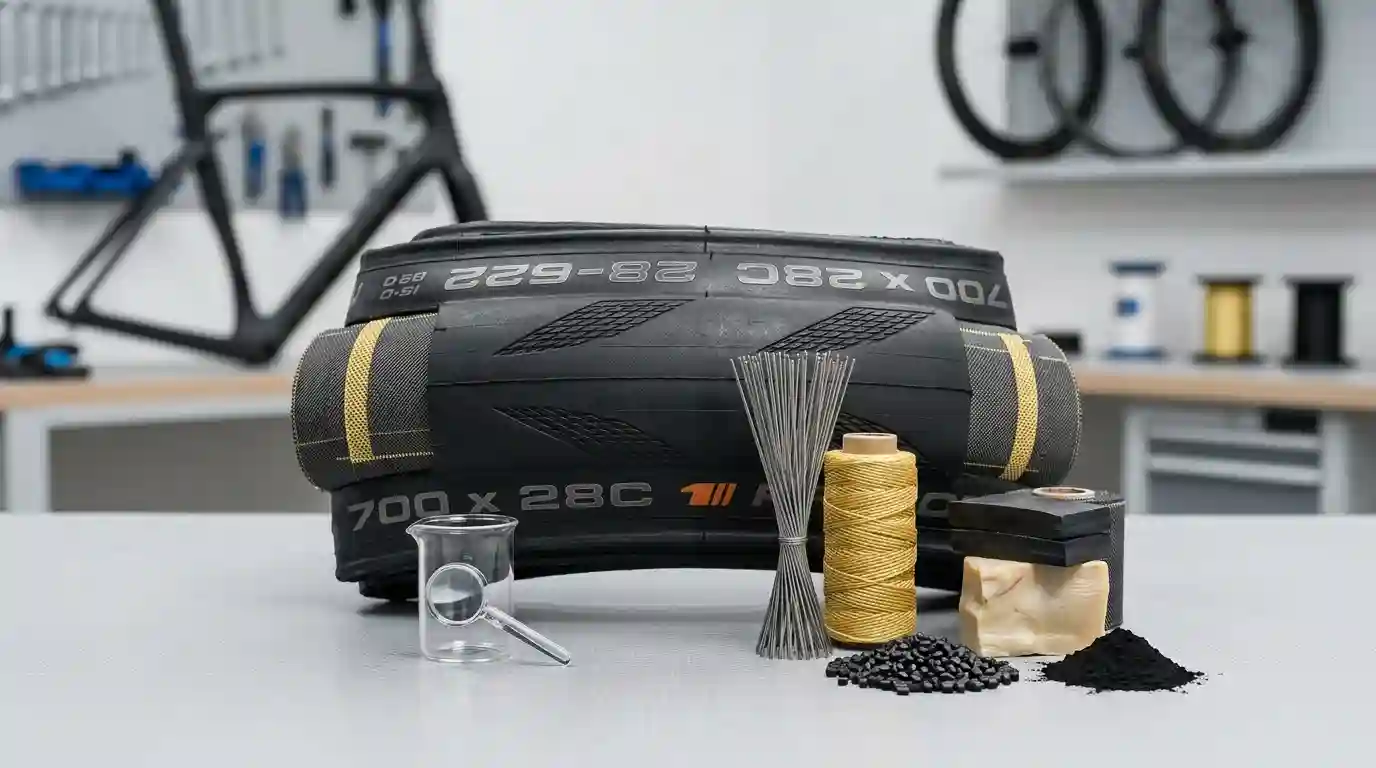
Durometer measures rubber hardness, and a lower number means softer rubber. See what bike tire rubber compound is and what bike tyres are made of.
Sidewall Protection
Tread belts mainly protect the tire’s contact area, while sidewall reinforcement addresses a different kind of damage. Stronger sidewalls help on rocky trails, rough roads, and loaded bikes. Inspect both the tread and sidewalls, even on tires built for puncture protection.
How to Choose Tires for Your Riding Style
Match tire build to your most common surfaces and hazards. Think about speed, comfort, puncture risk, and how much upkeep you want. Avoid the heaviest tire if a lighter model gives enough protection for your routes.
Best Puncture Resistant Tires for Commuting
Choose durable tread, reliable wet-weather grip, and practical puncture protection for city streets. Consider reflective sidewalls and a width suited to potholes and rough pavement. Look for long-wearing tires that handle glass, metal fragments, and daily use.
Read what bike tyre to buy for commuting and the best bike tyre size for commuting.
Best Puncture Resistant Tires for Road Cycling
Compare reinforced road tires with lighter models built for speed and low rolling resistance. Consider wider road tires if your frame and rims support them. Balance protection, comfort, weight, and cornering grip.
See the best tyre width for road and city riding for more.
Top Puncture Resistant Gravel Tires
Choose casing reinforcement and tread suited to loose gravel, hardpack, and dirt paths. Wider gravel tires may improve comfort and traction when matched to the rim. Consider bigger shoulder knobs if your routes have loose corners or rough trails.
Southwestern thorns and Midwest flint are classic gravel hazards.
Top Puncture Resistant Mountain Bike Tires
Put sidewall strength, tread design, and impact protection first for rocks and roots. Compare lighter cross-country tires with reinforced trail or downhill builds. Match the tread to the terrain so added grip does not cost needless efficiency.
Pacific Northwest roots and Southwestern loose rock both punish thin casings.
Ideal Puncture Resistant Tires for E-Bikes
Check tire load ratings and any speed or e-bike approvals your bike needs. Motor-assisted acceleration and e-bike torque can raise demands on the rear tire. Look for suitable casing strength, dependable grip, and pressure guidance for the total bike-and-rider load.
How to Compare Puncture Resistant Tire Types
Compare protective build, rolling resistance, durability, and grip instead of one feature alone. Use independent tests when available, and check the exact tire model and size tested. Remember that tubeless sealant and puncture belts guard against different kinds of flats.
Tubeless Tires vs. Tires With Inner Tubes
| Feature | Tubeless | Inner Tube |
|---|---|---|
| Small punctures | Sealant may close many holes | Usually needs a patch or tube change |
| Pinch flats | Far less likely | More likely at low pressure |
| Setup | Needs compatible parts and care | Simple and beginner friendly |
| Upkeep | Sealant checks every few months | Mostly pressure checks |
Sealant can close many small punctures without an immediate roadside repair. Inner tubes are simple to replace and practical for beginners. Both systems can fail, so carry repair tools and follow pressure limits.
Puncture Belt vs. Reinforced Casing
A puncture belt resists penetration through the tread area. Reinforced casing adds protection against sidewall cuts and abrasion. Some tires combine both for riders who face varied hazards.
Lightweight vs. Heavy-Duty Tires
Lightweight tires may offer lower weight and a more supple ride, depending on their build. Heavy-duty tires often use extra material for durability but may weigh more and roll differently. Choose by route, speed, load, and typical puncture hazards.
How Tire Width, Rim Width, and PSI Affect Punctures
Tire size and inflation pressure affect comfort, grip, and the risk of impact damage. Confirm the tire is approved for the rim and fits the bike with safe clearance. More pressure does not guarantee fewer punctures, and it may reduce grip on rough ground.
Choosing the Right Tire Width
Narrower tires may suit speed-focused riding on smooth pavement. Wider tires offer more air volume and comfort on rough roads when properly set up. Check frame, fork, rim, and fender clearance before you change width.
Read bike tire width explained and what tyre width you should choose. For clearance help, see how much wider a tire you can fit.
How Rim Width Affects Tire Compatibility
Match the tire’s approved width range to the rim’s inner rim width. Check bead compatibility and maker guidance, especially for hookless rims. Confirm the tire has enough clearance and stays within the wheel’s pressure limits.
| Internal Rim Width | Typical Tire Range |
|---|---|
| 15-17mm | 23-32mm |
| 19mm | 25-40mm |
| 21-23mm | 28-45mm |
| 25mm | 32-50mm |
These are rough guides, so confirm with your rim maker.
Hooked vs. hookless: A hooked rim has a small lip that locks the bead in place. A hookless rim has a straight wall and relies on a tight bead fit. Many hookless rims cap pressure near 72 PSI (5 bar), so read the rim label.
See bike tire size compatibility and bike wheel size vs tire size.
Setting the Right Tire Pressure (PSI)
Start with the tire and rim makers’ pressure limits. Consider rider and bike weight, tire width, casing, terrain, and whether you use inner tubes. Use a pressure calculator as a starting point, then fine-tune for grip, comfort, and handling.
Add rider, bike, and gear weight in pounds. This is your system weight. Put about 45% on the front wheel and 55% on the rear. Multiply each load by a width factor: 0.66 (28mm), 0.52 (32mm), 0.45 (35mm), or 0.34 (40mm).
Subtract 5 to 10% on rough or wet roads. Subtract about 10% for tubeless. Add 5 to 10% for inner tubes.
Example: A 175 lb rider, 25 lb bike, and 10 lb of gear make 210 lb. The rear carries about 116 lb and the front about 95 lb. On 32mm tires, that gives about 60 PSI rear and 49 PSI front.
This table shows starting PSI (front / rear) for tubeless setups.
| System Weight | 28mm | 32mm | 40mm |
|---|---|---|---|
| 150 lb | 45 / 54 | 35 / 43 | 23 / 28 |
| 175 lb | 52 / 64 | 41 / 50 | 27 / 33 |
| 200 lb | 59 / 73 | 47 / 57 | 31 / 37 |
| 225 lb | 67 / 82 | 53 / 64 | 34 / 42 |
| 250 lb | 74 / 91 | 59 / 72 | 38 / 47 |
Never exceed the limit printed on the tire or rim.
How do you choose tire pressure to reduce flats?
- Check tire size and rim compatibility.
- Estimate starting PSI using rider weight, bike weight, tire width, and tire type.
- Stay within the tire and rim makers’ pressure limits.
- Test the setup on your usual riding surface.
- Adjust in small steps while checking grip and impact protection.
Tires also lose air slowly, as explained in why bike tyres lose air. Check often with how often to check bike tyres.
How to Reduce Punctures With Tubeless Tires
Tubeless sealant can close many small holes in the tread. It needs regular inspection and top-ups based on the product instructions. Tubeless tires still need compatible parts and may not seal large cuts or sidewall damage.
What You Need for a Tubeless Setup
- Tubeless-compatible tires and rims, suitable rim tape, and a compatible valve.
- Sealant made for the tire system and your riding conditions.
- A pressure gauge, suitable inflation gear, and compatible repair plugs.
Step-by-Step Tubeless Tire Installation
- Check the rim and tire maker’s compatibility needs.
- Inspect the rim and fit suitable tape and a valve if needed.
- Mount the tire as the maker instructs.
- Add the recommended amount of sealant and seat the tire within approved pressure limits.
- Check for leaks, spread the sealant, and confirm the tire holds pressure before riding.
How to Maintain Tubeless Sealant
Check sealant levels at the intervals the maker recommends. Inspect the tread and sidewalls for cuts that sealant may not fix. Carry a pump, compatible plugs, and a spare inner tube for roadside emergencies.
How to Test Puncture Resistance Before Buying
Look for published puncture tests with clear methods. Compare results only when test conditions and measures are similar. Combine lab findings with real-world durability reports and your own needs.
Puncture Testing Standards and Independent Reviews
Check whether a test measures tread penetration, sidewall resistance, rolling resistance, or something else. Look for repeatable methods, clear conditions, and open reporting. Do not assume one universal puncture rating exists for all bicycle tires.
Our ETRTO sizing guide explains the standard behind many fit checks.
Real-World Tire Testing
Think about how often and what kind of flats you get on your usual surfaces. Record pressure, approximate mileage, rider load, and conditions when you compare tires. Track wear, sidewall damage, grip, and air retention over time.
How to Read Tire Reviews and Specifications
Confirm the exact model, width, casing version, and protective features. Look for results or detailed reports on puncture resistance, wet grip, and rolling resistance. Trust open reviews over broad claims such as “flat-proof.”
Common Mistakes to Avoid When Choosing Puncture Resistant Tires
- Buying on price, weight, or a puncture label alone.
- Ignoring tire pressure, rim compatibility, or frame clearance.
- Assuming tubeless sealant removes the need for checks and repair supplies.
Using the Wrong Tire Pressure
Too much pressure reduces comfort and grip on rough surfaces. Too little raises the risk of pinch flats with tubes, tire burping, or rim damage. Set pressure for your own bike-and-rider system instead of copying another rider’s PSI.
Ignoring Tire Wear and Damage
Look for exposed casing, deep cuts, cracks, bulges, and worn tread. Follow wear indicators when the maker provides them. Replace tires with structural damage, even if some tread remains.
See how often bike tyres should be replaced.
Choosing the Wrong Tire for Your Bike
Confirm wheel diameter, approved rim width, frame clearance, and load rating. Check whether your bike can safely use the tire size you want. Verify tire and rim compatibility before you install a tubeless system.
Read will this bike tire fit my wheel, can I use wider tires on my bike, and can you put narrower tires on a bike.
Frequently Asked Questions About Puncture Resistant Bike Tyres
More answers live on our site FAQs page.
1. What are the best puncture resistant bike tires?
The best option depends on your surface, tire size, and usual hazards. Commuters may favor reinforced road tires, while gravel and mountain riders may need stronger casings and suitable tread.
2. Are tubeless tires more puncture resistant than tires with inner tubes?
Sealant can close many small punctures, and tubeless setups avoid standard tube pinch flats. Large cuts, damaged sidewalls, and some punctures may still need a plug or tube.
3. What PSI should I use to prevent bike tire punctures?
No single PSI suits every bike and rider. Consider system weight, tire width, casing, rim limits, and terrain. In wet weather, drop a few PSI for more grip, within safe limits.
4. Do wider bike tires get fewer punctures?
Width alone does not guarantee more puncture resistance. Suitable wider tires may allow lower pressure and more comfort, but build and tire condition also matter.
5. How long do puncture resistant bike tires last?
Life depends on mileage, compound, conditions, braking, pressure, and load. Inspect tires often and replace them when wear indicators or damage show they are no longer safe.
6. Can I put puncture resistant tires on any bike?
No. The tire must match the wheel diameter, approved rim width, frame clearance, and load needs. Check the tire and rim makers’ guidance before you buy. See how to read bike tire size.
7. Are puncture resistant tires slower?
Some reinforced tires weigh more or roll with more resistance than light road tires. Results vary by model, so compare reliable tests and think about your usual conditions.
8. How can I prevent punctures without changing tires?
Keep suitable pressure and check the tread for embedded glass, thorns, and debris. Replace worn tires and consider compatible sealant or protective products when appropriate.
Conclusion: Choose the Right Tires for Fewer Flats
Puncture belts, casing strength, tire width, tread, PSI, and rim compatibility all work together. The best tire balances puncture protection with comfort, rolling resistance, cornering grip, and durability. Regular inspections and correct inflation help prevent avoidable flats.
For more help with sizes, read how to measure bike tire size, how to find bike tyre size, and what bike tire size you need. For beginner picks, see the best bike tyres for beginners and how to choose bike tires for everyday riding.
Test Your Exact Setup With Our Free Calculator
Ready for fewer flats? Enter your bike type, tire width, rim width, and total weight into the Free Bike Tire Pressure Calculator / Tire Finder Tool at TheBikeTires.com. You will get a clear starting PSI and tire ideas that fit your bike.
Do not guess. Check your setup today and ride with more protection, comfort, and confidence.

Mohidul Islam is a leading cycling technology specialist and bike tire consultant with over 15 years of hands-on experience in the bicycle industry. He holds a Bachelor of Science in Mechanical Engineering from Penn State University, where he focused heavily on material science, tread mechanics, and rubber compound performance. Over the past decade and a half, Alex has conducted extensive field testing, tubeless setup evaluations, and tire pressure modeling for road, mountain, and e-bikes. His practical insights and data-driven approach help cyclists of all levels optimize grip, speed, and durability on every ride.