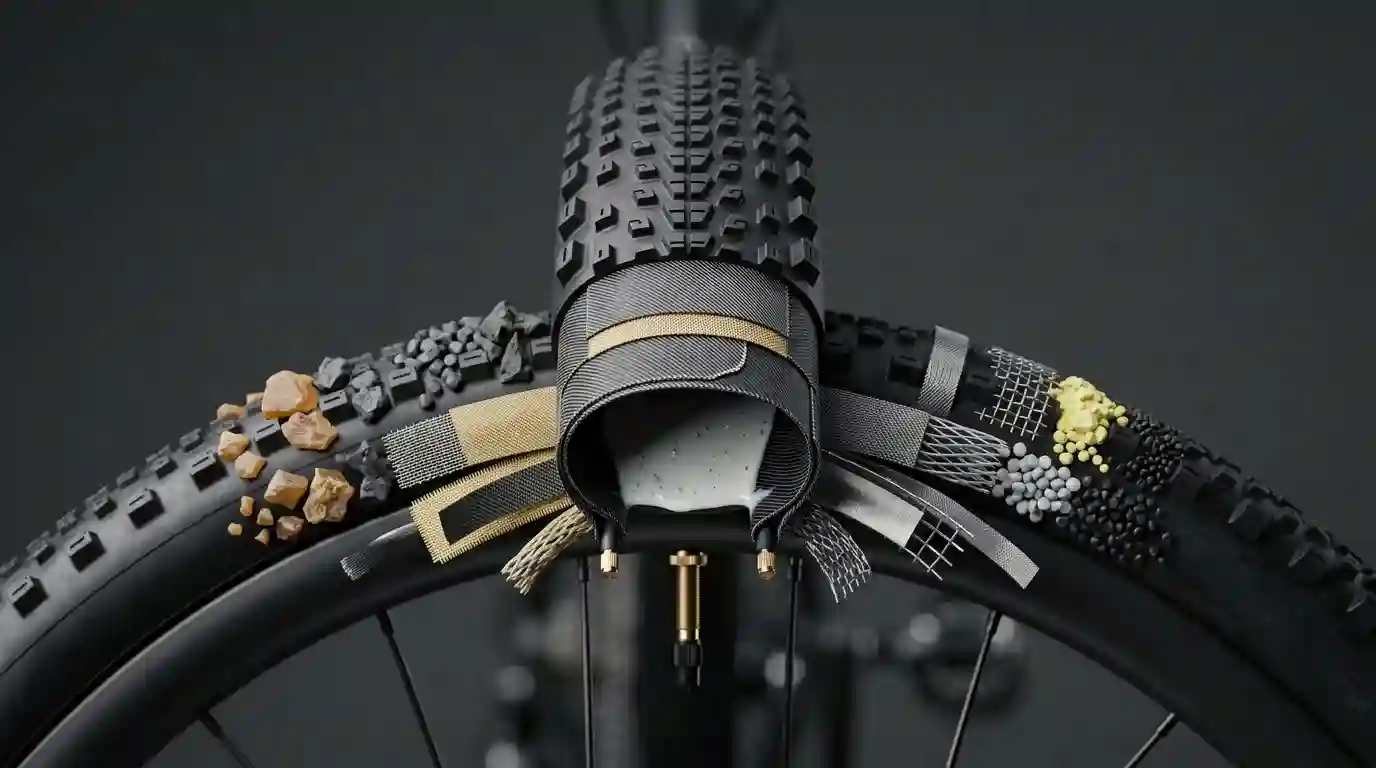
Cyclists across the United States face diverse challenges on every ride. You might be sprinting on asphalt in Southern California, navigating sharp gravel in Kansas, handling wet roots in the Pacific Northwest, or speeding over rocky singletrack in Colorado.
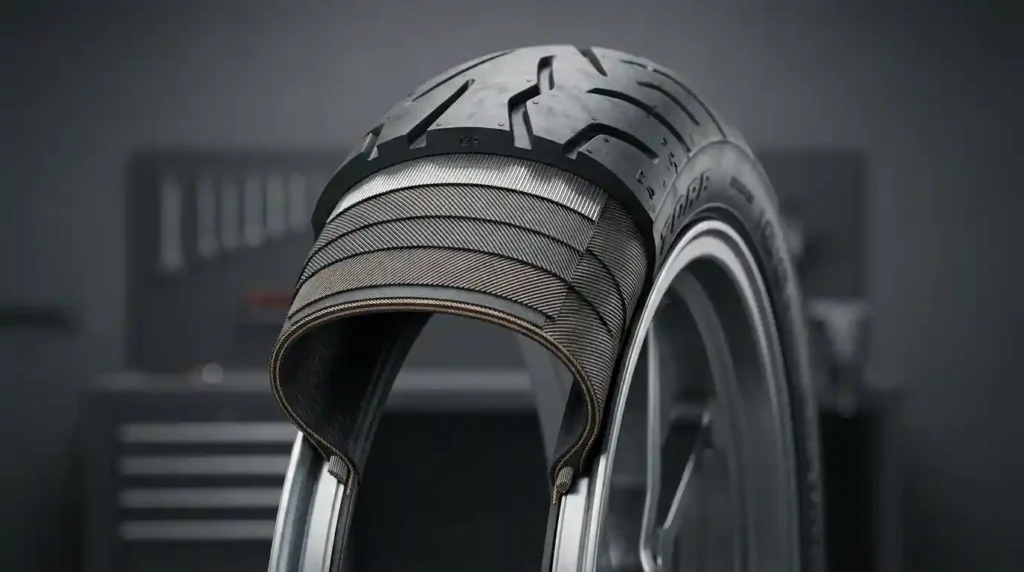
Subpar cornering, frequent flat tires, harsh road vibration, and sluggish acceleration are rarely caused by tread rubber alone. In most cases, the culprit is the hidden structural foundation inside your tire: the bike tire casing.
Choosing the right casing and setting the correct tire pressure (PSI) directly impacts your speed, safety, cornering grip, and comfort.
The casing serves as the primary skeleton of the tire. Its material, weave, density, and construction balance five core performance pillars:
- Suppleness & Ride Comfort: How effectively the tire conforms to surface chatter and bump impacts.
- Rolling Resistance: Energy lost as heat while the tire flexes under load.
- Cornering Support: Structural integrity that prevents tire squirm and sidewall folding in hard turns.
- Durability & Puncture Resistance: Defense against glass, sharp gravel, thorns, and rim pinch flats.
- Weight & Acceleration: Rotational mass that affects how quickly your bike responds to pedaling input.
From ultralight cotton road tubulars to heavy-duty multi-ply downhill (DH) mountain bike tires, understanding casing construction helps you select the best tire for your setup.
Featured Snippet: What Is Bike Tire Casing?
A bike tire casing is the woven fabric structure inside a tire that supports the tread, holds the tire’s shape under air pressure, and affects ride comfort, rolling resistance, cornering grip, and puncture durability.
What Is Bike Tire Casing?
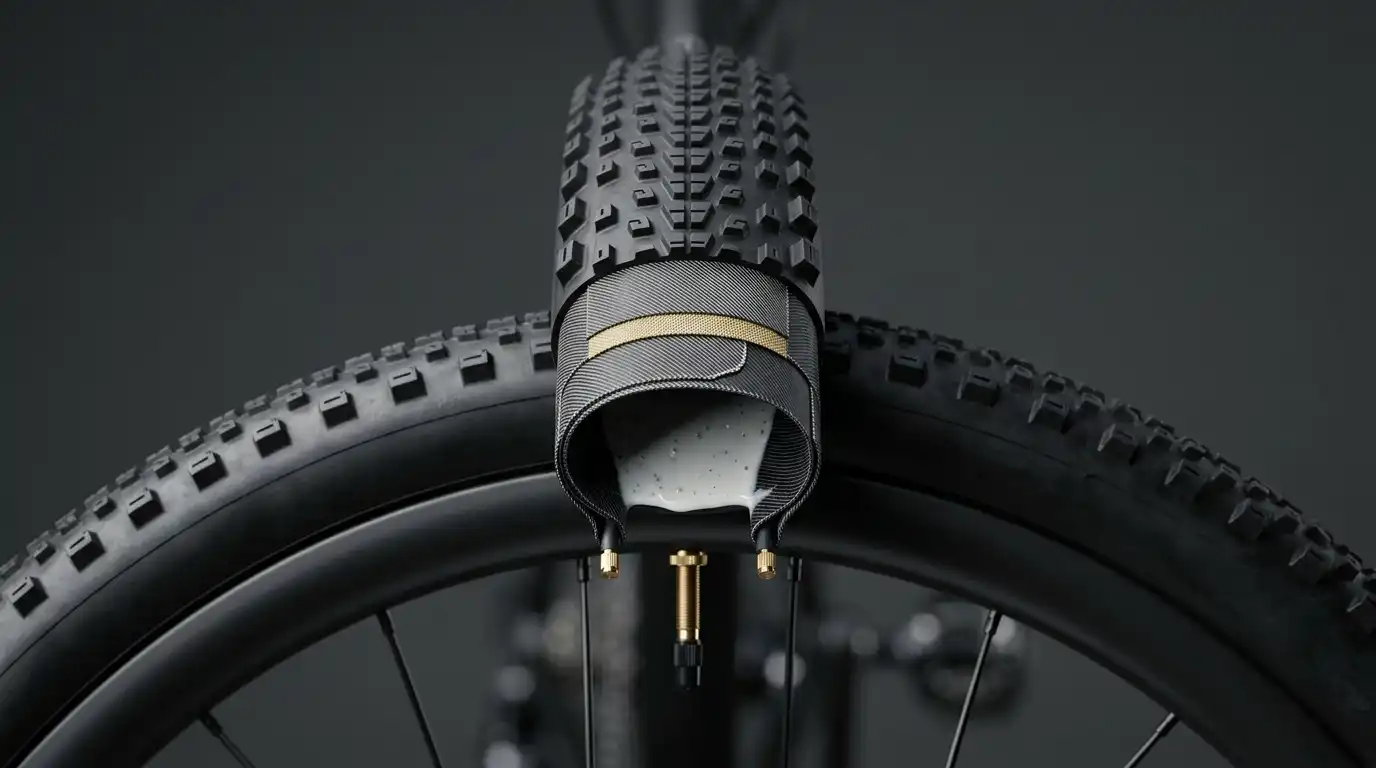
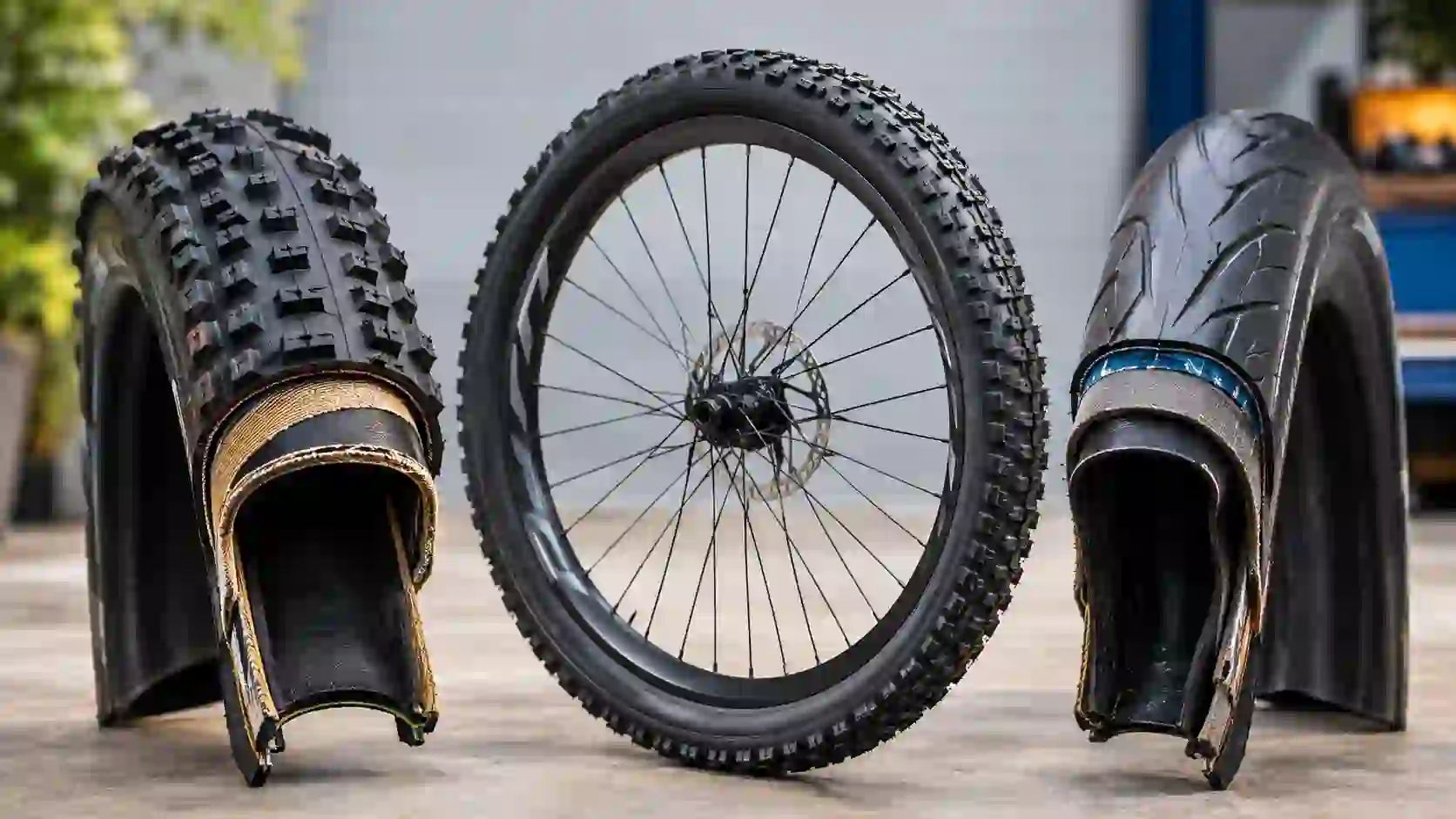
The bike tire casing is the main woven fabric body wrapped beneath the rubber tread layer and extending down to the beads. It forms the flexible airtight or tube-containing chamber that mounts onto your rim.
+———————————————————————————–+
| CROSS-SECTION OF A BIKE TIRE |
+———————————————————————————–+
[ Rubber Tread Layer (Contacts the Ground) ] |
| [ Sub-Tread Puncture Belt (Optional Protective Strip) ] |
[ WOVEN TIRE CASING (Structural Fabric Body Wrapped Around Beads) ] |
[ Inner Tubeless Liner or Inner Tube Air Chamber ] |
[ Left Bead (Rim Anchor) ] [ Right Bead (Rim Anchor) ] |
+———————————————————————————–+
Casing fibers are laid down at bias angles (typically 45 degrees relative to the direction of travel). This cross-hatched weave gives the tire structural strength to handle inflation pressure while remaining flexible enough to deform smoothly over obstacles.
Casing is distinct from the other primary layers of a bicycle tire:
- Tread: The outer rubber compound molded onto the casing to provide surface friction or knob traction.
- Sidewall: The exposed lateral sides of the casing, which may be bare or coated with a thin protective rubber skin.
- Puncture Belt: An additional nylon, aramid, or breaker fabric strip placed specifically under the tread area.
- Bead: The rigid steel wire or folding Kevlar bundle embedded at the casing edges to lock the tire into the rim hook.
Where Is the Casing on a Bike Tire?
The casing forms the complete structural arc of the tire. It runs from the left bead, curves up over the crown beneath the central tread, and extends down to the right bead.
Thick rubber tread covers the top of the casing where it touches the ground, while a thin coat of rubber covers the casing sidewalls to shield the woven fibers from moisture, abrasion, and UV degradation.
The tire bead wraps directly into the bottom loops of the casing, anchoring the entire structural unit firmly against the inner channel of the bicycle rim.
What Does a Tire Casing Do?
The casing performs several essential functions:
- Supports Air & Load: It contains internal air pressure and supports the rider and bike weight without stretching out of shape.
- Controls Deformation: It governs how easily the contact patch deforms over small rocks, pavement seams, and trail debris.
- Dictates Handling: It provides lateral stiffness during aggressive cornering, preventing the tire from squirming off the rim.
- Absorbs Vibration: It acts as a primary suspension element, dampening high-frequency road chatter before it reaches your handlebars.
What Is Bike Tire Casing Made Of?
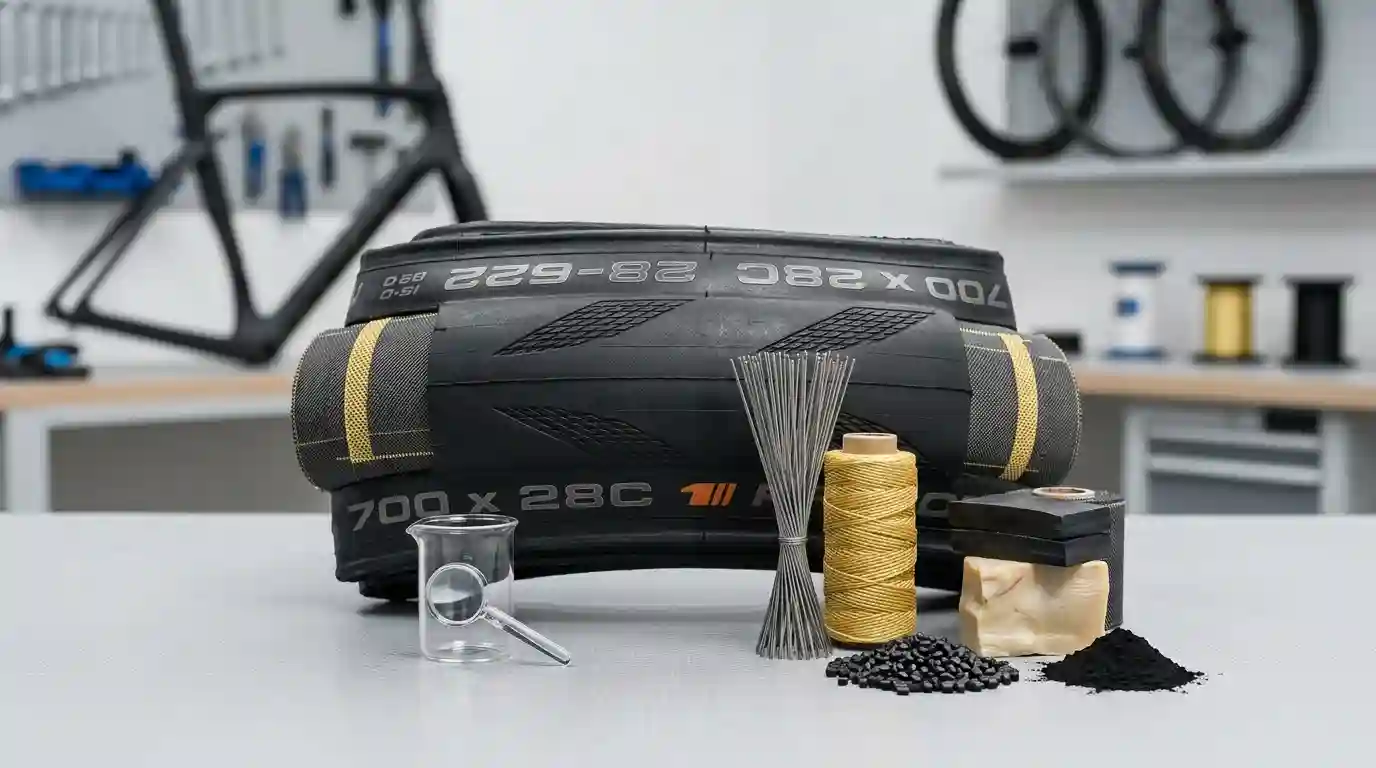
Tire casings are constructed from woven synthetic or natural textile fibers embedded in a thin matrix of uncured rubber compound before vulcanization.
+———————————————————————————–+
| CASING MATERIAL COMPARISON CHART |
+——————+———————–+——————–+——————-+
| MATERIAL | PRIMARY STRENGTH | RIDE QUALITY | TYPICAL USE |
+——————+———————–+——————–+——————-+
Nylon | High Cut Resistance | Firm & Durable | Commuter, MTB |
Polyester | Dimensional Stability | Balanced | Entry / Mid Road |
| Cotton | Ultra-Supple Flex | Plush & Fast | Pro Road, Gravel |
Aramid / Kevlar | High Tensile Strength | Stiff Protection | Sidewall Reinforce|
+——————+———————–+——————–+——————-+
Nylon vs. Polyester Casings
The Nylon is the most widely used casing fiber in modern bicycle tires. It offers excellent tensile strength, high tear resistance, and strong elastic recovery at an economical production cost. Nylon casings handle wet weather well and resist abrasion from rocks and gravel.
Polyester fibers provide consistent structural shape and low stretch under continuous high pressure. While slightly less flexible than high-grade nylon, polyester offers stable dimensional geometry for entry-level and mid-range road and urban tires.
Material choice works in tandem with fiber diameter, thread weave tightness, and rubber coating thickness. A finely woven nylon casing can feel significantly more supple than a coarsely woven polyester casing.
What Is a Cotton Tire Casing?
Cotton tire casings represent the pinnacle of supple performance in high-end road racing and gravel riding. Naturally soft cotton threads can be spun extremely fine and woven with minimal rubber coating.
+———————————————————————————–+
| COTTON VS. SYNTHETIC CASING CHARACTERISTICS |
+————————————+———————————————-+
| COTTON CASING | SYNTHETIC (NYLON) CASING |
• Conforms effortlessly to road | • Resists water absorption and rot |
• Extremely low rolling resistance | • Higher resistance to sidewall cuts |
| • Highly comfortable vibration damping| • Long-term durability in varied conditions |
| • Requires care in wet environment | • Handles rough gravel and trail impacts |
+————————————+———————————————-+
Because cotton casing fibers deform with minimal internal friction, they provide a smooth, fast ride feel. However, they are more susceptible to sidewall cuts, moisture damage, and rot if stored wet compared to synthetic alternatives.
What Does TPI Mean on a Bike Tire?
TPI stands for Threads Per Inch. It measures the thread density in one linear inch of a single casing fabric layer.
+———————————————————————————–+
| TPI (THREADS PER INCH) WEAVE DENSITY |
+———————————————————————————–+
LOW TPI (e.g., 30 TPI) | HIGH TPI (e.g., 120 TPI) |
[===] [===] [===] [===] | [|||||||||||||||||||||||||||||||||||||||||] |
| Thick fibers, thick rubber coat. | Thin, fine fibers, minimal rubber coat. |
Stiff, durable, cut-resistant. | Supple, lightweight, low energy loss. |
+———————————————————————————–+
Manufacturers build casings using varying thread counts to tune tire characteristics:
- Low TPI (27–60 TPI): Uses thicker textile threads with more rubber filler between fibers. Creates a heavy, robust, puncture-resistant casing suited for urban commuting, utility e-bikes, and downhill MTB riding.
- Medium TPI (60–120 TPI): Balances suppleness, weight, and sidewall durability. Widely used for trail riding, gravel events, and endurance road cycling.
- High TPI (120–320 TPI): Uses micro-fine textile threads with thin rubber coatings. Produces an ultralight, highly flexible casing that conforms to road surface imperfections for maximum speed and comfort.
Note on Multi-Ply Ratings: Some manufacturers list total combined TPI across multiple overlapping layers. For example, a 3-layer tire made from 60 TPI fabric may be marketed as “180 TPI.” Check whether a rating refers to a single ply or total combined layers when comparing options.
Is Higher TPI Better?
Higher TPI is not universally superior; it depends on your riding discipline and environmental demands:
+———————————————————————————–+
| TPI SELECTION GUIDE |
+——————-+——————–+——————–+———————+
| APPLICATION | RECOMMENDED TPI | PRIMARY REASON | TRADE-OFF |
+——————-+——————–+——————–+———————+
Criterium Racing | 120 – 320 TPI | Maximum Suppleness | Lower Cut Resistance|
| Trail / Enduro MTB| 60 – 120 TPI | Balanced Support | Moderate Weight |
Heavy Commuting | 27 – 60 TPI | High Puncture Defense| Stiffer Ride Feel |
+——————-+——————–+——————–+———————+
Does Higher TPI Mean Lower Rolling Resistance?
Generally, yes. A high-TPI casing deforms with less mechanical resistance than a thick, stiff low-TPI casing, reducing energy lost as heat (hysteresis loss).
People Also Ask: Does higher TPI make a bike tire faster?
Not automatically. TPI is only one element of casing construction. Rubber compound formulation, sub-tread puncture protection belts, tread depth, tire width, and inflation pressure (PSI) also play major roles in overall rolling resistance.
How Bike Tire Casing Affects Rolling Resistance
Rolling resistance is the energy lost as a tire continually deforms and recovers its shape while rolling under load.
ENERGY LOSS PATHWAY
|
+——————————–+——————————–+
| |
v v
+——————————-+ +——————————-+
| STIFF CASING (LOW TPI) | | SUPPLE CASING (HIGH TPI) |
+——————————-+ +——————————-+
Thick fibers resist flex | | • Thin fibers flex smoothly |
Rubber filler generates heat| | • Conforms around obstacles |
High energy loss (High Watts| | • Low energy loss (Low Watts) |
+——————————-+ +——————————-+
Why Does a Supple Casing Feel Faster?
A flexible casing conforms smoothly to rough road surfaces and pavement cracks. Instead of forcing the entire bicycle and rider weight upward over tiny bumps—wasting forward momentum—a supple casing deforms at the contact patch, keeping your bike rolling smoothly.
This adaptability reduces high-frequency vibration, allowing more of your leg power to convert directly into forward motion.
Can a More Flexible Casing Improve Comfort?
Yes. Casing suppleness acts as your bike’s initial suspension layer, dampening high-frequency road buzz before it reaches your hands, feet, and saddle.
Setting your tire pressure correctly amplifies this suppleness without risking rim impacts or lateral instability.
How Tire Casing Affects Grip and Cornering
Cornering traction relies on a balance between contact patch deformation and lateral casing support.
CORNERING LOAD DYNAMICS
|
+———————————-+———————————-+
| |
v v
+——————————–+ +——————————–+
| INSUFFICIENT CASING SUPPORT | | OPTIMAL CASING STABILITY |
+——————————–+ +——————————–+
Sidewall folds under lean | | • Sidewall stays upright |
Tread squirm creates sliding | | • Tread blocks bite cleanly |
• Unpredictable handling | | • Predictable, locked-in grip |
+——————————–+ +——————————–+
Does Casing Affect Cornering Grip?
Yes. When you lean into a high-speed turn, lateral forces push against the tire sidewalls.
A casing engineered for your discipline maintains its structural shape under lean angle, holding the tread firmly against the pavement or soil. If a casing is too flexible or under-inflated for your weight, the sidewall can collapse or “squirm,” causing a loss of control.
Why Does Casing Support Matter for MTB Tires?
Mountain biking subjects tires to rapid, high-G directional changes, berm compression, off-camber roots, and sharp rock impacts.
If an off-road casing is too thin, hard cornering forces cause the tire bead to unseat temporarily or flex off-center—a phenomenon known as burping in tubeless systems. Specialized off-road casings incorporate reinforced sidewall grids or multi-ply layers to maintain precise steering control through rough terrain.
Bike Tire Casing and Tire Pressure
Tire pressure (PSI) and casing stiffness operate together as a system. Inflation pressure supplies internal tension, while casing threads dictate how the tire deforms under load.
+———————————————————————————–+
| PRESSURE VS. CASING BEHAVIOR MATRIX |
+———————————-+————————————————+
| UNDER-INFLATED CASING (LOW PSI) | OVER-INFLATED CASING (HIGH PSI) |
+———————————-+————————————————+
Excessive sidewall squirm | • Reduces contact patch surface area |
Increased risk of pinch flats | • Deflects off small obstacles, losing traction|
• Rim strikes on hard edges | • Creates a harsh, tiring ride quality |
+———————————-+————————————————+
How Does PSI Affect Casing Performance?
To achieve optimal performance, inflation pressure must be tuned to your casing construction:
- Supple Casings (120+ TPI): Can run slightly higher pressure without feeling harsh because the casing conforms well to small road chatter.
- Stiff Casings (30–60 TPI): Benefit from lower inflation pressure to improve grip, though lower limits are constrained by casing stiffness and rim-strike risk.
Practical Tire Pressure Formula
Determine baseline tire pressure based on total system weight (rider + bike + gear), tire width, and casing construction:
BaseFrontPressure(PSI)=TotalSystemWeight(lbs)4.5CasingFactor
Casing Adjustment Factors:
- Lightweight Supple Casing (120+ TPI): 1.00
- Reinforced / Enduro Casing (60 TPI / Multi-ply): 0.90
- Heavy Commuter / Utility Casing (27–30 TPI): 0.85
BaseRearPressure(PSI)=BaseFrontPressure+5
Example: A 175 lb rider on a 20 lb bike (195 lbs total) with 120 TPI 28mm road tires:
BaseFront=1954.51.0043PSI
BaseRear=43+5=48PSI
(Note: Scale formula output for high-volume gravel or mountain bike tires).
+———————————————————————————–+
| STARTING TIRE PRESSURE CHART BY CASING TYPE |
+——————–+———————+——————+———————+
| TOTAL WEIGHT (LBS) | ROAD 28MM (120 TPI) | GRAVEL 40MM (TPI)| MTB 2.4″ (MULTI-PLY) |
+——————–+———————+——————+———————+
130 – 150 lbs | 52 – 58 PSI | 28 – 32 PSI | 18 – 20 PSI |
150 – 180 lbs | 60 – 68 PSI | 33 – 37 PSI | 21 – 24 PSI |
180 – 210 lbs | 70 – 78 PSI | 38 – 42 PSI | 25 – 28 PSI |
| 210+ lbs | 80 – 88 PSI | 43 – 48 PSI | 29 – 32 PSI |
+——————–+———————+——————+———————+
Featured Snippet: What Is the Best Tire Pressure?
The best tire pressure depends on rider weight, tire width, rim width, casing construction, terrain, and riding style. There is no single PSI that works for every cyclist.
Tire Casing vs. Sidewall
+———————————————————————————–+
| CASING VS. SIDEWALL ANATOMY |
+——————————-+—————————————————+
| COMPONENT | PRIMARY CONSTRUCTION & FUNCTION |
+——————————-+—————————————————+
| Casing | Woven fabric structure providing global shape |
Sidewall | Casing’s lateral region + rubber protective coating|
Reinforced Sidewall Insert | Auxiliary fabric or rubber wedge to prevent cuts |
+——————————-+—————————————————+
What Is a Reinforced Sidewall?
A reinforced sidewall adds a defensive layer over the casing between the bead and tread shoulder.
Manufacturers use woven grid fabrics (such as Maxxis EXO, Continental ProTection, or Schwalbe SnakeSkin) to shield the casing from sharp rock slashes. These reinforcements prevent sidewall cuts without making the central tread area overly stiff.
Tire Casing vs. Puncture Belt
TIRE LAYER FUNCTION
|
+——————————–+——————————–+
| |
v v
+——————————-+ +——————————-+
| MAIN CASING | | PUNCTURE BELT |
+——————————-+ +——————————-+
• Structural skeleton | | • Targeted protective layer |
| • Handles air pressure | | • Stops sharp objects |
• Extends from bead to bead | | • Located under tread layer |
+——————————-+ +——————————-+
Does a Puncture Belt Make a Tire More Durable?
Yes. Sub-tread puncture belts—made of aramid (Kevlar), high-density woven nylon, or specialized rubber elastomers—stop glass, thorns, and wire from penetrating through the central casing.
While puncture belts add protection in urban environments, they can slightly stiffen the tread center and increase rolling resistance compared to unreinforced race casings.
Bike Tire Casing for Different Types of Riding
+———————————————————————————–+
| CASING CHARACTERISTICS BY DISCIPLINE |
+—————-+——————–+———————+———————–+
| DISCIPLINE | CASING PLY COUNT | TYPICAL MATERIAL | PERFORMANCE FOCUS |
+—————-+——————–+———————+———————–+
Road Race | Single-ply 120 TPI | Nylon / Fine Cotton | Suppleness & Speed |
| Gravel | Single-ply + Grid | Nylon + EXO Grid | Balance Speed & Cuts |
Trail / Enduro | Dual-ply 60 TPI | Heavy Nylon + Apex | Impact Protection |
| City Commute | Single-ply 30 TPI | Thick Nylon + Belt | Puncture Immunity |
E-Bike | Reinforced Multi | Heavy-duty Casing | High Torque & Load |
+—————-+——————–+———————+———————–+
Road Bike Casings
- Priorities: Low rolling resistance, lightweight construction, and precise cornering grip.
- Design: Supple, fine-thread single-ply casings (120–320 TPI) paired with thin sidewall coatings for maximum speed.
Gravel Tire Casings
- Priorities: Suppleness over rough dirt, cut resistance on sharp rocks, and sidewall stability.
- Design: Flexible 60–120 TPI casings reinforced with woven sidewall protective grids to prevent rock slashes.
Mountain Bike Casings
- Cross-Country (XC): Light 120 TPI single-ply casings designed for low rolling resistance and fast climbing.
- Trail / All-Mountain: 60 TPI single-ply casings with rubber inserts near the bead to prevent pinch flats.
- Enduro / Downhill (DH): Heavy-duty 2-ply (dual-casing) constructions with thick rubber sidewall inserts (Apex) for stability through severe impacts.
Commuter Bike Casings
- Priorities: Long wear life, cut resistance, and defense against urban road debris.
- Design: Heavy 30–60 TPI casings coated with thick rubber layers and equipped with thick sub-tread breaker belts.
E-Bike Tire Casings
- Priorities: Managing heavier motor and battery weight (50+ lbs), high electric motor torque, and fast cornering forces.
- Design: Stiff multi-ply casings engineered for heavy loads, often certified to European ECE-R75 standards for electric bikes up to 30 mph (50 km/h).
How Casing Construction Affects Tubeless Tires
Tubeless tires rely on an airtight casing seal and a precise bead fit against the rim flange, removing the need for an inner tube.
+———————————————————————————–+
TUBELESS CASING SEALING MECHANISM |
+———————————————————————————–+
[ Air-Impermeable Rubber Inner Coating or Liquid Sealant Layer ] |
[ High-Tensile Kevlar Bead (Locks securely into internal Rim Hook / Channel) ] |
[ Reinforced Sidewall Casing (Prevents air weeping through woven threads) ] |
+———————————————————————————–+
Does Tubeless Need a Special Casing?
Yes. Tubeless-Ready (TLR) casings use a specialized rubber coating inside the casing wall to reduce permeability. They also feature a precise fold-resistant bead shape designed to lock under pressure against tubeless rim profiles.
Standard tubed tires lack these airtight casing coatings and bead profiles; attempting to run them tubeless can result in sudden air loss or bead unseating.
+———————————————————————————–+
| HOOKED VS. HOOKLESS RIM CASING PROFILE |
+——————-+—————————-+———————————-+
| FEATURE | HOOKED (CROCHET) | HOOKLESS (STRAIGHT-SIDE) |
+——————-+—————————-+———————————-+
Rim Lip Design | Internal curved lip | Smooth straight wall |
| Max Pressure | High pressure (>80 PSI) | Strictly max 73 PSI (5.0 bar) |
Approved Casing | Standard Tubeless / Tubed | Approved Tubeless-Only Casings |
+——————-+—————————-+———————————-+
Basic Tubeless Setup
- Check Compatibility: Confirm both rim and tire casing are explicitly marked Tubeless-Ready.
- Apply Tape: Seal the inner rim channel using specialized tubeless rim tape.
- Install Valve: Insert a tubeless valve stem and tighten the lock ring firmly by hand.
- Mount Casing: Push one tire bead into the center channel, then carefully seat the second bead.
- Add Sealant: Inject 2–4 oz of liquid tubeless sealant through the valve stem or into the unseated casing.
- Seat Beads: Inflate rapidly using a tubeless floor pump or air compressor until the casing beads click into place.
- Distribute Sealant: Rotate and tilt the wheel to coat all inner casing seams, then check for pressure retention.
How Rim Width Changes Casing Performance
Inner rim width alters the mounted casing shape, sidewall profile, and overall air volume.
+———————————————————————————–+
| INNER RIM WIDTH VS. CASING SHAPE |
+———————————————————————————–+
NARROW RIM (Lightbulb Shape) | OPTIMAL RIM (Rounded Profile)| TOO WIDE RIM (Square Shape)
| ( CASING ) | / CASING \ | | CASING |
( ) | / \ | | |
Sidewall squirm in turns | Stable lateral support | Exposed sidewall fibers
+———————————————————————————–+
Why Does Rim Width Matter?
Mounting a wide tire onto a narrow rim creates a “lightbulb” profile, leaving the casing unsupported laterally and causing tire roll in corners.
Conversely, mounting a narrow tire onto a wide rim flattens the casing profile, exposing vulnerable sidewalls to rock strikes and squaring off the tread blocks.
+———————————————————————————–+
| RIM WIDTH MATCHING GUIDELINES |
+———————–+—————————+——————————-+
| TIRE CASING WIDTH | RECOMMENDED INNER RIM | APPLICATION DISCIPLINE |
+———————–+—————————+——————————-+
25mm – 28mm | 19mm – 21mm | Modern Road Performance |
38mm – 45mm | 23mm – 25mm | Gravel / Mixed Surface |
2.3″ – 2.5″ | 28mm – 30mm | Trail / Enduro Mountain Bike |
+———————–+—————————+——————————-+
How to Choose the Right Bike Tire Casing
Choose Based on Riding Surface
- Smooth Asphalt: Opt for light, high-TPI (120+ TPI) casings to maximize rolling efficiency and ride suppleness.
- Crushed Gravel: Select 60–120 TPI casings featuring sidewall reinforcement to guard against sharp stone cuts.
- Technical Singletrack: Choose multi-ply or sidewall-reinforced 60 TPI casings for pinch-flat protection and rim defense.
Choose Based on Riding Style
- Racing / Performance: Choose lightweight cotton or fine nylon casings to minimize rotational weight and energy loss.
- Daily Commuting: Choose heavy 30–60 TPI casings with sub-tread puncture belts for long wear and flat defense.
- Aggressive Gravity Riding: Choose thick dual-ply casings to prevent tire deformation on high-speed compressions.
Common Bike Tire Casing Mistakes
- Assuming Higher TPI Is Always Better: Choosing a 120 TPI race casing for urban commuting can lead to frequent sidewall cuts from debris.
- Ignoring System Weight: Heavier riders on light, thin-ply casings require excessive PSI to prevent squirm, resulting in a harsh ride.
- Mismatched Tubeless Casings: Attempting to set up standard non-tubeless casings without inner tubes can lead to air leaks or tire unseating.
- Incorrect Rim Width Combinations: Running wide tires on narrow rims creates casing instability, while narrow tires on overly wide rims expose sidewalls to damage.
How Bike Tire Casings Are Tested
Tire manufacturers and independent labs test casings under controlled conditions to evaluate performance.
+———————————————————————————–+
| STANDARDIZED CASING TESTING METHODOLOGY |
+———————-+—————————–+——————————+
| TEST PARAMETER | LABORATORY EQUIPMENT | MEASURED METRIC |
+———————-+—————————–+——————————+
Rolling Resistance | Motorized Steel Drum | Watt Loss under fixed load |
Puncture Resistance | Calibrated Penetration Needle| Force required to pierce ply |
| Sidewall Cut Defense | Sliding Blade Pendulum | Joules of energy absorbed |
Casing Flex Fatigue | Rotating Load Axle | Cycles to structural failure |
+———————-+—————————–+——————————+
Laboratory drum tests measure pure mechanical flex loss, while real-world trail testing assesses cornering stability, vibration damping, and impact absorption across varied terrain.
People Also Ask About Bike Tire Casings
What Is the Casing on a Bike Tire?
The casing is the woven fabric layer beneath the rubber tread that gives the tire its structural shape and handles internal air pressure.
Is Higher TPI Better on a Bike Tire?
Not always. High TPI offers a supple, fast-rolling ride, while lower TPI provides a thicker, more durable casing that better resists cuts and impacts.
What Does 120 TPI Mean on a Bike Tire?
It indicates that the casing fabric contains 120 threads per inch in a single ply, offering a balanced combination of suppleness, light weight, and structural strength.
Does Tire Casing Affect Speed?
Yes. A supple casing flexes with less internal friction, reducing rolling resistance and preserving momentum over rough surfaces.
Does Tire Casing Affect Comfort?
Yes. Flexible casings absorb small road vibrations and surface chatter, delivering a smoother ride than stiff, heavily rubberized options.
Frequently Asked Questions
What Is the Difference Between Tire Casing and Tread?
The casing is the internal structural fabric skeleton of the tire. The tread is the outer rubber layer molded onto the top of the casing to provide surface traction.
Is a Higher-TPI Tire More Durable?
Not necessarily. Higher TPI casings use finer threads that can be more susceptible to sidewall cuts compared to the thicker threads used in lower TPI casings.
Is Tubeless Better for Tire Casing Performance?
Tubeless setups allow you to run lower tire pressures, helping the casing conform to surface irregularities for improved comfort and grip without the risk of pinch flats.
What PSI Is Best for My Bike Tire?
Start with the pressure range stamped on your tire sidewall, then fine-tune your PSI based on total system weight, tire width, rim width, casing type, and terrain.
Does Rim Width Affect Tire Casing?
Yes. Rim width influences mounted casing shape, sidewall stability, and overall air volume. Always align tire width with approved inner rim dimensions.
What Is the Best Casing for Gravel Tires?
A 60–120 TPI casing with dedicated sidewall protection offers an ideal balance of suppleness, rolling speed, and cut resistance for gravel riding.
How Can I Tell If My Tire Casing Is Damaged?
Inspect the tire for bulging sidewalls, exposed casing threads, structural cuts, or wobbling tread lines under pressure. Replace tires with casing damage promptly.
How Long Does a Bike Tire Casing Last?
Casing lifespan varies based on mileage, riding surface, storage conditions, and UV exposure. Replace tires if you notice cracked sidewall rubber, visible fabric, or severe tread wear.
Final Verdict: Why Bike Tire Casing Matters
The casing is the structural foundation of every bicycle tire. It dictates how your bike handles corners, absorbs road vibration, rolls over rough terrain, and resists flats.
To select the ideal tire casing:
- Match Casing to Terrain: Choose fine, high-TPI casings for smooth pavement; select reinforced multi-ply casings for rough gravel and technical trails.
- Consider System Weight: Heavier loads require stronger casing support to maintain handling stability.
- Dial In Tire Pressure: Tune your PSI to complement your casing construction, rim width, and riding style.
Find the Right Tire and PSI for Your Setup
Ready to optimize your ride quality and handling confidence?
- Use our Free Bike Tire Pressure Calculator at TheBikeTires.com to determine your custom inflation pressure.
- Explore our Tire Finder Tool to compare casing constructions, TPI ratings, puncture protection layers, and tubeless options.
- Test small pressure adjustments on your regular routes to experience how your tire casing performs.

Mohidul Islam is a leading cycling technology specialist and bike tire consultant with over 15 years of hands-on experience in the bicycle industry. He holds a Bachelor of Science in Mechanical Engineering from Penn State University, where he focused heavily on material science, tread mechanics, and rubber compound performance. Over the past decade and a half, Alex has conducted extensive field testing, tubeless setup evaluations, and tire pressure modeling for road, mountain, and e-bikes. His practical insights and data-driven approach help cyclists of all levels optimize grip, speed, and durability on every ride.