Cyclists across the United States face diverse commuting environments every single day. You might be navigating glass-littered bike lanes in Chicago, rolling over rough chip-seal roads in Texas, dodging potholes on New York City streets, or taking rainy gravel shortcuts in the Pacific Northwest.
Dealing with sudden pinch flats, squishy cornering, slow rolling resistance, and premature tread wear can quickly turn a smooth daily ride into an expensive hassle.
Choosing the right bicycle tire and maintaining proper inflation pressure (PSI) directly impacts your safety, speed, and overall comfort.
Your ideal everyday tire setup depends on several interconnected variables:
- Riding Surface: Pavement, concrete, packed dirt, gravel, or mixed urban terrain.
- Daily Mileage: Short 2-mile city runs vs. 20-mile daily fitness commutes.
- Local Weather: Year-round sunshine, frequent rain, or freezing winter slush.
- Bike Type: Road bike, hybrid bike, gravel machine, heavy commuter, or high-torque e-bike.
- Rider Priorities: Maximum speed, bulletproof puncture resistance, or cushion-like comfort.
Finding the right tire requires balancing four core performance parameters: rolling resistance, ride comfort, cornering grip, and long-term durability.
Featured Snippet: How to Choose Bike Tires for Everyday Riding
To choose bike tires for everyday riding, match the tire to your road surface, bike frame clearance, tire size, riding conditions, and priorities such as comfort, speed, puncture protection, and durability.
What Makes a Good Everyday Bike Tire?
A reliable everyday tire strikes a balance between performance, protection, and long-term service life. Unlike race tires engineered solely for speed or downhill tires made for aggressive trail traction, daily tires must handle unpredictable road conditions without failing.
+———————————————————————————–+
| EVERYDAY TIRE SELECTION BALANCE ———————————————————————————-+
[ SPEED & EFFICIENCY ] [ ROBUST DURABILITY ] |
(Supple Casing, Low Tread) (Puncture Belts, Hard Rubber) |
| \ / |
\ / |
| \ /
[ IDEAL COMMUTER TIRE ] |
| / \ |
/ \ |
/ \ |
[ WET CORNERING GRIP ] [ VIBRATION COMFORT ] |
(Silica Rubber Compound) (High Volume Air Chamber) |
+———————————————————————————–+
What Should You Look for in an Everyday Tire?
- Correct Sizing: Wheel diameter (e.g., 700c, 650b, 26″, 29″) and casing width (e.g., 28mm, 35mm, 42mm, 2.0″) matching your frame clearance.
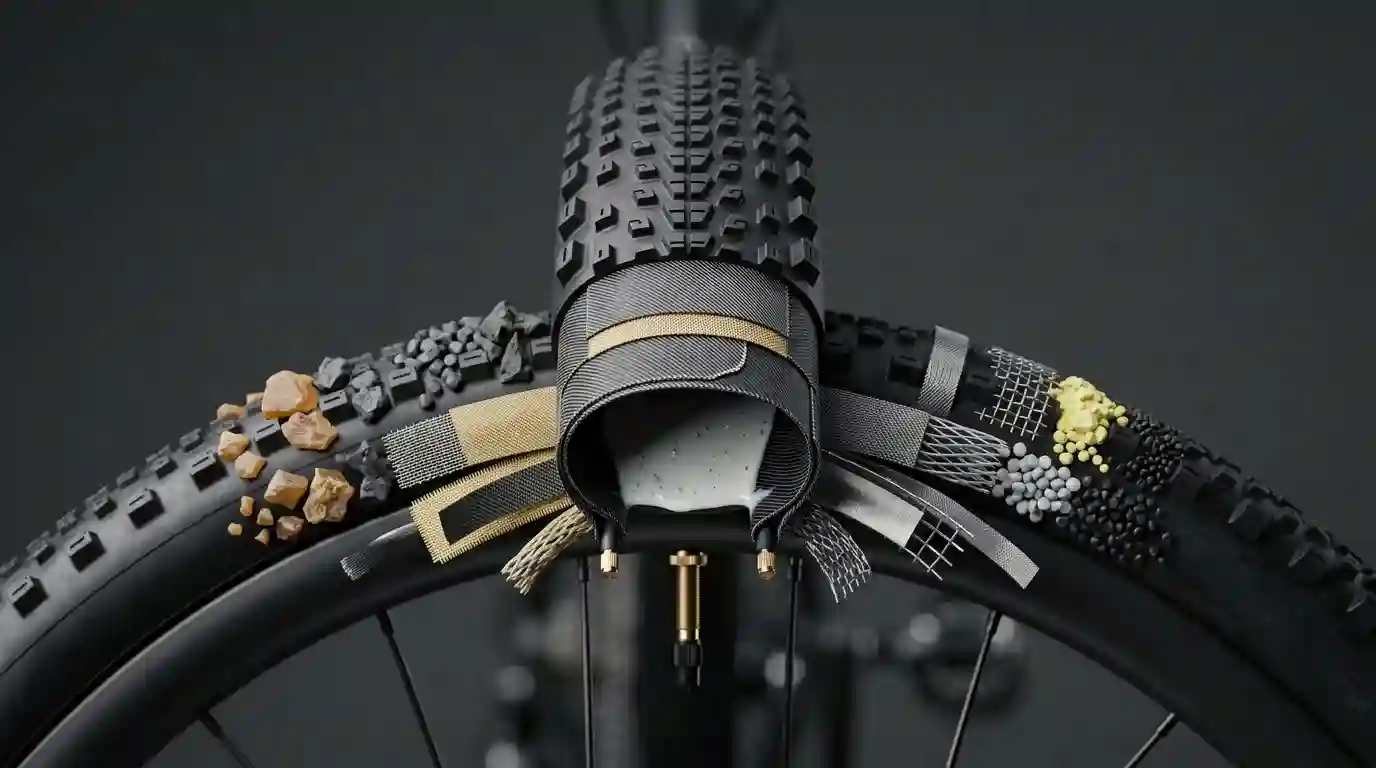
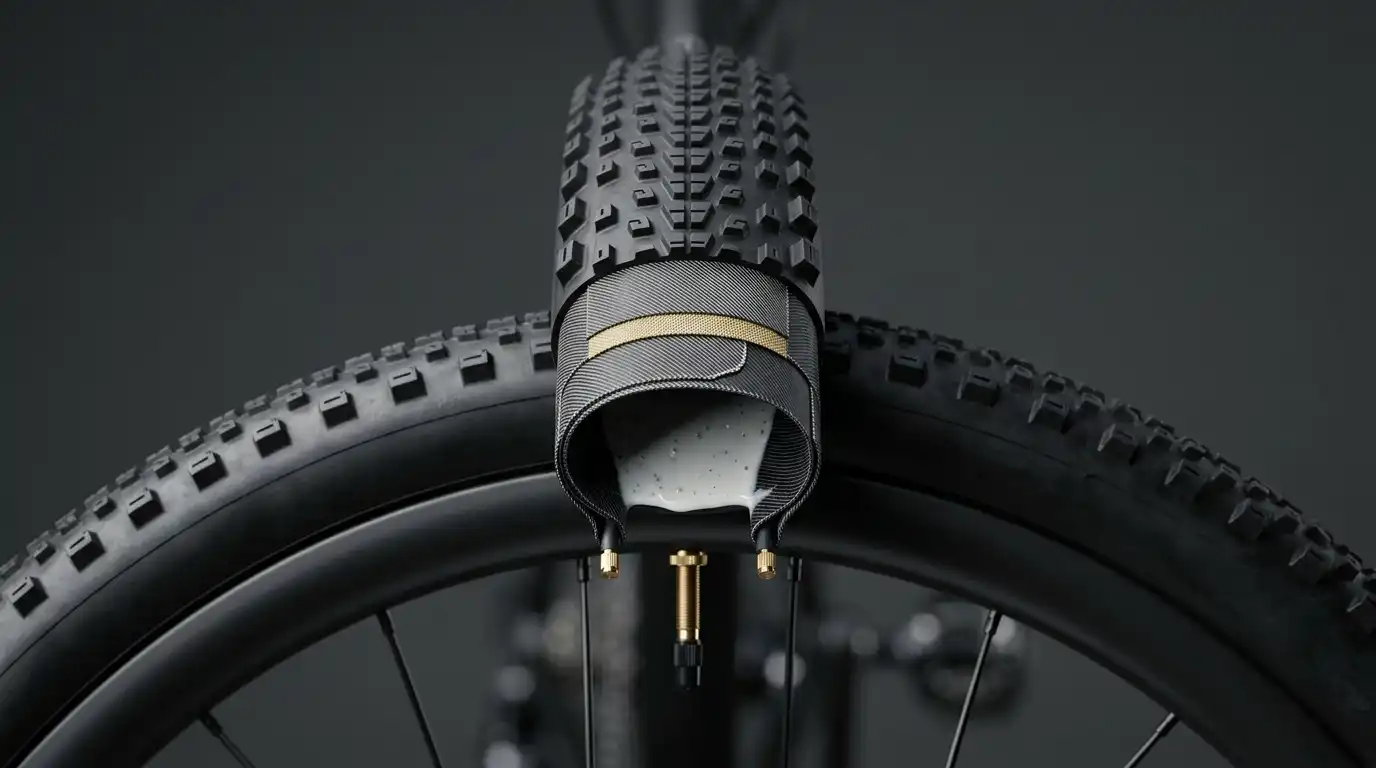
- Puncture Protection: Integrated sub-tread protective belts (such as aramid or dense nylon strips) that resist glass and wire cuts.
- All-Weather Compound: Rubber formulations enriched with silica to maintain strong traction on wet asphalt and slick metal utility covers.
- Durable Casing Construction: A tough carcass (typically 30 to 60 TPI) that resists sidewall abrasions from curbs and debris.
Should Everyday Bike Tires Be Fast or Durable?
Fast, supple race tires prioritize lightweight construction and low rolling resistance, but they wear down rapidly and puncture easily. Extremely durable heavy-duty tires offer strong flat protection, but their stiff rubber and thick casings can make pedaling feel sluggish.
For daily riding, a middle-ground tire featuring a flexible 60 TPI casing paired with a sub-tread puncture belt delivers a smooth, efficient roll while protecting against unexpected flats.
+———————————————————————————–+
| TIRE TYPE COMPARISON FOR DAILY COMMUTING |
+——————-+———————+——————–+——————–+
| TIRE CLASS | ROLLING EFFICIENCY | PUNCTURE DEFENSE | EXPECTED LIFESPAN |
+——————-+———————+——————–+——————–+
Race / Performance| Exceptional (Fast) | Minimal Protection | 1,000 – 1,800 mi |
| Daily Commuter | Balanced (Efficient)| High Protection | 3,000 – 5,000 mi |
Heavy Touring | Moderate (Heavier) | Max Protection | 5,000 – 8,000+ mi |
+——————-+———————+——————–+——————–+
Choose Tires Based on Where You Ride
Your primary riding surface dictates the optimal tread geometry, rubber hardness, and tire width required for daily stability.
+———————————————————————————–+
| TREAD SELECTION BY SURFACE TYPE |
+——————+———————+——————-+———————-+
| SURFACE TYPE | RECOMMENDED TREAD | RECOMMENDED WIDTH | KEY FEATURES |
+——————+———————+——————-+———————-+
Smooth Pavement | Slick / Micro-Sipe | 28mm – 32mm | Low Drag, Wet Silica |
Urban Rough/Brtl | Semi-Slick | 35mm – 40mm | Volume, Sub-Tread Belt|
Dirt & Gravel | Small Block Knobs | 40mm – 45mm | Center Ridge, Knobs |
+——————+———————+——————-+———————-+
Best Tires for Pavement and City Streets
Smooth asphalt requires maximum contact patch surface area. Slick or micro-siped treads work best here because smooth rubber keys directly into the micro-roughness of the road surface.
Select a 28mm to 35mm wide tire with a central silica rubber compound to lower rolling resistance while maintaining wet-weather braking grip on city streets.
Best Tires for Bike Paths and Mixed Roads
Paths often collect fine sand, twigs, crushed granite, and cracked concrete. Semi-slick tires with a smooth center strip and light shoulder tread offer fast rolling speed in a straight line while providing traction when cornering on loose debris.
A 35mm to 40mm semi-slick tire provides extra air volume, absorbing road chatter without dragging on paved sections.
Best Tires for Gravel and Dirt
If your daily route includes unpaved fire roads or gravel trails, select a specialized gravel tire featuring small, closely spaced center knobs and prominent side lugs.
Running a 40mm to 45mm gravel tire allows for lower air pressures, widening the contact footprint to keep your wheels from sinking into loose dirt or gravel.
Choose the Right Bike Tire Size
Selecting the proper tire size requires understanding two main dimensions: wheel diameter and casing width.
+———————————————————————————–+
| UNDERSTANDING TIRE SIZING |
+———————————————————————————–+
| IMPERIAL / TRADITIONAL SIZE | ETRTO (METRIC) STANDARD | TYPICAL APPLICATION |
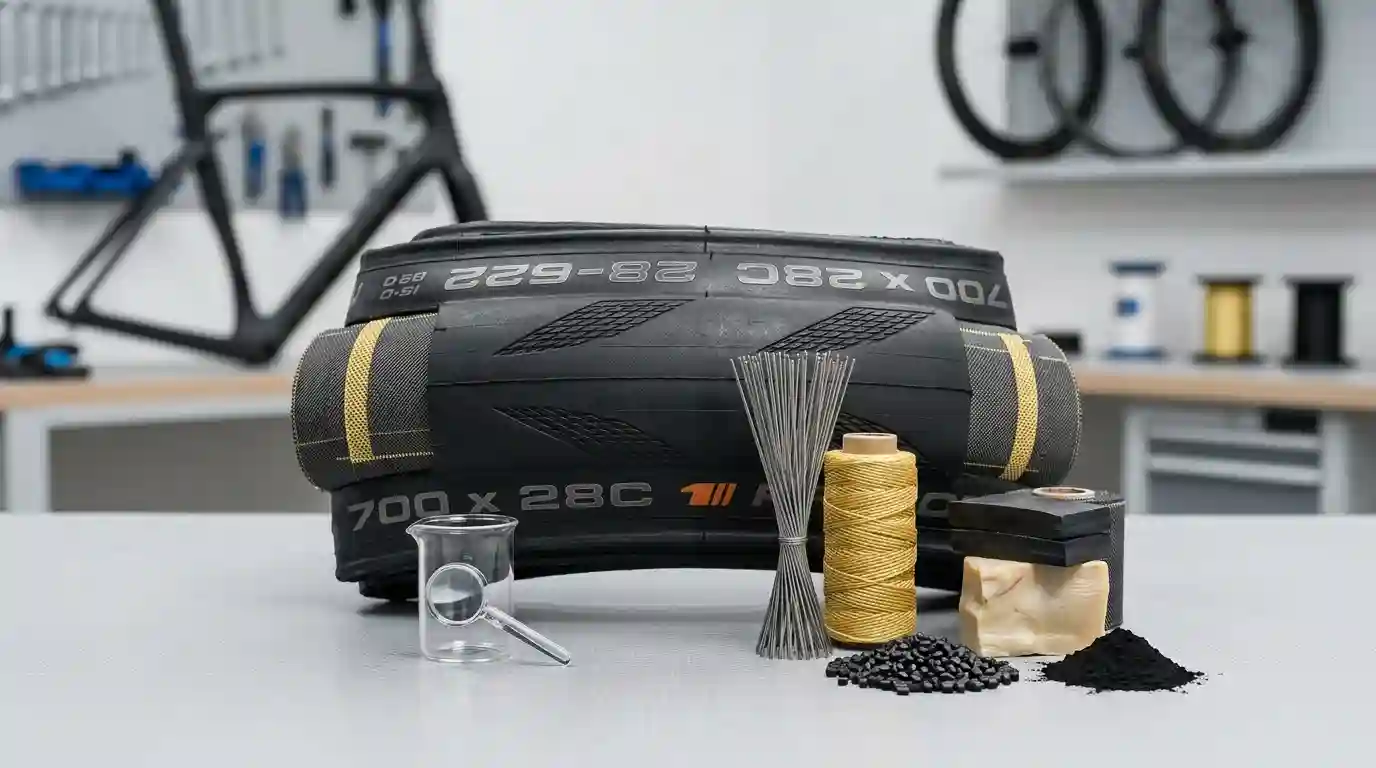
700c x 28c | 28 – 622 | Road Bikes / Commuters |
700c x 38c | 38 – 622 | Hybrid / Fitness Bikes |
650b x 47c (27.5″ x 1.85″) | 47 – 584 | Gravel / Urban Adventure
| 29″ x 2.25″ | 57 – 622 | Mountain / Off-Road Bikes |
+—————————–+————————-+—————————+
How Wide Should Everyday Bike Tires Be?
Tire width directly controls air volume, comfort, traction, and frame clearance.
- 28mm – 32mm Width: Ideal for smooth asphalt commuting, light road bikes, and fitness riding.
- 35mm – 40mm Width: The sweet spot for modern hybrid and urban bikes, balancing cushion, flat protection, and rolling speed.
- 42mm – 50mm (1.6″ – 2.0″) Width: Best for rough city streets, heavy loads, unpaved gravel, and e-bikes requiring high-volume stability.
Does a Wider Tire Ride Better?
Yes. Wider tires hold a larger volume of air, allowing you to run lower inflation pressures without increasing the risk of rim strikes or pinch flats (where the inner tube gets pinched between the rim and an obstacle).
Lower tire pressure allows the tire to flex and absorb road bumps, reducing vibrations sent to your hands, lower back, and arms.
+———————————————————————————–+
| FRAME CLEARANCE CHECKPOINTS |
+———————————————————————————–+
[ FORK CROWN ] |
|| |
| /—-+—-\ |
/ TIRE \ |
| [ LEFT CHAINSTAY ] <—- 4-6mm | PROFILE | 4-6mm —-> [ RIGHT CHAINSTAY ] |
\ / |
\—-+—-/ |
|| |
[ BRAKE BRIDGE ] |
+———————————————————————————–+
Safety Warning: Always ensure a minimum of 4mm to 6mm of clearance between the widest part of your tire casing and your frame’s fork crown, seatstays, chainstays, and mudguards.
Understand Bike Tire Tread Patterns
Tread design determines how your tire interacts mechanically with different riding surfaces.
TREAD DESIGN MATRIX
|
+———————————-+———————————-+
| |
v v
+———————————-+ +———————————-+
| SLICK TREAD | | KNOBBY TREAD |
———————————-+ +———————————-+
| • Maximum rubber on road surface | | • Knobs penetrate soft ground |
Ideal for smooth, dry asphalt | | • Clears mud and trail debris |
| • Lowest rolling drag on pavement| | • Higher drag & noise on road |
+———————————-+ +———————————-+
Slick vs. Semi-Slick Bike Tires
- Slick Tires: Feature smooth tread down the center and shoulders. Unlike automobile tires, narrow bicycle tires do not hydroplane on wet roads at cycling speeds (under 100 mph). Slick tires maximize road rubber contact for strong grip on dry or wet pavement.
- Semi-Slick Tires: Feature a smooth center band for fast rolling on straight paved roads, paired with raised side lugs that dig into loose dirt and gravel when the bike is leaned into corners.
Do You Need Knobby Tires for Everyday Riding?
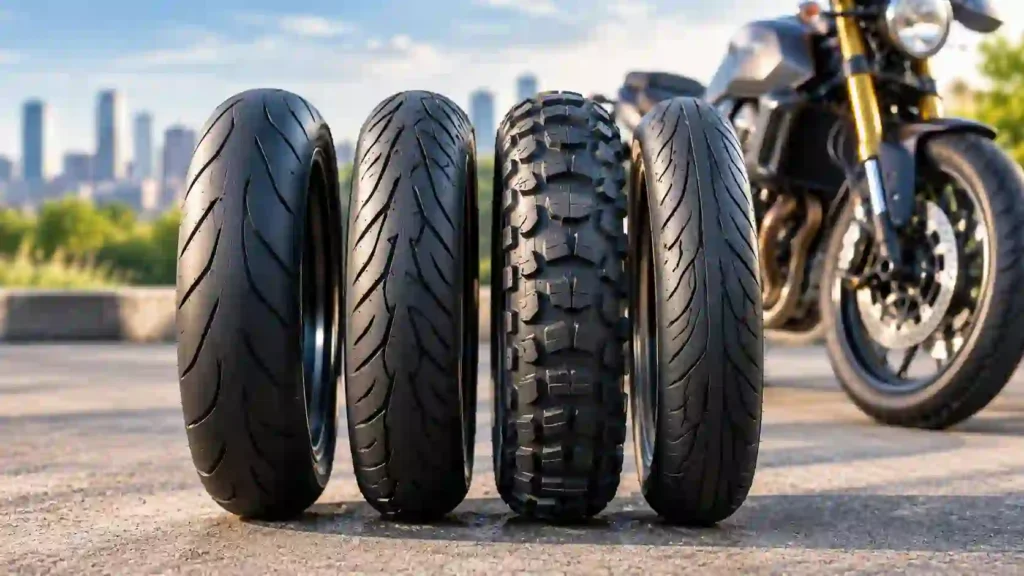
No. Deep, aggressive tread knobs are designed to dig into soft dirt, mud, and loose off-road terrain. On hard asphalt, large tread knobs deform and squirm under load, increasing rolling resistance, creating road noise, and reducing braking grip.
Unless your daily commute includes muddy trails or loose singletrack, choose slick or semi-slick tread patterns.
Consider Bike Tire Rubber Compound
The rubber compound is the chemical blend of natural and synthetic elastomers, polymers, carbon black, and silica used in the tread.
+———————————————————————————–+
| SHORE A DUROMETER HARDNESS RANGE |
+——————+————————+——————–+——————+
| DUROMETER RATING | RUBBER CHARACTERISTIC | PRIMARY BENEFIT | COMMUTE MATCH |
+——————+————————+——————–+——————+
45A – 55A | Soft Compound | Maximum Traction | Poor (Fast Wear) |
60A – 65A | Medium / Silica Blend | Balanced Grip/Life | Ideal Commuter |
70A – 80A | Hard Compound | Long Tread Life | Heavy Cargo/City |
+——————+————————+——————–+——————+
What Rubber Compound Is Best for Commuting?
Look for a dual-compound or silica-reinforced rubber formulation:
- Dual-Compound Construction: Uses a durable, low-rolling-resistance 65A/70A rubber along the center strip for long wear, paired with a softer 50A/55A rubber along the shoulder edges for cornering grip.
- Silica Additives: Silica filler particles enhance wet-weather rubber flexibility without softening the overall tread structure, allowing for strong braking grip on rain-slicked asphalt.
Choose the Right Tire Casing
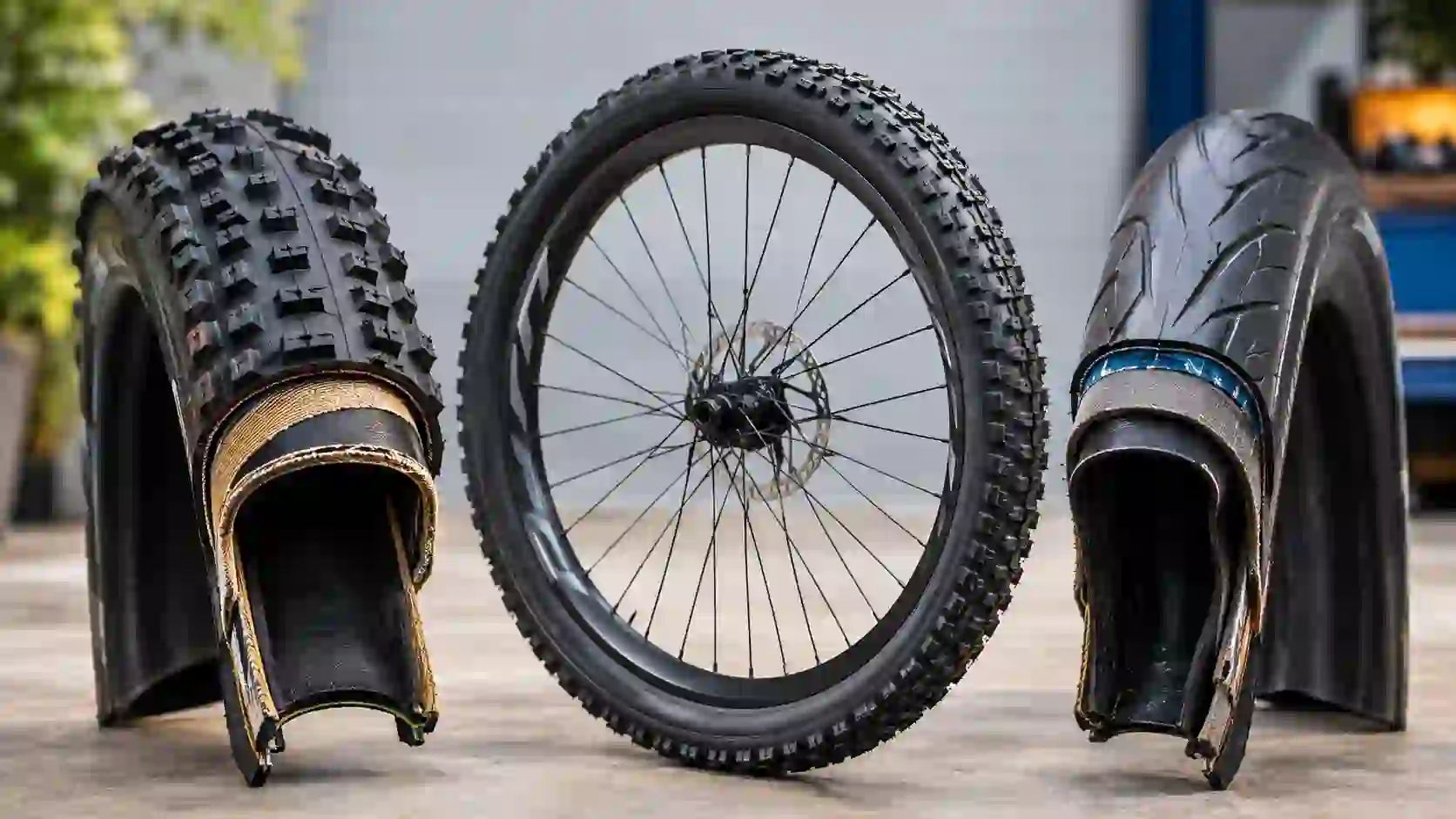
Beneath the outer rubber tread lies the tire casing—a woven fabric body made of nylon or cotton threads that gives the tire its structure.
+———————————————————————————–+
| CASING THREADS PER INCH (TPI) GUIDE |
+——————-+————————+——————+——————-+
| CASING TPI | THREAD DENSITY | RIDE FEEL | APPLICATION |
+——————-+————————+——————+——————-+
30 TPI – 60 TPI | Thick, Heavy Threads | Stiff, Protective| Urban / E-Bike |
120 TPI | Fine, Supple Threads | Smooth, Fast | Performance Comm. |
220 TPI – 320 TPI | Ultra-Fine Cotton/Silk | Plush, Fragile | Race Only |
+——————-+————————+——————+——————-+
What Casing Is Best for Everyday Riding?
A 60 TPI casing provides an ideal balance for daily riding. The thicker nylon threads resist sidewall cuts from sharp rocks and curbs while keeping the tire affordable and durable.
Longer daily commutes over rough pavement can benefit from a supple 120 TPI casing, which flexes more easily over road texture to improve comfort and cut down on rolling resistance.
Prioritize Puncture Protection for Daily Riding
Flat tires are the most common disruption on daily rides. Installing tires with built-in flat protection helps keep your commute on schedule.
+———————————————————————————–+
| CROSS-SECTION OF PUNCTURE PROTECTION |
+———————————————————————————–+
[ OUTER TREAD RUBBER (Contacts Road Debris) ] |
[ SUB-TREAD PROTECTION BELT (Aramid / High-Density Nylon Strip) ] |
[ WOVEN TIRE CASING (Structural Fabric Chamber) ] |
+———————————————————————————–+
Are Puncture-Protected Tires Worth It?
Yes. Adding a dedicated sub-tread puncture breaker increases the tire’s weight by only a few ounces, but it significantly reduces flat tires caused by glass shards, radial tire wire, and thorns.
What Is a Puncture Belt?
A puncture belt (or breaker layer) is a specialized protective strip embedded between the tread compound and the inner fabric casing:
- Aramid / Kevlar Belts: Lightweight, tightly woven synthetic aramid fibers that block sharp objects from penetrating the inner chamber.
- High-Density Nylon Strips: Flexible, cut-resistant woven nylon layers placed under the crown or extending from bead to bead to prevent sidewall slashes.
- Thick Elastomer Strips: Flexible 3mm to 5mm protective layers that absorb and push away sharp debris before it reaches the inner tube.
Choose the Right Tire Pressure (PSI)
Maintaining proper inflation pressure helps prevent pinch flats, lowers rolling drag, and improves cornering grip.
+———————————————————————————–+
| INFLATION PRESSURE TRADE-OFFS |
+———————————–+———————————————–+
| OVER-INFLATED TIRE (TOO HIGH) | UNDER-INFLATED TIRE (TOO LOW) |
+———————————–+———————————————–+
Harsh, vibrating ride quality | • High risk of rim strikes & pinch flats |
| • Reduced grip on rough pavement | • Excessive tread wear and rim squirm |
Bounces off obstacles | • Sluggish, heavy acceleration feel |
+———————————–+———————————————–+
Practical Tire Pressure Formula
Use this system weight formula to calculate a reliable baseline tire pressure:
BaseFrontPressure(PSI)=TotalSystemWeight(lbs)4.5WidthCorrectionFactor
Width Correction Factors:
- 28mm Road Casing: 1.35
- 35mm Hybrid Casing: 0.90
- 40mm Gravel Casing: 0.70
- 2.0″ MTB / E-Bike Casing: 0.50
BaseRearPressure(PSI)=BaseFrontPressure+5
Example Calculation: A 175 lb rider on a 25 lb commuter bike (200 lbs total system weight) equipped with 35mm hybrid tires:
BaseFront=2004.50.90=44.40.9040PSI
BaseRear=40+5=45PSI
+———————————————————————————–+
| RECOMMENDED EVERYDAY TIRE PRESSURE CHART (PSI) |
+——————–+——————+——————+————————+
| TOTAL WEIGHT (LBS) | 28MM ROAD TIRE | 35MM HYBRID TIRE | 42MM / 1.6″ URBAN TIRE |
+——————–+——————+——————+————————+
130 – 160 lbs | 60 – 68 PSI | 38 – 44 PSI | 28 – 34 PSI |
160 – 190 lbs | 68 – 76 PSI | 44 – 50 PSI | 34 – 40 PSI |
190 – 220 lbs | 76 – 84 PSI | 50 – 56 PSI | 40 – 46 PSI |
220+ lbs | 84 – 92 PSI | 56 – 62 PSI | 46 – 52 PSI |
+——————–+——————+——————+————————+
Featured Snippet: What Is the Best Bike Tire PSI?
The best bike tire PSI depends on rider weight, tire width, rim width, tire casing, terrain, and riding style. Use the manufacturer’s pressure range printed on the sidewall as your starting point.
Check Rim Width and Tire Compatibility
Pairing a tire with an incompatible rim profile distorts the tire casing, altering handling performance and sidewall stability.
+———————————————————————————–+
| RIM WIDTH VS TIRE CASING MATCHING |
+———————————————————————————–+
NARROW RIM (Tread Squished) | OPTIMAL MATCH (Light Bulb Shape) | OVERLY WIDE RIM |
( TIRE ) | / TIRE PROFILE \ | | TIRE | |
( ) | / \ | | | |
[____] | [__________________] | [________] |
Unstable cornering squirm | Maximum support & smooth grip | Exposed rim edge |
+———————————————————————————-+
RIM WIDTH COMPATIBILITY SPECIFICATIONS |
+—————————+—————————+—————————+
| INNER RIM WIDTH (MM) | MINIMUM SAFE TIRE WIDTH | MAXIMUM SAFE TIRE WIDTH |
+—————————+—————————+—————————+
17mm | 23mm | 32mm |
19mm | 25mm | 38mm |
21mm | 28mm | 45mm |
25mm | 35mm | 54mm (2.1″) |
+—————————+—————————+—————————+
Tubeless vs. Inner Tube for Everyday Riding
Riders must choose between traditional inner tubes or modern tubeless setups for daily reliability.
+———————————————————————————–+
| TUBELESS VS. INNER TUBE COMMUTER MATRIX |
+———————–+—————————-+——————————+
| SYSTEM FEATURE | INNER TUBE SYSTEM | TUBELESS SYSTEM |
+———————–+—————————-+——————————+
Initial Setup | Easy & Simple | Advanced (Tape, Sealant, Valves)|
Maintenance | Low (Inflate & Ride) | Medium (Top Up Sealant 3-6mo)|
| Pinch Flat Risk | High at Lower Pressures | Zero (No Tube to Pinch) |
Small Object Seals | No (Requires Tube Patch) | Automatic (Liquid Sealant) |
Total Cost | Low Initial Investment | Higher Setup Cost |
+———————–+—————————-+——————————+
Is Tubeless Better for Commuting?
Tubeless setups excel in areas with thorn problems (like goatheads in the US Southwest) or glass-littered routes. Liquid tubeless sealant automatically seals punctures up to 1/8inch (3mm) wide without losing significant air pressure.
However, if your bike sits unused for weeks at a time, sealant can dry out. Traditional inner tubes remain a reliable, low-maintenance option for riders who prefer straightforward roadside repairs.
Choose Tires Based on Your Type of Bike
BIKE TYPE SELECTION
|
+——————+—————+——————+
| | | |
v v v v
+—————+ +—————+ +—————+ +—————+
| ROAD BIKE | | HYBRID BIKE | | MOUNTAIN BIKE | | E-BIKE |
+—————+ +—————+ +—————+ +—————+
28mm – 32mm | | 35mm – 40mm | | 2.0″ – 2.25″ | | E-50 Rated |
Slick Tread | | Semi-Slick | | Micro Knobs | | Thick Casing |
| 120 TPI | | 60 TPI | | Dual Compound | | High Weight |
+—————+ +—————+ +—————+ +—————+
Road Bikes
For everyday road riding, move up from narrow 23mm or 25mm tires to 28mm or 32mm options (if your frame allows). High-volume road tires lower rolling drag on real-world rough asphalt while providing superior braking traction.
Hybrid and Fitness Bikes
Hybrid bikes typically use 700c wheels with clearance for 35mm to 42mm tires. A semi-slick tire with a central sub-tread puncture belt offers a reliable mix of speed, comfort, and flat protection for city routes.
Mountain Bikes
If you ride an MTB primarily on city streets, replace aggressive trail tires with short-knob multi-surface options or smooth 2.0-inch commuter slicks. This change significantly reduces pedaling drag and road noise.
E-Bikes
Electric bicycles generate high continuous motor torque and carry heavier overall weight (often 50 to 70 lbs). Choose tires explicitly carrying an ECE-R75 approval rating or E-50 certified rating, featuring reinforced casings and dense rubber formulations to handle the added forces.
How Weather Should Affect Your Tire Choice
Riding year-round requires adapting your tire setup to seasonal weather changes.
+———————————————————————————–+
| RAINY WEATHER RIDING READINESS |
+———————————————————————————–+
[ Reduce Inflation Pressure by 5-8 PSI ] –> (Enlarges Wet Rubber Contact Patch) |
[ Select High-Silica Rubber Compound ] –> (Maintains Elasticity on Cold Asphalt)|
[ Avoid Slick Metal Plates & White Paint ] –> (Prevents Sudden Friction Loss) |
+———————————————————————————–+
Best Tires for Rain
- Silica Rubber Compounds: Look for tires explicitly advertising silica tread formulations, which remain soft and flexible on cold, wet road surfaces.
- Micro-Siping Tread: Fine surface slits in the tread help channel away surface film, improving grip on slick asphalt.
- PSI Reduction: Lowering your tire pressure by 5to8PSI in rainy weather increases the tread contact footprint, improving cornering and braking traction.
How to Balance Speed, Comfort, and Durability
Optimizing your everyday setup comes down to tailoring your tires to your specific commute length and road conditions.
+———————————————————————————–+
| COMMUTE TYPE OPTIMIZATION GUIDE |
+———————–+————————–+——————————–+
| COMMUTE CATEGORY | TIRE TARGET SPEC | PRIMARY GOAL |
+———————–+————————–+——————————–+
Short City (< 5 Mi) | 38mm Hard Compound 30TPI | Maximum Flat Protection |
Medium Mixed (5-12 Mi)| 35mm Semi-Slick 60TPI | Balanced Speed & Comfort |
Long Distance (12+ Mi)| 32mm Supple Casing 120TPI| Efficiency & Vibration Cushion |
+———————–+————————–+——————————–+
Common Bike Tire Buying Mistakes
- Buying Purely for Low Weight: Ultra-light race tires lack puncture belts, leading to frequent flat tires from glass and debris.
- Choosing Oversized Tires Without Measuring: Installing tires that are too wide for your frame can rub against your chainstays or mudguards, damaging both the frame and the tire.
- Over-Inflating to Sidewall Max Pressure: Inflating tires to the maximum PSI printed on the sidewall creates a harsh, uncomfortable ride and reduces traction on rough pavement.
- Ignoring Rim Width Compatibility: Mounting wide 45mm tires on narrow 15mm rims causes sidewall squirm and unstable handling during cornering.
How to Compare Everyday Bike Tires
When evaluating tires from different brands, compare these technical specifications:
+———————————————————————————–+
| TIRE EVALUATION CHECKLIST |
+———————-+—————————–+——————————+
| EVALUATION METRIC | PREFERRED SPECIFICATION | WHAT IT DELIVERS |
———————+—————————–+——————————+
Tread Construction | Dual-Compound or Silica | Fast Center / Grippy Corner |
Puncture Breaker | Aramid / High-Density Nylon | Glass & Thorn Defense |
| Casing Density | 60 TPI to 120 TPI | Supple Ride / Durability |
Bead Type | Folding Kevlar Bead | Lighter Weight / Easy Mounting|
+———————-+—————————–+——————————+
People Also Ask About Everyday Bike Tires
What Is the Best Bike Tire for Everyday Riding?
There is no single best tire for every rider. A 35mm to 38mm semi-slick tire with an aramid puncture belt and a 60 TPI casing offers an ideal balance of speed, comfort, and flat protection for most commuters.
Are Wider Bike Tires Better for Everyday Riding?
Yes. Wider tires hold more air volume, allowing for lower inflation pressures that absorb road vibrations and improve rider comfort without increasing rolling resistance.
Are Slick Tires Good for Commuting?
Yes. Smooth slick tires maximize rubber contact on paved streets, providing lower rolling resistance and strong braking grip on dry and wet roads.
How Often Should You Replace Bike Tires?
Inspect your tires regularly. Replace them when the center tread flattens out, when inner puncture belts become visible, or if you notice cracking along the sidewalls.
Should I Use Tubeless Tires for Daily Riding?
Tubeless setups work well for riders dealing with frequent thorn or glass punctures. However, inner tubes remain a simple, low-maintenance option for riders who prefer straightforward repairs.
What PSI Is Best for a Commuter Bike?
The right PSI depends on total system weight and tire width. Most everyday hybrid tires (35mm–38mm) run best between 40and55PSI.
Frequently Asked Questions
What Size Bike Tires Are Best for Everyday Riding?
A width between 32mmand40mm works best for everyday riding, providing enough cushion to absorb potholes while keeping rolling drag low.
Are Puncture-Proof Bike Tires Worth It?
Yes. Puncture-resistant tires feature tough sub-tread belts that prevent glass and thorns from reaching the tube, helping you avoid inconvenient flats on your daily commute.
Do Bike Tires Need Tread for Road Riding?
No. Smooth rubber provides better grip on hard, flat pavement than knobby tread because it maximizes the tire’s contact patch with the road.
How Does Rim Width Affect Bike Tire Choice?
Rim width shapes the tire casing profile. Matching your tire width to a compatible inner rim width keeps the sidewalls stable and improves handling.
Is Higher TPI Better for Everyday Tires?
Not necessarily. While 120 TPI casings offer a smoother, faster ride, 60 TPI casings use thicker nylon threads that provide better cut and abrasion resistance for tough city conditions.
What Is the Best Tire for Gravel and Road Riding?
A 38mmto42mm semi-slick gravel tire with a smooth center band and shoulder knobs rolls fast on pavement while providing confidence on unpaved gravel paths.
Can I Put Any Tire on an E-Bike?
No. E-bikes require durable, ECE-R75 certified tires designed to handle higher speeds, heavier bike weights, and strong motor torque.
How Do I Know When My Bike Tires Are Worn Out?
Replace your tire if you notice a flat spot along the center tread, visible casing threads, deep sidewall cuts, or dry-rot cracking in the rubber.
Final Verdict: Choosing the Right Everyday Bike Tires
Selecting the ideal everyday bike tire comes down to matching your equipment to your actual riding conditions:
- Match Tire Width to Your Frame: Choose the widest tire your frame, fork, and mudguards can safely accommodate.
- Prioritize Built-In Puncture Protection: Look for tires with integrated aramid or high-density nylon sub-tread belts to prevent flat tires.
- Select Tread Based on Terrain: Stick with slick or semi-slick tread patterns for pavement, saving knobby designs for loose soil and mud.
- Dial In Your Tire Pressure: Calculate your baseline PSI using total system weight rather than filling tires to the maximum pressure listed on the sidewall.
Find Your Ideal Tire and PSI Setup
Ready to upgrade your commute with the perfect tire size and inflation pressure?
- Use our Free Bike Tire Pressure Calculator at TheBikeTires.com to find your exact baseline PSI based on your weight, tire width, and surface conditions.
- Explore our Tire Finder Tool to compare tire widths, puncture protection layers, and rubber compounds tailored to your bike setup.

Mohidul Islam is a leading cycling technology specialist and bike tire consultant with over 15 years of hands-on experience in the bicycle industry. He holds a Bachelor of Science in Mechanical Engineering from Penn State University, where he focused heavily on material science, tread mechanics, and rubber compound performance. Over the past decade and a half, Alex has conducted extensive field testing, tubeless setup evaluations, and tire pressure modeling for road, mountain, and e-bikes. His practical insights and data-driven approach help cyclists of all levels optimize grip, speed, and durability on every ride.