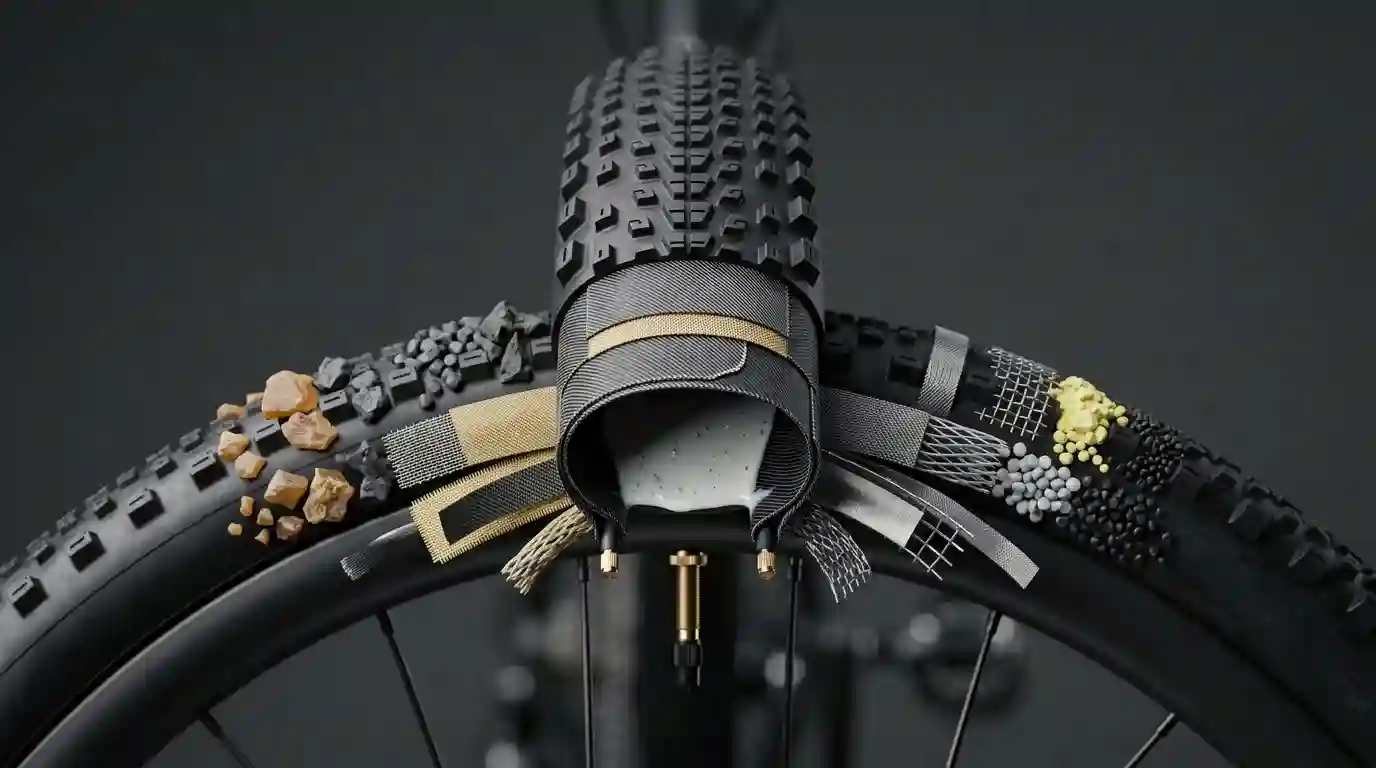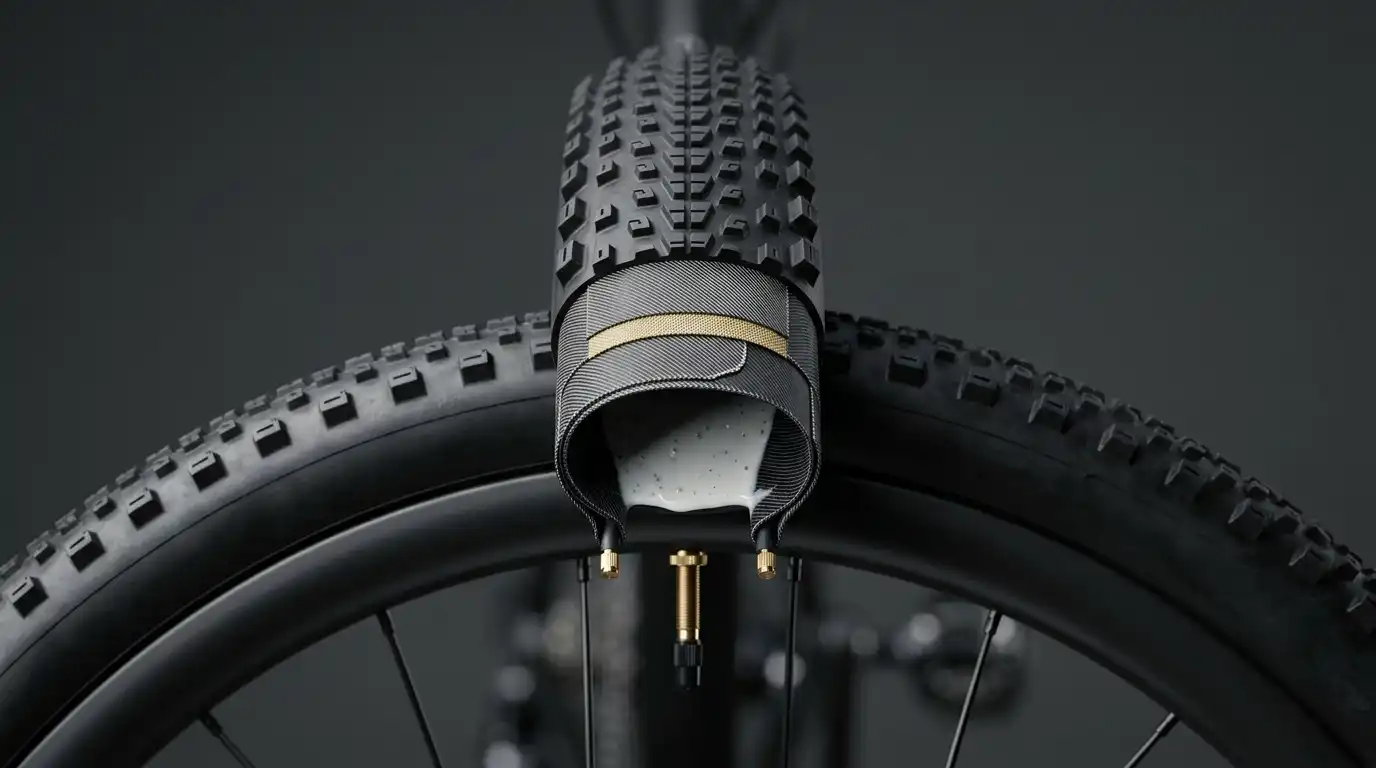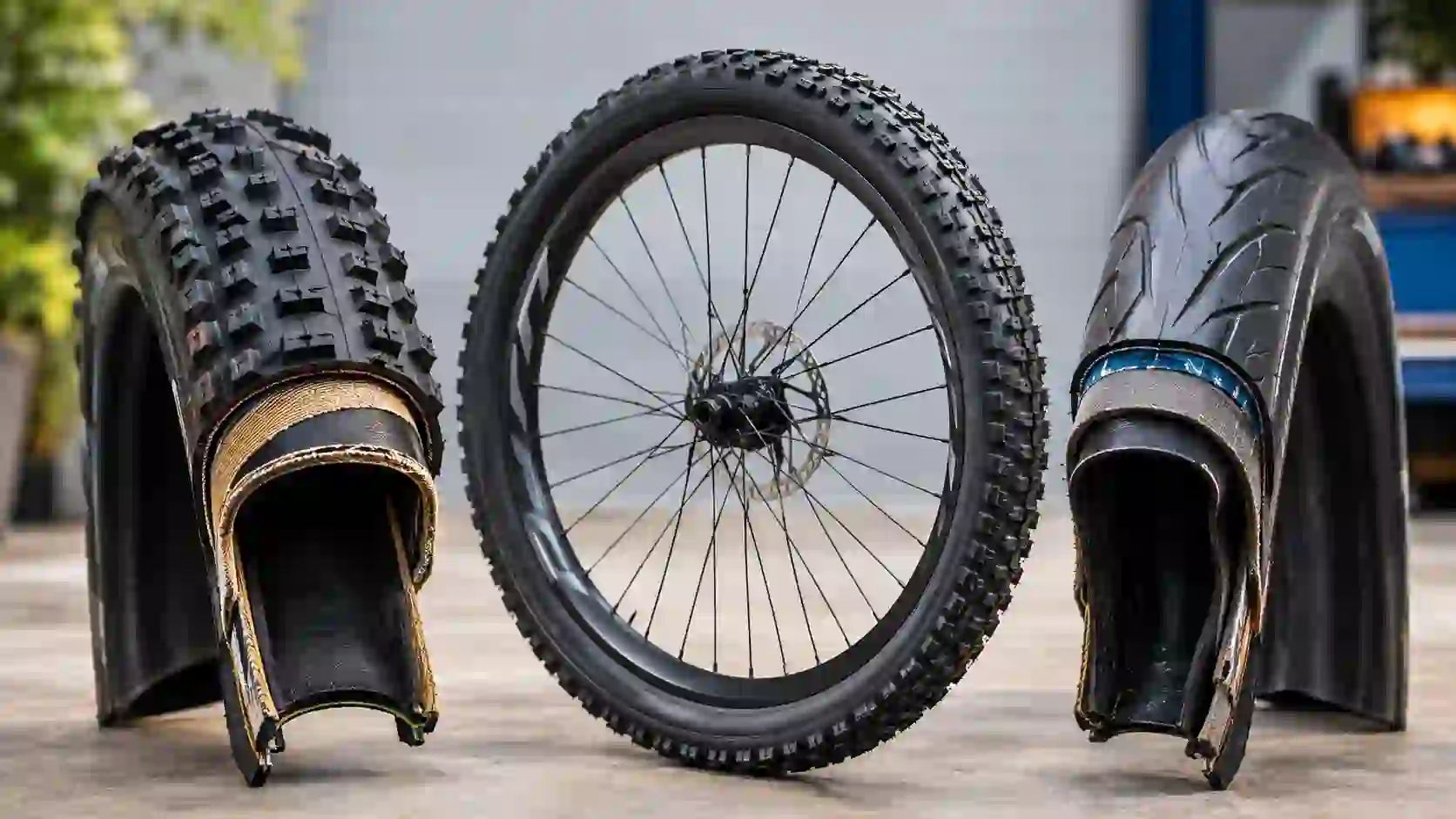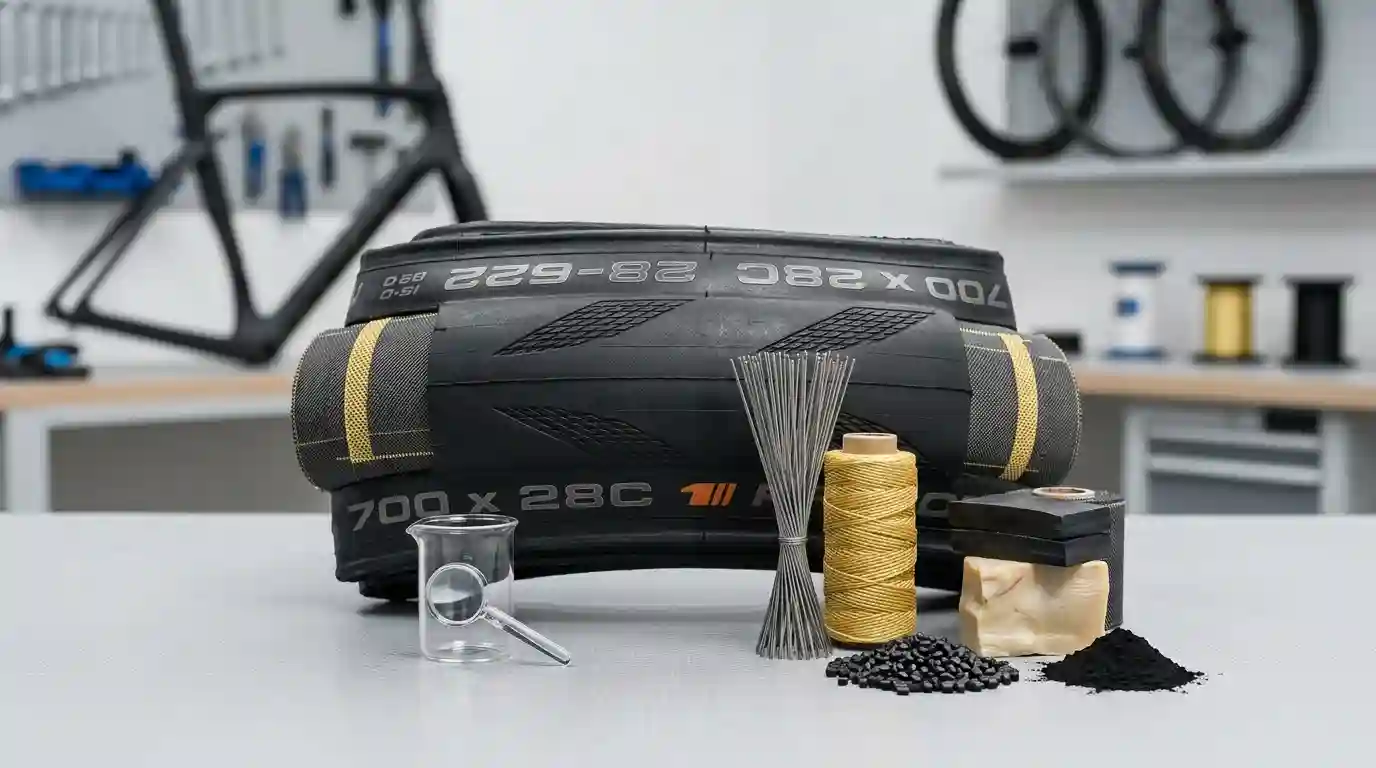
Upgrading to wider tires is one of the most effective ways to transform your ride. Whether you want to absorb road chatter on cracked city streets, gain cornering traction on loose Southwestern trails, or prevent frequent pinch flats, swapping to a high-volume tire delivers immediate performance gains. However, changing tire width introduces critical mechanical factors that directly impact safety, speed, and handling.
While wider tires can often be fitted to existing frames, you must ensure that your inner rim width, frame clearance, fork clearance, and wheel size align perfectly. Selecting the right tire involves more than matching the wheel diameter—never choose a wider tire based on wheel size alone.
Changing your tire width modifies your tire’s profile, pneumatic absorption, and contact patch. Understanding these dimensions ensures you get the benefits of lower rolling resistance and enhanced cornering traction without risking tire rub or frame damage.
Can I Use Wider Tires on My Bike?
Quick Answer: Can I Use Wider Tires on My Bike?
Yes, you can often use wider tires on a bike if the new tire fits the wheel, rim, frame, fork, brakes, and manufacturer-approved clearance limits. Wider tires can improve comfort and grip, but they may change handling and require lower tire pressure (PSI).
- Check Size: Match your current tire size and identify your target tire’s actual width.
- Verify Rims: Confirm your wheel’s recommended inner rim width range.
- Measure Space: Measure physical clearance at the frame, fork, and brakes before buying or installing new rubber.
+———————————————————————–+
WIDER TIRE FITMENT VERIFICATION |
|
[ Bead-Seat Diameter ] –> Must match wheel size (e.g., 622 mm) |
[ Inner Rim Width ] –> Must support the wider tire profile |
| [ Frame & Fork Space ] –> Requires minimum 4 mm to 6 mm gap |
| [ Brake Clearance ] –> Clear calipers, bridge, and fenders |
+———————————————————————–+
When Can You Safely Use a Wider Tire?
You can safely mount a wider tire when:
- The new tire has the exact same bead-seat diameter (e.g., ISO 622 for 700c/29er) as your current wheel.
- The internal rim width supports the casing volume without creating a bulbous shape.
- There is sufficient physical clearance around the frame stays, fork legs, brake calipers, and fenders.
When Should You Avoid a Wider Tire?
You should avoid going wider if:
- The casing would rub against the frame, fork, or front derailleur clamp under wheel flex.
- The tire width exceeds the rim manufacturer’s approved compatibility chart.
- The wider setup restricts mud clearance or compromises safe wheel rotation.
What Determines the Maximum Tire Width for Your Bike?
┌─────────────────────────────────────────────────────────────────┐
│ CRITICAL FITMENT DETERMINANTS │
├──────────────────┬──────────────────────────────────────────────┤
│ Frame Clearance │ The primary physical limit on most bikes │
Rim Width │ Dictates casing support and tire shape │
Fork Arch │ Restricts top and side casing height │
│ Brakes & Drive │ Calipers, chainstays, and derailleur clamps │
└──────────────────┴──────────────────────────────────────────────┘
Frame Clearance
Frame clearance is often the biggest physical limitation when sizing up tires. The narrowest sections usually occur between the chainstays behind the bottom bracket and between the seatstays near the rear brake bridge.
Rim Width
Your wheel’s inner rim width directly dictates the tire’s mounted shape and sidewall support. Mounting a wide tire on a narrow rim causes the casing to “lightbulb,” creating an unstable feel in corners.
Brake, Fork, Drivetrain, and Fender Clearance
Brake components, fork crowns, front derailleur clamps, and full-coverage fenders all restrict maximum tire volume. Rim-brake calipers limit vertical and lateral room, whereas disc brakes shift the main restriction to the frame stays and fork arch.
How Much Wider Can I Go?
PAA Target: How much wider tires can I put on my bike?
There is no universal maximum width for every bike. Most road, gravel, and mountain bike frames can safely accommodate tires 2 mm to 4 mm wider (or 0.1″ to 0.2″ off-road) than the stock factory size, provided you maintain at least 4 mm to 6 mm of clear space for wheel flex and debris. Always measure the actual tire casing rather than relying solely on the printed label.
Common Tire Width Upgrades
- Road Bikes: Upgrading from 25 mm to 28 mm, or from 28 mm to 0/2 mm for added vibration absorption.
- Gravel Bikes: Stepping up from 8 mm to 42 mm (or 45 mm) to handle rocky trails and loose gravel.
- Mountain Bikes: Sizing up from 2.2″ to 2.4″ casings to increase grip and lower safe operating PSI.
COMMON TIRE WIDTH UPGRADE PATHS
ROAD [ 25 mm ] ────────────► [ 28 mm – 2 mm ]
GRAVEL [ 8 mm ] ────────────► [ 42 mm – 45 mm ]
MTB [ 2.2″ ] ────────────► [ 2.4″ – 2.6″ ]
Why Labeled Width Is Not Always Actual Width
A tire’s printed sidewall size is an estimate. Actual mounted width varies based on:
- Internal Rim Width: Wider rims spread the tire beads apart, increasing mounted casing width.
- Casing Construction: High casing TPI supple tires stretch more than rigid, thick-walled tires.
- Manufacturing Tolerances: Variations between tire brands can cause 1 mm to mm of variance from labeled specs.
How to Measure Your Bike Before Installing Wider Tires
Step-by-Step Measurement Guide
- Measure Current Casing: Inflate your current tire to normal pressure and measure the widest point with digital calipers.
- Measure Frame & Fork Gaps: Insert Allen keys (4 mm, 5 mm, 6 mm) between the tire and frame/fork to measure remaining clearance.
- Check Internal Rim Width: Look up your rim’s specs or remove the tire to measure the internal distance between rim hooks.
- Review Factory Specs: Check your bicycle manufacturer’s maximum recommended tire width.
- Compare Dimensions: Ensure your new tire’s estimated inflated width preserves at least 4 mm to 6 mm of space.
CLEARANCE MEASUREMENT
/───── FORK ARCH ─────\
│ │
│ ◄── 4-6mm GAP ──► │
┌───────────┐ │
│ TIRE │ │
└───────────┘ │
◄─── 4-6mm GAP ───► │
└── FORK LEGS / STAYS ──┘
Measure Existing Tire Width
Inflate your existing tire to your typical riding pressure. Use a vernier caliper to record the maximum width across the side knobs or casing shoulders. Note the printed sidewall numbers (e.g., 28-622 or 29 × 2.) as your baseline reference.
Measure Frame Clearance
Check all tight spots: chainstays, seatstays, fork legs, fork crown, and front derailleur body. Remember to include fenders in your calculations if you run them. Account for extra space if you ride in muddy conditions like Pacific Northwest singletrack.
Check the Manufacturer’s Specifications
Review your frame owner’s manual for maximum tire clearance ratings. Manufacturer specifications provide safe limits that factor in frame flex under pedaling loads.
Does Rim Width Matter for Wider Tires?
PAA Target: Can I put wider tires on the same rims?
Yes, you can put wider tires on your existing rims as long as the tire width falls within the rim manufacturer’s approved rim-width range. Mounting a tire that is too wide for a narrow rim causes excessive sidewall flexing and unstable cornering, while a rim that is too wide flattens the tread profile.
NARROW RIM + WIDE TIRE OPTIMAL MATCH
(Unstable “Lightbulb”) (Supported Sidewalls)
/───────────\ /───────────\
( TIRE ) │ TIRE │
\ / \ /
└───┐ ┌──┘ └───┐ ┌──┘
│ │ │ │
Narrow Rim Matching Rim
– Lateral squirm in corners – Predictable traction
– Increased rim strike risk – Stable sidewall support
Internal Rim Width Compatibility
Matching your inner rim width to your casing width ensures the tread profile sits as the tire designer intended.
| Internal Rim Width | Safe Road Tire Range | Safe Gravel Tire Range | Safe MTB Tire Range |
| 17 mm – 19 mm | 2 mm – 28 mm | 28 mm – 2 mm | Not Recommended |
| 21 mm – 2 mm | 28 mm – 4 mm | 2 mm – 45 mm | 2.0″ – 2.25″ |
| 25 mm – 0 mm | 0 mm – 8 mm | 8 mm – 50 mm | 2.” – 2.6″ |
Tire Profile and Handling
A tire mounted to an appropriate rim width forms a stable round or slightly oval casing profile. Proper rim support prevents squirming during hard cornering and protects against pinch flats.
Hooked vs. Hookless Rims
- Hooked Rims: Use an internal lip to hold tire beads at higher pressures.
- Hookless Rims: Feature straight sidewalls requiring hookless-approved tubeless tires. They carry a strict maximum inflation limit of 7 PSI (5.0 bar). Never use non-approved tubeless or standard tube-type tires on hookless rims.
How Wider Tires Affect Tire Pressure
Quick Summary: Tire Pressure Adjustments
Wider tires hold more air volume, allowing them to run safely at lower pressures than narrower tires. The ideal tire pressure (PSI) depends on tire size, internal rim width, total system weight, casing suppleness, and terrain.
PSI ADJUSTMENT MATRIX
INCREASE PSI FOR: DECREASE PSI FOR:
• Narrower tire width • Wider casing volume
Higher system weight • Lower rider load
• Inner-tube setups • Tubeless setups
Smooth pavement • Rough trails / gravel
Do Wider Tires Need Lower PSI?
Yes. Because wider casings hold a larger volume of air, they support the same load at lower pressures without bottoming out on the rim. Lower PSI improves ride comfort, increases tire contact patch, and lowers rolling resistance over rough surfaces.
How Rider Weight Affects PSI
Your tire pressure must be calibrated to your total system weight (rider + bike + cargo). The rear tire carries approximately 60% of the load and requires higher pressure than the front tire.
Baseline Tire Pressure Chart (System Weight: ~180 lbs / 82 kg)
| Cycling Discipline | Tire Size | Setup Type | Front Pressure | Rear Pressure |
| Road Bike | 700 × 28c | Tube-Type | 68 PSI | 72 PSI |
| Road Bike | 700 × 28c | Tubeless | 60 PSI | 64 PSI |
| Gravel Bike | 700 × 40c | Tubeless | PSI | 6 PSI |
| MTB Trail | 29 × 2.4″ | Tubeless | 22 PSI | 24 PSI |
| E-Commuter | 27.5 × 2.2″ | Tube-Type | 42 PSI | 46 PSI |
How to Find Your Ideal Starting PSI
Start with manufacturer pressure guidelines. Test your setup on familiar terrain and adjust in 1 to 2 PSI increments. If the tire squints or feel unstable during turns, increase pressure slightly. If the ride feels harsh over bumps, decrease pressure slightly.
Are Wider Bike Tires Faster?
PAA Target: Are wider bike tires slower?
No, wider bike tires are not automatically slower. While wider tires add a small amount of rotational weight and aerodynamic drag, they often roll faster on real-world surfaces because lower pressures allow the tire to deform over bumps rather than transferring vibration into the rider.
REAL-WORLD ROLLING SPEED
HIGH PRESSURE / NARROW TIRE OPTIMAL PRESSURE / WIDE TIRE
(Bounces off road chatter) (Deforms over imperfections)
▲ Impact deflection ─► Forward momentum
╱ ─────────────────────
───┴──/\─/\──/────────────── ───┴────────────────────────
Wider Tires and Rolling Resistance
Rolling resistance depends heavily on casing flexibility, rubber compound, and inflation pressure rather than casing width alone. A supple, wide tire operating at optimal PSI absorbs road imperfections, conserving forward momentum.
Wider Tires on Smooth Roads
On smooth asphalt, narrower tires offer minor aerodynamic and weight advantages. However, as road conditions deteriorate, the vibration-damping benefits of wider casings generally outweigh aerodynamic losses.
How Wider Tires Affect Comfort and Grip
Comfort
Increasing tire volume gives you a larger air cushion. Running wide casings at reduced pressure isolates you from high-frequency road buzz and trail impacts, reducing fatigue on long rides.
Cornering Grip
Wider tires create a broader, more stable contact patch with the road or trail surface. Combined with softer compound side knobs, wider tires offer predictable leaning traction through corners.
NARROW TIRE FOOTPRINT WIDE TIRE FOOTPRINT
┌─────┐ ┌─────────┐
│ │ │ │
│ │ │ │
└─────┘ └─────────┘
Long & Narrow Patch Short & Wide Patch
– Sudden traction loss – Progressive cornering grip
Wet and Loose-Surface Traction
When riding on wet asphalt, unpaved gravel, or loose soil, tread pattern and casing flexibility become key. Tread designs with center ridges roll smoothly, while aggressive shoulder knobs bite into loose cornering surfaces.
Should I Use Wider Tires on a Road Bike?
Modern endurance road bikes are designed around wider tire clearance than older rim-brake models.
ROAD TIRE WIDTH & CLEARANCE COMPARISON
ERA MAX WIDTH BRAKE LIMITATION PRIMARY BENEFIT
────────────────────────────────────────────────────────────────────────
Classic Road 2 mm – 25 mm Short-reach caliper Maximum aerodynamic speed
Modern Road 28 mm – 2 mm Disc brake clearance Low rolling resistance & comfort
All-Road 5 mm – 8 mm Wide fork/frame arch Pavement to dirt versatility
25 mm to 28 mm Upgrades
Switching from 25 mm to 28 mm is a popular upgrade for road cyclists. It fits most modern frames and provides a smoother ride over rough pavement without sacrificing speed.
28 mm to 0–2 mm Upgrades
Moving up to 0 mm or 2 mm tires creates an “all-road” setup ideal for chip-seal roads and light gravel connectors. Verify frame clearance around your brake bridge and front derailleur before making this jump.
Wider Road Tires and Aerodynamics
To maintain optimal aerodynamic efficiency, your front rim’s external width should ideally be equal to or slightly wider than your mounted tire’s actual width (the “105% Rule”).
Should I Use Wider Tires on a Mountain Bike?
Mountain bike tire selection depends on your terrain, riding style, and rim profile.
MTB TIRE WIDTH CATEGORIES
CROSS-COUNTRY (XC) TRAIL / ENDURO DOWNHILL (DH)
2.2″ – 2.5″ 2.4″ – 2.5″ 2.4″ – 2.6″
Lightweight Casing Reinforced Sidewall Heavy-Duty Casing
Fast Acceleration Balanced Traction Maximum Impact Protection
Cross-Country (XC)
XC riders typically use 2.2″ to 2.5″ tires to keep weight low and acceleration snappy.
Trail and Enduro
Trail and Enduro riders lean toward 2.4″ to 2.6″ tires. These wider casings provide strong cornering support and accommodate reinforced sidewall layers.
Downhill (DH)
Downhill setups use heavy-duty 2.4″ to 2.6″ casings with reinforced sidewalls (e.g., 60 TPI dual-ply construction) to absorb high-speed rock strikes and resist pinch flats.
Should I Use Wider Tires on a Gravel Bike?
Gravel riding highlights the trade-offs between speed, comfort, and traction.
FAST GRAVEL SETUP ROUGH GRAVEL SETUP
/───────────────\ /───────────────\
700 × 8c │ │ 700 × 45c │
Semi-Slick │ │ Knobby Tread │
│ High TPI │ │ Reinforced │
\───────────────/ \───────────────/
– Low rolling drag – Max rock protection
– Fast on hardpack – Off-road traction
Fast Gravel
For smooth hardpack dirt and pavement connectors, a 8 mm to 40 mm semi-slick tire offers low rolling resistance and nimble handling.
Rough Gravel
For coarse ballast, rocky fire roads, and singletrack, sizing up to 42 mm to 45 mm (or a 650b × 47c setup) provides needed volume to absorb trail chatter and protect rims.
Should I Use Wider Tires on an E-Bike?
Electric bicycles place distinct demands on tires due to their higher weight, sustained speeds, and electric motor torque.
E-BIKE FORCE & LOAD FACTORS
HIGH SYSTEM WEIGHT INSTANT E-BIKE TORQUE
│ │
▼ ▼
Heavy casing required Durable compound needed
(Prevents rim bottoming) (Prevents rapid tread wear)
│ │
└─────────────────┬─────────────────┘
│
▼
USE E-50 / E-25 RATED TIRES
E-Bike Tire Load Ratings
Select tires explicitly rated for e-bike usage (E-25 or E-50 ratings). These tires feature reinforced casings and durable rubber compounds designed to handle high torque and heavier loads.
E-Bike Pressure
Due to elevated vehicle weight, e-bikes usually require higher pressures than standard bicycles to prevent rim strikes and protect wheel structures.
How Wider Tires Affect Tread and Casing Choice
Tread Pattern
- Slick Tread: Best for smooth asphalt, offering maximum contact area and low drag.
- Semi-Slick: A fast center tread combined with raised shoulder knobs for asphalt-to-dirt versatility.
- Knobby Tread: Deep lugs designed to cut into loose dirt, mud, and gravel off-road.
SLICK TREAD SEMI-SLICK AGGRESSIVE KNOBBY
┌─────────┐ ┌─────────┐ ┌───┐ ┌───┐
│ │ │░░░░░░░░░│ │ │ │ │
─┴─────────┴─ ─┴─────────┴─ ─┴───┴───┴───┴─
Smooth Asphalt Paved + Hardpack Mud, Loose Dirt & Rocks
Casing TPI (Threads Per Inch)
- High TPI (120 TPI): Uses fine threads to create a supple casing that flexes easily, lowering rolling resistance and improving comfort.
- Low TPI (0–60 TPI): Uses thicker nylon threads to construct a durable, puncture-resistant sidewall ideal for heavy commuting and rough trails.
Puncture Protection Belts
Sub-tread puncture layers (such as Kevlar or woven nylon belts) guard against sharp debris. While they add weight, they offer valuable protection for daily commuters and long-distance touring riders.
Wider Tires and Tubeless Setups
Benefits of Going Wider and Tubeless
Pairing wide tires with a tubeless setup allows you to lower tire pressure without risking pinch flats. Liquid tubeless sealant automatically coats and seals small tread punctures while you ride.
INNER TUBE SETUP TUBELESS SETUP
/───────────\ /───────────\
│ /───────\ │ │ LIQUID │
│ │ TUBE │ │ │ SEALANT │
\───────/ │ │ ~~~~~~~ │
\─────┬─────/ \─────┬─────/
│ Valve │ Airtight Valve
▼ ▼
– Prone to pinch flats – Self-seals small punctures
– Easy roadside repair – Allows lower working PSI
What You Need for a Tubeless Upgrade
To set up tubeless tires safely, confirm you have:
- Tubeless-Ready (TR) rims and matching tubeless tires.
- High-pressure tubeless rim tape wrapped evenly across the rim bed.
- Airtight tubeless valve stems with removable cores.
- Fresh liquid tubeless sealant.
Common Tubeless Installation Issues
- Bead Leaks: Caused by uneven rim tape or incomplete bead seating.
- Insufficient Sealant: Sealant dries out over to 6 months and must be replenished.
- Tire Burping: Occurs when tire pressure is too low for the rim width, allowing air to escape during heavy cornering.
How to Install Wider Tires Safely
Safe Installation Checklist
- Confirm that your tire matches your wheel’s exact bead-seat diameter.
- Verify that your inner rim width supports the new casing dimension.
- Inspect rim tape for tears or gaps.
- Mount the first tire bead into the rim center channel.
- Insert an appropriately sized inner tube or tubeless valve.
- Work the second bead over the rim wall by hand.
- Inflate gradually until the tire bead snaps evenly onto the rim shelf.
- Check frame, fork, brake, and drivetrain clearances.
- Set your target PSI and test ride in a controlled area.
BEAD SEATING IN RIM CHANNEL
INCORRECT (Bead on Edge) CORRECT (Bead in Center)
├──┐ ┌──┤ ├──┐ ┌──┤
│ │█ █│ │ │ │ │ │
│ └─────┘ │ │ └─███─┘ │
└───────────┘ └───────────┘
Hard to push over rim Easiest installation depth
Installing With an Inner Tube
Match your inner tube size range to your new tire casing. Avoid over-stretching a narrow tube inside a wide casing, which thins the butyl rubber and increases puncture vulnerability.
Installing Tubeless Setups
Ensure the rim bed is clean before applying tubeless tape. Seat the tire beads using a high-volume floor pump or air compressor before adding liquid sealant through the valve stem.
Signs Your Wider Tire Does Not Fit
SIGNS YOUR TIRE IS TOO LARGE
[!] Casing rubber contacts the chainstays, fork legs, or brake bridge
[!] Debris and mud jam immediately in the frame gap
[!] Pedaling flex causes tire sidewalls to rub the frame
[!] Tire squirm or lateral instability occurs in turns
The Tire Rub
If you hear persistent rubbing or notice wear marks on your frame paint or fork lower, your tire is too wide for your setup. Discontinue use immediately to prevent frame damage.
Poor Tire Profile
A tire mounted on a rim that is too narrow takes on a bulbous shape that sways under cornering loads. Conversely, a tire mounted on an overly wide rim exposes its sidewalls to rock impacts.
Common Mistakes When Installing Wider Bike Tires
- Assuming Wider Is Always Faster: Running a wide tire without adjusting PSI can increase rolling resistance and weight without adding performance benefits.
- Ignoring Frame or Fork Clearance: Failing to leave at least 4 mm to 6 mm of space leads to frame wear from trapped gravel and mud.
- Keeping the Same PSI as a Narrower Tire: Over-inflating a wide tire creates a harsh ride and reduces grip.
- Ignoring Internal Rim Width: Pairing wide tires with narrow rims creates an unstable tire profile.
- Forgetting Fender Clearance: Adding wider rubber without adjusting fenders can cause jamming.
- Using Non-Approved Hookless Setups: Mounting non-compliant tires or exceeding 7 PSI on hookless rims risks blowouts.
FAQ: Using Wider Tires on a Bike
Can I use wider tires on my bike?
Yes, if the tire matches your wheel’s bead-seat diameter and falls within the clearance limits of your rim, frame, fork, and brakes.
How much wider can my bike tires be?
It depends on your frame and rim specs. Most bikes can accommodate tires that are 2 mm to 4 mm wider than stock, provided you maintain 4 mm to 6 mm of clear space around the frame and fork.
Will wider tires make my bike slower?
Not necessarily. On real-world roads, wider tires running at lower pressures absorb impacts and maintain momentum, often rolling faster than hard, narrow tires.
Do wider tires need lower PSI?
Yes. Larger casings contain more air volume, enabling them to support weight safely at lower operating pressures.
Can I put wider tires on the same rims?
Yes, provided the casing width stays within your rim manufacturer’s approved internal width compatibility guide.
Are wider tires better for gravel riding?
Wider gravel tires (40 mm to 45 mm) offer increased comfort, traction, and rim protection on loose, rocky roads.
Are wider tires better for e-bikes?
Wider tires improve traction and stability on e-bikes, but ensure you choose models with proper load ratings (E-25 or E-50).
Can wider tires be used tubeless?
Yes, provided both the tire and rim are certified Tubeless-Ready (TR).
Quick Wider Tire Compatibility Checklist
| Parameter | What to Confirm |
| Wheel Size | Exact matching bead-seat diameter (ISO code) |
| Tire Width | Actual inflated width fits frame and fork limits |
| Rim Width | Within approved inner rim width compatibility range |
| Frame Clearance | Minimum 4 mm to 6 mm gap at stays and bridge |
| Fork Clearance | Minimum 4 mm to 6 mm gap at legs and crown arch |
| Brake Clearance | Clear of calipers, pads, and cables |
| PSI Range | Operating pressure respects tire and rim limits |
| Tubeless System | Confirmed TR rims, TR tires, tape, valves, and sealant |
Final Verdict: Can I Use Wider Tires on My Bike?
Upgrading to wider tires can improve ride comfort, cornering grip, and vibration absorption. The key to a successful upgrade is verifying compatibility across your wheel’s bead-seat diameter, inner rim width, and physical frame/fork clearance.
When you increase tire volume, remember to adjust your inflation pressure accordingly. Dialing in your setup based on total system weight and terrain ensures you get the full benefits of enhanced traction and stability without compromising safety.
Optimize Your Tire Setup and PSI
Take the guesswork out of upgrading your tires. Calculate your optimal starting tire pressure based on casing volume, rim width, body weight, and riding style using the Free Bike Tire Pressure Calculator and Tire Finder Tool at TheBikeTires.com.

Mohidul Islam is a leading cycling technology specialist and bike tire consultant with over 15 years of hands-on experience in the bicycle industry. He holds a Bachelor of Science in Mechanical Engineering from Penn State University, where he focused heavily on material science, tread mechanics, and rubber compound performance. Over the past decade and a half, Alex has conducted extensive field testing, tubeless setup evaluations, and tire pressure modeling for road, mountain, and e-bikes. His practical insights and data-driven approach help cyclists of all levels optimize grip, speed, and durability on every ride.