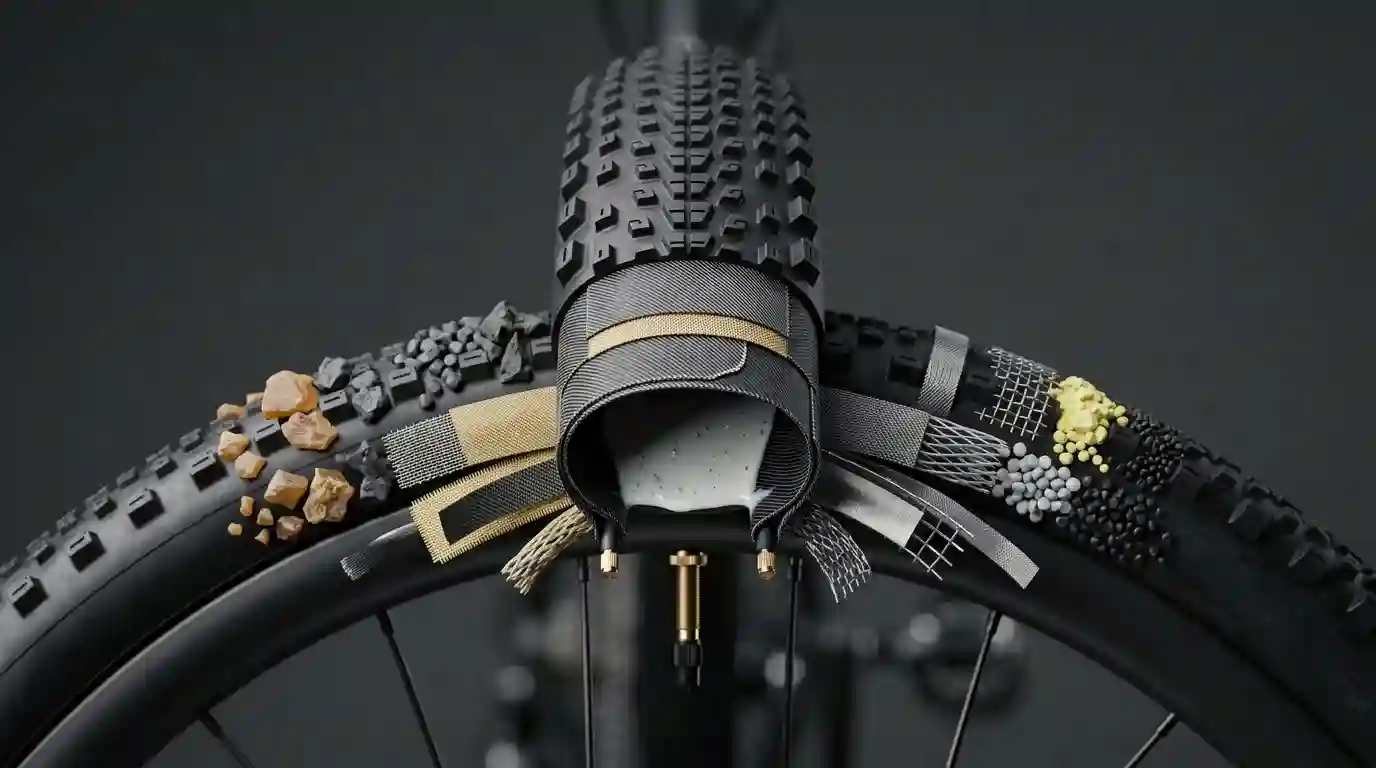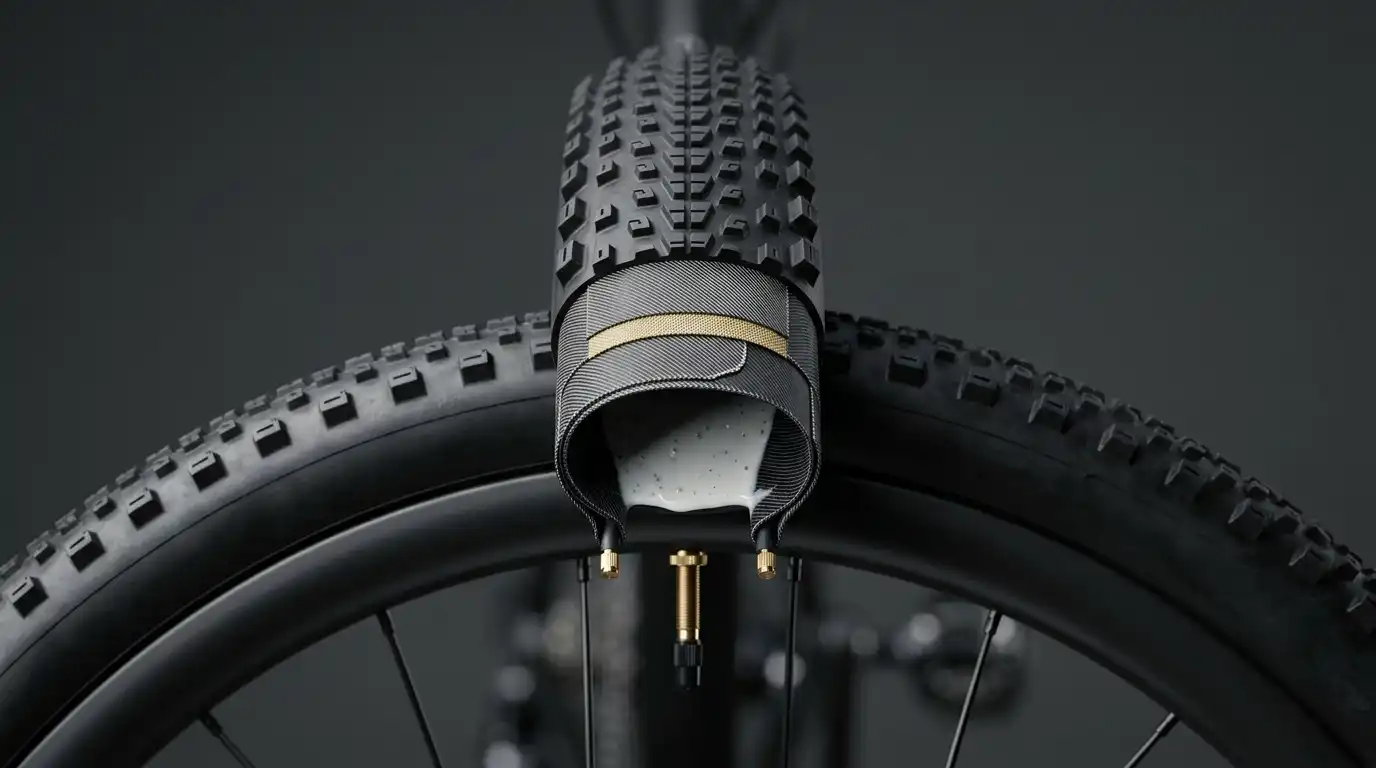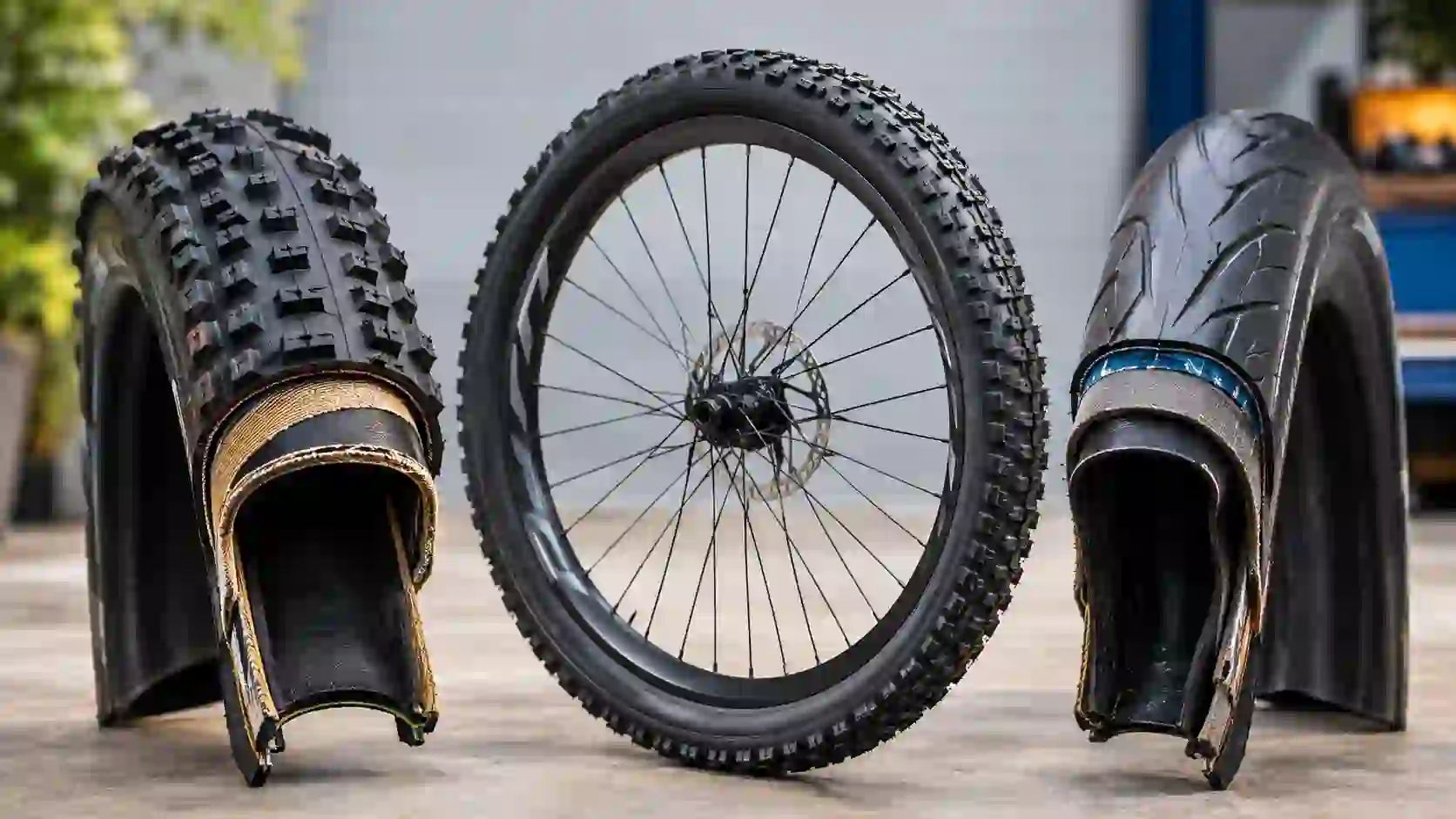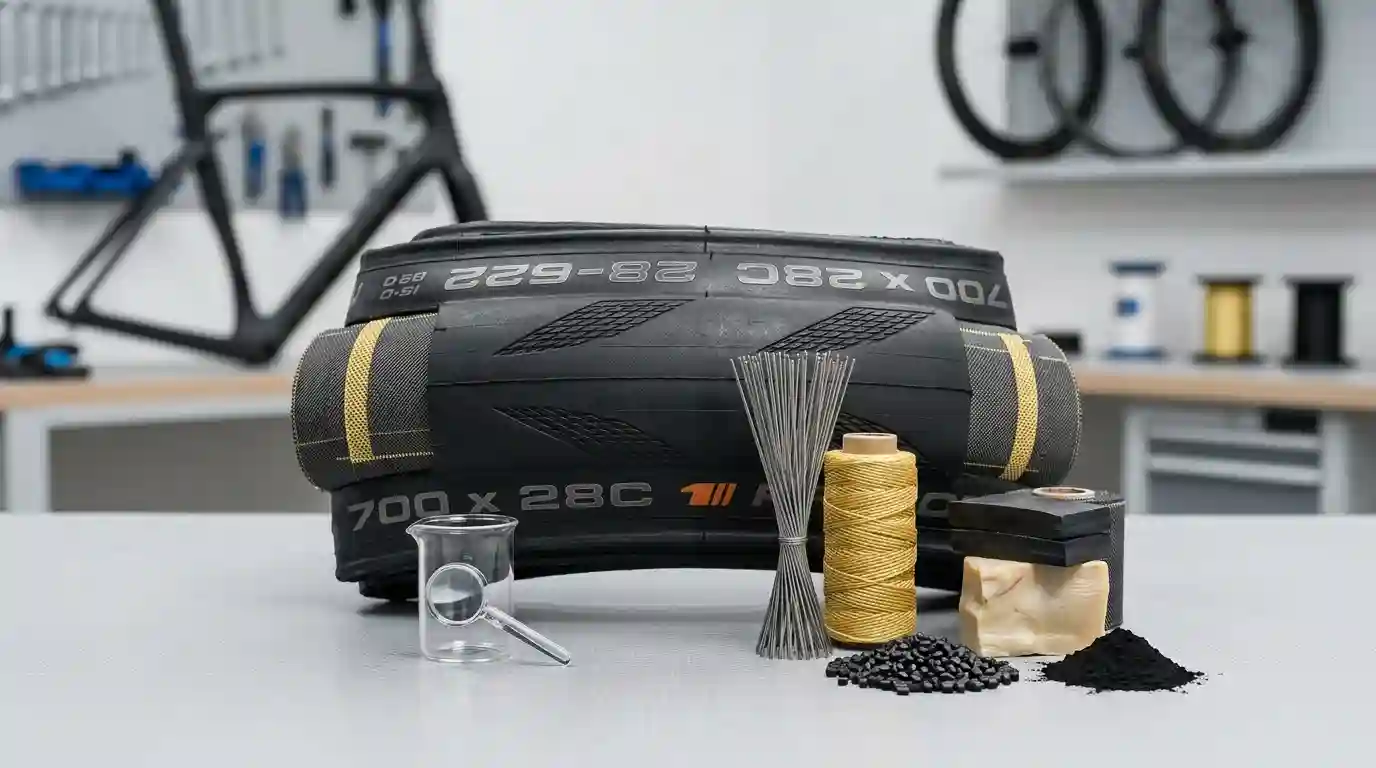
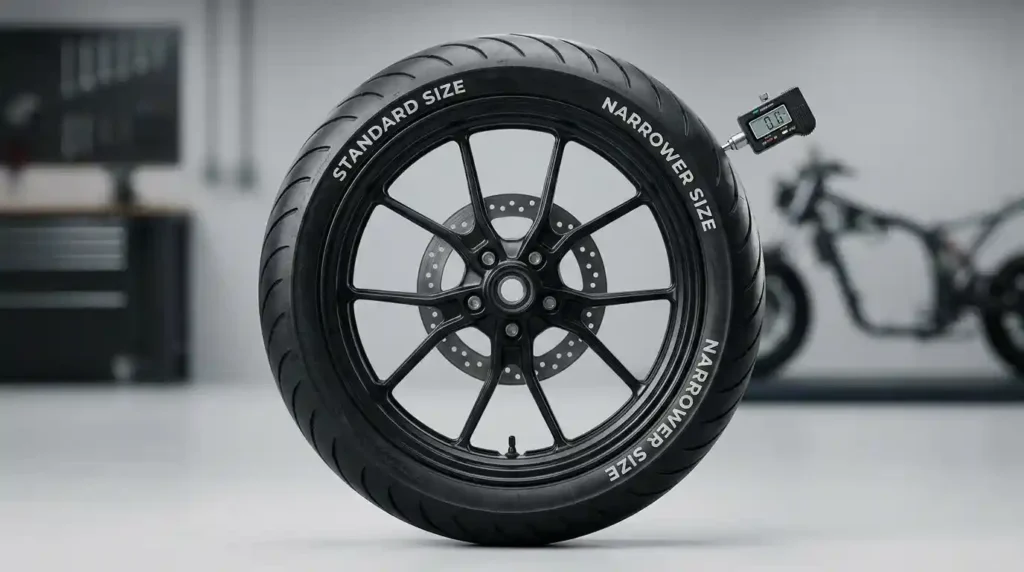
Switching to narrower tires can transform how your bike rides. Whether you want to drop rotational weight, improve acceleration on steep pavement, or fit a classic frame with tight clearances, going down a size is a common modification. However, changing tire width introduces important mechanical factors that directly affect rider safety, rim protection, and handling.
While narrower tires can often be fitted to existing wheels, you must confirm that the bead-seat diameter, inner rim width, frame clearance, and tire specifications are fully compatible. Selecting a tire involves more than matching wheel diameter—never choose a narrower tire based on wheel size alone.
Reducing tire width modifies your tire’s profile, air volume, and contact patch. Understanding these dimensions ensures you get the benefits of lower weight without compromising cornering traction, rim safety, or overall efficiency.
Can I Use Narrower Tires on My Bike?
Quick Answer: Can I Use Narrower Tires on My Bike?
Yes, you can often use narrower tires on a bike if the tire has the correct bead-seat diameter and falls within your rim manufacturer’s recommended width range. You must also maintain adequate clearance around the frame, fork, and brakes.
- Check Size: Match the wheel diameter (e.g., ISO 622 for 700c/29er) and identify target casing width.
- Verify Rims: Confirm your wheel’s recommended inner rim width compatibility range.
- Check Pressure: Verify tire pressure requirements, as narrower casings require higher tire pressure (PSI).
+-----------------------------------------------------------------------+
|                   NARROWER TIRE FITMENT VERIFICATION                  |
|                                                                       |
|  [ Bead-Seat Diameter ]  --> Must match wheel size (e.g., ISO 622)    |
|  [ Inner Rim Width ]     --> Must support the narrower casing profile |
|  [ System Weight ]       --> Require higher PSI to prevent rim strikes|
|  [ Rim Hook Type ]       --> Check hooked vs. hookless pressure caps  |
+-----------------------------------------------------------------------+
When Is a Narrower Tire Safe?
You can safely mount a narrower tire when:
- The tire’s bead-seat diameter matches the wheel exactly.
- The tire width falls within the rim manufacturer’s approved compatibility range.
- The tire remains securely seated under cornering loads and clears all frame components and brakes.
When Should You Avoid a Narrower Tire?
You should avoid going narrower if:
- The tire is too narrow for the rim’s internal width, creating a squared-off profile.
- The setup creates an unstable, poorly supported casing profile that exposes rim edges.
- The required PSI to prevent pinch flats or rim strikes exceeds safe maximum limits for the tire or rim.
What Happens When You Switch to a Narrower Tire?
┌─────────────────────────────────────────────────────────────────┐
│                 NARROWER TIRE SYSTEM EFFECTS                    │
├──────────────────┬──────────────────────────────────────────────┤
│ Air Volume       │ Decreases rapidly as casing width shrinks    │
│ Pressure (PSI)   │ Must increase to support system load         │
│ Ride Comfort     │ Transmits more road chatter and vibration    │
│ Contact Patch    │ Becomes narrower and longer                  │
└──────────────────┴──────────────────────────────────────────────┘
Changing to a narrower tire alters the physical behavior of your wheel system:
- Air Volume: Decreases significantly as casing width shrinks.
- PSI Requirements: You may need higher tire pressure (PSI) to maintain rim protection and prevent pinch flats.
- Performance Profile: Handling, vibration absorption, cornering traction, and rolling resistance will all change depending on road surface quality.
Narrower Tires and Rolling Resistance
Width alone does not determine rolling resistance. Casing TPI, rubber compound, tread pattern, and pressure dictate efficiency.
A wider tire can roll more efficiently on rough roads because lower operating pressures allow the casing to absorb imperfections rather than transferring energy upward into the rider.
Narrower Tires and Comfort
Narrower tires hold less air volume. Because they contain less air, they require higher inflation pressures to prevent the rim from bottoming out over bumps.
This higher pressure creates a firmer ride that transmits more high-frequency road chatter to your hands and saddle.
Narrower Tires and Grip
A narrower tire changes the shape and size of your contact patch. Maintaining correct pressure is vital for preserving cornering traction.
Over-inflating a narrow tire reduces tread deformation, which can decrease traction over loose dirt or wet pavement.
How Narrow Can I Go on My Bike?
PAA Target: How narrow can my bike tires be?
There is no single minimum tire width for every bicycle. Your limit is determined primarily by your wheel’s inner rim width. Mounting a tire that is narrower than your rim’s internal channel can lead to rim damage, unseating, or sudden air loss. Always check your rim manufacturer’s minimum recommended tire width before downsizing.
                 COMMON NARROWER TIRE DOWNSIZING PATHS

  ROAD          [ 32 mm ] ────────────► [ 28 mm - 25 mm ]
  GRAVEL        [ 45 mm ] ────────────► [ 40 mm - 35 mm ]
  MTB           [ 2.5"  ] ────────────► [ 2.3" - 2.25" ]
Check the Tire Manufacturer’s Specifications
Review the manufacturer’s recommended rim-width range printed on the packaging or spec sheet. Note the minimum and maximum pressure limits for the tire casing. Always follow explicit manufacturer compatibility guidance over generic assumptions.
Check Your Rim Width
Measure your rim’s internal width between the bead hooks using digital calipers. Compare this measurement against compatibility tables provided by the tire manufacturer.
A very narrow tire on a wide rim flattens the tread profile, exposing vulnerable sidewalls to rock strikes.
Can I Put Narrower Tires on the Same Rims?
PAA Target: Can I use a narrower tire on the same rim?
Yes, you can often use a narrower tire on the same rim, provided the tire width matches the rim’s internal channel specification. Mismatched width combinations alter the tire profile, affecting cornering predictability and impact absorption. Refer to your rim manufacturer’s compatibility chart as your baseline guide.
    NARROW TIRE + WIDE RIM                     OPTIMAL MATCH
    (Squared-Off / Exposed Rim)             (Supported Sidewalls)

        ┌───────────┐                          /───────────\
       │    TIRE    │                         │    TIRE     │
       └─┐       ┌──┘                          \           /
         │       │                              └───┐   ┌──┘
         │       │                                  │   │
         Wide Rim                                Matching Rim
   - Flattened tread profile              - Predictable traction
   - Vulnerable rim sidewalls             - Absorbs vertical impacts
Narrow Tire on a Wide Rim
Mounting a narrow tire onto a wide rim pulls the beads outward, creating a squared-off casing profile. This flattened shape alters cornering behavior by forcing transition knobs into contact prematurely.
It also reduces the tire’s vertical air cushion, making rims vulnerable to impact damage.
Narrow Tire on a Narrow Rim
A narrow tire mounted on a narrow rim maintains a rounded, natural profile. This setup supports smooth cornering transitions and stable sidewall structure.
Even on narrow rims, ensure your inflation pressure matches your total system weight to avoid pinch flats.
How Rim Width Affects Narrow Tire Fit
Internal Rim Width
Inner rim width determines how the tire casing sits once inflated. While modern wide rims support high-volume casings, pairing an ultra-narrow tire with a wide internal rim width can stretch the tire casing, lowering sidewall height and reducing rim strike protection.
| Internal Rim Width | Standard Tire Range | Minimum Safe Tire Width |
| 17 mm – 19 mm | 25 mm – 32 mm | 23 mm |
| 21 mm – 23 mm | 28 mm – 45 mm | 28 mm |
| 25 mm – 30 mm | 2.1″ – 2.5″ | 2.0″ / 50 mm |
Tire Profile
Your rim’s internal width shapes the tire’s functional tread profile. A correct profile provides a smooth transition from the center tread to the side knobs when leaning into turns.
An incorrect profile can make handling feel twitchy or cause sudden traction loss when cornering.
Hooked vs. Hookless Rims
- Hooked Rims: Utilize an internal mechanical lip to secure the tire bead, accommodating higher pressures.
- Hookless Rims: Feature straight sidewall walls that rely on precise bead tolerances. They require hookless-approved tubeless tires and carry a maximum inflation cap of 73 PSI (5.0 bar). Never mount non-approved or standard tube-type narrow tires to hookless rims.
How Narrower Tires Affect Tire Pressure
Quick Summary: Tire Pressure and Narrower Tires
Narrower tires require higher inflation pressures because they hold less air volume than wider tires. The precise tire pressure (PSI) depends on tire size, internal rim width, rider weight, bike load, terrain, and manufacturer limits.
                     PSI ADJUSTMENT MATRIX

    INCREASE PSI FOR:                   DECREASE PSI FOR:
    • Narrower casing volume            • Wider casing volume
    • Higher system weight              • Lower rider load
    • Tube-type setups                  • Tubeless setups
    • Smooth asphalt                    • Coarse chip-seal / Gravel
Do Narrower Tires Need Higher PSI?
Yes. For the same rider and bike weight, a narrower casing must operate at a higher PSI to support the load without bottoming out.
Increasing pressure protects the rim from direct impact and reduces the risk of pinch flats on inner-tube setups. Always stay within the recommended minimum and maximum pressure bounds stamped on the sidewall.
How Rider Weight Affects PSI
Calculate your inflation pressure using total system weight (rider + bike + accessories). Because the rear wheel supports approximately 60% of total system weight, rear tire pressure should be set slightly higher than front tire pressure.
Baseline Tire Pressure Chart (System Weight: ~180 lbs / 82 kg)
| Cycling Discipline | Tire Size | Setup Type | Front Pressure | Rear Pressure |
| Road Bike | 700 × 25c | Tube-Type | 78 PSI | 83 PSI |
| Road Bike | 700 × 28c | Tubeless | 62 PSI | 66 PSI |
| Gravel Bike | 700 × 35c | Tubeless | 40 PSI | 43 PSI |
| MTB XC | 29 × 2.25″ | Tubeless | 24 PSI | 26 PSI |
| E-Commuter | 27.5 × 1.9″ | Tube-Type | 48 PSI | 52 PSI |
How to Adjust PSI After Going Narrower
Start near the midpoint of your new tire’s recommended pressure range. Make adjustments in 2 to 3 PSI increments based on test rides.
If you experience harsh vibration or reduced grip, lower the pressure slightly. If you feel the tire squirm during cornering or feel the rim strike obstacles, increase the pressure.
Are Narrower Bike Tires Faster?
PAA Target: Are narrower bike tires faster?
Not always. While narrower tires are lighter and offer aerodynamic advantages at high speeds, they do not automatically roll faster. Rolling resistance is determined by casing construction, rubber compound, tread pattern, inflation pressure, and road surface texture.
                       REAL-WORLD ROLLING SPEED

  OVER-INFLATED NARROW TIRE             OPTIMALLY TUNED TIRE
  (Bounces off road chatter)            (Absorbs surface imperfections)

       ▲ Impact deflection                   ─► Forward momentum
      ╱                                     ─────────────────────
  ───┴──/\─/\──/──────────────          ───┴────────────────────────
Narrow Tires on Smooth Roads
On smooth asphalt, a narrower tire can provide a responsive feel, fast acceleration, and lower aerodynamic drag.
Riders on modern, smooth velodromes or high-grade pavement benefit from the lower rotational weight of a lightweight casing.
Narrow Tires on Rough Roads
On rough roads or chip-seal pavement, narrower tires running at high pressure can bounce off surface chatter. This bouncing transfers energy upward rather than driving forward momentum.
A slightly wider tire running at lower PSI can deform around road chatter, maintaining momentum and offering better real-world efficiency.
Should I Use Narrower Tires on a Road Bike?
Modern road bicycles accept a range of tire widths, but downsizing remains a viable choice for specific road surfaces and frames.
               ROAD TIRE WIDTH & PERFORMANCE COMPARISON

  SIZE           PRIMARY APPLICATION                  KEY CHARACTERISTIC
  ────────────────────────────────────────────────────────────────────────
  700 × 25c      Smooth pavement, older rim brakes    Responsive acceleration, firm ride
  700 × 28c      Standard modern road setup           Balance of speed, grip, and comfort
  700 × 32c      Rough pavement, endurance riding     High air volume, shock absorption
32 mm to 28 mm
Switching from 32 mm to 28 mm tires reduces rotational mass while maintaining comfort. It provides a responsive acceleration feel without making the ride harsh.
28 mm to 25 mm
Moving from 28 mm down to 25 mm fits older rim-brake frames with tight caliper bridges. This size requires higher inflation pressures and offers quick steering response on smooth pavement.
Older Road Bikes
Classic road frames built before disc brakes often feature restricted brake bridge clearance. These bikes were designed around 23 mm or 25 mm tire widths, making narrower casings necessary to prevent frame rub.
Should I Use Narrower Tires on a Mountain Bike?
Narrower mountain bike tires reduce weight and lower drag, but they alter off-road stability.
                          MTB TIRE WIDTH CATEGORIES

   CROSS-COUNTRY (XC)              TRAIL / ENDURO                DOWNHILL (DH)
     2.1" - 2.3"                   2.4" - 2.5"                   2.4" - 2.6"
   Lightweight Casing           Reinforced Sidewall           Heavy-Duty Casing
  Snappy Acceleration           Balanced Traction             Maximum Impact Protection
Cross-Country Riding
Cross-country (XC) racers frequently choose 2.1″ to 2.3″ tires to minimize weight and gain rapid acceleration on hardpack trails.
Ensure your inflation pressure is set high enough to prevent rim impacts when crossing rock gardens.
Trail and Enduro Riding
On technical trail and enduro terrain, narrower tires offer less flotation and reduced impact protection.
Wider tires with heavy-duty casings are typically preferred to manage cornering forces and absorb heavy hits.
Should I Use Narrower Tires on a Gravel Bike?
Gravel riders balance pavement speed with off-road traction.
       FAST GRAVEL SETUP                     ROUGH GRAVEL SETUP

        /───────────────\                     /───────────────\
       │  700 × 35c     │                    │  700 × 42c     │
       │  Semi-Slick    │                    │  Knobby Tread  │
       │  High TPI      │                    │  Reinforced    │
        \───────────────/                     \───────────────/
       - Low rolling drag                    - Max rock protection
       - Fast on hardpack                    - Off-road traction
Fast Gravel
For paved connectors and smooth dirt, downsizing to a 35 mm semi-slick tire reduces drag and saves weight. A supple high-TPI casing maintains rolling efficiency on hardpack surfaces.
Rough Gravel
On rocky gravel, washboard roads, or loose soil, narrow tires require higher PSI, which can increase vibration and lower traction.
If your routes feature coarse ballast, higher-volume casings provide essential shock absorption and rim protection.
Should I Use Narrower Tires on an E-Bike?
Electric bicycles generate higher system weight and motor torque, placing elevated demands on tire casings.
                      E-BIKE FORCE & LOAD FACTORS

       HIGH SYSTEM WEIGHT                INSTANT E-BIKE TORQUE
               │                                   │
               ▼                                   ▼
    Heavy casing required               Durable compound needed
    (Prevents rim bottoming)            (Prevents rapid tread wear)
               │                                   │
               └─────────────────┬─────────────────┘
                                 │
                                 ▼
                     USE E-50 / E-25 RATED TIRES
E-Bike Load and Tire Width
Calculate pressure using the total weight of rider, frame, motor, battery, and cargo.
If you downsize to a narrower tire, select model variants featuring explicit E-25 or E-50 speed ratings with reinforced casings to prevent premature wear.
E-Bike Pressure
Because e-bikes carry extra weight, narrower casings require higher inflation pressures to protect rims. Never apply pressure guidelines meant for unassisted, lightweight bicycles.
How Tread and Casing Affect Narrower Tire Choice
Slick Tires
Ideal for smooth asphalt, slick treads maximize direct rubber contact with the surface while keeping rolling drag low. Durometer (rubber hardness) dictates grip levels over dry and wet pavement.
Gravel Tread
Semi-slick designs use a low center ridge for straight-line speed combined with shoulder knobs for cornering traction. Narrower gravel tires rely on supple casings to conform around loose pebbles.
MTB Tread
Aggressive tread patterns feature tall knobs to bite into loose dirt and mud. Downsizing an MTB tire reduces casing width, which can cause knobs to sink deeper into soft soil, changing steering feel.
  SLICK TREAD              SEMI-SLICK              AGGRESSIVE KNOBBY

   ┌─────────┐             ┌─────────┐               ┌───┐   ┌───┐
   │         │             │░░░░░░░░░│               │   │   │   │
  ─┴─────────┴─           ─┴─────────┴─             ─┴───┴───┴───┴─
  Smooth Asphalt           Paved + Hardpack          Mud, Loose Dirt & Rocks
Narrower Tires, Casing TPI, and Puncture Protection
Casing TPI (Threads Per Inch)
- High TPI (120 TPI): Uses finer threads, producing a flexible casing that deforms smoothly over road texture to lower rolling drag and improve comfort.
- Low TPI (30–60 TPI): Employs thicker threads, yielding a stiff sidewall that increases puncture resistance at the expense of compliance.
Puncture Protection Belts
Reinforced puncture belts (like aramid or nylon sub-tread layers) shield inner tubes from glass and thorns. Daily commuters using narrow road tires benefit from protective belts, which trade minor weight for flats prevention.
Narrower Tires and Tubeless Setups
Can Narrow Tires Be Tubeless?
Yes, provided both the tire and rim are explicitly certified for tubeless usage. Always confirm compatibility before installing tubeless systems, and stay within maximum rim pressure limits.
      INNER TUBE SETUP                       TUBELESS SETUP

       /───────────\                          /───────────\
      │  /───────\  │                        │  LIQUID    │
      │ │ TUBE    │ │                        │  SEALANT   │
      │  \───────/  │                        │  ~~~~~~~   │
       \─────┬─────/                          \─────┬─────/
             │ Valve                                │ Airtight Valve
             ▼                                      ▼
   - Prone to pinch flats                 - Self-seals small punctures
   - Easy roadside repair                 - Allows lower working PSI
Tubeless Sealant
Use an appropriate volume of liquid tubeless sealant based on casing size (typically 30–45 ml for narrow road tires). Check sealant levels every 3 to 6 months and replenish as needed.
Low-Pressure Risks
Because narrow tires hold less air volume, running under-inflated tubeless setups increases the risk of rim strikes and tire “burping” (temporary bead separation) during hard cornering. Maintain safe pressure baselines.
How to Install Narrower Tires Safely
Safe Installation Checklist
- Confirm the tire diameter matches the wheel’s bead-seat diameter.
- Verify that the tire width falls within the rim manufacturer’s recommended range.
- Install a properly sized tube or clean tubeless rim tape and valve.
- Mount the first tire bead into the center channel of the rim bed.
- Work the second bead over the rim wall by hand without using sharp levers.
- Inflate gradually to seat the bead evenly around the rim circumference.
- Set your target starting PSI based on system load.
- Check for brake, frame, and component clearance.
- Conduct a short test ride in a safe area before normal use.
                   BEAD SEATING IN RIM CHANNEL

     INCORRECT (Bead on Edge)               CORRECT (Bead in Center)

        ├──┐     ┌──┤                          ├──┐     ┌──┤
        │  │█   █│  │                          │  │     │  │
        │  └─────┘  │                          │  └─███─┘  │
        └───────────┘                          └───────────┘
     Hard to push over rim                 Easiest installation depth
Installing With an Inner Tube
Match tube size to your narrower tire dimensions. Avoid using wide tubes inside narrow tires, as creased rubber can cause pinch flats. Ensure the tube is not pinched beneath the tire bead before inflating.
Installing Tubeless
Ensure airtight rim tape coverage and proper valve seating. Add sealant, seat the tire bead using a high-volume pump, and rotate the wheel to spread sealant evenly across the internal casing.
Signs Your Narrower Tires Are a Poor Choice
                    SIGNS YOUR TIRE IS TOO NARROW

  [!] Ride feels harsh, transmitting severe vibration through contact points
  [!] Frequent rim strikes occur over standard road or trail bumps
  [!] Unstable, twitchy cornering response when leaning into turns
  [!] Flattened tire profile with exposed rim edges
Handling Problems
If your tire is too narrow for your rim width, cornering stability drops. The flattened profile can cause twitchy, unpredictable steering response when leaning the bike.
Flat and Impact Problems
Frequent pinch flats or rim strikes indicate your tire lacks sufficient volume or pressure for your system weight. Downsizing too far reduces impact absorption, exposing your wheel to structural damage.
Common Mistakes When Switching to Narrower Tires
- Assuming Narrower Is Always Faster: Downsizing without evaluating surface quality can increase vibration and lower real-world speed.
- Ignoring Rim Minimum Specs: Mounting a tire narrower than your rim’s internal width creates an unsafe profile.
- Keeping the Same PSI: Failing to increase pressure when reducing casing volume leads to rim strikes and flats.
- Ignoring Total System Weight: Setting pressure without factoring in rider, bike, and cargo weight causes under-inflation.
- Choosing the Wrong Tread: Using slick narrow tires on loose gravel or dirt reduces traction.
- Forgetting Tubeless Specs: Installing non-approved narrow tires on hookless rims risks blowouts.
- Judging Tires Solely by TPI: Ignoring rubber compound and puncture layers when choosing a casing.
- Overlooking Puncture Belts: Omitting puncture layers on daily commuters increases flat frequency.
FAQ: Using Narrower Tires on a Bike
Can I use narrower tires on my bike?
Yes, provided the bead-seat diameter matches your wheel and the width falls within your rim manufacturer’s approved compatibility range.
Will narrower tires make my bike faster?
Not necessarily. While narrower tires cut weight and drag on smooth pavement, wider tires running at optimized pressures often roll faster over rough surfaces.
Do narrower tires need higher PSI?
Yes. Smaller air volumes require higher inflation pressures to support system load and protect wheels from impacts.
Can I put narrower tires on the same rims?
Yes, as long as the tire width meets the minimum internal rim width specification established by the rim manufacturer.
Are narrower tires better for road bikes?
They work well on smooth pavement and older frames with tight clearances, but wider road tires offer greater comfort over long distances.
Are narrower tires good for gravel?
Narrow tires perform well on smooth dirt roads, but rough ballast benefits from higher tire volume and lower pressures.
Can narrower tires be tubeless?
Yes, provided both tire and rim are rated for tubeless installation and pressure limits are respected.
Should front and rear tires be the same width?
Not always. Some riders choose a slightly wider front tire for cornering traction and a narrower rear tire for low drag and rotational weight.
Quick Narrower Tire Compatibility Checklist
| Parameter | What to Verify |
| Wheel Diameter | Matching bead-seat diameter (e.g., ISO 622) |
| Tire Width | Suitable for rider weight and riding conditions |
| Rim Width | Meets rim manufacturer’s minimum width recommendation |
| Tire Profile | Properly supported, rounded shape across the rim bed |
| PSI Range | Pressure calculated for total system load |
| Frame Clearance | Safe clearance across chainstays and seatstays |
| Fork Clearance | Adequate space around fork legs and arch |
| Brake Clearance | Unobstructed operation across calipers and pads |
| Tubeless System | Verified tubeless-compatible rims, tires, tape, and sealant |
| Terrain Match | Tread pattern and casing TPI selected for target conditions |
| Load Capacity | Casing rating supports rider, bike, and cargo weight |
Final Verdict: Can I Use Narrower Tires on My Bike?
Narrower tires can work well when properly matched to your wheel system. The primary requirement is verifying compatibility across your wheel’s bead-seat diameter, inner rim width, and manufacturer pressure caps.
Downsizing reduces rotational mass and can improve steering feel on smooth roads. However, smaller casings require higher tire pressure (PSI), which can increase road vibration on rough surfaces. Evaluate your rim dimensions, terrain, and total system load before selecting your next tire set.
Optimize Your Narrower Tire Setup and PSI
Take the guesswork out of changing tire sizes. Calculate your optimal starting tire pressure based on casing width, internal rim dimensions, rider weight, and road conditions using the Free Bike Tire Pressure Calculator and Tire Finder Tool at TheBikeTires.com.

Mohidul Islam is a leading cycling technology specialist and bike tire consultant with over 15 years of hands-on experience in the bicycle industry. He holds a Bachelor of Science in Mechanical Engineering from Penn State University, where he focused heavily on material science, tread mechanics, and rubber compound performance. Over the past decade and a half, Alex has conducted extensive field testing, tubeless setup evaluations, and tire pressure modeling for road, mountain, and e-bikes. His practical insights and data-driven approach help cyclists of all levels optimize grip, speed, and durability on every ride.