
Flats, buzzing hands, and a bike that slides in corners all have something in common. Very often, the tire is the cause. Wrong width, wrong PSI, or the wrong casing can turn a good ride into a long one.
So what is the best tyre width for road and city riding? For many US riders, 32 to 35 mm is a strong all-around range. It blends rolling speed, comfort, grip, and control. But your roads, rims, and weight can shift that answer.
Width and tire pressure (PSI) affect safety, speed, and comfort. A tire that is too hard feels harsh and loses grip. A tire that is too soft can pinch flat or feel vague in a turn.
This guide covers width, rim fit, frame clearance, tubeless setups, tread, casing, and e-bikes. You also get PSI tables and a simple formula. To see how we work, read our editorial policy.
What Is the Best Tyre Width for Road and City Riding?
For many riders, 32 to 35 mm is the best starting point. It gives a good mix of speed, comfort, and grip.
Use 28 to 32 mm for smooth roads and speed-focused riding. Use 35 to 45 mm for rough city streets. Your final choice also depends on rim width, frame clearance, rider weight, PSI, and road surface.
Best tire widths by riding style: 28 to 30 mm for fast road riding, 30 to 35 mm for mixed road and city use, and 35 to 45 mm for rough streets and comfort-focused riding.
For a full primer, read bike tire width explained. Wondering what the numbers on your sidewall mean? See what the numbers on bike tyres mean.
US roads vary a lot. When a rider in Phoenix may see smooth asphalt and sharp debris. A rider in Seattle faces wet leaves and rough patches. A rider in Detroit deals with potholes after every winter.
That is why one width rarely fits all. A tire that feels perfect in one city can feel wrong in another. Think about your own route first, then pick a width.
How Does Tyre Width Affect Road and City Riding?
Wider tires hold more air. More air volume lets you run lower pressure. That adds comfort over rough pavement.
Narrower tires feel quick and responsive, especially on smooth roads. But real-world rolling resistance depends on more than width. Casing, rubber compound, PSI, and surface all play a part.
If you want to understand the basics first, see how bike tires work.
Narrow vs. Wide Tyres
| Tyre Width | Best For | Main Benefit |
|---|---|---|
| 28 to 30 mm | Smooth pavement | Light weight and sharp response |
| 32 to 35 mm | Everyday road and city use | Speed, comfort, grip, and durability |
| 38 to 45 mm | Potholes, broken pavement, light gravel | Cushioning and stability |
In short, width is only one piece. Think of width as a tool for lowering pressure, not as a speed switch.
Does a Wider Tyre Roll Slower?
Not automatically. Much of rolling resistance comes from the tire casing flexing as it rolls. A supple casing at the right pressure can roll very well, even when it is wide.
Road roughness matters too. On cracked pavement, a hard narrow tire bounces. That bounce wastes energy and shakes you. A wider tire at lower pressure follows the road and keeps moving.
Lab tests use smooth drums, so they favor firm tires. Real roads are bumpy. That is why a wider tire can feel faster on a city street than lab charts suggest. See what makes a good bike tyre for more.
Width Choices for Different Types of Road Riding
Not every road rider wants the same tire. Speed seekers, daily riders, and rough-road riders each have different needs. Here is how to match width to your style.
Fast Road Cycling
Consider 28 to 30 mm if you chase speed on smooth pavement. Look for a supple casing, an efficient tread, and low rolling resistance.
Aerodynamic effects grow as speed rises. At 20 mph and above, a narrow tire can help a little. Not sure your frame can handle other sizes? See whether you can put narrower tires on a bike.
Everyday Road Riding
A width of 30 to 35 mm suits recreational and daily road riders. It trims vibration without feeling heavy.
Choose a tire that matches your frame and rim specs. If you ride most days, see our picks for the best bike tyres for everyday riding.
Rough Roads
On cracked pavement and potholes, 35 to 40 mm or wider can improve comfort and control. Higher-volume tires can run at lower, appropriate pressures.
Put casing durability and puncture resistance first. Poor roads hide glass, metal bits, and sharp stones. In the Southwest, goathead thorns add another threat.
City Riding and Commuting Widths
City riding is hard on tires. You face potholes, glass, metal debris, road seams, and uneven patches. A range of 32 to 40 mm is a practical start for many urban bikes when clearance allows.
A durable casing and a puncture belt may matter more than saving a few grams. If you commute, our guide on which bike tyre to buy for commuting can help you shop.
Smooth City Streets
Choose about 30 to 35 mm for mostly smooth pavement. A lightly textured tread adds versatility without much extra drag.
Set PSI by rider weight, tire specs, and road conditions. New to all of this? See the best bike tyres for beginners.
Potholes and Broken Pavement
Consider 35 to 45 mm where your frame and rim support it. Wider tires add stability on rough surfaces.
Do not run pressure too low. Very soft tires raise the risk of rim strikes and tire damage. Cities with freeze-thaw cycles, like Chicago, Boston, and Minneapolis, are tough on narrow tires.
Tyre Width and Tire Pressure (PSI)
Wider tires hold more air, so they can use lower pressure. That is why width and PSI go together. Bike tires also run at much higher pressure than cars. See the difference between bike tyres and car tyres.
Total system weight includes you, your bike, luggage, and accessories. Always stay within the tire and rim maker’s pressure limits.
Choosing PSI by Rider Weight
Start with the maker’s recommended range. Then adjust for rider weight, tire width, rim width, road quality, and riding style.
This table shows rear PSI for tubed tires on dry pavement:
| System Weight | 28 mm | 32 mm | 35 mm | 40 mm |
|---|---|---|---|---|
| 150 lb (68 kg) | 65 to 70 | 55 to 60 | 48 to 53 | 40 to 45 |
| 200 lb (91 kg) | 78 to 85 | 65 to 72 | 57 to 63 | 47 to 52 |
| 250 lb (113 kg) | 90 to 100 | 76 to 84 | 67 to 73 | 55 to 61 |
These are starting points. Never exceed the sidewall maximum.
Simple PSI steps:
- Add rider, bike, cargo, and gear. Example: 175 lb rider plus 25 lb bike equals 200 lb.
- Read the row for your weight and the column for your tire width.
- Use a rear value in that range. Set the front 3 to 5 PSI lower.
- Subtract 5 to 10 percent for rough roads or rain.
- Ride, then fine tune in 2 to 3 PSI steps.
Front and Rear Weight Split
Your rear wheel carries more load than the front. On most road and city bikes, the split is about 45 percent front and 55 percent rear. Upright bikes with a rear rack push more weight to the back.
That is why the rear tire needs a bit more pressure. For example, a 200 lb system puts about 90 lb on the front and 110 lb on the rear. Add a 15 lb pannier and the rear load grows to about 125 lb. Raise the rear PSI by 3 to 5 in that case.
PSI Too High: What Happens?
The ride turns harsh and sends more vibration into your hands. Grip drops on rough surfaces.
The tire may skip or bounce over bumps instead of following the road. That hurts both comfort and cornering traction.
PSI Too Low: What Happens?
The casing moves too much. That builds heat and adds rolling losses.
Rim hits become likely, and pinch flats follow. Handling feels vague, especially in hard cornering. Slow leaks add to this problem, so see why bike tyres lose air. Build a routine with our advice on how often to check bike tyres.
Wet Weather Pressure Adjustments
Rain lowers grip. Dropping pressure by about 3 to 8 PSI helps the tire conform to wet pavement. This works well in the rainy Pacific Northwest.
Do not go too low. Soft tires can squirm in turns. Wet roads also call for slower speeds, whatever tread you run.
Rim Width and the Best Tyre Width
Inner rim width is the gap between the rim walls. It changes the tire’s final width and profile. A tire should sit inside the maker’s recommended rim range.
A poor match can give an unstable profile or dull the handling.
| Internal Rim Width | Typical Tyre Width Range |
|---|---|
| 17 mm | 28 to 40 mm |
| 19 mm | 30 to 45 mm |
| 21 mm | 32 to 50 mm |
| 25 mm | 38 to 55 mm |
These are general ranges. Always confirm with your rim and tire maker. You can also learn if you can change bike tire width on your current wheels.
Checking Rim and Tyre Compatibility
Follow these steps:
- Find the rim’s internal width.
- Check the tire maker’s compatible rim-width range.
- Compare the tire’s recommended width.
- Confirm frame and fork clearance.
- Inflate the tire and inspect the fit before riding.
Never choose tire width from the label alone. Check the rim’s internal width, frame, fork, and brake clearance, and the maker’s compatibility specs. Our guide to bike tire size compatibility goes deeper.
Hookless vs. Hooked Rims
Hooked rims have a small lip that holds the tire bead. Hookless rims do not. Many hookless rims cap pressure near 72 PSI and need compatible tires.
Check your rim’s limit before inflating. This is a safety issue.
Frame Clearance Limits Tyre Width
Measure clearance at the fork crown, chainstays, seatstays, and brake area. Aim for about 4 to 6 mm (1/8 to 1/4 in) of space per side.
Allow for mud, road debris, wheel flex, and tire growth under inflation. Bikes with fenders need extra room around the tire.
Learn how to measure bike tire size correctly before you buy. Also see how much wider tire you can fit.
Can I Put Wider Tyres on a Road Bike?
Often yes, but the limit depends on frame, fork, brakes, wheels, and rim width. A 32 to 35 mm tire may fit many modern road bikes but not older frames.
Never assume a tire fits from wheel diameter alone. Read more on whether you can use wider tires on your bike. If you plan a swap, see if you can put a different size tire on your bike.
Fenders and Racks
Fenders and racks need extra room. A fender can use 10 mm or more of space around the tire. That may force you to pick a narrower tire than the frame alone would allow.
Racks add weight, so they also change PSI. Check that your tire load rating suits your total system weight. Leave a clear gap, then spin the wheel and look for rubbing before you ride.
Tubeless Road and City Riding
Tubeless systems can lower pinch-flat risk. They also allow suitable lower pressures. The tire, rim, valve, and tubeless sealant must all be compatible.
Lower pressure can add comfort and grip. But keep it right for your weight and setup.
Tubeless vs. Inner Tube
- Tubeless: good for riders who want lower-pressure performance and fewer traditional punctures.
- Inner tubes: simple, cheap, and easy to fix on the road.
Compare setup time, upkeep, puncture behavior, and roadside repair needs. Sealant needs a refresh every few months. Many riders choose tubes for simple maintenance.
Best Width for Tubeless Commuting
A width of 32 to 40 mm gives a nice mix of volume and efficiency where compatible. Check tubeless rim and tire compatibility before you install.
Carry a spare tube or a tubeless repair kit. A roadside plan keeps a flat from ending your commute.
Tread Pattern and Rubber Compound Choices
Smooth tires work well on clean pavement. Light tread adds versatility on dirt or loose surfaces. Rubber compound changes grip, wear, and rolling speed.
Not sure how much tread you need? See how much tread a bike tyre should have.
Slick vs. Treaded Tyres
Slick or semi-slick tires suit road-heavy riding. Moderate tread works for mixed pavement and light gravel.
Aggressive tread is rarely needed for city riding. Learn why bike tires have different tread patterns to see what fits your route.
Rubber Compound and Grip
Durometer measures rubber hardness. Softer compounds add cornering grip but wear faster. Harder compounds last longer.
Many performance tires use different compounds across the tread. That balances grip and life. See what bike tire rubber compound is for more.
Seasonal Tyre Choices
Many US riders swap tires with the seasons. In winter and spring, a wider tire with a bit more tread handles slush, wet leaves, and grit. In dry summer months, a smoother, narrower tire can feel faster.
You do not have to swap. But if you ride year round, a 35 mm tire with light tread is a safe middle path. It handles most weather without big trade-offs.
Casing TPI, Puncture Protection, and Width
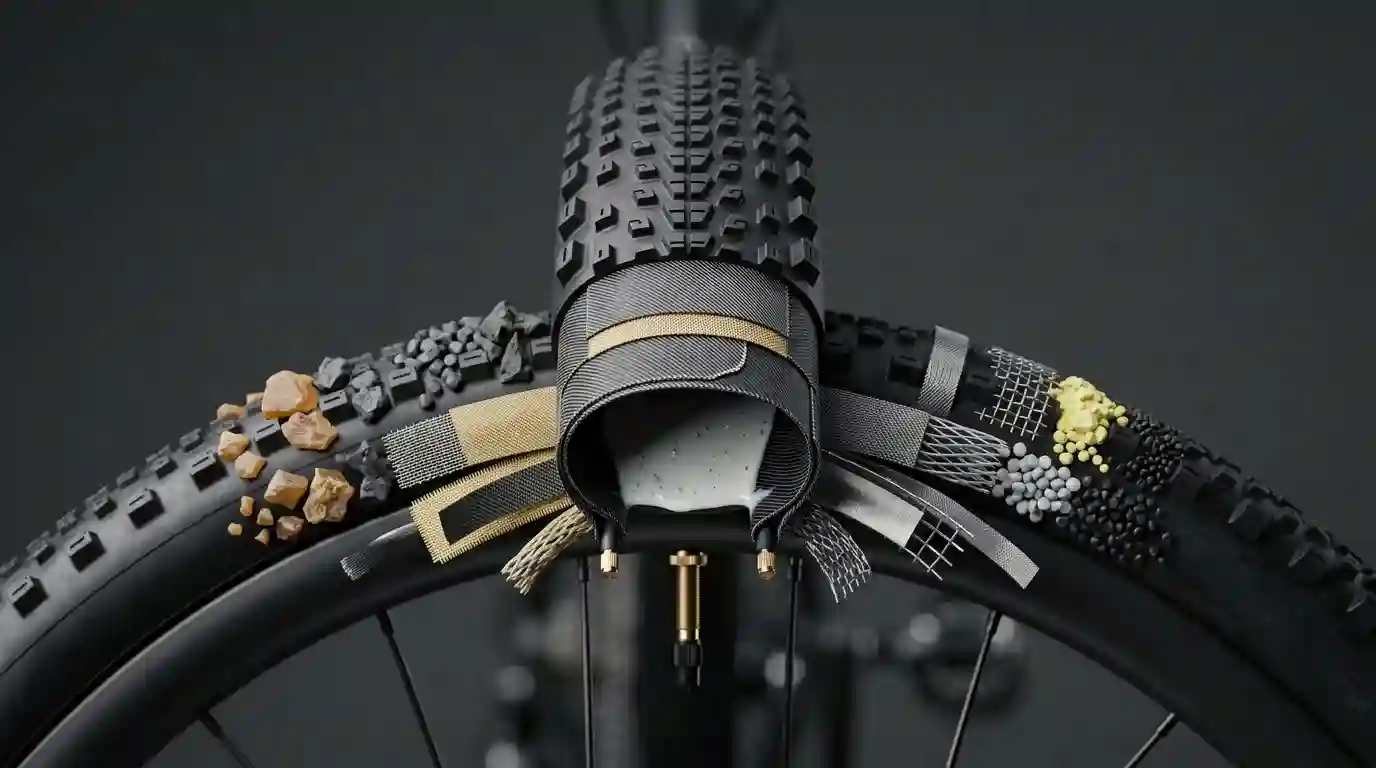
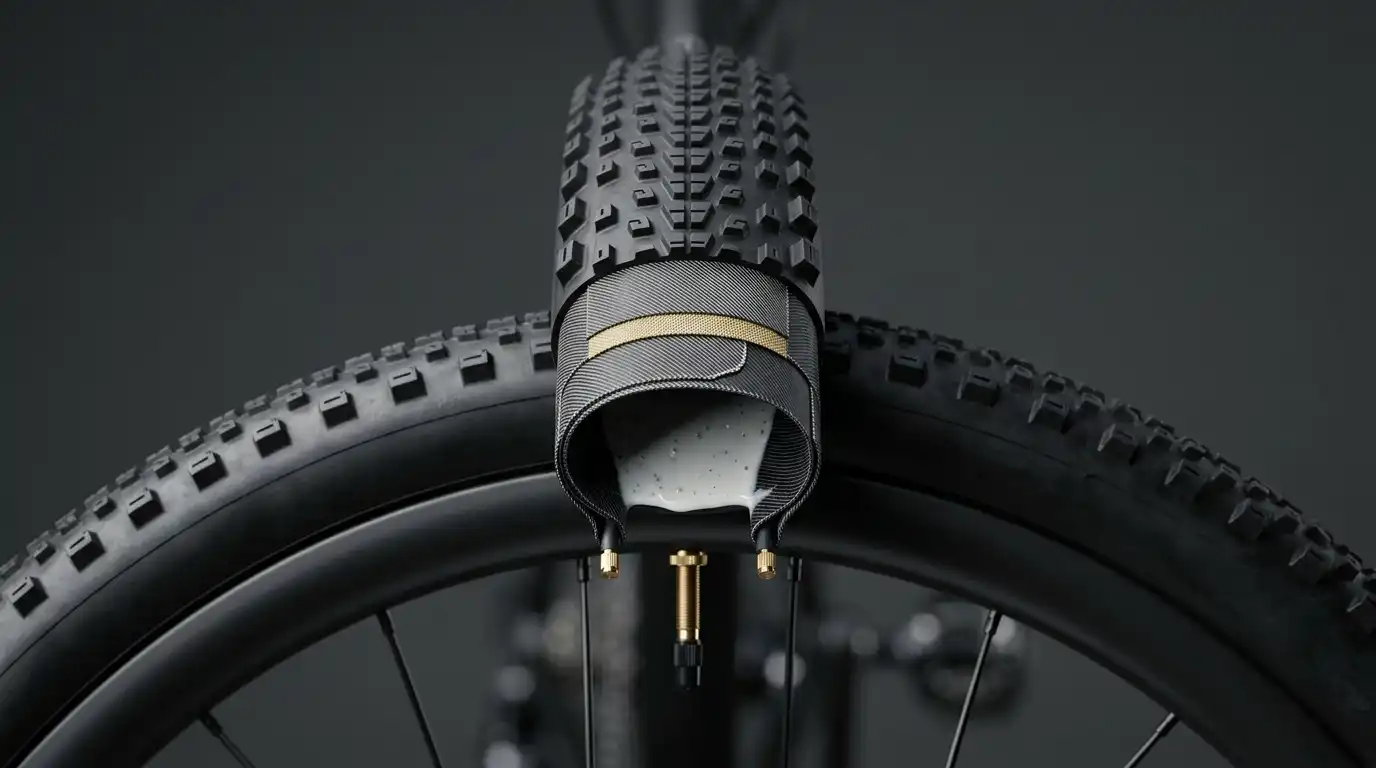
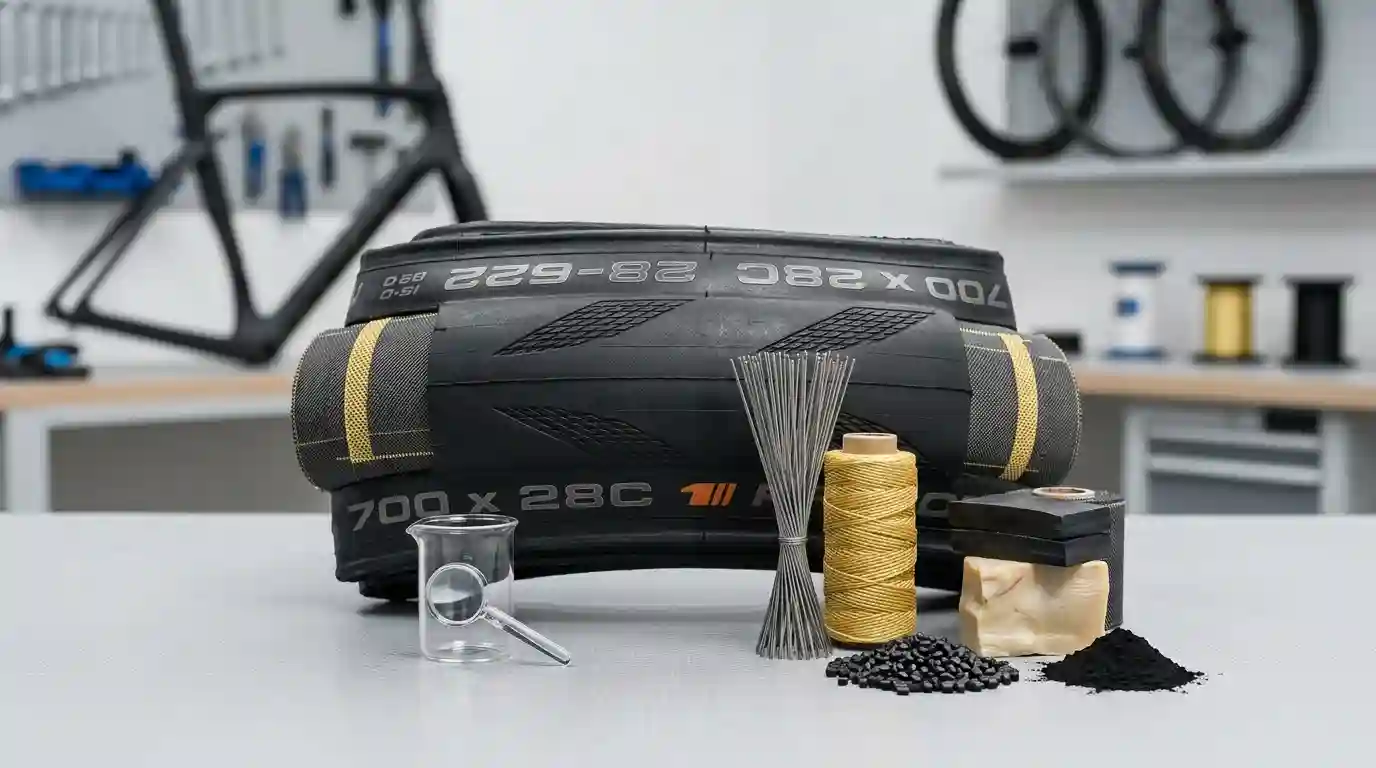
A tire is more than rubber. Materials, casing, and protective layers shape ride feel and life. See what bike tyres are made of for a plain-English look.
What Does Casing TPI Mean?
TPI means threads per inch. It describes part of the casing build. Higher TPI can give a more flexible casing.
But TPI alone does not set quality. Compare casing material, build, puncture layers, and use. Read more about what bike tire casing is.
Is a Puncture Belt Worth It for City Riding?
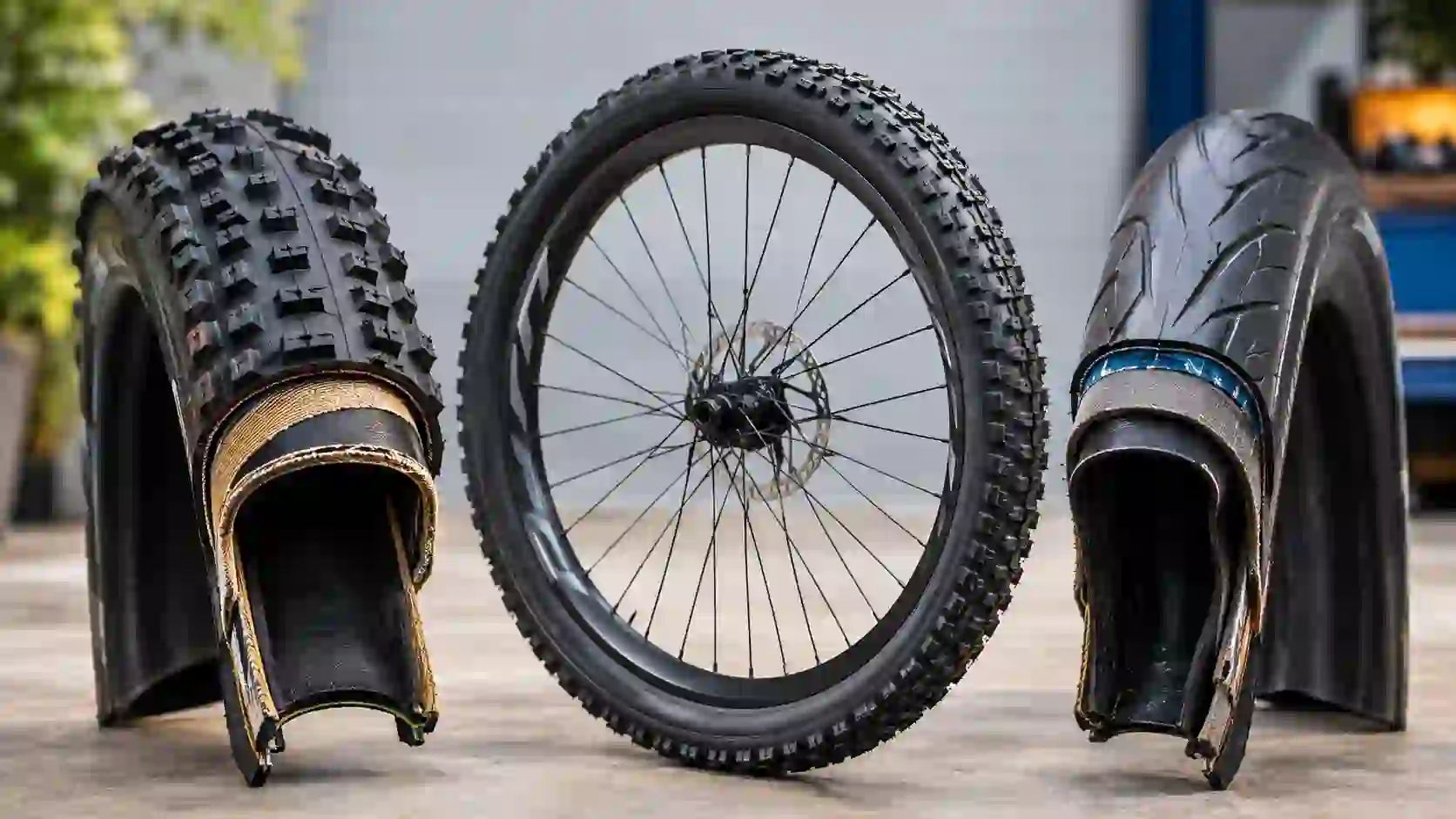
A puncture belt is a protective layer under the tread. It cuts the risk of flats from common road debris.
Extra protection adds weight and can change ride feel. For frequent commuting, durability may be worth more than low weight. Worn tires lose protection, so check how often bike tyres should be replaced.
Gravel and Mixed-Surface Riding
Riders who switch between pavement and gravel may like 35 to 45 mm tires. Pick tread by the amount and type of loose surface.
Confirm that your bike has enough clearance. In Southwestern loose rock or Midwest gravel, extra volume helps a lot.
Road Tyres vs. Gravel Tyres
Road tires focus on low rolling resistance on pavement. Gravel tires have more volume, tread, and surface range.
Do not pick a very aggressive gravel tire if you ride mostly asphalt. You will pay for it in speed and noise.
E-Bike Tyre Width
E-bikes carry more system weight. They also add e-bike torque, which loads the tire at launch.
Check the tire’s load rating and the maker’s advice. A durable 35 to 50 mm tire can work well on compatible commuter e-bikes.
Motor assist also means higher average speeds on city streets. Many e-bike riders cruise at 15 to 20 mph, so grip and braking matter even more. Look for tires labeled for e-bike use, and replace them sooner if you see uneven wear from hard starts.
Should E-Bikes Use Wider Tyres?
Often yes. Wider tires add comfort and stability on heavier bikes.
Correct PSI still matters, because too much pressure cuts grip. Match width to your rim and frame, not just the widest tire that fits.
Step-by-Step Guide to Choosing Tyre Width
To choose the best tyre width, follow these nine steps:
- Identify your riding surface: smooth road, city streets, rough pavement, or gravel.
- Check your current tire width and wheel size. Our guide shows how to find bike tyre size.
- Measure your rim’s internal width.
- Check frame, fork, brake, and fender clearance.
- Choose a suitable width range.
- Select the right tread and rubber compound.
- Consider casing TPI and puncture protection.
- Set pressure by system weight and maker guidance.
- Test handling, comfort, and grip before more PSI changes.
Unsure of your size? See what bike tire size you need.
Common Tyre Width Mistakes to Avoid
- Choosing the widest tire that fits without checking rim compatibility.
- Using the same PSI for different widths and rider weights.
- Picking aggressive tread for smooth urban pavement.
- Ignoring puncture protection on debris-filled roads.
- Assuming higher TPI always means better performance.
- Replacing tires without checking real frame and fork clearance.
Misreading sidewall codes causes many of these errors. Our bike tyre markings explained for beginners guide helps. Also see why bike tyres come in different sizes.
A good rule is to change one thing at a time. If you change width and PSI together, you will not know which helped. Swap one variable, ride for a week, and write down how it felt.
This habit also saves money. You avoid buying a new tire when a small PSI tweak would have fixed the problem.
Testing a Tyre for Road and City Riding
Test rolling resistance, comfort, cornering grip, braking stability, and puncture performance under similar conditions. Keep rider weight, wheel setup, PSI, route, and weather as steady as you can.
Compare tires over repeated runs. One ride can fool you. You can read how we approach this in our testing process.
Measurements to Record While Testing
Record average speed, effort or power, and tire pressure when you can. Judge vibration and comfort on both smooth and rough pavement.
Inspect tread wear, sidewalls, punctures, and casing condition over time. Your notes will show which tire truly suits your roads.
Frequently Asked Questions
Which Tyre Width Is Best for Road and City Riding?
A width of 32 to 35 mm is a strong all-around start for many riders. Choose around 28 to 30 mm for smooth, speed-focused roads. Pick 35 to 45 mm for rough urban surfaces.
Are 28 mm Tyres Good for City Riding?
Yes, especially on smooth roads and bikes built around narrow tires. They may feel less comfortable on potholes and broken pavement than higher-volume tires.
Are 32 mm Tyres Good for Road Riding?
Yes. They offer a strong balance of speed, comfort, and grip. Many modern road bikes fit 32 mm tires, but check frame clearance first.
Do Wider Bike Tyres Feel More Comfortable?
Usually. Higher-volume tires give more cushion at the right pressure. Comfort also depends on casing, PSI, rider weight, and road surface.
How Much PSI Suits Wider Road Tyres?
There is no single number. Use the maker’s range and adjust for system weight, rim width, tire width, and road conditions.
Can I Use 35 mm Tyres on a Road Bike?
It depends on frame, fork, brake, and rim clearance. Check the bike and wheel maker’s specs before you upgrade.
Do Tubeless Tyres Suit City Riding Better?
Tubeless can cut traditional puncture trouble and allow lower pressure when installed well. Inner tubes remain a practical choice for riders who want simple upkeep.
Which Rim Width Suits Wider Tyres?
It depends on the tire width and the maker’s approved rim range. Match the tire to the rim instead of using a generic rule.
Final Verdict on Road and City Tyre Width
- 28 to 30 mm: best for smooth, speed-focused road riding.
- 32 to 35 mm: the best all-around choice for many road and city riders.
- 35 to 45 mm: better for rough streets, potholes, comfort, and mixed surfaces.
Always weigh width alongside PSI, rim width, casing, tread, puncture protection, and frame clearance. Not sure where to begin? Review how to choose bike tires for everyday riding. You can also decode your sidewall with how to read bike tire size.
Wheel diameter and width are different things. See bike wheel size vs tire size and what 700c means to avoid a costly mistake. The ETRTO bike tyre sizes system explains the exact numbers.
Remember that no chart replaces real testing. Start with the table values, ride your normal route, and adjust. Small changes in PSI often feel bigger than a change in width.
Find Your Ideal Tyre Setup
Stop guessing. Test your exact setup with the Free Bike Tire Pressure Calculator at TheBikeTires.com to get a practical starting PSI.
Then use the Tire Finder Tool to compare tires by riding style, terrain, and bike setup. The best tire width is the one that fits your bike correctly and matches your roads, speed goals, and comfort needs.

Mohidul Islam is a leading cycling technology specialist and bike tire consultant with over 15 years of hands-on experience in the bicycle industry. He holds a Bachelor of Science in Mechanical Engineering from Penn State University, where he focused heavily on material science, tread mechanics, and rubber compound performance. Over the past decade and a half, Alex has conducted extensive field testing, tubeless setup evaluations, and tire pressure modeling for road, mountain, and e-bikes. His practical insights and data-driven approach help cyclists of all levels optimize grip, speed, and durability on every ride.