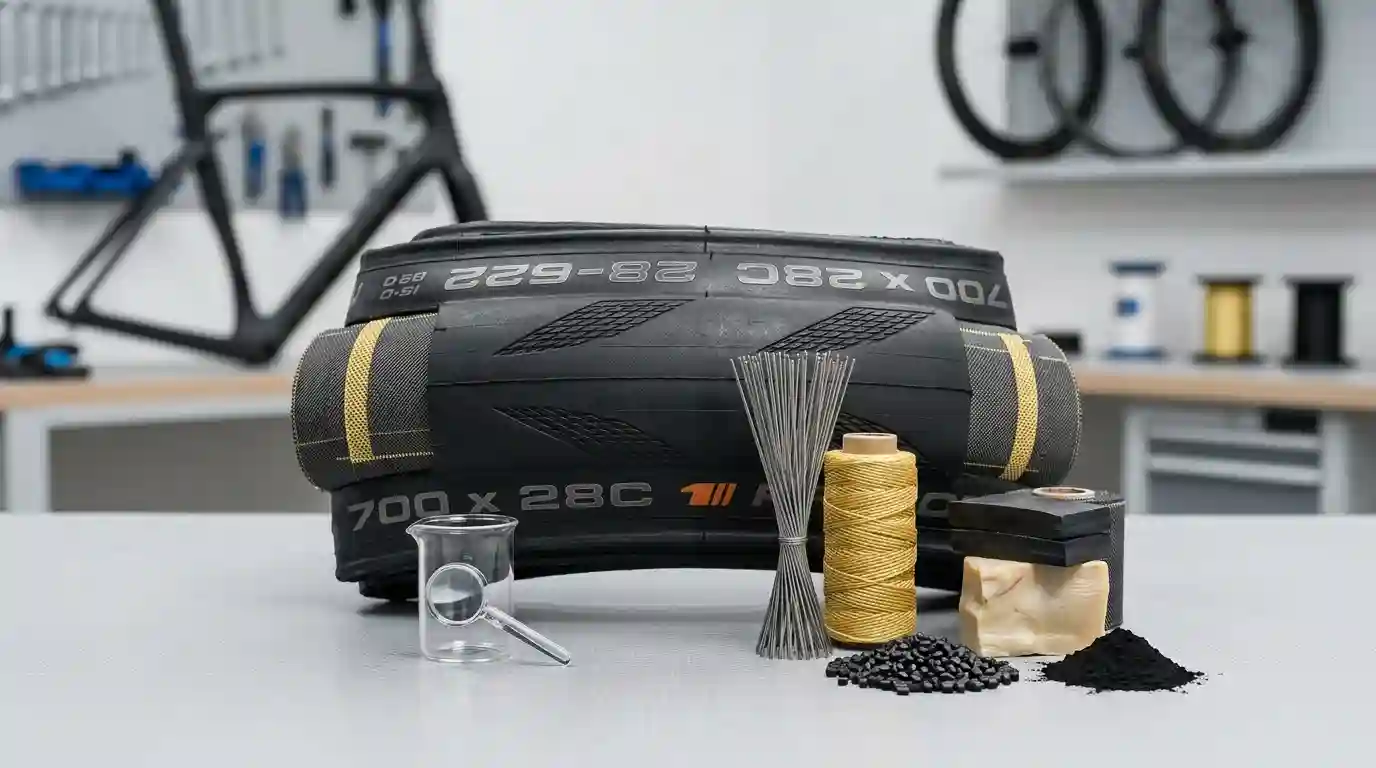
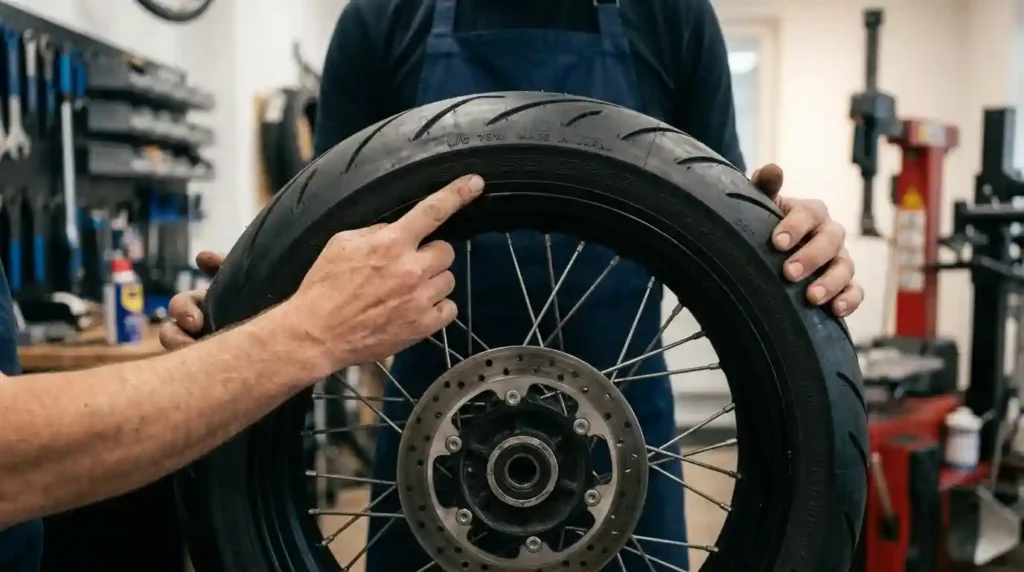
The easiest way to find your bike tire size is to inspect the raised or printed text along the tire’s sidewall.
Every production bicycle tire includes sidewall markings that specify its dimensions. You will typically see traditional sizing formats like 700 x 28C, 29 x 2.25, 26 x 1.95, or 650B x 47.
Selecting a replacement tire involves more than matching a single diameter number. True tire compatibility depends on three critical parameters:
- Tire Width: Determines frame clearance, comfort, and traction.
- Rim Compatibility: Matches the tire bead to the inner rim width and bead-seat diameter.
- Frame Clearance: Ensures the tire fits between your fork blades, chainstays, and seatstays without rubbing.
Featured Snippet: How to Find Your Bike Tire Size
To find your bike tire size, inspect the raised or printed text on the tire sidewall. If the sidewall text is worn away, check the inner rim markings, consult your bicycle manufacturer’s original specification sheet, or measure the bead-seat diameter and frame clearance manually.
Where to Find Your Bike Tire Size
TYPICAL TIRE SIDEWALL MARKINGS
┌──────────────────────────────────────────────────────────────────┐
│
[ Continental Grand Prix 5000 ] (28-622) 700x28C 95 PSI │
▲ ▲ ▲ │
│ ETRTO French Max │
Metric Standard Pressure │
└──────────────────────────────────────────────────────────────────┘
Check the Tire Sidewall
Rotate your wheel and look closely at the outer sidewall under direct light. Manufacturers print or mold the tire dimensions directly into the rubber.
Depending on your bicycle type, you will see representations like:
- Road & Hybrid: 700 x 28C or 700 x 32C
- Mountain Bike (MTB): 29 x 2.4 or 27.5 x 2.3
- Gravel & Adventure: 650B x 47 or 700 x 40C
Do not confuse tire size with maximum inflation pressure. Markings like MAX INFLATE 95 PSI or 6.5 BAR indicate air pressure limits, not physical dimensions.
Check the Rim or Wheel
When sidewall labels wear off from curb scrapes or age, turn your attention to the wheel rim.
Modern bicycle rims feature stamped or decaled measurements near the valve stem. These markings frequently use European Tyre and Rim Technical Organisation (ETRTO) formatting, such as 622 x 19C.
┌─────────────────────────────────────────────────────────────────┐
│ READING RIM MARKINGS │
├───────────────────────────────┬─────────────────────────────────┤
│ Rim Stamped Code │ What It Means │
├───────────────────────────────┼─────────────────────────────────┤
│ 622 x 19C │ 622 mm Bead-Seat Diameter (700c)│
│ │ 19 mm Internal Rim Width │
├───────────────────────────────┼─────────────────────────────────┤
│ 584 x 23 TSI │ 584 mm Bead-Seat Diameter (27.5″)│
│ │ 23 mm Internal Rim Width │
└───────────────────────────────┴─────────────────────────────────┘
The tire must match the rim’s exact bead-seat diameter (BSD) to seat safely. Mounting a tire on an incompatible BSD rim will cause immediate blowouts or prevent installation entirely.
Check the Bike Manufacturer’s Specifications
If your existing tire markings are completely unreadable, locate your bike’s make, model, and model year.
Visit the manufacturer’s website to access the original specification archive. This specification list details:
- Original tire size and wheel diameter.
- Internal rim width specifications.
- Maximum recommended tire width and frame clearance limits.
Checking factory specs is critical for mountain bikes, gravel rigs, and electric bikes (e-bikes) that have strict frame stay clearances.
How to Read Bike Tire Size Numbers
SIZING SYSTEM COMPARISON
┌────────────────────────────────────────────────────────────────────┐
│ SYSTEM │ EXAMPLE │ FIRST NUMBER │ SECOND NUMBER │
├─────────────┼─────────────┼────────────────────┼───────────────────┤
│ French │ 700 x 28C │ Approx Outside Dia │ Width (mm) │
│ Inch (MTB) │ 29 x 2.25 │ Approx Outside Dia │ Width (inches) │
ETRTO/ISO │ 28-622 │ Exact Width (mm) │ Rim Diameter (mm) │
└─────────────┴─────────────┴────────────────────┴───────────────────┘
What Does 700 x 28C Mean?
The 700 x 28C label uses the traditional French sizing system:
- 700: Refers to the original approximate outer diameter of the inflated tire in millimeters (700 mm).
- 28: Denotes the width of the tire in millimeters when mounted and inflated (28 mm).
- C: Originally indicated a specific rim width code in historical French standards. Today, “C” simply confirms that the tire fits a modern standard road/gravel rim with a 622 mm bead-seat diameter.
What Does 29 x 2.25 Mean?
The 29 x 2.25 designation follows the standard Imperial (inch-based) mountain bike sizing system:
- 29: Represents the approximate overall outer diameter of the tire in inches.
- 2.25: Indicates the nominal tire width in inches (approximately 57 mm).
Imperial sizing expresses tire volume in decimals (e.g., 2.25, 2.4) or fractions (e.g., 26 x 1 3/8). Decimal and fractional sizes are not interchangeable because they utilize different internal rim bead diameters.
What Do 26, 27.5, and 29 Inches Mean?
MTB WHEEL DIAMETER GUIDE
┌──────────────┬──────────────────┬─────────────────────────────────┐
│ Nominal Size │ ETRTO Rim BSD │ Primary Application │
├──────────────┼──────────────────┼─────────────────────────────────┤
│ 26 Inch │ 559 mm │ Older MTBs, Dirt Jump, Dirt │
27.5 Inch │ 584 mm (650B) │ Enduro, Trail, Agile Play Bikes │
│ 29 Inch │ 622 mm (700C) │ XC, Trail, Enduro, Maximum Rollover
└──────────────┴──────────────────┴─────────────────────────────────┘
A 27.5-inch tire cannot be mounted on a 29-inch rim. The internal bead-seat diameters differ by 38 mm.
ETRTO Bike Tire Sizing Explained
The ETRTO (European Tyre and Rim Technical Organisation) / ISO 5775 system provides an exact, standardized measurement system. Imperial and French standards measure approximate outer tire height (which changes based on tread depth), but ETRTO measures the precise physical rim attachment point.
ETRTO CODE BREAKDOWN: 37-622
37 – 622
│ │
│ └─ Rim Bead-Seat Diameter (mm)
└─────────── Uninflated Tire Width (mm)
An ETRTO code always consists of two numbers separated by a hyphen (e.g., 37-622):
- First Number (37): The width of the tire in millimeters (37 mm).
- Second Number (622): The precise bead-seat diameter (BSD) of the wheel rim in millimeters.
Featured Snippet: What is ETRTO Tire Sizing?
ETRTO tire sizing uses a two-number metric format: [Tire Width in mm] – [Bead-Seat Diameter in mm]. For example, a 37-622 ETRTO code indicates a 37 mm wide tire engineered to fit a rim with an exact 622 mm bead-seat diameter.
Bike Tire Size vs. Wheel Size: What’s the Difference?
Wheel size refers specifically to the diameter of the metal or carbon rim, whereas tire size refers to the rubber tire’s width and profile mounted on that rim.
WHEEL DIAMETER VS. TIRE WIDTH
◄───────────────── 28 mm Tire Width ────────────────►
┌───────────────────────────────────────────────────┐ ▲
│ RUBBER TIRE │ │
└───────────────────────┬───────────────────────────┘ │
│ │
┌────────┴────────┐ │ 622 mm
│ WHEEL RIM │ │ Wheel Rim
│ (622 mm BSD) │ │ Diameter
└────────┬────────┘ │
│ │
▼ ▼
A single wheel diameter can support multiple tire widths. For example, a standard road rim with a 622 mm BSD can accept:
- A 25 mm skinny road racing tire.
- A 38 mm plush gravel tire.
- A 2.4-inch (61 mm) aggressive mountain bike tire (assuming adequate frame clearance).
Increasing tire width alters four performance factors:
- Air Volume: Larger volume lets you run lower air pressures, improving comfort and absorption over bumps.
- Rolling Resistance: Wider tires running optimal pressures deform less at the contact patch over rough surfaces, rolling faster off-road.
- Cornering Grip: Expanded contact patches increase lateral traction during aggressive lean angles.
- Clearance Constraints: Wider tires sit taller and wider, reducing clearance near frame stays and fork crowns.
How to Choose the Right Tire Width
RECOMMENDED TIRE WIDTH BY CATEGORY
┌──────────────────────┬────────────────────────┬───────────────────┐
│ Riding Style │ Width Range (Metric) │ Width Range (Inch)│
├──────────────────────┼────────────────────────┼───────────────────┤
Smooth Asphalt Road │ 25 mm – 28 mm │ ~ 1.0 in │
│ Endurance / All-Road │ 28 mm – 34 mm │ 1.1 in – 1.3 in │
Gravel / Mixed Trail │ 38 mm – 45 mm │ 1.5 in – 1.8 in │
XC Mountain Bike │ 50 mm – 57 mm │ 2.0 in – 2.25 in │
Trail / Enduro MTB │ 60 mm – 66 mm │ 2.4 in – 2.6 in │
└──────────────────────┴────────────────────────┴───────────────────┘
Road Bike Tire Width
Modern road cycling has shifted away from narrow 21 mm and 23 mm tires inflated to extreme pressures (120+ PSI).
Current professional and amateur road setups favor 28 mm to 32 mm tires.
- 25 mm: Best for smooth asphalt and older frames with tight fork clearances.
- 28 mm: The modern benchmark balance of aerodynamic efficiency, low rolling resistance, and vibration dampening.
- 30 mm – 32 mm: Ideal for rough pavements, long endurance rides, and chip-seal roads.
Gravel Bike Tire Width
Gravel riding demands adaptability across varying terrain:
- 35 mm – 38 mm: Optimized for hardpack dirt, smooth gravel roads, and tarmac transitions.
- 40 mm – 42 mm: The versatile standard for mixed-surface adventures, providing a balance between rolling speed and impact absorption.
- 45 mm – 50 mm (or 650B x 47): Engineered for chunky rocks, loose singletrack, and technical terrain.
Mountain Bike Tire Width
Tire width choices for mountain bikes are driven by trail conditions and riding style:
- 2.20″ – 2.35″: Cross-Country (XC) racing. Lightweight, fast-accelerating, with reduced rolling resistance.
- 2.40″ – 2.50″: Trail & All-Mountain. Standard setup providing balanced cornering traction, braking stability, and rim defense.
- 2.60″ +: Enduro & Downhill. Maximum impact absorption, broad tread contact patches, and aggressive side knobs for high-speed cornering.
E-Bike Tire Width
Electric bicycles impose unique structural demands on tires due to immediate motor torque, higher speeds, and increased total weight.
- Choose widths between 2.4″ and 2.8″ (or 32 mm to 45 mm on commuter e-bikes) to maintain stability under power.
- Ensure the tire carries an ECE-R75 certification or explicitly states an e-bike load rating up to 50 km/h (31 mph).
- Look for reinforced heavy-duty casings (such as dual-ply or heavy carcass inserts) to protect against high-speed pinch flats and cornering wall deflection.
How to Check If a Bike Tire Will Fit Your Rim
Match Internal Rim Width
A tire must properly match the internal width of the wheel rim. Placing an overly wide tire on a narrow rim causes a lightbulb-shaped profile, leading to sidewall squirm during cornering. Mounting a narrow tire on a wide rim flattens the tread profile, exposing vulnerable rim edges to rock strikes.
┌──────────────────────────────────────────────────────────────────┐
│ RIM WIDTH COMPATIBILITY TABLE │
├────────────────────────┬─────────────────────────────────────────┤
│ Internal Rim Width │ Ideal Compatible Tire Width Range │
├────────────────────────┼─────────────────────────────────────────┤
│ 17 mm – 19 mm │ 23 mm – 32 mm
21 mm – 23 mm │ 28 mm – 45 mm │
25 mm – 27 mm │ 42 mm – 2.25 in (57 mm) │
29 mm – 31 mm │ 2.25 in (57 mm) – 2.6 in (66 mm) │
│ 35 mm + │ 2.6 in (66 mm) – 3.0 in (76 mm) │
└────────────────────────┴─────────────────────────────────────────┘
Why Rim Width Matters
When you install a tire on an appropriately matched rim:
- Sidewall Support: The tire casing forms an optimal profile, preventing casing roll during lateral loads.
- Tread Design Alignment: The shoulder knobs sit at their intended angle, providing predictable cornering engagement.
How to Check Bike Frame and Fork Tire Clearance
CLEARANCE CHECK POINTS
┌────────────┐
│ FORK │
│ CROWN │
└─────┬──────┘
◄── 6mm ──┼── 6mm ──►
┌───┴───┐
│ TIRE │
└───┬───┘
◄── 6mm ──┼── 6mm ──►
┌─────┴──────┐
│ CHAINSTAYS │
└────────────┘
- Measure Minimum Gap: Ensure at least 4 mm to 6 mm of open space exists between the widest point of the tire and any part of the frame or fork.
- Account for Mud & Debris: If riding through Pacific Northwest clay or sticky mud, increase clearance to at least 8 mm – 10 mm to prevent trail debris from scouring your frame stays.
- Factor in Wheel Flex: Under high pedaling loads or lateral cornering forces, rims and frames flex slightly.
- Consider Rim Width Effects: A tire mounted on a 25 mm internal rim will measure broader than the exact same tire mounted on a 19 mm internal rim.
PAA Question Answer: How do I know what size tire will fit my bike?
Check your current tire’s sidewall ETRTO numbers. Next, measure the internal width of your rim and confirm you have at least 6 mm of clearance between your existing tire and the frame’s chainstays, seatstays, and fork crown.
Does Bike Tire Size Affect Tire Pressure?
Tire size directly dictates required tire pressure. High-volume tires contain significantly more air space, allowing them to support heavy loads at lower pressures without bottoming out on the rim.
PSI VS TIRE VOLUME RELATIONSHIP
┌──────────────────────────────────────────────────────────────────┐
HIGH PRESSURE / LOW VOLUME │ LOW PRESSURE / HIGH VOLUME │
│ 700x25C @ 85–100 PSI │ 29×2.4″ @ 20–26 PSI │
│ │
( 85+ PSI ) │ ( 22 PSI ) ┌───┐ │ ┌───────┐ │
│ │ │ │ │ │
│ └───┘ │ └───────┘ │
└─────────────────────────────┴────────────────────────────────────┘
Basic Tire Pressure Setup
To find your baseline operating pressure:
- Locate the recommended pressure range stamped on your tire sidewall.
- Factor in your total system weight (Rider + Bike + Gear).
- Lower pressure by 3 to 5 PSI for tubeless configurations.
- Increase pressure by 2 to 4 PSI for the rear wheel, which carries roughly 60% of total rider weight.
TIRE PRESSURE (PSI) BY SYSTEM WEIGHT
┌──────────────────────┬─────────────┬─────────────┬───────────────┐
│ Total System Weight │ Road (28mm) │ Gravel(40mm)│ MTB (2.4″) │
├──────────────────────┼─────────────┼─────────────┼───────────────┤
│ 150 lbs (68 kg) │ 62 PSI │ 33 PSI │ 20 PSI │
180 lbs (82 kg) │ 72 PSI │ 38 PSI │ 23 PSI │
210 lbs (95 kg) │ 82 PSI │ 43 PSI │ 26 PSI
│ 240 lbs (109 kg) │ 92 PSI │ 48 PSI │ 29 PSI │
└──────────────────────┴─────────────┴─────────────┴───────────────┘
PAA Question Answer: What PSI should my bike tires be?
Recommended bike tire pressure depends on tire volume and rider weight. Standard ranges are 70–90 PSI for road bikes (28 mm), 35–45 PSI for gravel bikes (40 mm), and 20–28 PSI for tubeless mountain bikes (2.4″). Always stay within the minimum/maximum limits printed on your tire sidewall.
How Tire Size Affects Riding Performance
┌──────────────────────────────────────────────────────────────────┐
│ PERFORMANCE TRADE-OFF MATRIX │
├─────────────────┬──────────────────────┬─────────────────────────┤
│ Performance │ Narrower Tire │ Wider Tire │
│ Metric │ (e.g., 25mm / 2.1″) │ (e.g., 32mm / 2.5″) │
├─────────────────┼──────────────────────┼─────────────────────────┤
Acceleration │ Faster (Less Weight) │ Slower (Higher Mass) │
Aerodynamics │ Superior at 20mph+ │ Increased Drag │
Comfort │ Firm / High Vibration│ Superior Absorption │
Traction │ Smaller Contact Patch│ Expanded Contact Patch │
│ Rough Surface │ Higher Rolling Losses│ Lower Rolling Losses │
└─────────────────┴──────────────────────┴─────────────────────────┘
Rolling Resistance
Rolling resistance is caused by hysteresis—energy lost as the tire casing bends and deforms while rolling.
Contrary to old cycling myths, a wider tire does not inherently roll slower than a narrow tire. At equal inflation pressures, a wider tire creates a shorter, broader contact patch. This shape reduces casing deformation near the tire shoulders, decreasing rolling resistance over real-world road surface imperfections.
Cornering Grip
Traction depends on the rubber compound and contact patch area. Wider tires deform around road chatter, maintaining rubber-to-asphalt contact where narrow, over-inflated tires chatter laterally.
Comfort and Vibration
Road buzz causes rider fatigue. Higher-volume tires act as pneumatic suspension, absorbing high-frequency road vibrations before they transfer into the frame, handlebars, and rider saddle.
Tire Size and Tread Pattern: What Should You Consider?
Select tread designs tailored to your riding terrain:
TREAD PROFILE CATEGORIES
┌─────────────────────────────────────────────────────────────────┐
SLICK SEMI-SLICK AGGRESSIVE KNOBBY │
│ Smooth center Smooth center line Raised, blocky knobs │
Maximum pavement Fast on pavement, Maximum mechanical grip │
│ grip shoulder knobs grip in loose dirt, rocks, │
in dirt corners and deep mud │
└─────────────────────────────────────────────────────────────────┘
- Slick Treads: Designed for smooth asphalt and paved commuter paths.
- Semi-Slick Treads: Feature a smooth center ridge for low rolling resistance on pavement, paired with raised side knobs for traction in gravel corners.
- Aggressive Knobby Treads: Utilize spaced, tall rubber blocks that dig into soft soil, mud, and loose off-road surfaces. Widely spaced tread blocks clear mud easily to prevent packing.
Tire Size, Casing TPI, and Puncture Protection
What Is Casing TPI?
TPI stands for Threads Per Inch. It measures the density of nylon or cotton threads woven inside the tire’s structural carcass beneath the outer rubber.
┌──────────────────────────────────────────────────────────────────┐
│ TPI COMPARISON │
├────────────────────────┬─────────────────────────────────────────┤
│ Low TPI (27 – 60 TPI) │ High TPI (120 – 320 TPI) │
├────────────────────────┼─────────────────────────────────────────┤
Thick, heavy nylon │ Fine, thin threads │
High puncture resistance│ Low weight & high flexibility │
Stiffer ride quality │ Supple feel & low rolling resistance │
Ideal for commuters │ Ideal for road racing & high-end gravel │
└────────────────────────┴─────────────────────────────────────────┘
What Is a Puncture Belt?
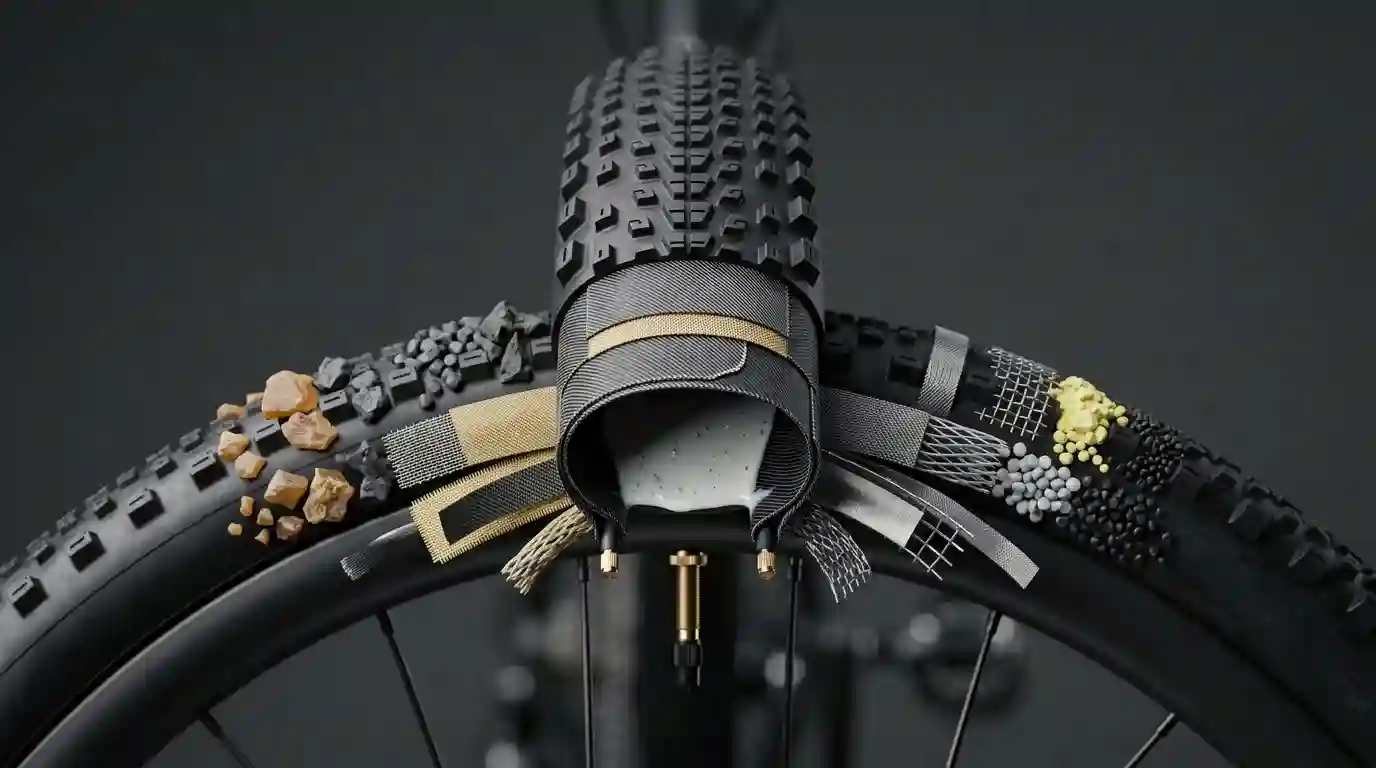
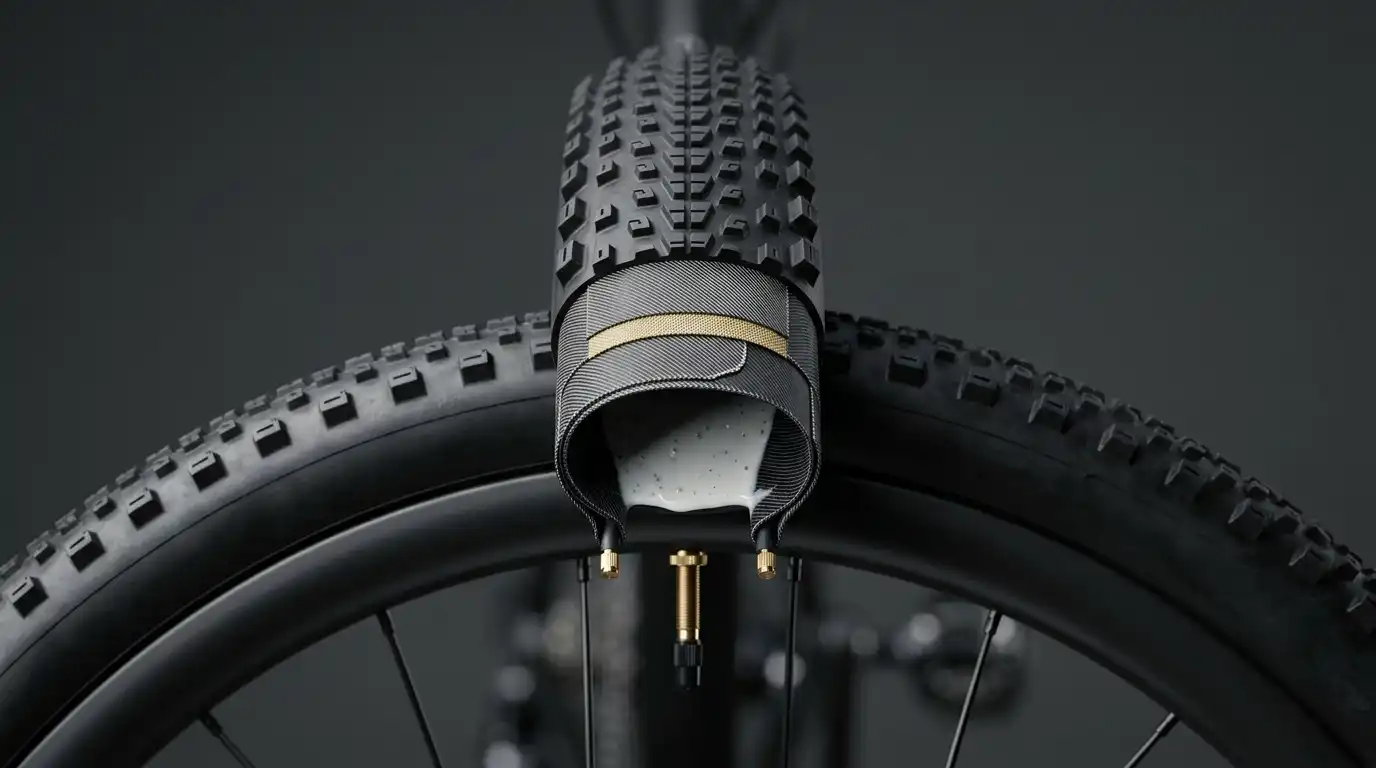
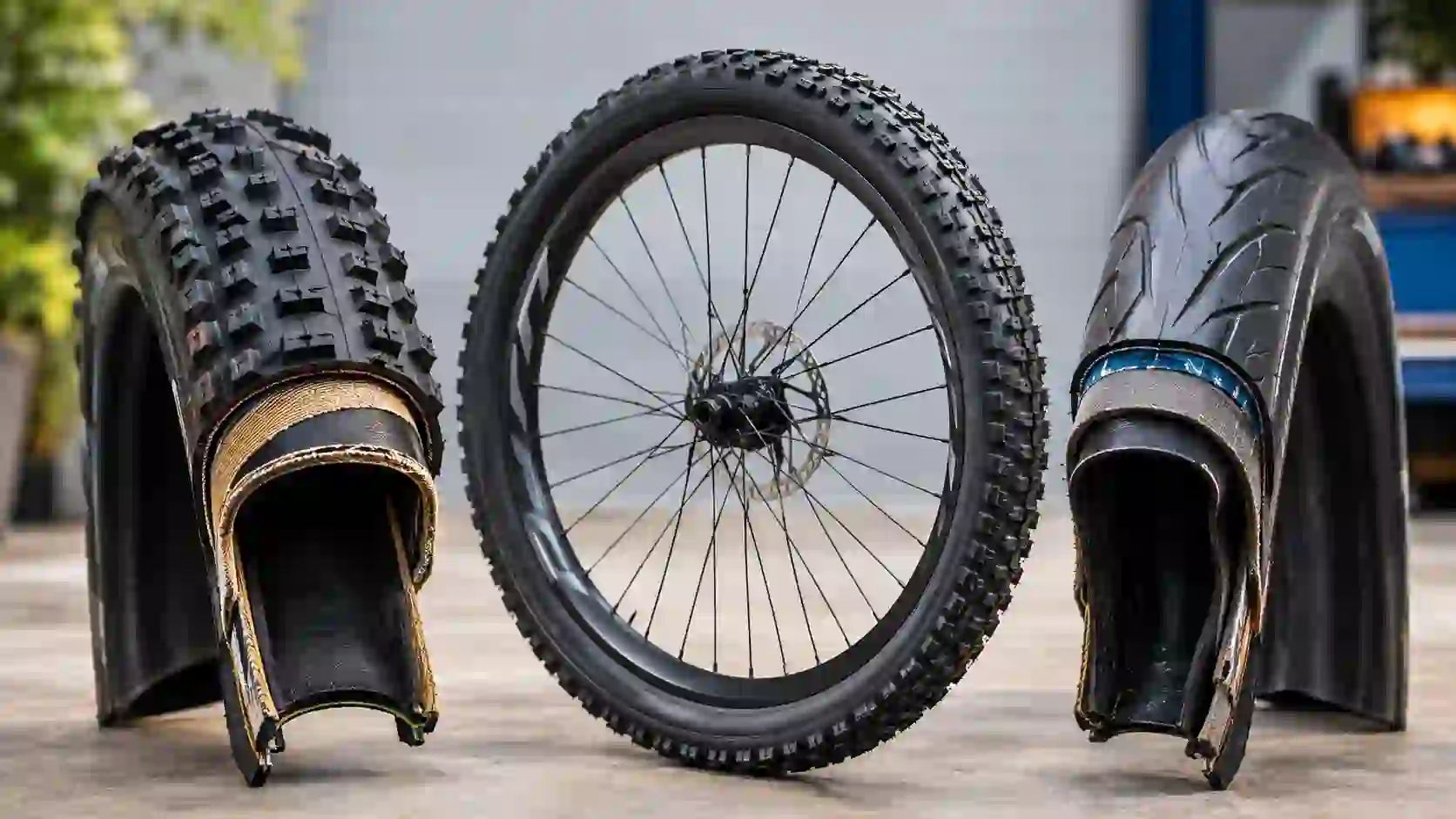
A puncture belt is a protective layer woven beneath the center tread. Common protective materials include:
- Aramid / Kevlar Fabrics: Lightweight, flexible layers that block sharp glass shards and thorn penetrations.
- High-Density Elastomer Strips: Thick rubber barriers (e.g., Schwalbe’s SmartGuard) that stop debris before it reaches the inner tube.
Tubeless vs. Inner Tube: Does Tire Size Matter?
TUBELESS VS. TUBE TIRE CROSS-SECTION
┌──────────────────────────────────────────────────────────────────┐
TUBELESS SETUP INNER TUBE SETUP │
Air-tight rim tape Standard rim strip │
│ Tubeless valve stem Inner tube stretched inside │
Liquid sealant seals punctures Tube holds air pressure │
└──────────────────────────────────────────────────────────────────┘
Tubeless Tire Setup
Tubeless setups eliminate inner tubes, relying instead on a tubeless tire, sealed rim tape, a dedicated valve stem, and liquid sealant.
- Rim/Tire Certification: Ensure both tire and rim explicitly state Tubeless Ready (TLR) or Tubeless Compatible (TC).
- Sealant Function: Liquid sealant coats the casing interior, immediately plugging small punctures (up to 1/8 inch) without air loss.
- Pinch Flat Elimination: Eliminating inner tubes lets you lower tire pressures without risk of pinch flats.
Inner-Tube Setup
When using traditional inner tubes, match the tube size directly to your tire size:
┌──────────────────────────────────────────────────────────────────┐
│ MATCHING TUBE SIZES TO TIRE SIZES │
├───────────────────────┬──────────────────────────────────────────┤
│ Tire Marking │ Correct Inner Tube Size Label │
├───────────────────────┼──────────────────────────────────────────┤
│ 700 x 28C │ 700 x 25–32c (Presta Valve) │
│ 29 x 2.4″ │ 29 x 2.0–2.5″ (Presta / Schrader) │
└───────────────────────┴──────────────────────────────────────────┘
PAA Question Answer: Can I use a different tire size with my current inner tube?
Yes, provided your tire width falls within the expansion range printed on the inner tube box (e.g., a 700 x 25–32c tube easily fits a 700 x 28c or 700 x 30c tire). Never install an undersized or oversized tube, as doing so can cause thin spots or tube bunching that lead to flats.
How to Find Bike Tire Size Without the Old Tire
- Locate Rim BSD: Read the stamped ETRTO rim code (e.g., 622 x 19) to determine required wheel diameter (622 mm).
- Measure Frame & Fork Widths: Use digital calipers to measure internal space at your chainstays, seatstays, and fork crown.
- Subtract Clearance Buffer: Subtract 12 mm total (6 mm clearance per side) from the smallest frame measurement to find your maximum safe tire width.
CALCULATING TIRE SIZE LIMITS
Frame Stay Internal Width: 44 mm
– Required Mud Clearance (6mm x 2): – 12 mm
─────────────────────────────────────────────────────
= Maximum Safe Tire Width: 32 mm
Common Bike Tire Size Mistakes to Avoid
- Matching Diameter Only: Buying a 29 x 2.6″ tire for a frame designed for 29 x 2.1″ will lead to heavy frame rubbing.
- Ignoring Internal Rim Width: Mounting ultra-wide gravel tires on narrow vintage road rims leads to unstable cornering handling.
- Confusing Fractional and Decimal Sizes: A 26 x 1.5″ tire does not fit a 26 x 1 1/2″ rim. Their bead-seat diameters differ.
- Exceeding Maximum PSI Limits: Over-inflating tubeless tires on hookless carbon rims can blow the tire off the rim, causing rim failure.
How to Choose the Best Bike Tire for Your Riding Style
- Daily Commuters: Prioritize a 60 TPI heavy-duty casing, built-in puncture belts, and reflective sidewalls (e.g., 700 x 32C or 700 x 38C).
- Road Cyclists: Focus on supple 120+ TPI tubeless tires running 700 x 28C or 700 x 30C for lower rolling resistance and smooth cornering grip.
- Gravel Riders: Balance speed and off-road stability with 700 x 40C tubeless semi-slick tires for light gravel, or 650B x 47 tires for rocky singletrack.
- Mountain Bikers: Select aggressive tread patterns, strong casing protection (e.g., EXO, SuperTrail), and modern 29 x 2.4″ dimensions.
- E-Bike Riders: Choose heavy-duty ECE-R75 certified tires with reinforced sidewalls to handle elevated motor torque and weight.
How to Measure Bike Tire Size Step by Step
STEP-BY-STEP SELECTION FLOW
┌──────────────────────────────────────────────────────────────────┐
STEP 1: Read Sidewall & ETRTO Code (e.g., 28-622) │
│ │
STEP 2: Measure Internal Rim Width & Check BSD Match │
│ │
STEP 3: Verify Frame & Fork Clearance (Keep 6mm+ Gap) │
│ │
STEP 4: Select Tread Pattern & Casing TPI for Your Terrain │
│ │
STEP 5: Calculate Ideal PSI Based on Total System Weight │
└──────────────────────────────────────────────────────────────────┘
- Read the Sidewall: Record the existing ETRTO numbers stamped into your tire rubber.
- Identify Wheel Diameter: Confirm your wheel’s bead-seat diameter (e.g., 622 mm, 584 mm, or 559 mm).
- Record Desired Tire Width: Choose your target width in millimeters or decimal inches based on riding conditions.
- Check Rim Dimensions: Verify internal rim width compatibility using standard manufacturer charts.
- Measure Frame Clearances: Ensure at least 6 mm of clearance remains at all frame stays and fork crowns.
- Set Target PSI: Calculate base operating pressure using total system weight and tubeless configuration choices.
- Confirm Before Buying: Cross-reference all parameters prior to purchase.
How to Tell When Your Bike Tires Need Replacing
TIRE WEAR IDENTIFICATION
┌──────────────────────────────────────────────────────────────────┐
│ WEAR SIGNS │ VISUAL INDICATOR │
├──────────────────────┼───────────────────────────────────────────┤
Tread Flat-Spotting │ Center tread wears flat forming a square │
│ profile │
Exposed Casing │ Woven nylon threads show through rubber │
│ Sidewall Dry Rot │ Fine cracks appear along structural walls │
Frequent Punctures │ Repeated flats over short mileage spans │
└──────────────────────┴───────────────────────────────────────────┘
PAA Question Answer: How do I know when my bike tires are worn out?
Replace your tire when the center tread wears flat, threads become visible through the outer rubber, dry-rot cracking appears on sidewalls, or puncture frequency increases unexpectedly.
Frequently Asked Questions About Bike Tire Size
How do I find out what size tires my bike needs?
Read the ETRTO numbers printed directly on your tire sidewall. If unreadable, check your rim markings or consult the bike manufacturer’s factory specifications.
Can I put wider tires on my bike?
Yes, provided your wheel rim width supports the expanded dimension and you maintain at least 4 mm to 6 mm of frame clearance.
Does a bigger bike tire mean a faster bike?
Not always. A wider tire can roll faster over rough surfaces by absorbing bumps, but it adds rotational mass and aerodynamic drag.
What tire pressure should I use for my weight?
Pressure depends on your total system weight, tire volume, terrain, and tubeless setup. Lighter riders (under 150 lbs) require lower PSI, while heavier riders need higher air pressure to prevent rim strikes.
Can I use tubeless tires on any bike rim?
No. Tubeless tires require compatible rims designed with specialized bead retention hooks and sealed rim beds.
How do I know if a tire fits my rim?
Match the tire’s bead-seat diameter (e.g., 622 mm) to the rim, and cross-reference the tire width against the rim’s internal width specification.
Are 700C and 29-inch tires the same size?
Both share the exact same 622 mm bead-seat diameter. However, 29-inch tires are substantially wider and taller, requiring mountain bike rims and wide frame clearances.
How often should I check my bike tire size and pressure?
Check your tire air pressure before every ride. Inspect overall casing wear, sidewall condition, and tubeless sealant levels once a month.
Final Takeaways: Finding the Right Bike Tire Size
- Your tire sidewall provides the fastest, most reliable source for sizing data.
- Always match the exact ETRTO bead-seat diameter before buying a replacement tire.
- Always maintain at least 6 mm of frame clearance around installed tires.
- Correct tire width and dialed-in PSI improve comfort, traction, puncture safety, and speed.
Ready to calculate your ideal operating pressure and confirm your tire fitment? Visit TheBikeTires.com to use our free Bike Tire Pressure Calculator & Tire Finder Tool today!

Mohidul Islam is a leading cycling technology specialist and bike tire consultant with over 15 years of hands-on experience in the bicycle industry. He holds a Bachelor of Science in Mechanical Engineering from Penn State University, where he focused heavily on material science, tread mechanics, and rubber compound performance. Over the past decade and a half, Alex has conducted extensive field testing, tubeless setup evaluations, and tire pressure modeling for road, mountain, and e-bikes. His practical insights and data-driven approach help cyclists of all levels optimize grip, speed, and durability on every ride.