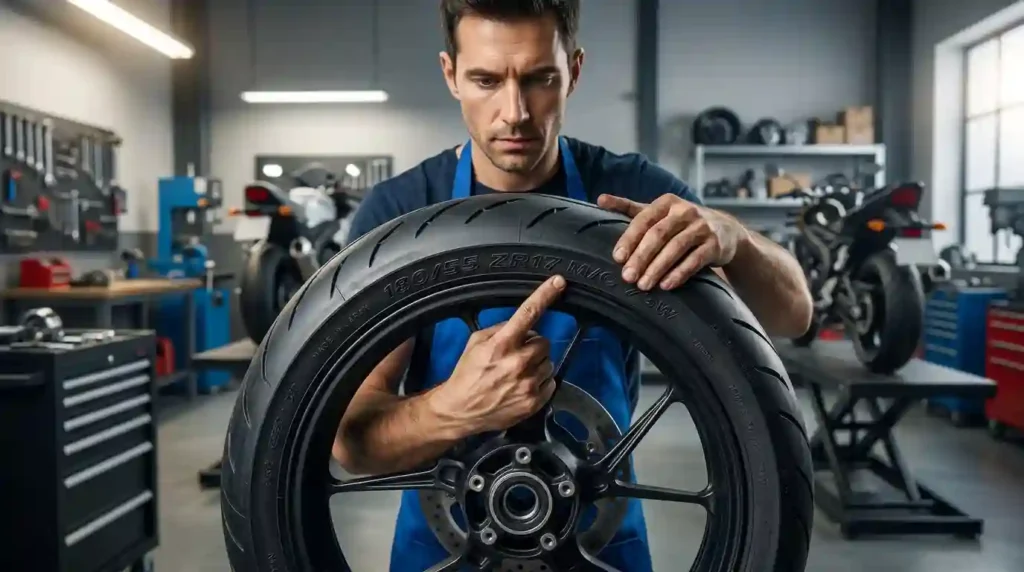
Reading the raised or printed codes stamped onto your tire sidewall is the most reliable way to select replacement rubber.
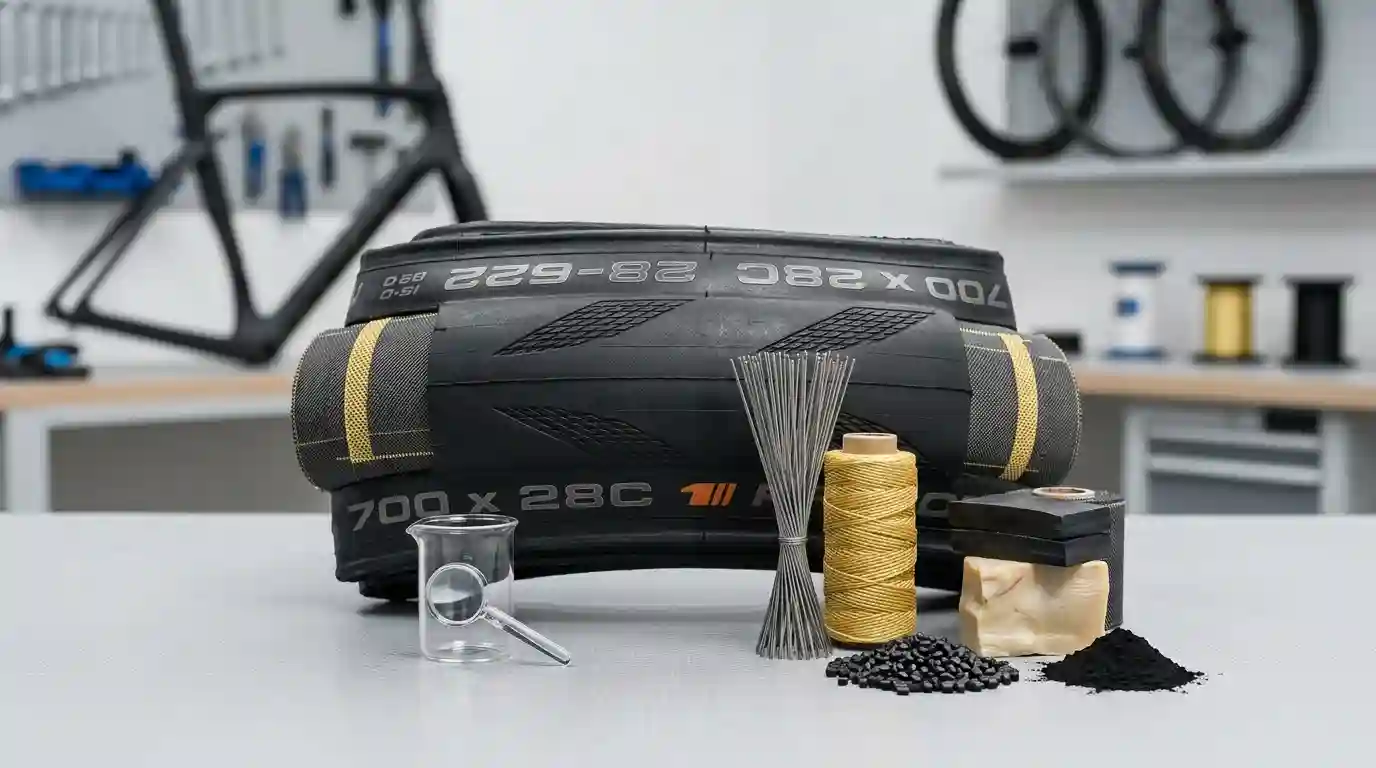
Every production bicycle tire carries sidewall markings that detail its physical dimensions. You will routinely encounter traditional formatting styles such as 700 x 28C, 29 x 2.25, 26 x 1.95, or standardized metric codes like 37-622.
Deciphering these markings requires understanding three distinct core measurements:
- Nominal Outer Diameter: Describes the overall height of the tire and wheel system.
- Mounted Tire Width: Denotes the physical width of the inflated rubber casing.
- Bead-Seat Diameter (BSD): Specifies the exact millimeter measurement where the tire bead locks into the rim channel.
Featured Snippet Target: How to Read a Bike Tire Size
To read a bike tire size, inspect the raised or printed sequence on the tire sidewall. These numbers indicate tire width and nominal diameter, such as 700 x 28C or 29 x 2.25. For the most accurate fitment, locate the ETRTO/ISO metric code (such as 37-622), which details the exact tire width and bead-seat rim diameter in millimeters.
Where to Find Bike Tire Size
TYPICAL TIRE SIDEWALL MARKINGS
┌──────────────────────────────────────────────────────────────────┐
│
│ [ Maxxis Rambler Gravel ] (40-622) 700x40C 60 PSI MAX │
▲ ▲ ▲ │
ETRTO/ISO French Max │
│ Standard Metric Pressure │
└──────────────────────────────────────────────────────────────────┘
Read the Tire Sidewall
Rotate your bicycle wheel and inspect the rubber sidewall under good lighting. Manufacturers heat-mold or print dimensional numbers along the outer circumference of the casing.
Always write down the entire text sequence rather than copying only the primary diameter digit. A code recorded as 29 lacks the essential width and rim fitment details needed to purchase a replacement.
Do not confuse tire size markings with tire pressure inflation guidance. Digits accompanied by units like PSI, BAR, or kPa (e.g., 50-75 PSI) indicate air pressure limits, not physical sizing dimensions.
Check the Wheel and Rim
When sidewall lettering wears off due to brake dust, trail scraping, or UV exposure, turn your attention to the wheel rim.
Modern rim manufacturers apply standard rim width and diameter stickers near the air valve hole. These labels usually follow metric ETRTO conventions, such as 622 x 21C or 584 x 25 TSI.
┌─────────────────────────────────────────────────────────────────┐
│ READING RIM MARKINGS │
├───────────────────────────────┬─────────────────────────────────┤
│ Rim Stamped Code │ Structural Specification │
├───────────────────────────────┼─────────────────────────────────┤
│ 622 x 19C │ 622 mm Bead-Seat Diameter (700c)│
│ │ 19 mm Internal Rim Width │
├───────────────────────────────┼─────────────────────────────────┤
│ 584 x 23 TSI │ 584 mm Bead-Seat Diameter (27.5″)│
│ │ 23 mm Internal Rim Width │
└───────────────────────────────┴─────────────────────────────────┘
Never alter your tire width without first cross-referencing your rim manufacturer’s internal rim width compatibility chart.
Check the Bike Manufacturer’s Specifications
If the factory tire is completely unreadable or missing, search for your bicycle’s exact make, model name, and production year online.
Manufacturer technical specification archives detail:
- Original tire size and rim profile installed at the factory.
- Internal rim channel width.
- Maximum allowable frame and fork tire clearance limits.
Consulting official specs is especially critical for e-bikes, gravel bikes, and modern road bikes with tight stay tolerances.
What Do the Numbers on a Bike Tire Mean?
SIZING SYSTEM COMPARISON
┌─────────────┬─────────────┬────────────────────┬───────────────────┐
│ SYSTEM │ EXAMPLE │ FIRST NUMBER │ SECOND NUMBER │
├─────────────┼─────────────┼────────────────────┼───────────────────┤
│ French │ 700 x 28C │ Approx Outside Dia │ Width (mm) │
Imperial │ 29 x 2.25 │ Approx Outside Dia │ Width (inches) │
│ ETRTO/ISO │ 37-622 │ Exact Width (mm) │ Rim Diameter (mm) │
└─────────────┴─────────────┴────────────────────┴───────────────────┘
Understanding 700 x 28C
The sequence 700 x 28C represents the traditional French metric sizing system, widely used on road, hybrid, and gravel bicycles:
- 700: Refers to the original approximate outside diameter of the fully inflated tire in millimeters (700 mm).
- 28: Represents the nominal mounted tire width in millimeters (28 mm).
- C: A historical rim width designation code from the early French sizing system. Today, the suffix “C” simply indicates that the tire is designed to fit a standard road or gravel rim with a 622 mm bead-seat diameter.
Understanding 29 x 2.25
The designation 29 x 2.25 follows the Imperial (inch-based) sizing system common on mountain bikes:
- 29: Represents the approximate outer diameter of the tire tread in inches.
- 2.25: Indicates the approximate inflated width of the tire casing in inches (approx. 57 mm).
Imperial sizing stores volume data using either decimals (e.g., 2.25) or traditional fractions (e.g., 26 x 1 1/2). Decimal and fractional designations reflect different rim bead diameters and are not interchangeable.
Understanding 26 x 1.95
The 26 x 1.95 format is an older Imperial standard widely found on vintage mountain bikes, beach cruisers, and older commuter bikes:
- 26: Denotes an approximate 26-inch overall wheel-and-tire outer diameter.
- 1.95: Represents the nominal tire width in decimal inches.
Legacy inch-based labels are notoriously imprecise because changing the tread block height alters the nominal outside calculation, even when the underlying rim attachment point remains identical.
What Is ETRTO or ISO Bike Tire Sizing?
The ETRTO (European Tyre and Rim Technical Organisation) / ISO 5775 standard provides a precise, universally standardized measurement metric. Unlike French or Imperial labels—which estimate external tread outer height—the ETRTO system measures the exact physical rim attachment interface.
ETRTO CODE BREAKDOWN: 37-622
37 – 622
│ │
│ └─ Rim Bead-Seat Diameter (mm)
└─────────── Uninflated Casing Width (mm)
An ETRTO classification code always features two numbers separated by a dash (e.g., 37-622):
- First Number (37): Indicates the inflated tire casing width in millimeters (37 mm).
- Second Number (622): Details the exact bead-seat diameter (BSD) of the wheel rim in millimeters.
Featured Snippet Target: What is ETRTO Tire Sizing?
In an ETRTO bike tire size code such as 37-622, the first number (37) indicates the inflated tire casing width in millimeters, while the second number (622) specifies the exact rim bead-seat diameter in millimeters.
Bike Tire Size vs. Wheel Size
Wheel size refers specifically to the diameter of the metal or carbon rim, whereas tire size reflects the width, height, and volume of the rubber casing fitted to that rim.
WHEEL DIAMETER VS. TIRE WIDTH
◄───────────────── 28 mm Tire Width ────────────────►
┌───────────────────────────────────────────────────┐ ▲
│ RUBBER TIRE │ │
└───────────────────────┬───────────────────────────┘ │
│ │
┌────────┴────────┐ │ 622 mm
│ WHEEL RIM │ │ Wheel Rim
│ (622 mm BSD) │ │ Diameter
└────────┬────────┘ │
│ │
▼ ▼
A single wheel rim diameter can accept various tire widths, provided the frame clearance and internal rim width permit. For example, a 622 mm BSD rim can accommodate:
- A 25 mm skinny road tire.
- A 40 mm plush gravel tire.
- A 2.4-inch (61 mm) mountain bike tire.
Why Bead-Seat Diameter Matters
The tire bead is the reinforced steel or folding aramid cord along the edge of the tire that hooks firmly into the internal channel of the wheel rim.
TIRE BEAD LOCK INTERFACE
┌──────────────────┐
│ TIRE RUBBER │
└────────┬─────────┘
│
( Aramid/Steel Bead )
└──────┬───────┘
│
┌─────┴──────┐
│ RIM HOOK │
└────────────┘
The bead-seat diameter of the tire must match the bead-seat diameter of the rim exactly. Attempting to force a 584 mm (27.5-inch) tire onto a 622 mm (700c) rim will tear the tire bead, while attempting the reverse will result in an immediate tire blowout.
How to Read Tire Width
Tire width appears as the second number in traditional French formatting (700 x 28C), the decimal value in Imperial formatting (29 x 2.25), or the leading digits in an ETRTO code (28-622).
Millimeter-based systems express width in direct 1 mm increments (e.g., 25 mm, 28 mm, 32 mm), whereas mountain bike Imperial systems measure casing volume in decimal inches (e.g., 2.25″, 2.4″, 2.6″).
Why Actual Tire Width Can Differ
The width printed on your tire sidewall is a nominal reference figure. The actual mounted width measured with digital calipers can vary based on several factors:
- Internal Rim Width: Mounting a tire on a wider rim increases its installed width and flattens its profile.
- Casing Construction: High-TPI flexible casings stretch slightly more under air pressure than rigid, heavy-gauge rubber casings.
- Tubeless Inflation Pressure: Running higher PSI expands the casing, whereas running lower pressures flattens the casing footprint under load.
How Tire Size Affects Rim Compatibility
Understanding Rim Width
Matching tire width to internal rim width is essential for safety and handling. Internal rim width is measured between the inside faces of the rim hooks.
┌──────────────────────────────────────────────────────────────────┐
│ RIM WIDTH COMPATIBILITY TABLE │
├────────────────────────┬─────────────────────────────────────────┤
│ Internal Rim Width │ Approved Compatible Tire Width Range │
├────────────────────────┼─────────────────────────────────────────┤
17 mm – 19 mm │ 23 mm – 32 mm │
│ 21 mm – 23 mm │ 28 mm – 45 mm │
25 mm – 27 mm │ 42 mm – 2.25 in (57 mm) │
29 mm – 31 mm │ 2.25 in (57 mm) – 2.6 in (66 mm) │
35 mm + │ 2.6 in (66 mm) – 3.0 in (76 mm) │
└────────────────────────┴─────────────────────────────────────────┘
Mounting an excessively wide tire on a narrow rim causes tire squirm and instability during cornering. Conversely, placing a narrow tire on a wide rim flattens the tread profile, exposing the rim edge to damage.
PAA Target Answer: How do I know if a bike tire will fit my rim?
First, confirm that the tire’s ETRTO bead-seat diameter matches your rim’s diameter exactly (e.g., 622 mm). Next, check your rim manufacturer’s specifications to ensure the tire’s width falls within the approved internal rim width range.
How to Read Bike Tire Pressure Information
Sidewall markings separate physical tire dimensions from inflation pressure guidance.
Look for designations like MAX INFLATE TO 85 PSI, 40-65 PSI, or 3.5 – 4.5 BAR.
SIDEWALL PRESSURE LIMIT MARKINGS
┌──────────────────────────────────────────────────────────────────┐
│ │
[ MIN INFLATE: 35 PSI / 2.4 BAR ] ─── [ MAX: 60 PSI / 4.1 BAR ]│
│ │
└──────────────────────────────────────────────────────────────────┘
How to Choose Starting PSI
Treat the maximum PSI printed on a tire sidewall as a safety ceiling, not an everyday target. To determine your baseline riding pressure:
- Identify your total system weight (Rider + Bike + Gear).
1 - Subtract 3 to 5 PSI if running a tubeless setup.
1 - Add 2 to 4 PSI to the rear tire to account for weight bias.
PSI BASELINE BY SYSTEM WEIGHT
┌──────────────────────┬─────────────┬─────────────┬───────────────┐
│ Total System Weight │ Road (28mm) │ Gravel(40mm)│ MTB (2.4″) │
├──────────────────────┼─────────────┼─────────────┼───────────────┤
│ 150 lbs (68 kg) │ 62 PSI │ 33 PSI │ 20 PSI │
180 lbs (82 kg) │ 72 PSI │ 38 PSI │ 23 PSI │
│ 210 lbs (95 kg) │ 82 PSI │ 43 PSI │ 26 PSI │
240 lbs (109 kg) │ 92 PSI │ 48 PSI │ 29 PSI │
└──────────────────────┴─────────────┴─────────────┴───────────────┘
PAA Target Answer: What PSI should I put in my bike tires?
Target inflation pressure depends on tire volume and rider weight. Baseline pressures typically range from 65–85 PSI for 28 mm road tires, 35–45 PSI for 40 mm gravel setups, and 20–26 PSI for 2.4-inch tubeless mountain bike tires. Always stay within the minimum and maximum limits printed on your tire sidewall.
Does Tire Size Affect Rolling Resistance?
Rolling resistance is driven by casing hysteresis—the internal energy lost as the tire casing flexes while rolling over the ground.
┌──────────────────────────────────────────────────────────────────┐
│ PERFORMANCE TRADE-OFF MATRIX │
├─────────────────┬──────────────────────┬─────────────────────────┤
│ Performance │ Narrow Tire │ Wider Tire │
│ Metric │ (e.g., 25mm / 2.1″) │ (e.g., 32mm / 2.5″) │
├─────────────────┼──────────────────────┼─────────────────────────┤
Acceleration │ Faster (Less Weight) │ Slower (Higher Mass) │
│ Aerodynamics │ Superior at 20mph+ │ Increased Drag │
Comfort │ Firm / High Vibration│ Superior Absorption │
│ Traction │ Smaller Contact Patch│ Expanded Contact Patch │
Rough Surface │ Higher Rolling Losses│ Lower Rolling Losses │
└─────────────────┴──────────────────────┴─────────────────────────┘
At equal inflation pressures, a wider tire forms a shorter, broader contact patch. This profile reduces casing deformation at the tire shoulders, allowing wider tires to roll faster over real-world road imperfections.
How Tire Size Affects Tread and Cornering Grip
Understanding Tread Pattern
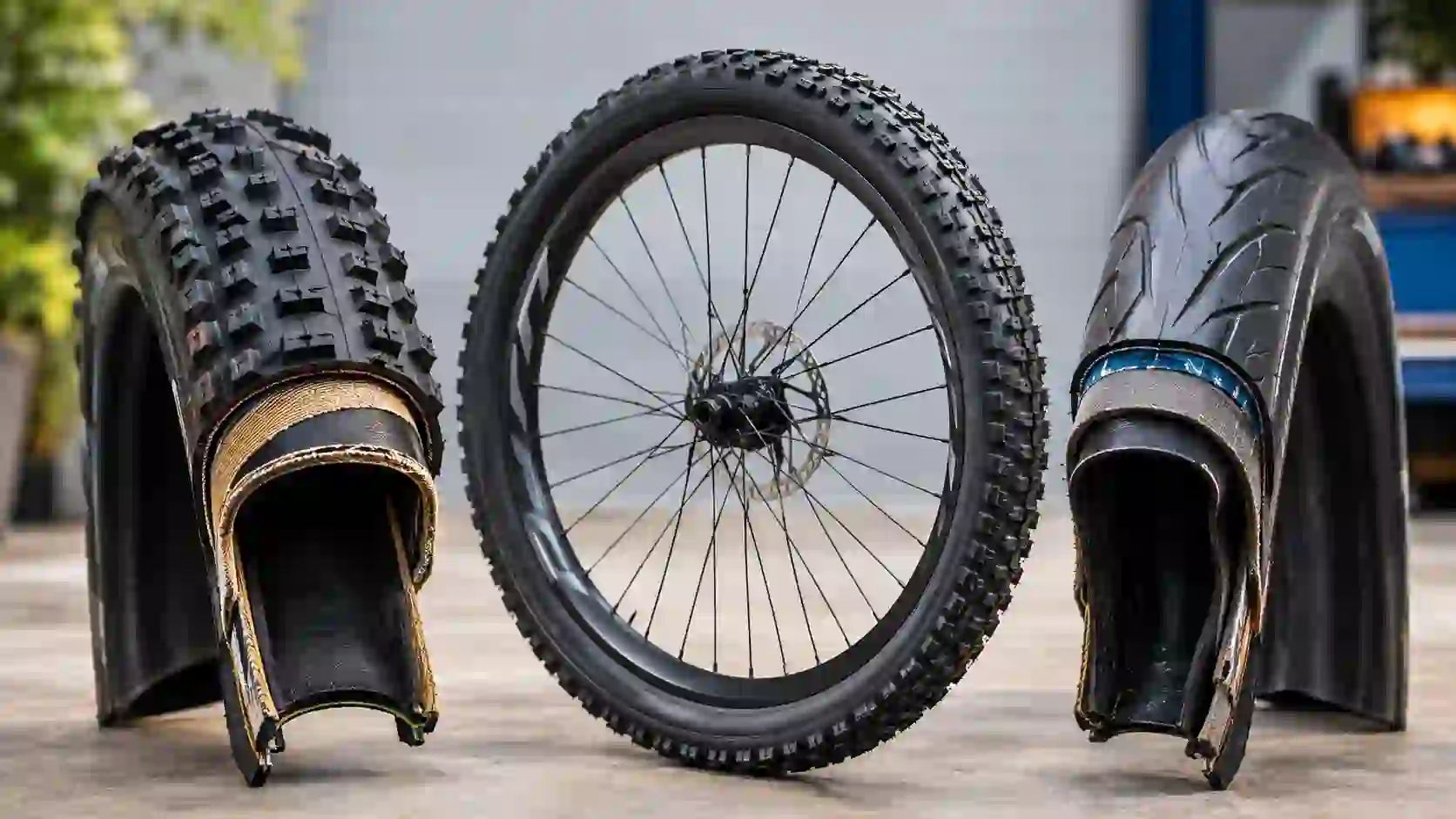
Tread design should be selected based on your primary riding surface:
TREAD PROFILE CATEGORIES
┌─────────────────────────────────────────────────────────────────┐
SLICK SEMI-SLICK AGGRESSIVE KNOBBY │
Smooth center Smooth center line Raised, blocky knobs │
Maximum pavement Fast on pavement, Maximum mechanical grip │
│ grip shoulder knobs grip in loose dirt, rocks, │
in dirt corners and deep mud │
└─────────────────────────────────────────────────────────────────┘
- Slick Treads: Optimized for smooth pavement, maximizing contact area on clean roads.
- Semi-Slick Treads: Feature a fast-rolling center ridge for asphalt, paired with raised shoulder knobs for off-road cornering traction.
- Aggressive Knobby Treads: Utilize tall, widely spaced rubber blocks to dig into loose dirt, mud, and trail debris.
Tire Volume and Cornering Grip
Higher-volume tires deform around road chatter, keeping the rubber contact patch firmly planted. Lower inflation pressures allow side knobs to engage the trail predictably during aggressive lean angles.
Tire Size, Casing TPI, and Puncture Protection
What Does Casing TPI Mean?
TPI (Threads Per Inch) measures the thread density within the woven fabric layer inside the tire casing.
┌──────────────────────────────────────────────────────────────────┐
│ TPI COMPARISON │
├────────────────────────┬─────────────────────────────────────────┤
│ Low TPI (27 – 60 TPI) │ High TPI (120 – 320 TPI) │
├────────────────────────┼─────────────────────────────────────────┤
Thick nylon cords │ Fine, thin threads │ High puncture resistance│ Supple, compliant ride feel │
│ Heavier weight │ Low rolling resistance & low we│ Ideal for commuters │ Ideal for road racing & performance │
└────────────────────────┴─────────────────────────────────────────┘
What Is a Puncture Belt?
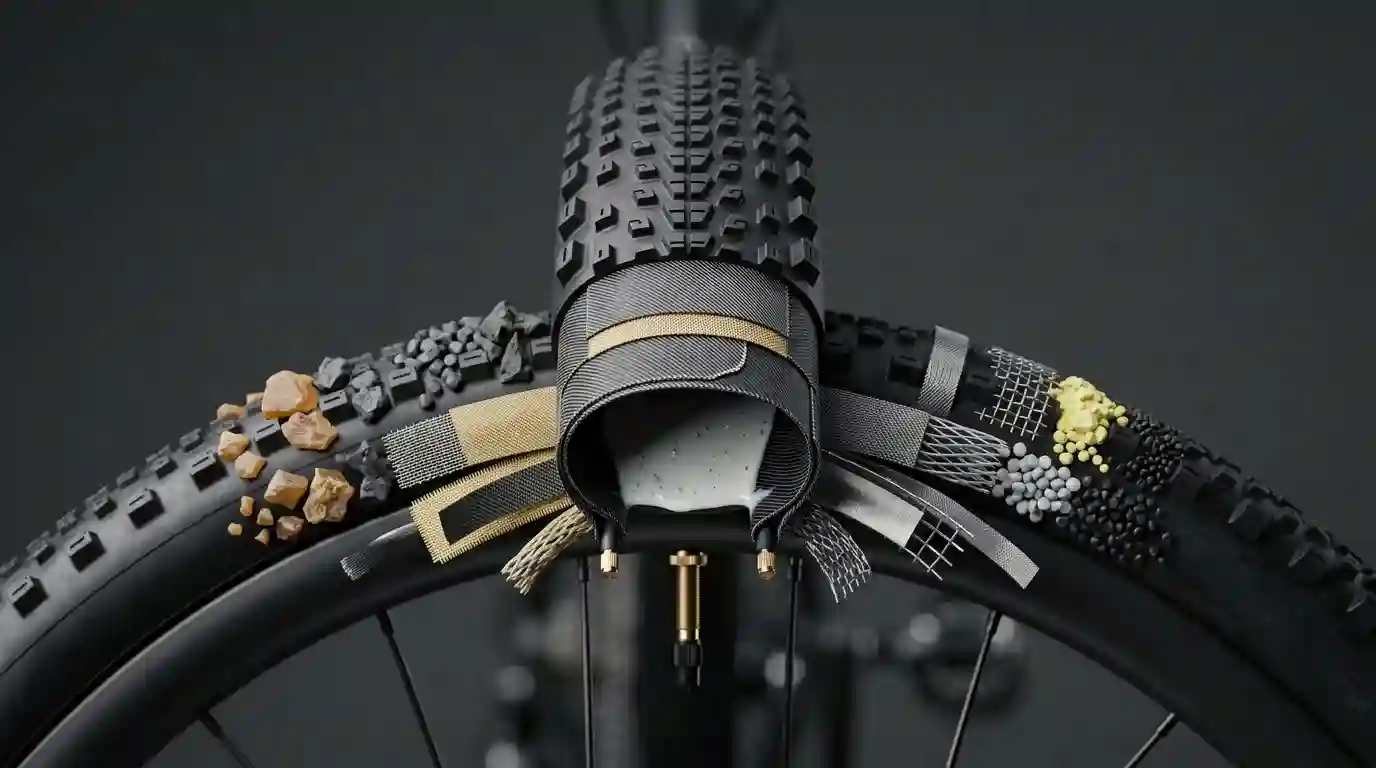
A puncture belt is a protective sub-tread layer designed to resist sharp road debris. Protective materials include lightweight aramid/Kevlar weaves for performance setups and thick elastomeric rubber layers for heavy-duty commuter tires.
Does Bike Tire Size Matter for Tubeless Tires?
Reading Tubeless Tire Markings
Verify that the tire sidewall explicitly features a tubeless designation, such as TLR (Tubeless Ready), TC (Tubeless Compatible), or UST.
TUBELESS VS. TUBE TIRE CROSS-SECTION
┌──────────────────────────────────────────────────────────────────┐
TUBELESS SETUP INNER TUBE SETUP │
Air-tight rim tape Standard rim strip │
Tubeless valve stem Inner tube stretched inside │
│ Liquid sealant seals punctures Tube holds air pressure │
└──────────────────────────────────────────────────────────────────┘
Tubeless Setup Basics
- Verify Tubeless Rim/Tire Compatibility: Confirm both components are tubeless-rated.
- Apply Tubeless Rim Tape: Seal all spoke holes in the rim bed with airtight tape.
- Install Tubeless Valve: Secure the tubeless valve stem tightly into the rim bed.
- Mount Tire & Add Sealant: Seat one tire bead, add 2–4 oz of liquid tubeless sealant, then seat the second bead.
- Seat the Bead: Rapidly inflate using a floor pump or compressor until the tire beads snap securely into place.
PAA Target Answer: Can I make any bike tire tubeless?
No. Non-tubeless tires lack the impervious casing lining and reinforced bead shape required to retain sealant and air safely under pressure. Attempting to run standard tube-type tires tubeless can cause catastrophic bead failure.
How to Read Tire Size for Different Types of Bikes
- Road Bike Tires: Standard sizes range from 700 x 25C to 700 x 32C. Modern road setups emphasize supple casings and wide rim profiles.
- Gravel Bike Tires: Typical options range from 700 x 38C to 700 x 45C (or 650B x 47). Choose tread designs and casing protection based on your pavement-to-dirt ratio.
- Mountain Bike Tires: Common wheel diameters are 27.5″ and 29″, with casing widths from 2.3″ to 2.6″. Select casing reinforcement based on terrain rougher conditions.
- E-Bike Tires: Require ECE-R75 certified casings rated for higher motor speeds and added system weight.
How to Read Bike Tire Size Step by Step
STEP-BY-STEP SELECTION FLOW
┌──────────────────────────────────────────────────────────────────┐
STEP 1: Locate Sidewall Markings & Record Full Code │
│ │ │ STEP 2: Note Inflated Tire Casing Width (mm or inches) │
│ │
STEP 3: Identify Bead-Seat Diameter via ETRTO Code (e.g. 622) │
│ │ STEP 4: Check Internal Rim Width Compatibility │
│ │
STEP 5: Confirm Minimum 6mm Frame & Fork Clearance │
│ │
STEP 6: Adjust Target PSI Based on Rider Weight & Tubeless Setup │
└──────────────────────────────────────────────────────────────────┘
- Locate Sidewall Markings: Write down the complete text sequence printed on the tire casing.
- Identify Tire Width: Record the casing width in millimeters or decimal inches.
- Verify Wheel Diameter: Cross-reference the ETRTO metric code (e.g., 622 mm) to confirm exact rim fitment.
- Check Internal Rim Width: Ensure the tire width falls within your rim manufacturer’s recommended compatibility range.
- Measure Frame Clearance: Confirm at least 6 mm of clearance between the tire and all frame stays and fork crowns.
- Set Operating PSI: Choose starting air pressures based on total system weight, tire volume, and tubeless configuration choices.
Common Bike Tire Size Mistakes to Avoid
- Reading Only the Diameter: Buying a 29 x 2.6″ tire for a frame rated for 29 x 2.1″ causes frame rub.
- Ignoring ETRTO Metric Codes: Relying solely on outer labels instead of checking the exact bead-seat diameter.
- Confusing Fractions and Decimals: Treating 26 x 1.5″ as equivalent to 26 x 1 1/2″.
- Exceeding Rim Clearances: Installing wide tires without verifying internal rim width compatibility.
- Over-Inflating to Max PSI: Inflating tires to the maximum limit printed on the sidewall, which reduces comfort and traction.
How to Choose the Right Replacement Bike Tire
- Match the Bead-Seat Diameter: Ensure the ETRTO second digit matches your rim’s exact millimeter specification.
- Match Your Primary Terrain: Choose slick tread for smooth roads, semi-slick tread for gravel, or aggressive knobby tread for trail riding.
- Match Casing Durability: Select high-TPI casings for speed and comfort, or low-TPI casings with puncture belts for daily commuting.
How to Tell When Your Bike Tires Need Replacing
TIRE WEAR IDENTIFICATION
┌──────────────────────┬───────────────────────────────────────────┐
│ WEAR SIGNS │ VISUAL INDICATOR │
├──────────────────────┼───────────────────────────────────────────┤
Center Flattening │ Center tread wears down into a flat profile│
│ Visible Casing │ Woven nylon fibers show through tread │
│ Sidewall Cracking │ Fine dry-rot cracks appear along casing │
Frequent Punctures │ Repeated flats occur over short distances │
└──────────────────────┴───────────────────────────────────────────┘
PAA Target Answer: How do I know when my bike tires are worn out?
Replace your bicycle tire if the center tread wears flat, woven casing threads become visible, fine cracks appear along the sidewall, or puncture frequency increases unexpectedly.
Data-Backed Bike Tire Testing and Selection
Evaluating replacement tires based on empirical testing helps optimize performance:
- Measured Mounted Width: Caliper measurements account for internal rim width variations.
- Casing Flexibility: Supple, high-TPI casings absorb trail buzz efficiently, lowering rolling resistance off-road.
- Puncture Protection Layers: Sub-tread belts help prevent flats from glass and thorns on daily commutes.
Frequently Asked Questions About Reading Bike Tire Size
How do I read my bike tire size?
Read the raised sequence molded into the tire sidewall. Record the width, nominal diameter, and ETRTO metric code (e.g., 28-622).
What does 700 x 28C mean on a bike tire?
It designates a tire in the traditional French sizing system with a 700 mm nominal outer diameter and a 28 mm width, designed to fit a 622 mm bead-seat rim.
What does 29 x 2.25 mean?
It denotes a mountain bike tire with an approximate 29-inch outer tread diameter and a 2.25-inch casing width.
Are 700C and 29-inch bike tires the same size?
Both share the exact same 622 mm bead-seat diameter. However, 29-inch tires feature wider casings that require wider rims and greater frame clearance.
Can I put a wider tire on my bike?
Yes, as long as your rim width supports the wider profile and you maintain at least 6 mm of clearance between the tire and frame stays.
What PSI should I use based on my weight?
Air pressure depends on total system weight and tire volume. Heavier riders require higher PSI to avoid rim bottoming, while lighter riders can run lower pressures for increased traction.
Does tire size affect rolling resistance?
Yes. At equal inflation pressures, wider tires deform less at the contact patch, rolling faster over rough surfaces.
Does tire size matter for tubeless setups?
Yes. The tire and rim must share compatible bead dimensions, and both components must be explicitly rated for tubeless installation.
Final Takeaways: How to Read Bike Tire Size
- Your tire sidewall provides all key sizing and pressure specifications.
- Always match the ETRTO bead-seat diameter (e.g., 622 mm) to guarantee proper rim fitment.
- Maintain at least 6 mm of frame clearance around installed tires.
- Select casing TPI, tread pattern, and tire volume based on your primary riding terrain.
Ready to calculate your ideal operating pressure and confirm tire fitment? Visit TheBikeTires.com to use our free Bike Tire Pressure Calculator & Tire Finder Tool today!

Mohidul Islam is a leading cycling technology specialist and bike tire consultant with over 15 years of hands-on experience in the bicycle industry. He holds a Bachelor of Science in Mechanical Engineering from Penn State University, where he focused heavily on material science, tread mechanics, and rubber compound performance. Over the past decade and a half, Alex has conducted extensive field testing, tubeless setup evaluations, and tire pressure modeling for road, mountain, and e-bikes. His practical insights and data-driven approach help cyclists of all levels optimize grip, speed, and durability on every ride.