
Few things ruin a morning like a flat on the way to work. Add a wet corner that feels sketchy, tires that wear out in a season, or a ride so harsh it rattles your teeth. These are the daily problems US commuters face. Knowing how to choose tyres for a commuter bike fixes most of them.
The best commuter tire should match your roads, riding distance, bike clearance, rim width, and weather. For many riders, a moderately wide tire with reliable puncture protection gives a strong balance of speed and comfort. Width, tread pattern, casing, rubber compound, and tire pressure all shape your daily ride.
Quick answer: To choose commuter bike tires, check your wheel and rim size, choose a width that fits your frame, then match the tread, casing, puncture protection, and PSI to your roads and riding conditions.
The right tire and correct PSI protect your safety, save time, and keep you comfortable. They also cut the odds of a roadside repair. Commuting adds up fast, with hundreds of miles and hundreds of road hazards every year. A well-chosen tire turns that daily grind into an easy habit. See how we research in our testing process and editorial policy.
What Makes a Good Commuter Bike Tire?
A good commuter tire does four jobs well. Each one matters on a daily route. You ride in rush hour, in rain, and often in a hurry, so your tires must work every time.
- Comfort: Enough air volume to handle rough pavement, cracks, and potholes.
- Durability: A strong casing and tread that handle frequent use.
- Puncture protection: Useful against glass, wire, thorns, and road debris.
- Grip: Reliable braking and cornering in dry and wet conditions.
For a broader look at quality, read what makes a good bike tyre.
The Most Important Commuter Tire Features
Start with these four features. They decide most of how your bike feels from the first pedal stroke.
- Tire width and air volume
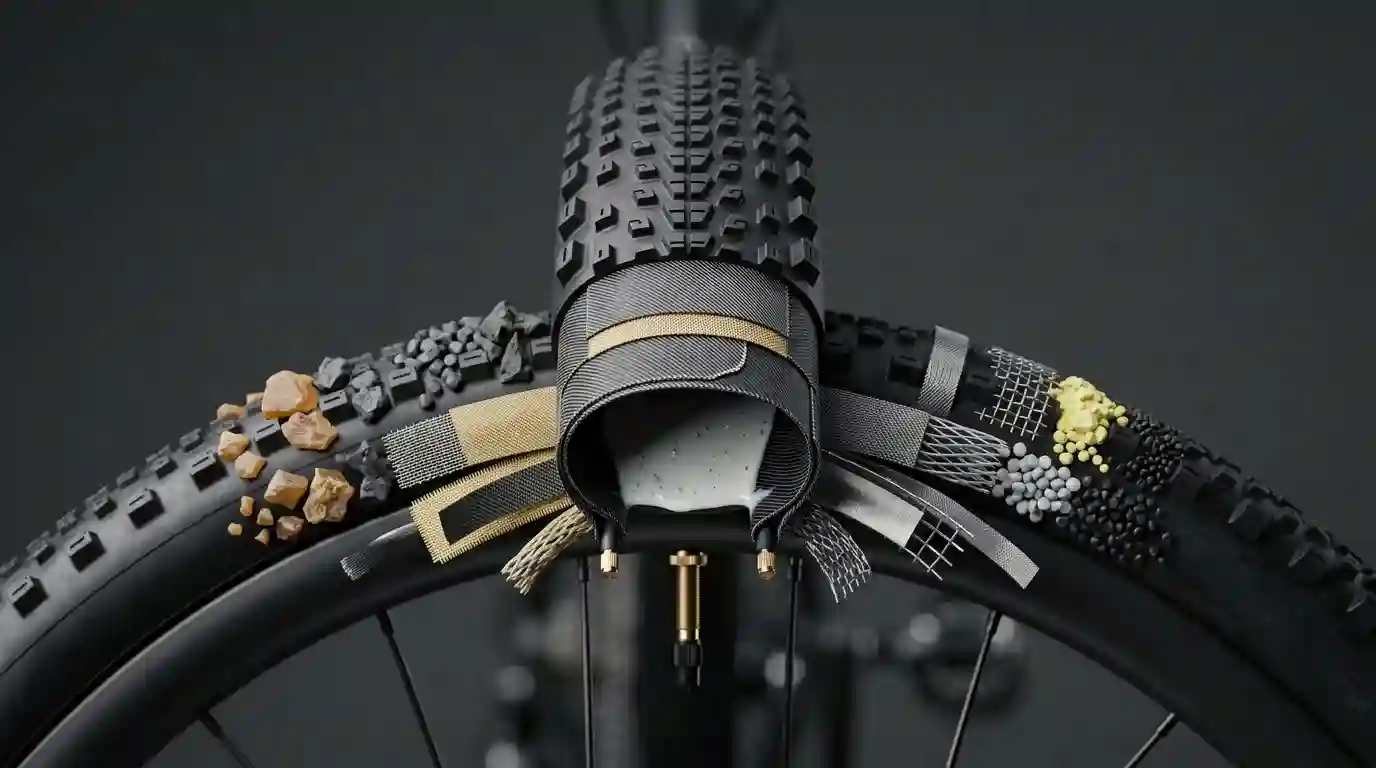
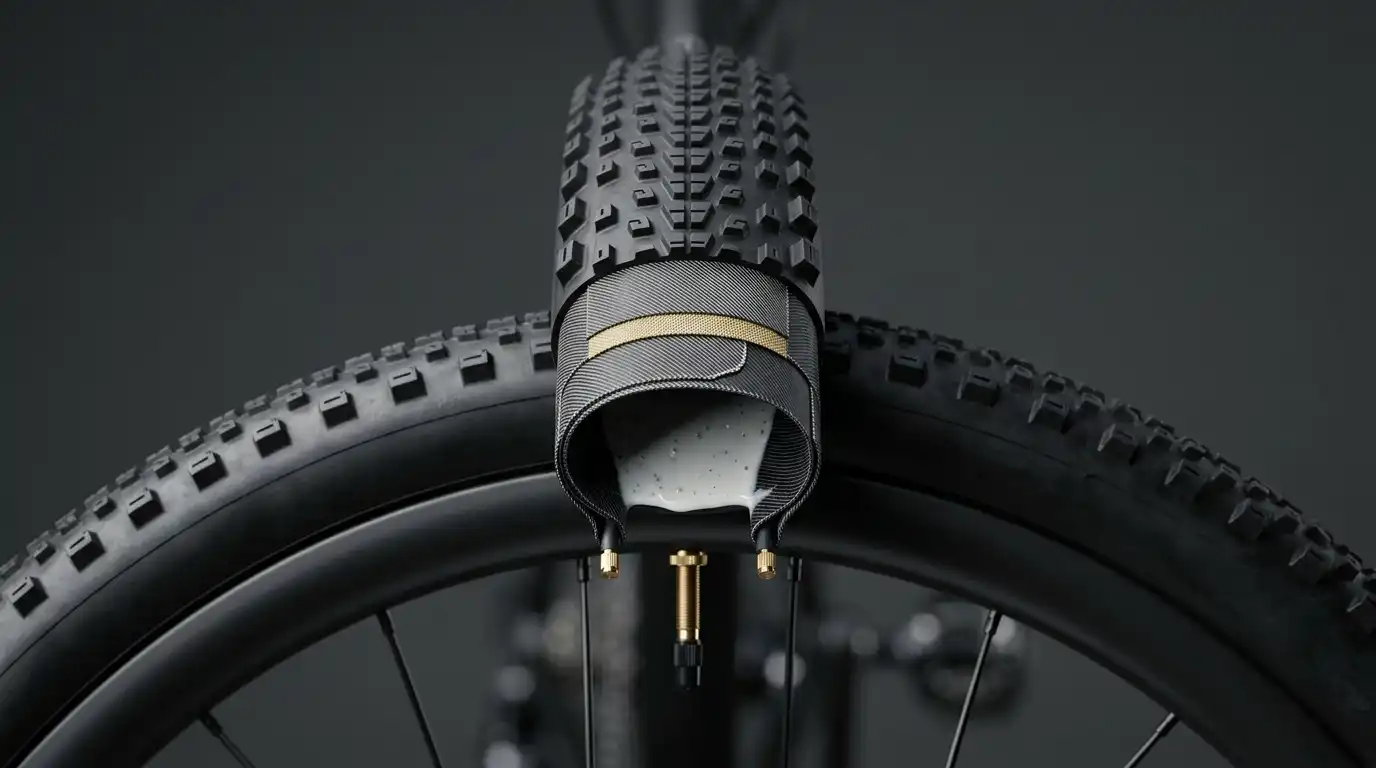
- Puncture belt and casing construction
- Tread pattern and rubber compound
- Pressure range and rim compatibility
Our guide on how to choose bike tires for everyday riding adds more detail.
What Tire Width Is Best for a Commuter Bike?
Wider tires improve comfort and traction on rough streets. Narrower tires cut weight and suit smooth roads. The width you pick must fit the frame, fork, brakes, and rim. Many commuters never test the limits of their frame, so a size up may be possible.
For deeper guidance, see the best bike tyre size for commuting and bike tire width explained.
Best Width for Smooth City Streets
Around 28-32mm works well for road-focused commuting. Slick or lightly treaded tires keep rolling resistance low. Use a pressure that suits your weight and the road. Fresh asphalt and bike lanes reward a fast, supple tire.
Our best tyre width for road and city riding covers this in depth.
Ideal Width for Rough City Roads
Around 32-40mm adds comfort and impact absorption. More air volume reduces harsh vibration. Check frame and fork clearance before you go wider.
Potholes, patched asphalt, and frost-heaved streets in the Northeast and Midwest all reward extra volume. A softer tire at lower pressure rolls over these hits instead of slamming into them.
Ideal Width for Gravel Paths and Mixed Routes
About 35-45mm suits pavement, bike paths, and light gravel. A semi-slick tread balances speed and traction. Tubeless compatibility helps on rougher routes. Riders who cut through parks or follow rail trails often pick this size.
Not sure your frame has room? Read how much wider a tire you can fit.
How to Choose the Right Commuter Tire Tread
Tread should match the surface you ride most. Smooth tires roll efficiently on pavement. Lugs and knobs do little on dry asphalt except add noise and drag. Deeper tread helps on loose ground more than on ordinary city streets.
Learn the basics in why bike tires have different tread patterns and how much tread a bike tyre should have.
Are Slick Tires Good for Commuting?
Yes, especially on paved roads and bike lanes. Slick tread cuts needless rolling resistance. Wet grip also depends on the rubber compound and tire design. A good slick often grips better on wet pavement than a cheap treaded tire.
When Should You Choose Treaded Tires?
Pick light tread for mixed pavement, gravel, and dirt paths. Deeper grooves help when roads often turn muddy or loose. Avoid very aggressive tread if most of your ride is asphalt. It wears fast, hums loudly, and slows you down.
How to Choose Puncture Protection for Commuting
Daily commuters face glass, staples, wire, thorns, and sharp debris. A puncture belt adds protection under the tread. More protection usually adds weight and can make a tire less supple. The trick is to buy only as much as your route needs.
What Is a Puncture-Resistant Tire?
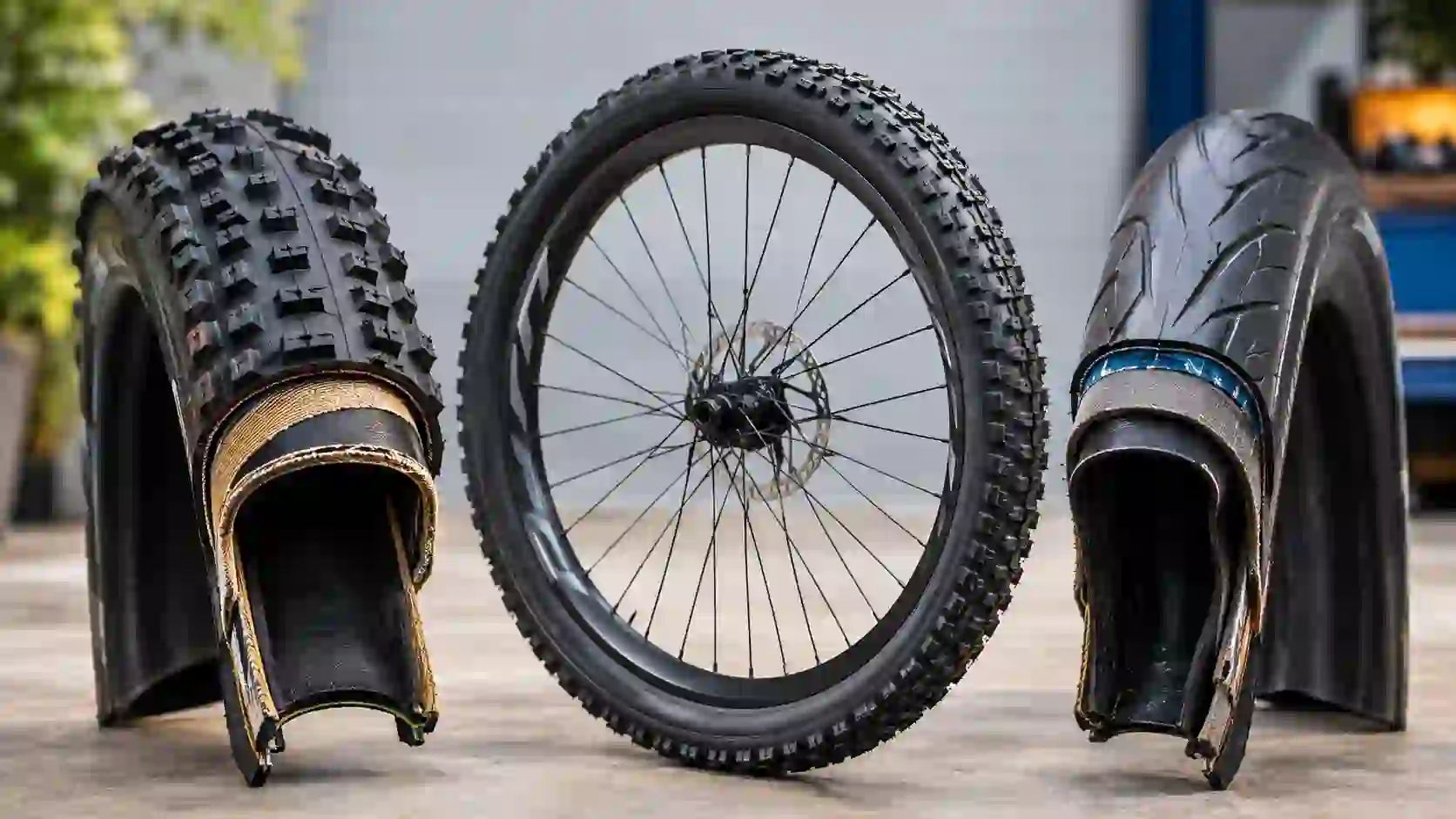
It uses an extra protective layer inside the casing. That layer helps stop common tread-area punctures. It does not make a tire fully puncture-proof. Sidewall cuts and long thorns can still get through.
Do You Need Heavy Puncture Protection?
High-mileage commuters may benefit from reinforced builds. Short rides on clean bike paths may not need the heaviest protection. Balance puncture resistance against rolling efficiency and comfort. Many riders find a mid-level belt is the sweet spot.
How Tire Pressure (PSI) Affects Commuter Bike Tires
PSI should account for system weight, tire width, rim width, casing, and surface. Wider tires often run at lower pressure than narrow ones. Always stay within the tire and rim pressure limits.
Tires also lose air over time. See why bike tyres lose air and how often to check bike tyres. A weekly check is a good habit. It takes one minute and prevents many flats.
How to Set Commuter Tire Pressure
- Check the tire’s recommended PSI range.
- Consider rider, bike, and cargo weight.
- Check tire width and rim width.
- Start with a sensible pressure inside that range.
- Adjust gradually based on comfort and handling.
Use a real gauge, since many pump dials are off by several PSI.
Simple Commuter PSI Formula
Add rider, bike, and cargo weight in pounds. This is your system weight. Put about 45% on the front wheel and 55% on the rear. Multiply each load by a width factor: 0.66 (28mm), 0.52 (32mm), 0.39 (38mm), or 0.34 (40mm).
Then adjust. Subtract 5 to 10% on rough or wet streets. Subtract about 10% for tubeless. Add 5 to 10% for inner tubes.
Example: A 175 lb rider on a 20 lb bike makes 195 lb. The rear carries about 107 lb and the front about 88 lb. On 32mm tires, that is about 56 PSI rear and 46 PSI front.
PSI by Rider Weight
This table shows starting PSI (front / rear) for tubeless setups. Include your bags and bike in the weight.
| System Weight | 28mm | 32mm | 40mm |
|---|---|---|---|
| 150 lb | 45 / 54 | 35 / 43 | 23 / 28 |
| 175 lb | 52 / 64 | 41 / 50 | 27 / 33 |
| 200 lb | 59 / 73 | 47 / 57 | 31 / 37 |
| 225 lb | 67 / 82 | 53 / 64 | 34 / 42 |
| 250 lb | 74 / 91 | 59 / 72 | 38 / 47 |
Treat these as a first guess, then test. Never exceed the limit printed on the tire or rim.
What Happens at Too-High PSI?
The ride feels harsh. Grip on rough surfaces drops. Higher pressure does not always mean faster real-world riding. On rough city streets, the added vibration can actually slow you down.
What Happens at Too-Low PSI?
Tire squirm increases. Rim hits and pinch flats become more likely. Rolling resistance can rise from too much casing flex. The bike also feels vague when you turn or brake hard.
How Rider Weight Affects Commuter Tire Choice
Total system weight includes you, the bike, bags, locks, and other cargo. Heavier loads need enough tire volume and casing support. Set pressure for the whole system, not rider weight alone.
Best Tires for Heavier Commuters
Consider wider tires if the bike allows them. Stronger casings give extra support. Check the tire and rim load ratings. Many tires list a maximum load on the sidewall or in the spec sheet.
Cargo and Tire Pressure
Loaded panniers or a heavy backpack raise rear-wheel load. The rear tire may need more support than the front. Loaded racks can push the rear share to about 60%.
Make small pressure changes instead of big jumps. Add 3 to 5 PSI to the rear when you carry heavy bags.
How Rim Width Affects Commuter Tire Choice
Inner rim width affects the mounted tire profile. Match tire width to the rim maker’s recommended range. A wider tire does not automatically suit a wider rim.
| Internal Rim Width | Typical Commuter Tire Range |
|---|---|
| 15-17mm | 23-32mm |
| 19mm | 25-40mm |
| 21-23mm | 28-45mm |
| 25mm | 32-50mm |
Treat these as rough guides and confirm with your rim maker.
Hooked vs. hookless: A hooked rim has a small lip that locks the bead in place. A hookless rim has a straight wall and relies on a tight bead fit. Many hookless rims cap pressure near 72 PSI (5 bar), so read the rim label. Heavy commuters on hookless rims should lean toward wider tires, which need less pressure.
How to Check Your Rim Width
Measure the inside width between the rim bead seats. Check the maker’s specs if you have them. Compare the number with the tire maker’s compatible range.
See our guide on how to measure bike tire size.
Why Actual Tire Width Can Differ
A labeled 35mm tire may measure differently on different rims. Pressure and casing build also change the final width. Measure the mounted tire when frame clearance is tight.
Read bike tire size compatibility and bike wheel size vs tire size for more.
Tubeless vs Inner Tubes for Commuting
Tubeless cuts pinch-flat risk and allows suitable lower pressure. Inner tubes are simpler and easier to repair. Both can work well when installed correctly.
Benefits of Tubeless Commuter Tires
Tubeless sealant can seal many small punctures. Lower pressure improves comfort on rough streets. Tubeless also helps with goathead thorns and other small hazards common in the Southwest. With no inner tube, pinch flats are far less of a worry.
Benefits of Inner Tubes
Tubes are easy to install. Any bike shop can fix a tube problem, and spare tubes are cheap. A spare tube makes roadside repair simple. Setup is less complex for casual commuters.
Basic Tubeless Setup
- Confirm tire and rim compatibility.
- Install the correct tubeless rim tape.
- Fit the tubeless valve.
- Mount the tire.
- Add the recommended sealant.
- Inflate and seat the bead.
- Check for leaks before riding.
Top up sealant every few months, since it dries out over time.
How Casing TPI Affects Commuter Tires
Casing build influences comfort, rolling resistance, weight, and durability. TPI means threads per inch. Higher TPI can signal a more flexible casing in some designs.
Do not use TPI as your only quality test. Our guide to bike tire casing explains each layer.
High-TPI Commuter Tires
They can give a smoother, more flexible ride. They suit riders who want comfort and speed. Casings in the range of 120 TPI and above often feel supple. They may need extra protection on debris-heavy routes.
Reinforced Commuter Casings
Reinforced casings add resistance to punctures and cuts. You often use a thicker weave of tough nylon. They help with daily high-mileage riding. They can feel firmer than light performance casings.
How Rubber Compound Affects Commuter Tire Performance
Softer compounds grip more. Harder compounds last longer. Dual-compound designs balance mileage and cornering grip.
Durometer measures rubber hardness, and a lower number means softer rubber. See what bike tire rubber compound is and what bike tyres are made of.
Best Compound for Wet Roads
Look for compounds made for wet grip. Tread depth alone does not decide wet performance. Keep PSI suitable for stable road contact.
Best Compound for Long Tire Life
Harder, durable compounds handle high mileage. Many commuters get several thousand miles from a good tire. Expect a small trade-off in ultimate grip. Replace worn tires as the maker advises. A rear tire often wears out first, so rotate or replace it on time.
How Weather Should Affect Your Commuter Tire Choice
Your climate changes the best setup. A rainy Pacific Northwest commute is not the same as a dry Southwest one. Match tires and PSI to what you actually ride in. Check the forecast and the road, then adjust pressure before you leave.
Dry Weather
Slick or lightly treaded tires work well on pavement. Focus on rolling resistance and comfort. Use PSI that suits the road quality. Dry roads let you go a little firmer for speed.
Wet Weather
Put a reliable compound and cornering grip first. Avoid high PSI on rough or wet pavement, because it cuts the contact patch. Painted lines and metal covers are slick when wet, so cross them upright. Drop a few PSI for more grip, but not so low that the tire squirms. Check tire condition more often. Wet roads wash debris onto the tire, where it can work into the tread.
Snow, Ice, and Severe Conditions
Standard commuter tires may not give enough traction. Consider specialized tires where conditions demand them. Winter tires with small studs can add real grip on ice. Slow down and put control ahead of rolling efficiency. Winter riders in the Upper Midwest and New England often switch to wider, grippier tires or studded tires.
How E-Bikes Change Commuter Tire Choice
E-bikes weigh more and add e-bike torque. Rear tires may wear faster. Hub and mid-drive motors both add stress at the rear wheel during hard starts. Pick tires with suitable load, speed, and e-bike ratings.
For wear timing, see how often bike tyres should be replaced.
Best Tire Features for E-Bikes
- Reinforced casing.
- Strong puncture protection.
- Durable rubber compound.
- Suitable load and speed rating.
E-Bike Tire Pressure
Count the complete system weight. Never run pressure below safe limits. Use the maker’s recommended range as your starting point. Many e-bike tires list both a minimum and a maximum PSI on the sidewall.
How to Balance Comfort and Rolling Resistance
Wider tires can add comfort without a big speed penalty. Casing and pressure have a major effect on rolling behavior. Match tire width to the real quality of your commute.
Best Setup for a Fast Commute
Choose slick or lightly treaded tires. Consider about 28-35mm when compatible. Narrower tires also fit in tight frames and under fenders. Use a flexible casing and tuned PSI. A light, supple tire helps most when roads are smooth and traffic is moving.
Best Setup for a Comfortable Commute
Consider about 32-40mm. Put air volume and casing comfort first. Use lower suitable PSI within the maker’s limits. This setup suits riders who carry bags or face rough pavement every day.
How to Choose Commuter Tires Step-by-Step
Quick how-to:
- Measure your current tire.
- Check wheel and rim specifications.
- Confirm frame and fork clearance.
- Identify your riding surfaces.
- Choose tire width.
- Select tread pattern.
- Compare puncture protection.
- Compare casing and TPI.
- Decide between tubes and tubeless.
- Set your starting PSI.
- Test and fine-tune.
Need help with steps 1 and 2? See how to find bike tyre size, how to read bike tire size, and what the numbers on bike tyres mean.
First, Identify Your Route
Mostly asphalt calls for a different tire than mixed pavement and gravel. Note potholes, debris, bike paths, dirt sections, and weather.
Next, Choose Your Priorities
Rank speed, comfort, puncture resistance, durability, and grip. Do not pay for features your commute does not need. A short ride on smooth bike paths needs far less protection than a long ride through downtown.
Shopping now? Browse the best bike tyres for everyday riding and what bike tyre to buy for commuting.
Finally, Test Your Setup
Check handling and comfort over your normal route. Note how the bike feels in corners, under braking, and over bumps. Adjust PSI in small steps of 2 to 3. Inspect tires regularly for cuts, embedded debris, and wear. Pick out glass and small stones with a pin before they work deeper.
Signs Your Commuter Tires Need Replacing
Heavy tread wear lowers grip and puncture protection. A worn tire also has less rubber between you and the road. Cracks, cuts, bulges, or exposed casing signal possible failure. Frequent punctures can mean the tire has reached the end of its life. If you fix two or three flats in a month, it is time to replace the tire.
Check the Tread
Look for a flattened or worn center strip. Commuters ride mostly upright, so the center wears first. Check for casing showing through the tread. Follow wear indicators if the tire has them. Many tires have small dimples that vanish as the tread wears down.
Check the Sidewalls
Look for cracks, cuts, scrapes, or bulges. Sidewall damage can be more serious than normal tread wear. Replace any tire with a visibly damaged casing.
Common Commuter Tire Buying Mistakes
- Choosing the widest tire without checking clearance.
- Using aggressive MTB tread on mostly paved roads.
- Ignoring rim width compatibility.
- Running the same PSI regardless of rider and cargo weight.
- Buying maximum puncture protection at the cost of extra weight.
- Assuming high TPI means higher quality.
- Ignoring tire age and visible damage.
Thinking about a size change? Read can I use wider tires on my bike, can you put narrower tires on a bike, and can you change bike tire width.
How We Evaluate Commuter Bike Tires
We look at four areas:
- Rolling resistance: Compare controlled test data where available.
- Puncture resistance: Review standard puncture tests when available.
- Durability: Consider tread wear, casing strength, and long-term mileage.
- Ride quality: Judge comfort, vibration, braking, and cornering grip.
Rolling Resistance Testing
Compare tires at controlled pressure and load. Remember that lab surfaces differ from real streets. Use independent testing alongside maker specs.
Puncture Testing
Compare standard puncture-force results where available. Assess protective belts and casing layers. Think about real-world glass, wire, and debris.
Real-World Commuter Testing
Test on smooth pavement, rough roads, bike paths, and mixed surfaces. Ride the same route several times so the results stay fair. Record comfort, handling, braking, and rolling feel. Include realistic rider and cargo loads.
Frequently Asked Questions About Commuter Bike Tires
More answers live on our site FAQs page.
What is the best tire width for a commuter bike?
Around 32-40mm is a useful starting range for many commuters. Smooth roads may suit narrower tires, while rough streets benefit from more width.
Are wider tires better for commuting?
Wider tires can improve comfort and traction. They only help if they fit the bike and suit your riding conditions.
What PSI should commuter bike tires have?
PSI depends on tire width, system weight, rim width, casing, and surface. Use the maker’s limits and a pressure calculator as your starting point.
Are puncture-resistant tires slower?
They can be heavier and less flexible than light performance tires. Modern commuter tires still offer a good balance of protection and efficiency.
Are tubeless tires good for commuting?
They suit riders who want lower suitable pressure and self-sealing of small punctures. Inner tubes may suit riders who value easy roadside repair.
How long should commuter bike tires last?
Life depends on mileage, rider weight, road surface, compound, PSI, and care. Replace tires when you see tread wear, cracking, cuts, bulges, or repeated punctures.
Can I put wider tires on my commuter bike?
Yes, if the frame, fork, brakes, wheels, and rims support the new size. Check the maker’s clearance first. See can I put a different size tire on my bike.
Do commuter bikes need tread?
Not usually on normal paved roads. Slick or lightly treaded tires perform well on pavement, while mixed-surface riders may like shallow tread.
Final Verdict: How to Choose Tyres for a Commuter Bike
Here is the short version:
- Smooth roads: Choose efficient, lightly treaded tires around 28-35mm where compatible.
- Rough city streets: Consider 32-40mm tires with good casing support.
- Mixed pavement and gravel: Consider 35-45mm semi-slick tires.
- High-mileage commuting: Put puncture protection and durable build first.
- E-bike commuting: Look for proper load ratings, strong casings, and durable compounds.
The ideal commuter tire is not simply the widest, fastest, or most puncture-resistant option. It is the tire that gives you the right balance of comfort, rolling resistance, grip, durability, and protection for your actual daily route.
New to tire shopping? Try our best bike tyres for beginners. For the basics, read how bike tires work and why bike tyres come in different sizes. Check your fit with will this bike tire fit my wheel. Codes like 700c and 700×28 are explained too.
Test Your Exact Setup With Our Free Calculator
Ready to pick the right commuter tires? Enter your bike type, tire width, rim width, and weight into the Free Bike Tire Pressure Calculator / Tire Finder Tool at TheBikeTires.com. You will get a clear starting PSI and tire ideas that fit your bike.
Do not guess. Check your setup today and ride to work with more grip, comfort, and confidence.

Mohidul Islam is a leading cycling technology specialist and bike tire consultant with over 15 years of hands-on experience in the bicycle industry. He holds a Bachelor of Science in Mechanical Engineering from Penn State University, where he focused heavily on material science, tread mechanics, and rubber compound performance. Over the past decade and a half, Alex has conducted extensive field testing, tubeless setup evaluations, and tire pressure modeling for road, mountain, and e-bikes. His practical insights and data-driven approach help cyclists of all levels optimize grip, speed, and durability on every ride.