Riding every day puts real stress on your tires. Glass, potholes, wet corners, and rush-hour braking all take a toll. One flat on the way to work can wreck a whole morning. Add worn tread that slips in the rain, and a ride becomes stressful instead of fun. That is why knowing how to choose tyres for daily cycling matters so much.
The right tire and the right PSI protect your safety, save you time, and make each ride more comfortable. They also cut the odds of a roadside repair. Daily riders cover hundreds of miles every season, so small choices add up fast. A well-chosen tire turns a rough commute into an easy habit. Our team explains each choice in plain English. See our testing process and editorial policy to learn how we work.
What Are the Best Tires for Daily Cycling?
Quick answer: The best daily bike tire balances comfort, grip, durability, and rolling resistance. For most riders, that means a 28-40mm tire with a puncture belt, a supple casing, and slick or lightly treaded rubber. Pick the widest size your frame supports, then set PSI from your total weight.
Your ideal tire depends on road conditions, weather, riding distance, bike type, and budget. Spending a little more on a good tire often pays off, since it lasts longer and fails less often. A short ride on smooth bike paths needs less protection than a long ride through downtown. Weather matters too. A rainy Pacific Northwest commute and a dry Southwestern one need different setups. Our guide to how bike tires work explains the basics.
What Makes a Bike Tire Good for Everyday Use?
Three traits matter most:
- Low rolling resistance helps you ride with less effort on paved roads. Over a year of commuting, that saves real energy.
- Puncture protection reduces flats from glass, thorns, and road debris. A daily rider meets all three often.
- Suitable width and rubber compound improve comfort, grip, and handling.
For more on what separates great tires from average ones, read what makes a good bike tyre.
Which Type of Bike Tire Is Best for Daily Riding?
- Road tires: Best for paved routes and efficient city travel. They are light, quick, and quiet.
- Hybrid tires: A practical choice for commuting, bike paths, and mixed pavement. They often have a slightly thicker casing and light tread.
- Gravel tires: Better for dirt roads, loose surfaces, and rough paths. Many riders also use them on rough city streets.
New to tire shopping? See the best bike tyres for beginners and the best bike tyres for everyday riding.
How to Choose the Right Tire Width
Width affects comfort, grip, handling, and rolling resistance. Wider tires can improve comfort on rough roads when paired with suitable pressure. Always check frame clearance and the wheel maker’s approved tire-width range. Leave a few millimeters of space around the tire for mud, debris, and wheel flex.
Want the full story? Read bike tire width explained and what tyre width you should choose.
Are 28 mm, 32 mm, or 35 mm Tires Better for Daily Cycling?
- 28mm: A good option for road-focused riders who want a responsive feel. It fits most race-style frames.
- 32mm: A versatile choice for many commuters and endurance road cyclists. It adds comfort without a big weight penalty.
- 35mm: Useful for rough pavement, bike paths, and light gravel when compatible. Many hybrid and gravel bikes fit this size with ease. It is a favorite for riders who want a soft ride on cracked streets.
Our best bike tyre size for commuting and best tyre width for road and city riding go deeper. Not sure your frame has room? See how much wider a tire you can fit.
How Does Rim Width Affect Tire Choice?
Inner rim width affects the mounted tire’s shape and actual width. Check the rim maker’s compatibility chart before you change tire size. Make sure the tire clears the frame, fork, brakes, and mudguards. A labeled 32mm tire can measure 34mm on a wide rim, so measure the mounted tire when space is tight.
| Internal Rim Width | Typical Daily Tire Range |
|---|---|
| 15-17mm | 23-32mm |
| 19mm | 25-40mm |
| 21-23mm | 28-45mm |
| 25mm | 32-50mm |
Treat these as rough guides and confirm with your rim maker. For fit checks, read bike tire size compatibility and bike wheel size vs tire size.
Hooked vs. hookless: A hooked rim has a small lip that locks the bead in place. A hookless rim has a straight wall and relies on a tight bead fit. Many hookless rims cap pressure near 72 PSI (5 bar), so read the rim label.
How to Set the Correct Tire Pressure (PSI)
Pressure affects comfort, grip, rolling resistance, and puncture risk. Too much pressure feels harsh and skips over bumps. Too little feels slow and risks rim damage. The right PSI depends on total rider and bike weight, tire width, wheel load, and road surface. Use a calculator as a starting point, then adjust in small steps.
Quick steps:
- Add up rider, bike, bag, and gear weight in pounds.
- Split the load between the front and rear wheels.
- Pick a starting PSI from a calculator or the table below.
- Stay inside the tire and rim limits.
- Ride your normal route and adjust by 2 to 3 PSI.
Tires leak a little air every day, even without a puncture. This slow loss is normal, as explained in why bike tyres lose air. A weekly check takes one minute and prevents many flats, as shown in how often to check bike tyres.
Calculating Tire Pressure for Daily Riding
Add the weight of the rider, bike, clothing, water, and bags. This is your system weight. Put about 45% on the front wheel and 55% on the rear. Loaded racks can push the rear share to about 60%. Count your lock, laptop, and lunch, since they add up.
Multiply each load by a width factor: 0.66 (28mm), 0.52 (32mm), 0.45 (35mm), or 0.34 (40mm). Subtract 5 to 10% on rough or wet roads. Subtract about 10% for tubeless. Add 5 to 10% for inner tubes.
Example: A 175 lb rider, 25 lb bike, and 10 lb of bags make 210 lb. The rear carries about 116 lb and the front about 95 lb. On 32mm tires, that is roughly 60 PSI rear and 49 PSI front.
Starting PSI by System Weight
This table shows starting PSI (front / rear) for tubeless setups.
| System Weight | 28mm | 32mm | 35mm |
|---|---|---|---|
| 150 lb | 45 / 54 | 35 / 43 | 30 / 37 |
| 175 lb | 52 / 64 | 41 / 50 | 35 / 43 |
| 200 lb | 59 / 73 | 47 / 57 | 40 / 50 |
| 225 lb | 67 / 82 | 53 / 64 | 46 / 56 |
| 250 lb | 74 / 91 | 59 / 72 | 51 / 62 |
Treat these as a first guess, then test. Never exceed the limit printed on the tire or rim. Heavy riders on hookless rims may hit the rim limit first. In that case, move to a wider tire instead of adding air.
Should Front and Rear Tires Have Different PSI?
They often do, because each wheel carries a different load. A common gap is 5 to 10 PSI between rear and front. The rear tire may need more pressure if it supports more weight. Fine-tune for comfort and control without causing tire squirm or rim strikes.
What Is the Best PSI for Commuting?
No single PSI works for every rider and tire. Rough roads may call for lower pressure than smooth pavement, within safe limits. Use a gauge, because tires can look fine while sitting several PSI low. Many pump dials are also off by several PSI, so a separate gauge helps.
In wet weather, drop a few PSI for more grip. Stay above the point where the tire feels vague.
How Rolling Resistance Affects Everyday Riding
Rolling resistance is the energy lost as a tire deforms while rolling. Casing, rubber compound, tread, pressure, and surface all affect it. A fast tire should also give enough grip and puncture protection for your route.
Over a daily commute, small savings add up. A supple tire can save a measurable amount of effort on a long ride. Comfort matters too, because a harsh ride tires you out.
Are Smooth Tires Better for Daily Cycling?
Smooth or lightly textured tires work well on most paved roads. Aggressive tread adds noise and resistance on smooth surfaces. It also wears out faster on hard pavement. Choose a tread pattern that matches what you ride most. If your route is nearly all asphalt, a smooth tire is the smart pick. If you cut through a gravel path, add light texture.
What Is Casing TPI, and Does It Matter?
TPI means threads per inch in the tire casing. A flexible casing may improve ride feel, but TPI alone does not decide quality. Compare casing design, puncture protection, weight, and independent test results. A thin casing bends easily and rides smooth. A thick casing resists cuts but can feel stiff.
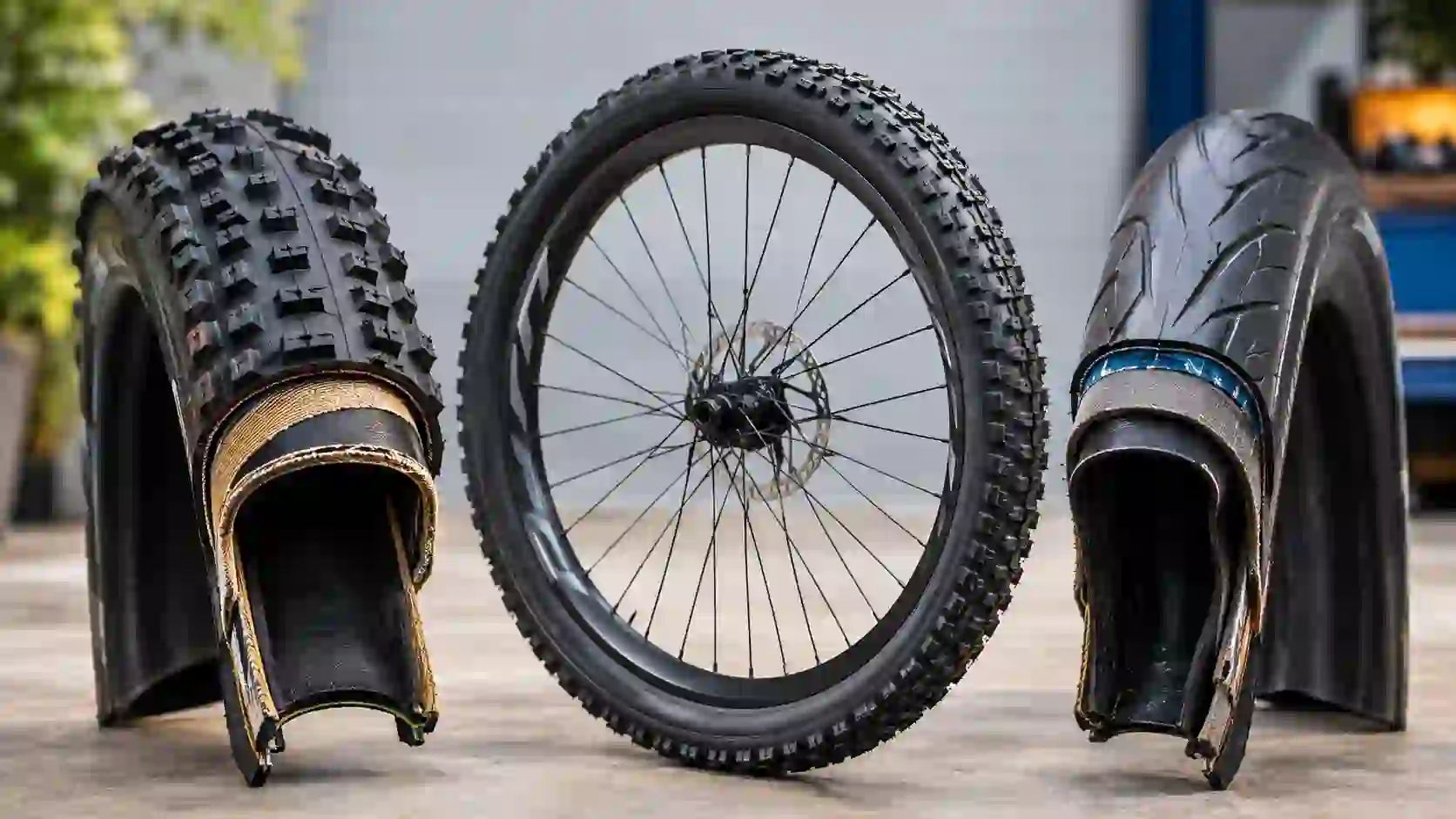
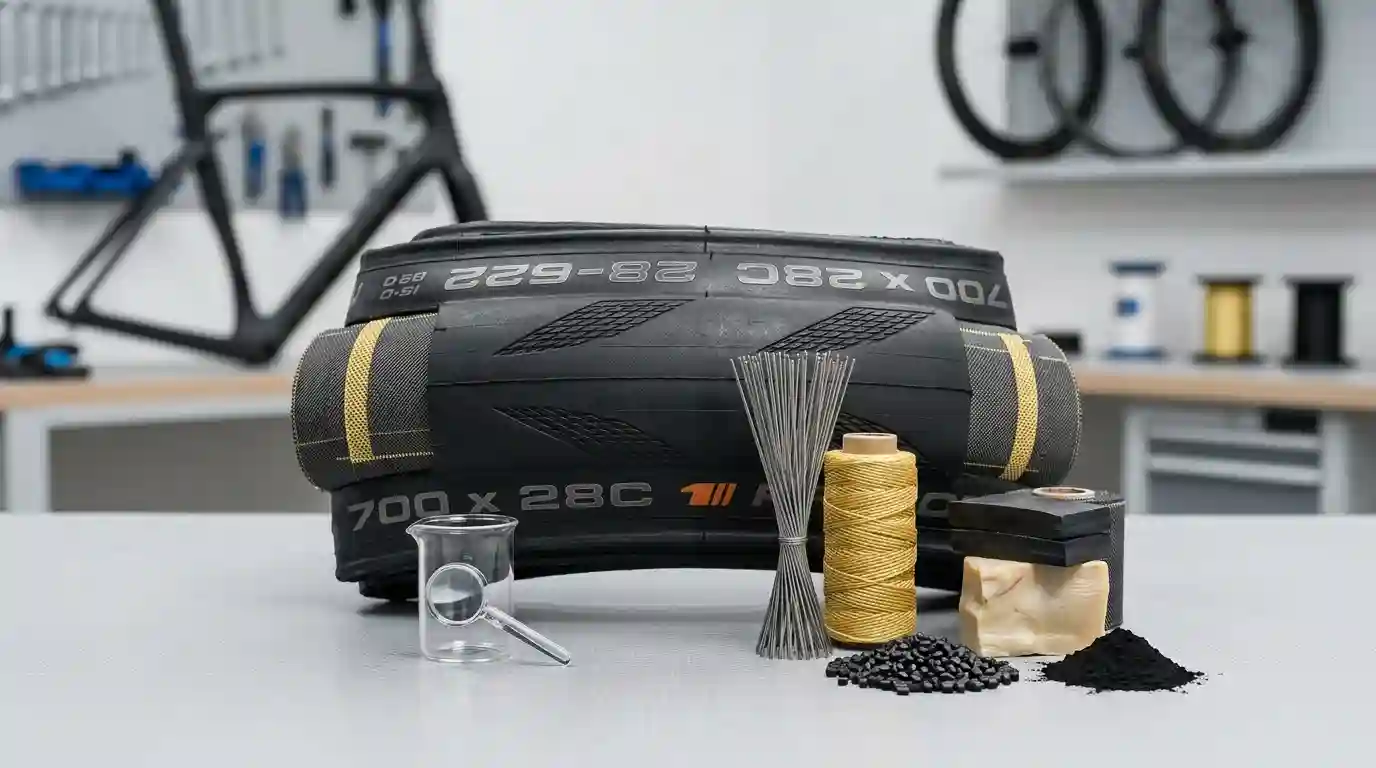
Our guide to bike tire casing explains each layer, and what bike tyres are made of covers the materials.
Which Tread Pattern Is Best for Daily Cycling?
Smooth tread suits commuting on paved roads. Light grooves or small knobs help on dirt paths and mixed surfaces. Compound, pressure, and surface also shape cornering traction.
Durometer measures rubber hardness, and a lower number means softer rubber. Softer rubber grips better but wears faster. Harder rubber lasts longer, which suits high-mileage commuters. See what bike tire rubber compound is.
Do Bike Tires Need Tread for Wet Roads?
No. Bicycle tires do not need deep tread to channel water the way many vehicle tires do. Rubber grip, road texture, tire condition, and careful braking matter more. A fresh tire with good rubber will outgrip a worn one with deep grooves.
Slow down on wet paint, metal covers, leaves, and oily patches. Brake early and smoothly, and keep the bike upright through slick turns. Learn more in why bike tires have different tread patterns and how much tread a bike tyre should have.
Road Tires vs. Hybrid Tires vs. Gravel Tires
Road tires favor efficient pavement riding. Hybrid tires balance comfort and versatility for city streets and bike paths. Gravel tires offer more options on loose surfaces, with tread suited to the terrain.
Pacific Northwest mud and Southwestern loose rock both call for more tread than city streets do. Most commuters never need that much.
How Much Puncture Protection Do You Need?
A puncture belt or reinforced casing helps resist common tire damage. Extra protection may add weight or reduce casing flexibility. Match protection to your route, daily mileage, and access to repair tools. A rider who commutes through construction zones needs more than one who rides a clean greenway.
What Is a Puncture Belt?
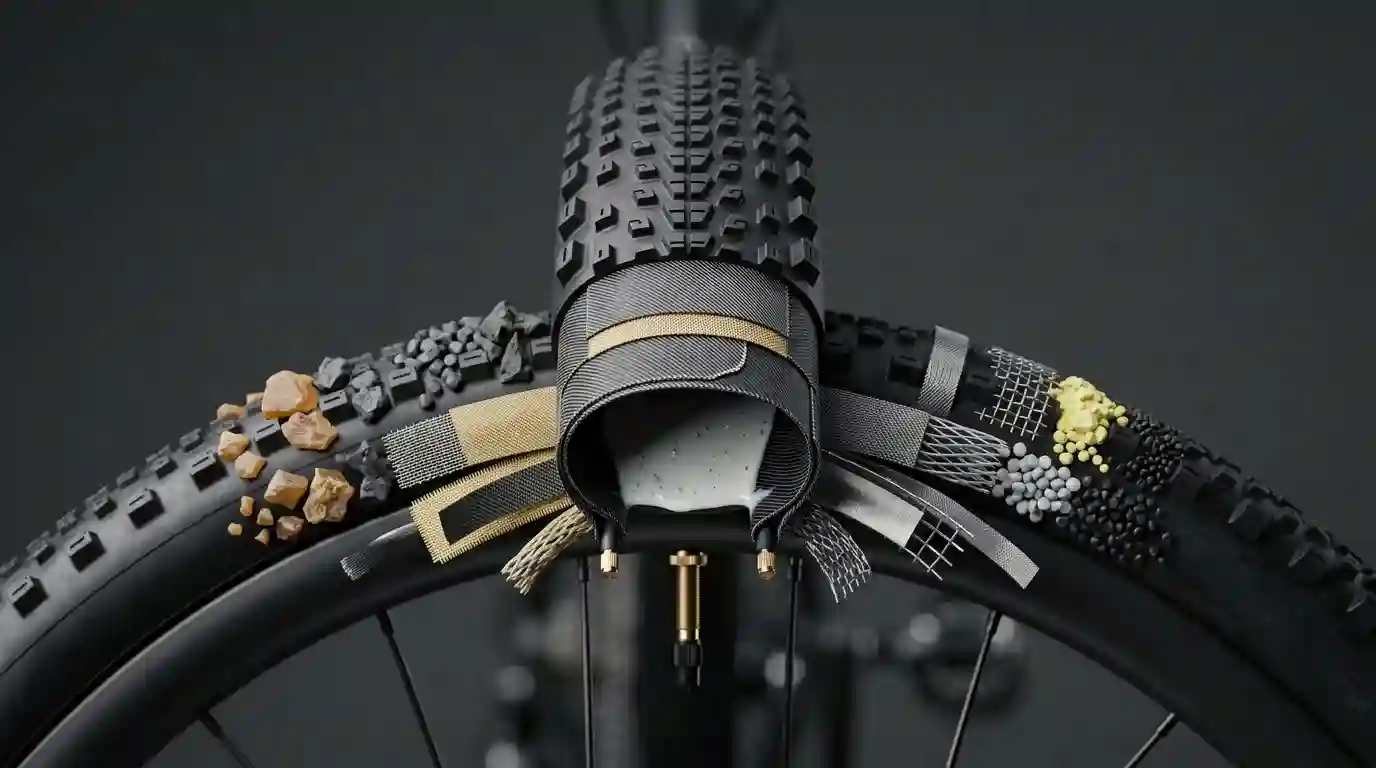
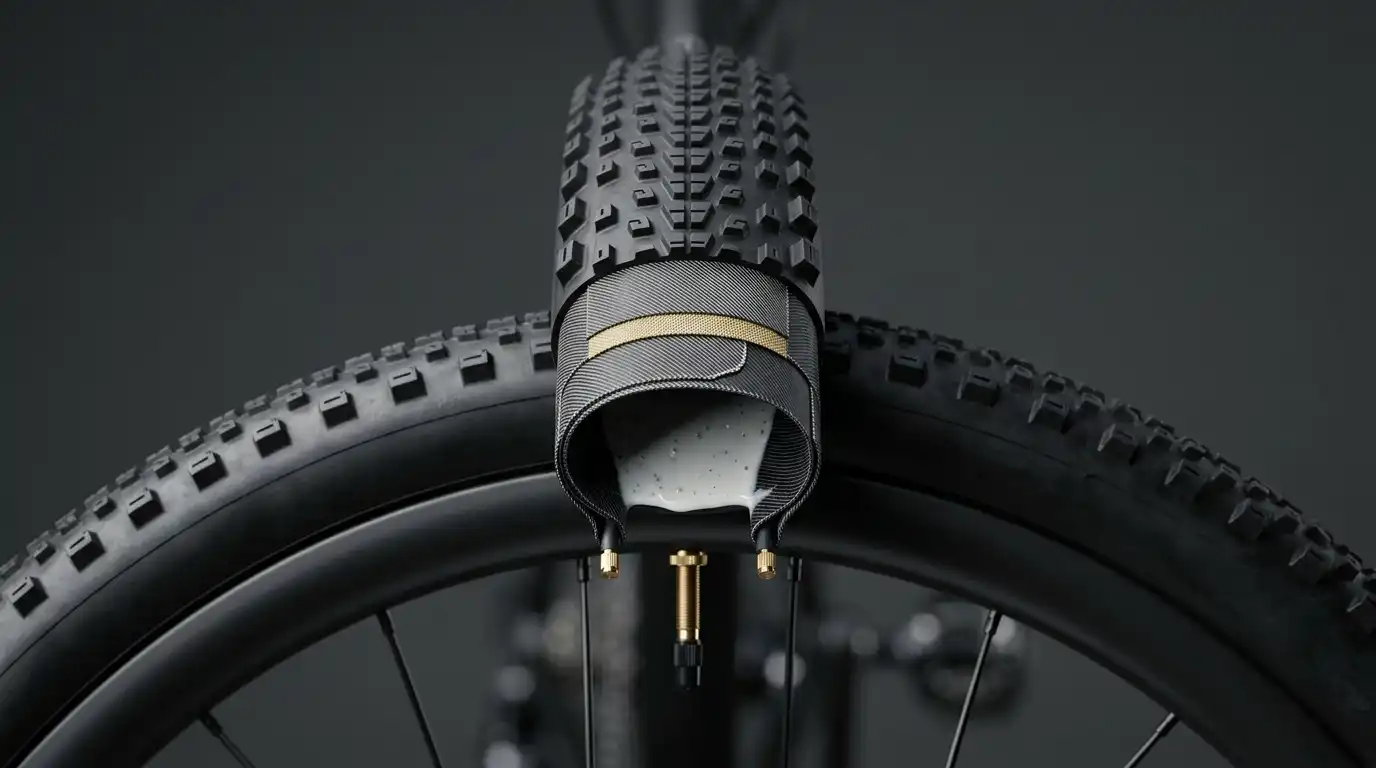
A puncture belt is a protective layer built into some tires beneath the tread. Brands use different materials and methods, such as woven nylon or a flexible polymer strip. It can reduce certain punctures but cannot stop every cut or sidewall failure. Sharp goathead thorns in the Southwest can still find a way in.
Are Puncture-Resistant Tires Worth It?
They help city riders who face glass, thorns, and debris. Heavier tires may trade some speed and ride feel for protection. Compare real-world reviews and test methods instead of trusting marketing alone. Many riders find a mid-level belt is the sweet spot between weight and protection.
Tubeless Tires vs. Inner Tubes for Daily Cycling
The Tubeless tires hold air without an inner tube, using a compatible rim and tire. Tubeless sealant can close many small punctures while you ride. Inner tubes are often easier to understand and repair, which suits many beginners. Both systems work well when matched to the bike and the rider.
Are Tubeless Tires Better for Commuting?
Tubeless setups can reduce stops caused by small punctures. Thorns and tiny glass shards often seal without you ever noticing. They need compatible parts, correct installation, and regular sealant checks. A spare tube remains useful if a puncture cannot be sealed. Large cuts and damaged sidewalls often need a tube or a plug.
Lower pressure also helps prevent pinch flats, which happen when the tire squashes against the rim.
How to Set Up Tubeless Bike Tires
- Confirm that the rim and tire are approved for tubeless use.
- Fit suitable rim tape and a compatible tubeless valve.
- Install the tire.
- Add the sealant amount the maker recommends.
- Inflate as the maker instructs.
- Check for leaks.
Checking Tubeless Sealant: How Often?
Sealant can dry out over time, especially in hot weather. Follow the maker’s inspection and refill advice. Many riders refresh sealant every few months, and more often in hot, dry climates. Check for pressure loss and visible leaks before your daily ride.
How to Choose Tires for Different Types of Daily Riding
Match tire design to the surface and conditions you meet most. Think about rain, potholes, debris, loads, and ride distance. Frost heaves in the Northeast and Midwest are tough on tires and wheels. Check compatibility before you upgrade to a wider or more specialized model.
Best Tires for Daily Bike Commuting
Choose durable tires with reliable puncture protection for debris-filled streets. Look for a width that balances comfort, speed, and frame clearance. Reflective sidewalls can improve visibility in some lighting. This helps most on dark winter commutes.
See what bike tyre to buy for commuting for more.
Ideal Tires for Road Cycling and Fitness Rides
Choose efficient road tires that fit your wheelset and style. Consider a wider endurance tire for rough pavement if your bike supports it. Put stable handling and comfort first on longer rides. A steady tire feels calm in fast corners and on descents.
Top Tires for Mixed Pavement and Gravel
Look for gravel or hybrid tires with tread suited to both surfaces. Wider tires may improve comfort and control on loose paths when compatible. Avoid overly aggressive tread if most of your ride is smooth pavement. A semi-slick design is often the best compromise.
What Should E-Bike Riders Look For?
Check the tire’s load rating and the bike maker’s tire requirements. Cargo e-bikes and heavy commuters need tires made for higher loads. E-bike torque, system weight, and speed all raise demands on tires. Use tires approved for the bike’s speed class and operating conditions.
Many e-bikes assist up to 20 or 28 mph, so look for a matching speed rating on the sidewall. Hard starts on a hub or mid-drive motor also wear the rear tire faster, so inspect it often.
How to Compare Tire Quality and Real-World Performance
Compare rolling resistance, puncture resistance, grip, weight, and wear life together. Look for independent tests that explain their methods and conditions. Good reviews also say how many miles the tester rode. Treat lab results as comparisons, not guarantees for every road or rider. Real streets have cracks, seams, and grit that labs do not copy.
Which Tire Tests Should You Trust?
- Rolling-resistance tests compare energy loss under set loads, pressures, and surfaces.
- Puncture tests measure resistance to certain probes or cutting methods.
- Wet-grip and wear tests help when their methods and limits are clear.
How to Evaluate Bike Tire Reviews
Check whether reviewers state tire size, pressure, surface, and test conditions. A tire tested at 90 PSI on a smooth drum says little about a 55 PSI ride on rough streets. Separate measured results from opinions about comfort and handling. Be careful with ads that promise a flat-free ride. Verify the maker’s specs for compatibility, load, and pressure limits.
How to Maintain Bike Tires for Daily Use
Check pressure often and inspect the tread and sidewalls for damage. Run a gloved finger around the tire to feel for glass or thorns, but do it slowly to avoid cuts. Remove embedded debris carefully with a small pick or the tip of a pin. Replace tires with serious structural damage. Recheck after hard impacts, repeated pressure loss, or rough rides. Make this a quick habit before you leave each day.
When Should You Replace Bike Tires?
Many commuters get 2,000 to 4,000 miles from a tire, and tough models often last longer. Replace tires with exposed casing threads, bulges, deep cuts, or serious sidewall damage. Follow the maker’s tread-wear indicators when available. Frequent flats, cracking, or poor grip also signal that a tire needs attention. Old rubber hardens with age, even if the tread still looks fine.
See how often bike tyres should be replaced for more detail.
How to Fix a Flat Tire During Your Commute
- Move to a safe place away from traffic. Turn the bike over or lean it on a wall so the wheel is easy to reach.
- Remove the wheel and tire, then find the cause of the puncture.
- Fit a compatible spare tube, or repair the tube using the kit instructions. Run a finger inside the tire first to find any sharp object, or the flat will repeat.
- Inflate to a suitable pressure and check that the tire sits evenly.
What Tools Should You Carry Every Day?
Carry tire levers, a spare tube, and a pump or CO₂ inflator. Add a patch kit and the right tools for your wheel system. A small multi-tool covers most roadside needs. Keep everything in a small saddle bag so you never leave it behind. Tubeless riders may also want compatible plugs and a spare tube.
Common Mistakes When Choosing Tires for Daily Cycling
- Choosing tires only by price, weight, or advertised speed. A cheap tire that flats weekly costs more in time than a good one.
- Ignoring rim width, frame clearance, and the maker’s pressure limits.
- Running very high PSI because harder tires seem faster. On real streets, a softer tire often rolls better.
- Assuming puncture-resistant or tubeless tires cannot go flat.
Thinking about a size change? Read can I use wider tires on my bike, can you put narrower tires on a bike, and can you change bike tire width.
Frequently Asked Questions About Daily Cycling Tires
More answers live on our site FAQs page.
1. What Are the Best Tires for Daily Cycling?
For paved commutes, choose road or hybrid tires with suitable width and puncture protection. For mixed surfaces, consider gravel tires with tread suited to your route.
2. Are Tubeless Tires Better Than Tires With Inner Tubes?
Tubeless tires can seal many small punctures and support suitable lower pressure. Inner tubes are often easier to repair, so the best option depends on your needs.
3. What Tire Pressure Should I Use for My Weight?
PSI depends on system weight, tire width, wheel load, and surface. Use a calculator and stay within approved tire and rim limits.
4. Are Wider Tires Better for Everyday Riding?
Wider tires can improve comfort and grip on rough pavement when properly fitted. Check rim compatibility and frame clearance before you upgrade.
5. How Long Do Bike Tires Last?
Life depends on mileage, compound, road conditions, rider weight, and storage. Inspect for worn tread, cuts, cracking, bulges, and exposed casing.
6. Do Smooth Bike Tires Work in the Rain?
Yes, smooth tires can work well on wet pavement because bicycle tires do not need deep water-channeling tread. Ride carefully, slow down, and avoid sudden braking or turns on slippery surfaces.
7. How Do I Know if a Tire Fits My Rim?
Check the tire size and the rim maker’s approved width range. Confirm clearance around the fork, frame, brakes, and mudguards. See will this bike tire fit my wheel.
8. Should I Choose Speed or Puncture Protection?
For debris-filled urban routes, puncture protection may be worth the extra weight. For clean, smooth roads, a lighter and more supple tire may suit you better.
Conclusion: Choose the Right Tires for Everyday Comfort
The best daily cycling tire balances comfort, grip, rolling resistance, and puncture protection. Match tire width and tread to your route, confirm rim compatibility, and set PSI for your total load. Regular inspections and basic flat-repair tools keep daily rides safe and reliable. Small habits, such as a weekly pressure check and a quick look at the tread, protect both your tires and your schedule. A few minutes of care each week can save you hours of roadside trouble over a year.
To decode sizes and labels, read how to read bike tire size, how to measure bike tire size, how to find bike tyre size, and what bike tire size you need. Codes like 700c and 700×28 are covered too. For choosing by everyday use, see how to choose bike tires for everyday riding.
Test Your Exact Setup With Our Free Calculator
Ready for smoother, safer daily rides? Enter your bike type, tire width, rim width, and total weight into the Free Bike Tire Pressure Calculator / Tire Finder Tool at TheBikeTires.com. You will get a clear starting PSI and tire ideas that fit your bike.
Our tool takes the guesswork out of width, rim, and weight. It also helps you compare tire options that fit your bike. Do not guess. Check your setup today and ride to work with more grip, comfort, and confidence.

Mohidul Islam is a leading cycling technology specialist and bike tire consultant with over 15 years of hands-on experience in the bicycle industry. He holds a Bachelor of Science in Mechanical Engineering from Penn State University, where he focused heavily on material science, tread mechanics, and rubber compound performance. Over the past decade and a half, Alex has conducted extensive field testing, tubeless setup evaluations, and tire pressure modeling for road, mountain, and e-bikes. His practical insights and data-driven approach help cyclists of all levels optimize grip, speed, and durability on every ride.