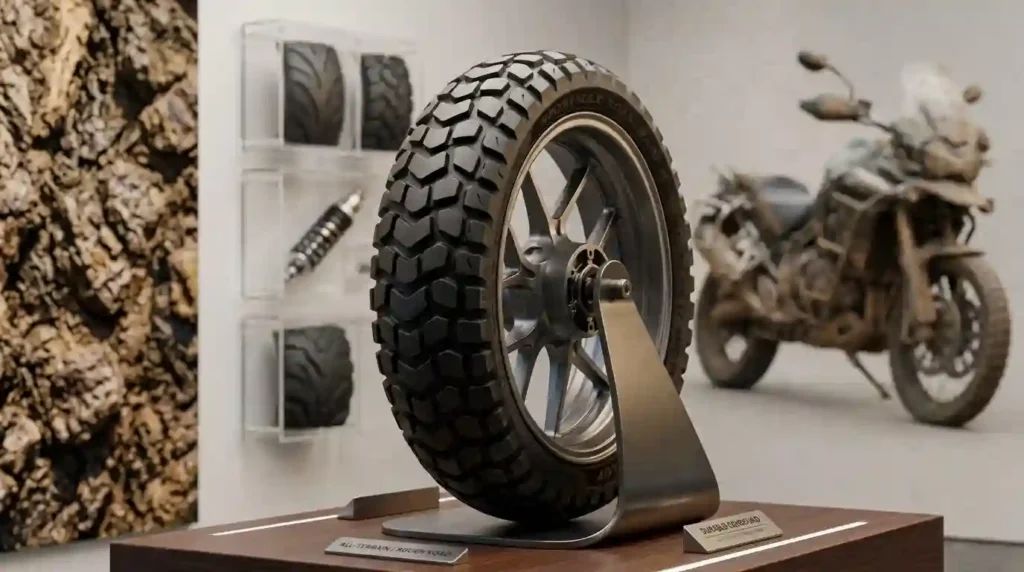
Potholes, chip seal, frost heaves, and gravel stretches batter bikes all across the US. Rough roads cause pinch flats, numb hands, tires that wear out early, and cornering that feels vague. The wrong tire or the wrong PSI makes every one of these worse. Rim dents and cracked wheels are also common after a hard hit at the wrong pressure. Learning how to choose tyres for rough roads turns a jarring ride into a smooth, safe one.
The right tire and correct pressure protect your safety, keep your speed up, and cut fatigue. They also protect your wheels from damage. A tire with enough volume acts like a cushion between the road and your rim. Over a season, that saves money, time, and sore wrists. Our team explains each choice in plain English. See our testing process and editorial policy to learn how we work.
How Do You Choose Bike Tires for Rough Roads?
Quick answer:
- Choose tires with enough width and air volume to absorb bumps while keeping control.
- Look for a durable casing, suitable tread, and puncture protection that match your route.
- Set tire pressure (PSI) from rider weight, tire width, rim limits, and road conditions.
Rough roads reward volume, strong casings, and sensible pressure. A rider who gets these three right can handle almost any broken road with ease. Smoother roads need less of each, but rough ones demand all three. For the basics behind this, read how bike tires work.
What Makes a Bike Tire Good for Rough Roads?
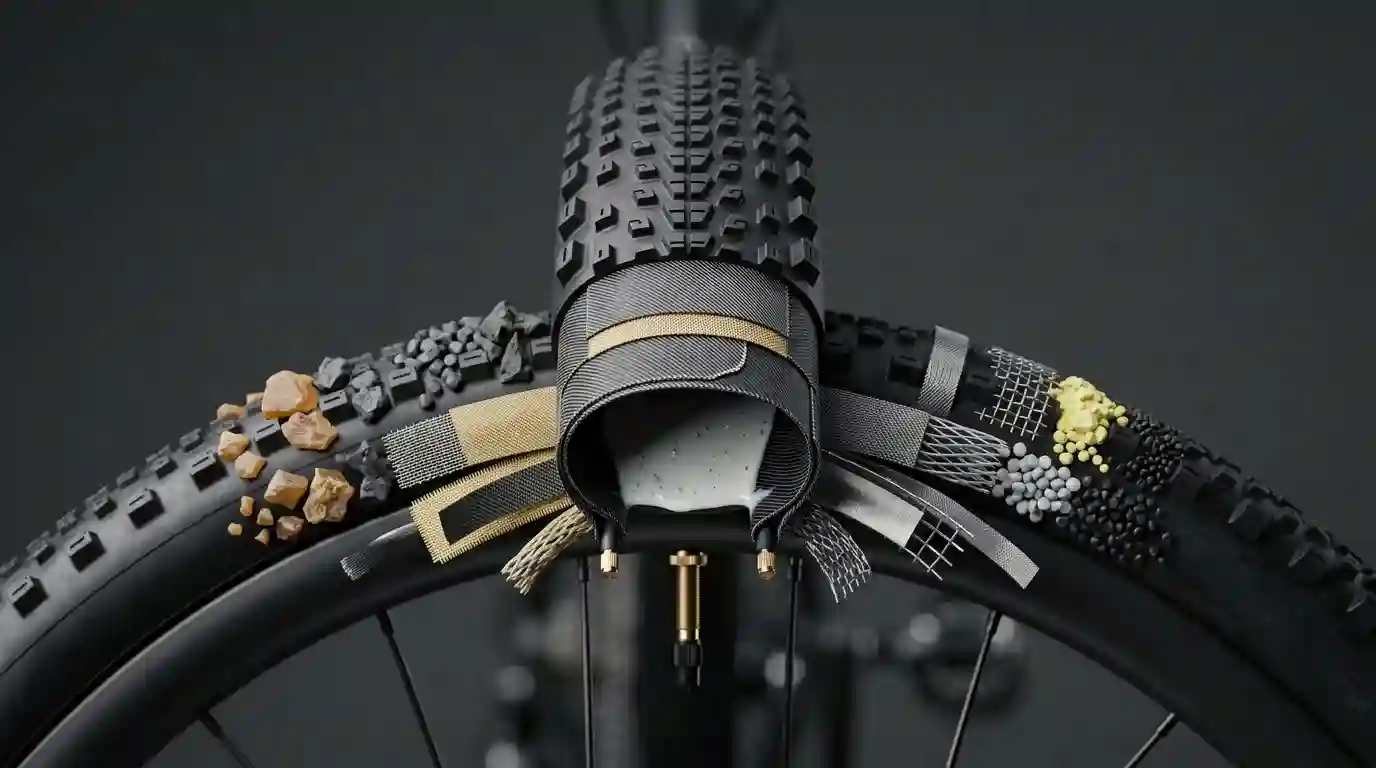
A suitable casing handles repeated bumps and impacts. It should flex enough to ride smoothly yet resist cuts from sharp stones. Wider tires improve comfort by holding more air and allowing lower pressure. The best tread depends on whether you ride broken pavement, gravel, dirt, or rocky trails.
Our guide on what makes a good bike tyre covers the traits that count.
Which Tire Features Matter Most?
- Tire width: Affects air volume, comfort, and handling. This is usually the first thing to change.
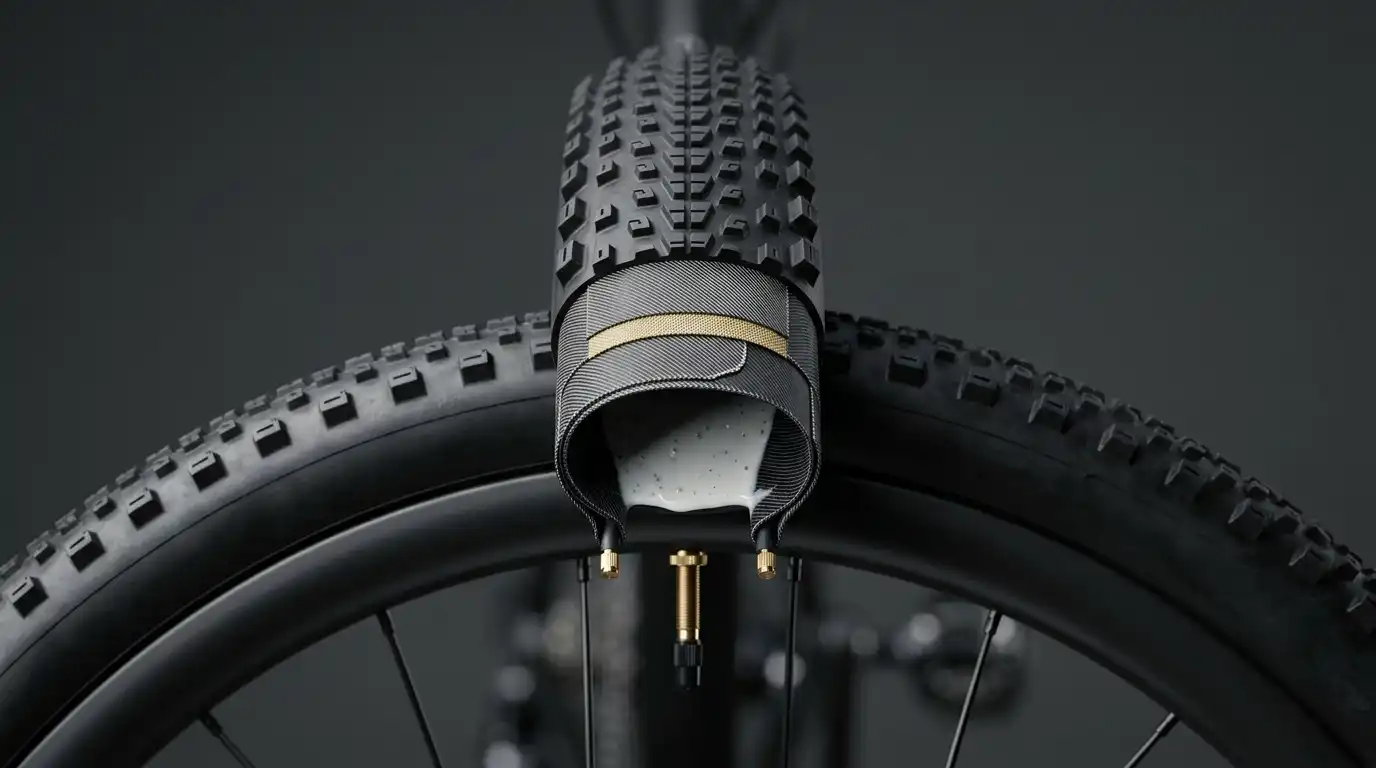
- Casing and puncture belt: Balance durability, ride feel, and flat protection. Tough casings last longer on abrasive roads.
- Rubber compound and tread pattern: Affect grip, wear, and rolling resistance. Soft rubber grips but wears fast on rough surfaces.
New to tire shopping? See the best bike tyres for beginners and the best bike tyres for everyday riding.
What Types of Rough Roads Do You Ride On?
Broken pavement, potholes, gravel, and rocky trails all place different demands on tires. Match tire design to your most common surface, not just the odd rough section. If 90% of your ride is smooth and 10% is rough, a versatile all-road tire usually wins over a heavy trail tire. Think about total load, speed, weather, and how often you meet sharp debris. A loaded touring bike hits bumps harder than a light road bike, so it needs a stronger tire.
Northeast frost heaves, Midwest limestone gravel, and Southwestern loose rock each call for a different setup.
Which Tires Work Best on Potholes and Broken Pavement?
Consider wider road or all-road tires that fit your frame and rims. A suitable pressure reduces vibration and improves control over uneven ground. Chip seal, which is common on rural roads in the West and South, can feel much smoother on a wide, softer tire. Avoid riding into deep potholes at speed, even with tough tires. A wide tire helps, but it cannot save a rim from a hard edge hit. Scan the road ahead and pick the smoothest line.
See the best tyre width for road and city riding for more.
Are Gravel Tires Good for Rough Roads?
Gravel tires suit mixed surfaces, including hardpack, loose gravel, and broken pavement. Light tread helps on loose ground while keeping rolling resistance manageable. Many gravel tires have a smooth center strip with small side knobs, which suits mixed routes well. Choose stronger casings if your routes have sharp stones or frequent impacts. Many gravel riders use sizes from 38mm to 45mm for this reason.
What Tires Work Best on Rocky Trails?
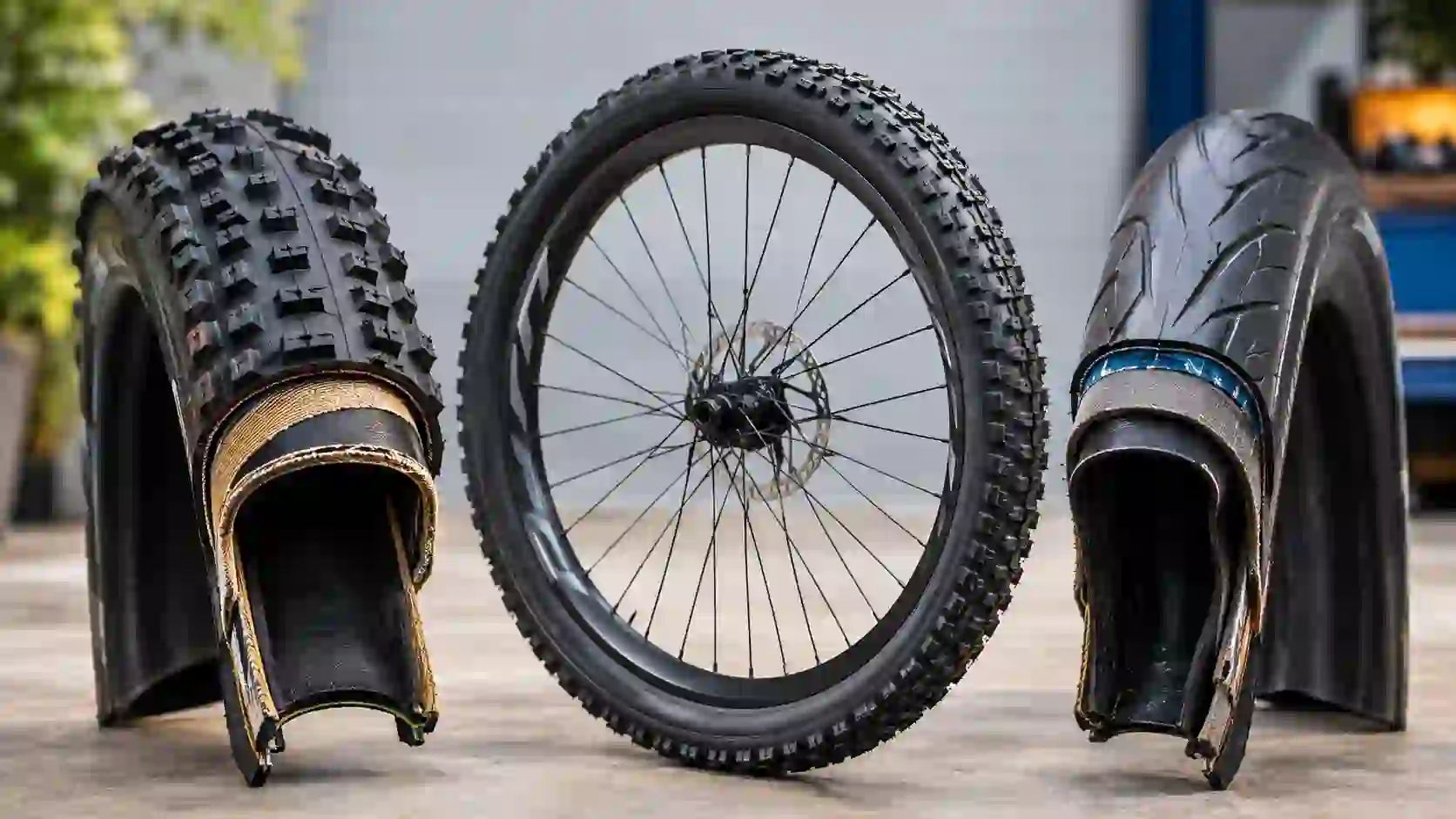
Mountain bike tires often use stronger casings and larger knobs. Wider tires give extra air volume and support when matched to the rim. They also add traction on loose climbs and steep descents. Pick tread and casing strength by terrain, riding style, and impact risk. Most trail bikes run about 2.3 to 2.5 inches wide, which gives plenty of cushion on rocky ground.
Pacific Northwest mud needs open, self-clearing knobs. Southwestern slickrock and loose rock need tough sidewalls.
What Tire Width Is Best for Rough Roads?
Wider tires often improve comfort on uneven roads when the bike supports them. More air volume lets the tire absorb bumps without very high pressure. Think of air volume as the spring in your suspension. More volume gives a softer, more controlled spring. The best width depends on frame clearance, rim width, load, and goals.
Read bike tire width explained and what tyre width you should choose.
Are Wider Bike Tires More Comfortable?
Yes, often. Wider tires can run suitable lower pressure and cut vibration on rough surfaces. A 32mm or 35mm tire often feels far calmer than a 25mm tire on cracked pavement. Comfort also depends on casing design and pressure. A stiff casing at low pressure can still feel dead, while a supple one feels lively.
Too much width or too little pressure can hurt handling and damage the tire or rim. Wide tires also add weight, which you feel on long climbs.
How Do You Choose Between 28 mm, 32 mm, and 40 mm Tires?
| Tire Width | Common Use | Main Consideration |
|---|---|---|
| 28mm | Road riding with some rough pavement | Lower weight and efficient road performance |
| 32mm | All-road riding and urban commuting | A balance of comfort and speed |
| 40mm | Gravel and rough mixed surfaces | More air volume and room for varied terrain |
These are general examples, not universal advice. Check the actual mounted width, which can vary by rim and tire model. Confirm frame, fork, brake, and rim compatibility before you upgrade. Leave a few millimeters of space around the tire for mud, debris, and wheel flex.
Not sure about clearance? Read how much wider a tire you can fit and can I use wider tires on my bike.
How Do You Check Rim Width Compatibility?
Check the rim maker’s approved tire-width range and the rim’s inner rim width. A labeled 32mm tire can measure 34mm on a wide rim, so measure the mounted tire when space is tight. Confirm the tire’s published size and needed clearance. For tubeless, verify that both tire and rim support tubeless use.
| Internal Rim Width | Typical Road/Gravel Tire Range |
|---|---|
| 15-17mm | 23-32mm |
| 19mm | 25-40mm |
| 21-23mm | 28-45mm |
| 25mm | 32-50mm |
These are rough guides, so confirm with your rim maker.
Hooked vs. hookless: A hooked rim has a small lip that locks the bead in place. A hookless rim has a straight wall and relies on a tight bead fit. Many hookless rims cap pressure near 72 PSI (5 bar), so read the rim label.
For more, see bike tire size compatibility and bike wheel size vs tire size.
What Tire Pressure (PSI) Should You Use on Rough Roads?
Quick setup guide:
- Start inside the pressure range listed by the tire and rim makers.
- Count total system weight, tire width, casing, rim design, and surface.
- Adjust in small steps of 2 to 3 PSI. Ride the same rough stretch after each change so you can feel the difference.
- Check comfort, cornering grip, and protection from rim strikes.
Use a real gauge, because many pump dials are off by several PSI. A small digital gauge costs little and pays for itself in avoided flats. Tires also lose air slowly, as explained in why bike tyres lose air. Check often with the tips in how often to check bike tyres.
Should You Lower Tire Pressure for Rough Roads?
A suitable lower pressure helps the tire absorb bumps and stay in contact on uneven ground. Even 3 to 5 PSI can soften the ride and improve grip on broken surfaces. Too little pressure can cause pinch flats with tubes, tire squirm, or rim damage. Tubeless can allow lower pressure in some setups, but safe limits still apply. A pinch flat happens when the tire squashes against the rim and cuts the tube.
How Do You Calculate the Right PSI for Your Weight?
Add the weight of the rider, bike, clothing, and gear. This is your system weight. Put about 45% on the front wheel and 55% on the rear. Multiply each load by a width factor: 0.66 (28mm), 0.52 (32mm), 0.45 (35mm), 0.34 (40mm), or 0.22 (50mm).
Then adjust. Subtract 5 to 10% on broken pavement or gravel. Subtract about 10% for tubeless. Add 5 to 10% for inner tubes.
Example: A 175 lb rider, 25 lb bike, and 10 lb of gear make 210 lb. The rear carries about 116 lb and the front about 95 lb. On 40mm tires, that gives about 39 PSI rear and 32 PSI front. A 10% rough-road cut brings that to roughly 35 and 29 PSI.
Starting PSI by System Weight
This table shows dry, smooth-road starting PSI (front / rear) for tubeless setups.
| System Weight | 28mm | 32mm | 40mm |
|---|---|---|---|
| 150 lb | 45 / 54 | 35 / 43 | 23 / 28 |
| 175 lb | 52 / 64 | 41 / 50 | 27 / 33 |
| 200 lb | 59 / 73 | 47 / 57 | 31 / 37 |
| 225 lb | 67 / 82 | 53 / 64 | 34 / 42 |
| 250 lb | 74 / 91 | 59 / 72 | 38 / 47 |
Treat these as a first guess, then test. Never exceed the limit printed on the tire or rim. Heavy riders on hookless rims may hit the rim limit first. In that case, move to a wider tire instead of adding air.
What Affects Tire Pressure on Rough Roads?
Wider tires and different casings may need different pressure. Heavy loads and hard impacts may need more support to protect the tire and rim. Rough gravel may suit different pressure than smooth asphalt. Temperature also matters, since cold air lowers pressure by about 1 PSI for every 10 degrees Fahrenheit drop.
Which Tire Tread Pattern Is Best for Rough Roads?
Smooth or lightly textured tread often works well on paved roads with cracks and patches. Fine texture also gives good grip on wet seams and patched asphalt. Gravel tread adds traction on loose stones and dirt. Larger, more open knobs help when rough roads turn muddy or rocky. In dry Southwestern washes, a tighter knob pattern often rolls faster.
Learn more in why bike tires have different tread patterns and how much tread a bike tyre should have.
Are Slick Tires Good for Rough Pavement?
Slick tires can work well on paved roads, even uneven ones. Grip depends on rubber compound, tire condition, pressure, and surface quality. A good slick often grips well on both dry and wet pavement. Tread depth alone does not decide comfort or puncture resistance. A thin, supple casing and the right pressure do more for comfort than deep grooves.
Do Knobby Tires Make Rough Roads Easier?
Knobs improve traction on loose dirt, gravel, and trails. Aggressive tread may raise rolling resistance and noise on pavement. It also wears faster on hard surfaces. Choose tread by the surfaces you ride most. If you ride mostly pavement, save the big knobs for the weekend.
Why Do Casing TPI and Rubber Compound Matter?
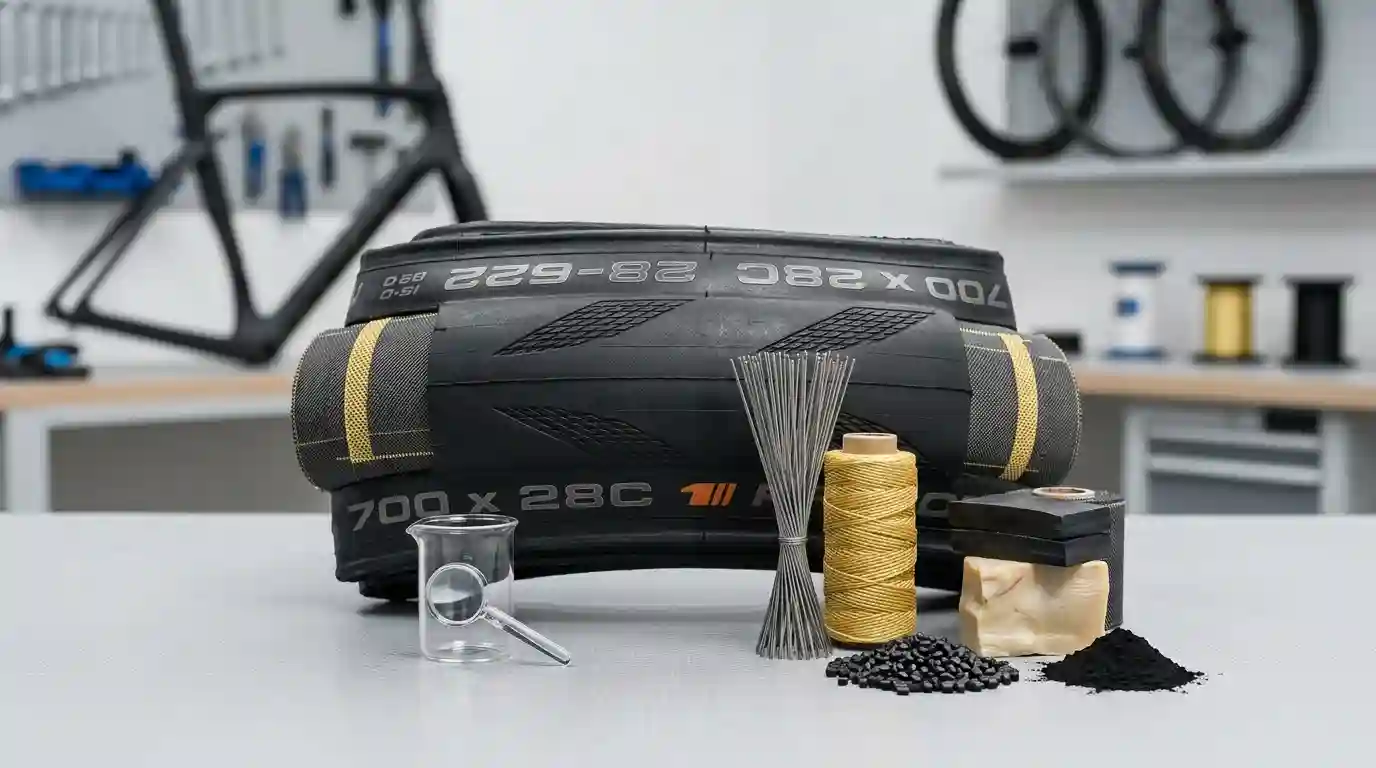
TPI means threads per inch and describes one part of tire construction. Higher TPI does not always mean a stronger tire, since materials and casing layers matter too. A common range is 60 TPI for tough tires and 120 TPI or more for supple ones. Rubber compound affects grip, wear, and rolling resistance, but the whole design decides performance.
Our guide to bike tire casing explains each layer.
Is a Flexible Tire Casing Better for Rough Roads?
A supple casing helps a tire conform to small bumps and cut vibration. This is why many riders feel faster on a high-quality tire at the same pressure. Reinforced casings protect better against cuts and impacts. They often use extra layers or a tougher weave on the sidewalls. Choose the balance of comfort, durability, and weight that fits your routes.
Which Rubber Compound Offers the Best Grip?
Softer compounds grip well in some conditions but may wear faster. Harder compounds may last longer, depending on the design. Durometer measures rubber hardness, and a lower number means softer rubber.
Look for credible tests instead of trusting compound claims alone. Many brands use dual-compound designs, with a harder center and softer shoulders. See what bike tire rubber compound is and what bike tyres are made of.
How Do You Choose Puncture-Resistant Tires for Rough Roads?
Sharp stones, glass, and road debris can damage tires on urban and rural routes. A puncture belt is a protective layer under the tread. Belts and reinforced sidewalls reduce some types of damage. They are most helpful against thorns, glass, and flint.
More protection may add weight or rolling resistance, so match the design to your needs. Riders in thorn country, such as the Southwest, often value extra protection.
Are Puncture-Proof Bike Tires Really Puncture-Proof?
No. No tire is fully immune to punctures, cuts, or impact damage. Protective layers resist certain punctures but cannot stop every failure. Sidewall cuts and large thorns can still get through.
Inspect tires often and replace damaged ones. Run a gloved finger around the tire to feel for embedded glass, but go slowly to avoid cuts. See how often bike tyres should be replaced.
Are Tubeless Tires Better for Rough Roads?
Tubeless sealant can close some small punctures and may cut flat repairs. Tubeless setups can support lower pressure when the tire and rim are made for it. Correct installation, compatible parts, and routine sealant checks are essential. Sealant dries out over time, so many riders refresh it every few months.
How Do You Set Up Tubeless Tires?
- Check that the tire and rim are compatible with tubeless use.
- Inspect the rim tape and install the valve as the maker directs.
- Fit the tire and add the recommended amount of sealant.
- Inflate within the permitted range, check the bead, and look for leaks.
- Recheck pressure and sealant condition before regular rides.
How Should You Choose Tires for Rough-Road Commuting and E-Bikes?
Commuters need a balance of comfort, puncture protection, and low upkeep. Daily riders cannot afford a flat every week, so durability counts. E-bikes may place higher loads and greater drive forces on tires. Check load ratings, speed ratings where they apply, and the bike maker’s approved specs.
What Makes a Good Commuter Tire for Rough Roads?
Look for a durable casing and suitable puncture protection for debris-filled streets. Rain washes glass into bike lanes, so protection matters even more in wet weather. Choose a width that adds comfort without hurting clearance. Fenders also need space, so plan for them. Consider reflective sidewalls if you ride in low light and the tire offers them.
Read what bike tyre to buy for commuting and the best bike tyre size for commuting.
How Does E-Bike Torque Affect Tire Wear?
Strong acceleration raises forces on the driven tire. E-bike torque, higher total weight, and frequent braking can all increase wear. Check pressure and tread more often if you ride daily or carry cargo. Many e-bikes assist up to 20 or 28 mph, so look for a matching speed rating on the sidewall.
How Do You Test Bike Tires on Rough Roads?
Compare tires on similar surfaces and under steady pressure and load. Use the same gauge each time so the numbers stay consistent. Track comfort, rolling resistance, cornering grip, punctures, and visible wear. Record conditions and methods so readers can judge how useful the results are. Note the weather, temperature, and road type each time.
Which Testing Standards Should You Check?
Review applicable ISO bicycle tire safety standards and maker requirements. Separate safety compliance tests from independent comfort or rolling-resistance comparisons. Look for clear methods, sample details, and repeatable results before you trust performance claims. A single number with no context tells you little.
Our ETRTO sizing guide explains the sizing standard.
How Can You Compare Tires Fairly?
Use the same bike, route, rider load, and pressure method where practical. Change one thing at a time, such as tire model or pressure, so you know what caused the difference. Test over a range of surfaces and note any tire damage. Do not call one tire best after a single short ride. A fair test takes many miles and several different road types.
Common Mistakes When Choosing Tires for Rough Roads
- Choosing the widest tire without checking clearance or rim fit.
- Using too much or too little pressure for the tire, load, and surface.
- Assuming deep tread or a puncture belt guarantees better comfort and grip.
Thinking about a size change? Read can you put narrower tires on a bike and can you change bike tire width.
How Can You Avoid Flats and Tire Damage?
Inspect tires for cuts, embedded debris, and worn spots. Pick out small stones with a pin before they work deeper into the casing. Use pressure that suits the total load and the roughness of your route. Avoid sharp pothole edges and hard impacts that can damage the tire or rim. Look ahead, lift slightly off the saddle, and let the bike move under you.
What Should You Check Before Every Ride?
Check tire pressure and look for visible damage. Tires lose a little air every day, even without a puncture. Inspect the tread for glass, stones, or other debris. Make sure the wheels are secure and the tires sit evenly on the rims. A quick spin of each wheel shows any bulge or wobble.
Frequently Asked Questions About Tires for Rough Roads
More answers live on our site FAQs page.
What Are the Best Bike Tires for Rough Roads?
The best tire depends on the surface, bike type, and the balance of comfort and speed you want. Wider tires with suitable casing protection often help on rough pavement and mixed terrain.
Which Tire Width Is Best for Bumpy Roads?
Many riders benefit from a wider compatible tire for extra air volume. Check frame clearance, rim limits, and actual mounted width before you change sizes.
What PSI Should I Use for Rough Roads?
No single PSI fits every rider or tire. Base pressure on total weight, tire width, casing, rim design, and the surface you ride. In wet weather, drop a few PSI for more grip, within safe limits.
Are Tubeless Tires Better Than Inner Tubes on Rough Roads?
Tubeless setups can seal some small punctures and support lower pressure in suitable systems. Inner tubes are often simpler to maintain, but they can be more prone to pinch flats at low pressure.
Do Wider Tires Reduce Rolling Resistance on Rough Roads?
They can, because wider tires may cut energy lost to vibration. Results depend on pressure, casing, tread, tire design, and surface.
How Do I Know When My Bike Tires Need Replacing?
Look for exposed casing, deep cuts, bulges, cracking, or wear indicators. Replace a tire with structural damage, even if some tread remains.
Can I Put Gravel Tires on a Road Bike?
Yes, if the frame, fork, brakes, and rims support the tire size. Check the maker’s clearance and rim guidance first. See will this bike tire fit my wheel.
Are Puncture-Resistant Tires Worth It?
They can help commuters and riders on routes with glass, thorns, or sharp debris. Compare protection, weight, comfort, and rolling resistance before you buy.
Conclusion: Choose the Right Tires for Rough Roads
Choose width, casing strength, pressure, and puncture protection based on your main routes. Match tread and rubber compound to the surfaces you ride, and always confirm rim and frame compatibility. Keep tires in good shape and use a pressure that balances comfort, grip, and impact protection. Small habits like these save time and money over a season. A few small habits, such as a weekly pressure check, protect both your tires and your wheels.
To decode sizes, read how to read bike tire size, how to measure bike tire size, how to find bike tyre size, and what bike tire size you need. Codes like 700c and 700×28 are covered too. For everyday picks, see how to choose bike tires for everyday riding.
Test Your Exact Setup With Our Free Calculator
Ready for a smoother ride? Enter your bike type, tire width, rim width, and total weight into the Free Bike Tire Pressure Calculator / Tire Finder Tool at TheBikeTires.com. You will get a clear starting PSI and tire ideas that fit your bike.
Our tool takes the guesswork out of width, rim, and weight. It also helps you compare tire options that fit your bike. Do not guess. Check your setup today and tackle rough roads with more grip, comfort, and confidence. Whether you face Northeast potholes, Midwest gravel, or Southwestern rock, the right setup makes every mile easier.

Mohidul Islam is a leading cycling technology specialist and bike tire consultant with over 15 years of hands-on experience in the bicycle industry. He holds a Bachelor of Science in Mechanical Engineering from Penn State University, where he focused heavily on material science, tread mechanics, and rubber compound performance. Over the past decade and a half, Alex has conducted extensive field testing, tubeless setup evaluations, and tire pressure modeling for road, mountain, and e-bikes. His practical insights and data-driven approach help cyclists of all levels optimize grip, speed, and durability on every ride.