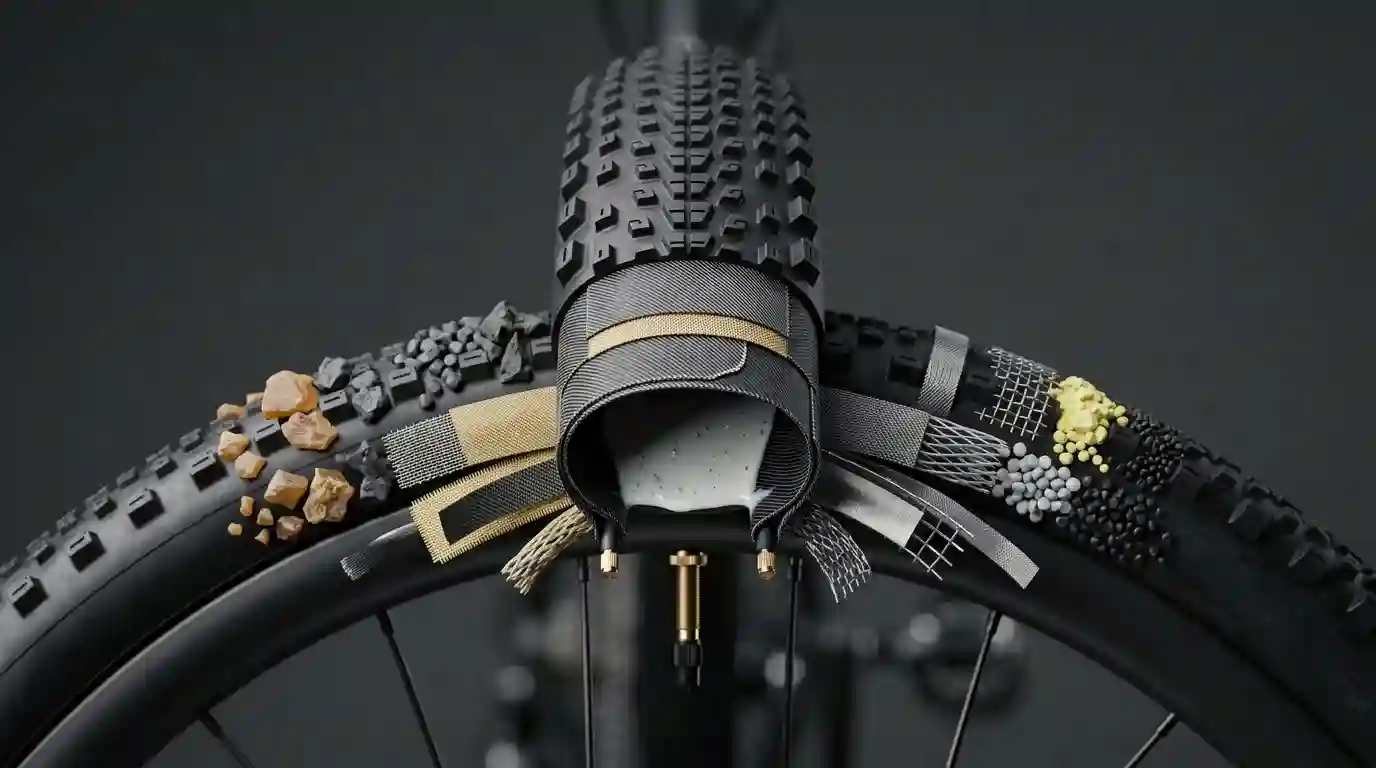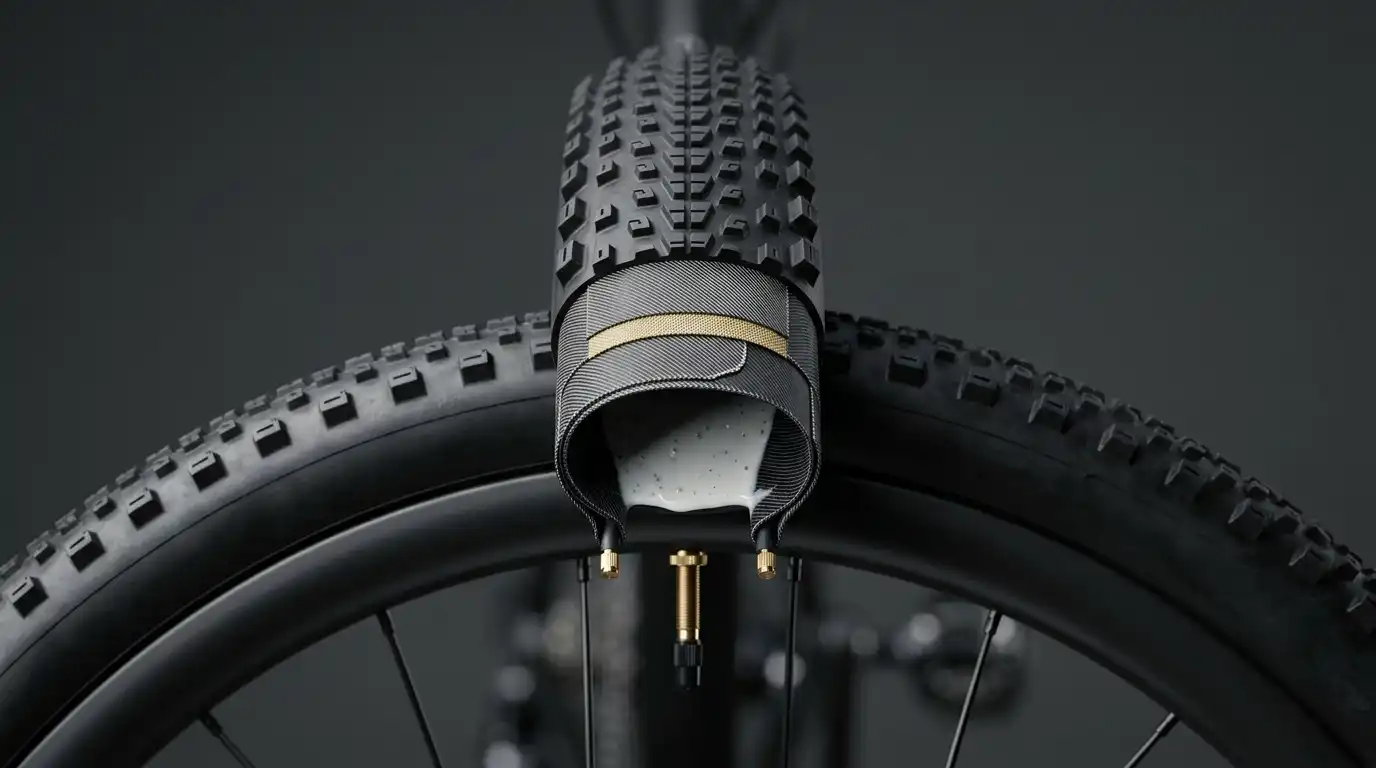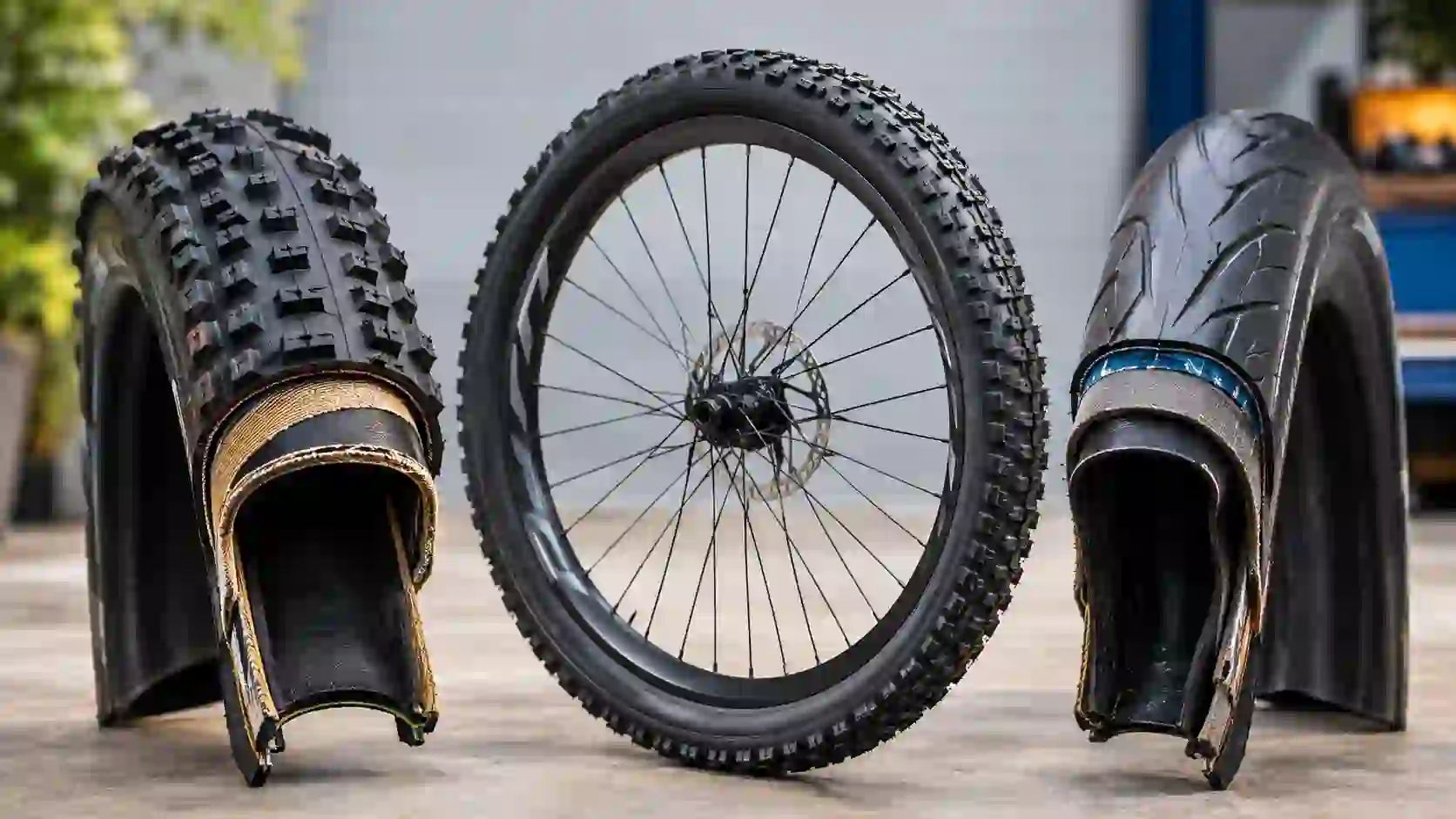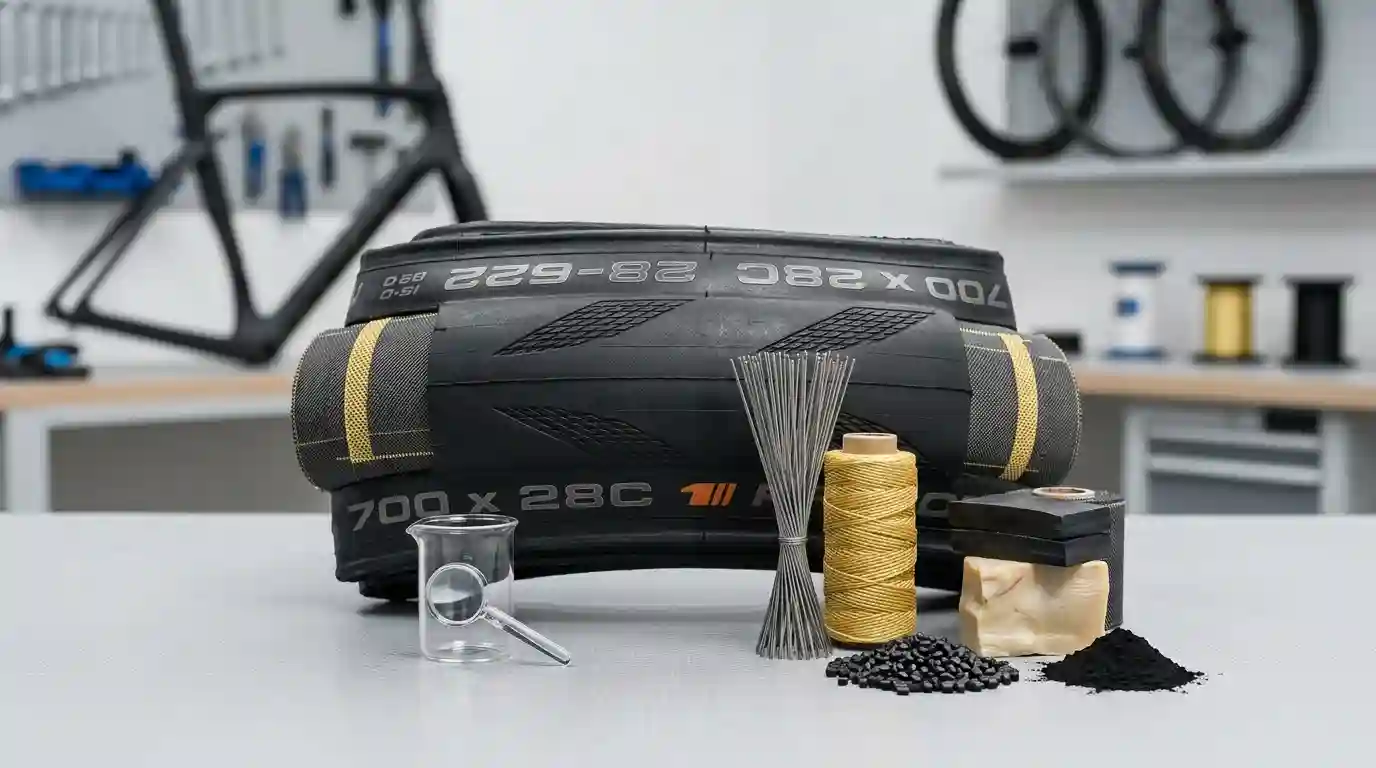
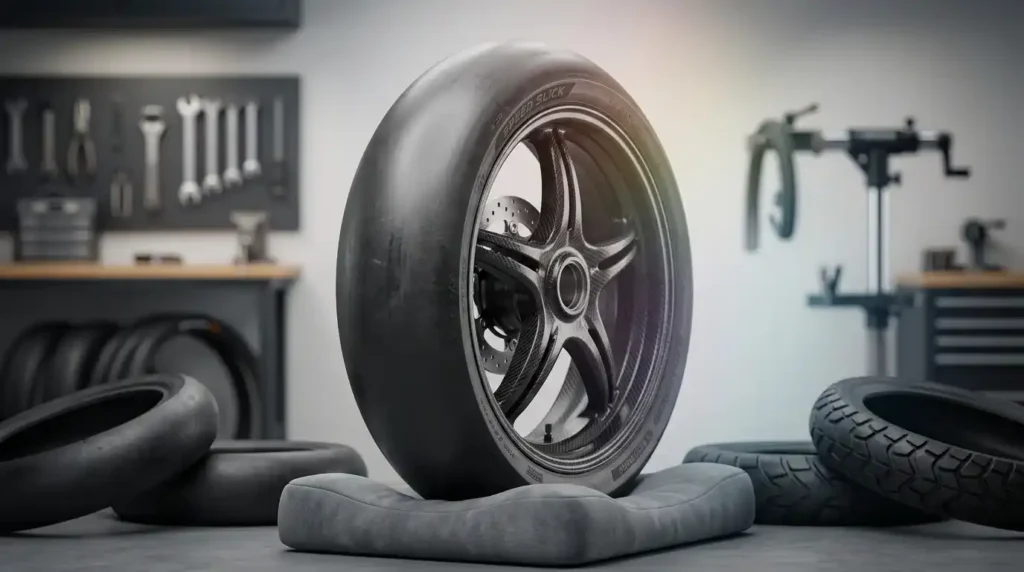
You can buy a lighter frame and fancy wheels. Yet your tires may still be the cheapest speed upgrade on your bike. They are the only part that touches the road, so every watt you spend passes through them.
The best bike tyres for speed lose less energy as they roll. Four things drive that loss: rolling resistance, tire pressure, casing design, and tread. Poor choices also cause flats, weak cornering traction, and early tread wear, which cost you time and safety.
Here is the key point. The fastest tire depends on your surface, your riding style, the weather, and your bike setup. A tire that flies on smooth Colorado pavement can feel slow on chunky gravel.
This guide shows you how to choose fast tires for road cycling, commuting, gravel, mountain biking, and e-bikes. New to tire basics? Start with how bike tires work and what makes a good bike tyre. To see how we judge tires, read our testing process.
Quick note: Speed is not only about the lowest rolling resistance. Grip, comfort, and control decide how fast you can really ride.
What Makes a Bike Tire Fast?
A fast-rolling bike tire wastes little energy as it rolls. It deforms easily without sapping power, and it still gives you the grip and control you need. Casing, rubber, pressure, and tread all play a part.
Casing flexibility matters most. A supple casing bends with less energy loss. The rubber compound and tread pattern also change drag, especially on pavement.
But lower rolling resistance does not always mean faster real-world speed. If a tire slides in corners or shakes you on rough roads, you will slow down. For a guide to picking well, see how to choose bike tyres.
How Do Bike Tires Affect Cycling Speed?
Tires affect speed in four main ways. They lose energy as they flex, they depend on pressure, they change with width, and they vary with tread and rubber. Let us look at each one.
Rolling Resistance and Energy Loss
Every tire deforms under load as it rolls. That bending uses energy, and the loss is called rolling resistance. Less loss means more of your power turns into forward motion.
Compare tires using lab results measured under similar loads, pressures, and speeds. A test at one pressure cannot predict another.
Remember that rider power, aerodynamics, road surface, and wind also shape your speed. On flat roads at higher speeds, most of your effort fights the air. Rolling resistance matters more at lower speeds and on climbs.
Tire Pressure and PSI
The right pressure reduces wasted tire deformation without making the ride harsh. Pressure that is too low squashes the tire. Pressure that is too high makes it bounce.
Higher PSI is not always faster. On rough pavement, extra vibration wastes energy and shakes your body. The bike slows down as the tire skips over bumps.
Use rider weight, tire width, load, terrain, and the maker’s limits to find a starting point. Air also leaks over time, so read why bike tires lose air.
Tire Width and Speed
Wider tires can roll very well, especially on real roads. They also add comfort and grip when paired with suitable rims and pressure. Many riders now choose 28 mm to 32 mm for fast road riding.
Narrow tires are not automatically faster. Casing design, road texture, and setup matter more than width alone. On smooth lab drums, narrow tires may test slightly better, but real roads are rough.
Check rim width, frame clearance, and tire specs before you change sizes. Read bike tire width explained and what tire width to choose.
Tread Pattern and Rubber Compound
Smooth or lightly treaded tires suit paved roads and city riding. They have less rubber to flex and less drag. Gravel and mountain tires use tread patterns that keep traction on loose ground.
The rubber compound affects grip, wear, and rolling resistance. Durometer is a hardness score on the Shore A scale. A lower number means softer rubber.
Compare the full tire design, not tread alone. See why tread patterns differ and bike tire rubber compound. You can also learn how much tread a tire should have.
Best Types of Bike Tires for Speed
Each riding style has a different fast recipe. Use this table to match tire features to your needs. Sizes show metric and imperial units.
| Riding style | Fast width range | Best tread | Casing feel | Speed trade-off |
|---|---|---|---|---|
| Road | 25 to 32 mm (1.0 to 1.25 in) | Smooth | Supple | Less cut protection |
| Commuter | 28 to 40 mm (1.1 to 1.6 in) | Smooth or light tread | Durable | Slightly heavier |
| Gravel | 38 to 45 mm (1.5 to 1.75 in) | Smooth center, side knobs | Flexible | Less loose-dirt grip |
| Mountain bike | 2.2 to 2.4 in (56 to 61 mm) | Low, tight knobs | Firm sidewall | Less braking bite |
| E-bike | 1.75 to 2.2 in (45 to 56 mm) | Smooth or light tread | Rated for load | Added weight |
Brand names are examples, not rankings. The Continental Grand Prix 5000 and Schwalbe Pro One are known fast road tires. The Schwalbe G-One Speed is a popular fast gravel tire. Always check current specs and independent tests before you buy.
Road Bike Tires for Speed
Look for low rolling resistance, an efficient casing, and a compound suited to pavement. Many fast road tires use a supple casing and a smooth tread.
Compare tire width, aerodynamic effects, puncture protection, and real-world results. A slightly wider tire often matches a narrow one on real roads.
Pick tires that match your rim specs and conditions. Our guides to the best tire width for road and city riding and what 700×28 means are helpful. For big miles, see how to choose tires for long distance.
Commuter Bike Tires for Speed
Choose fast-rolling tires that handle paved streets, bike paths, and common road debris. A light tread with a protective belt is a good mix.
Balance efficient tread, puncture protection, and wet grip. A fast tire is no help if you are fixing a flat at a stoplight.
Think about durability and comfort too. Rough pavement and frequent stops punish thin tires. Start with how to choose tires for a commuter bike, the best tire size for commuting, and what bike tyre to buy for commuting.
Gravel Tires for Speed
Choose a smoother center tread for firm gravel and pavement. Add side knobs for cornering. This gives you low drag on straight sections and grip in turns.
Match width and casing strength to loose gravel, hardpack, and mixed surfaces. Rocky Southwestern tracks can ruin a very light tire.
Do not choose the lightest tire if it lacks the grip or protection your routes need. See how to choose bike tires for gravel roads and how to choose tires for mixed surfaces.
Mountain Bike Tires for Speed
Match tread spacing and knob height to the soil, rocks, roots, and loose sections. Tight, low knobs roll fast on hardpack. Tall, wide knobs help in Pacific Northwest mud but add drag.
Many riders pair a faster rear tire with a grippier front tire. The Schwalbe Racing Ray (rear) and Racing Ralph (front) are a known cross-country example.
Balance low rolling resistance with braking traction and cornering grip. Speed only counts if you can brake and turn with confidence.
E-Bike Tires for Speed and Efficiency
Select tires approved for your bike’s use, load, and speed category. Many list a speed rating, such as 25 km/h (about 15.5 mph) or 45 km/h (about 28 mph).
E-bike torque, extra weight, and hard acceleration wear tread faster. They also test traction at launch.
Balance rolling efficiency with braking grip, casing durability, and puncture protection. Efficient tires also stretch your battery range.
What Features Should You Look for in Fast Bike Tires?
Four features matter most for speed: low rolling resistance, a good casing, the right compound, and a smart level of protection. Weigh them against your route.
Low Rolling Resistance
Look for independent rolling-resistance tests that state the pressure, load, and tire size. Compare results only under similar conditions.
Do not trust marketing terms like “race fast.” They have no standard meaning.
Real-world efficiency depends on both the tire and the road surface. A tire that tests well on a lab drum may feel slower on chip seal.
Casing TPI and Tire Construction
TPI means threads per inch in the casing. It describes one part of construction. Layer count and materials matter too.
Flexible casings can cut energy loss from tire deformation. Yet TPI alone does not decide speed. Compare casing materials, layers, weight, durability, and ride feel.
Learn more in our guide to the bike tire casing.
Rubber Compound and Grip
Some compounds favor low rolling resistance. Others favor grip and durability. Few do both perfectly.
Wet roads need enough traction for safe braking and cornering. A fast compound that slips in the rain is a bad trade.
Look at the whole compound and tread design, not just softness. Our wet weather tire guide shows how to balance grip and speed.
Puncture Belts and Tire Weight
A puncture belt is a protective layer under the tread. It helps block sharp objects. Reinforcement can add weight and stiffness.
Light tires suit racing. Daily riders often gain more from extra protection. Read what bike tires are made of to see how layers work.
Choose a balance between speed, reliability, and the cost of roadside repairs. A flat can erase a whole ride of tiny gains.
Choosing the Right Tire Pressure for Speed
Pressure can make a fast tire slow, or a slow tire quick. The goal is not maximum PSI. It is the pressure where the tire flexes just enough to roll well and grip well.
Rider Weight and Tire Pressure
Total system weight is your starting point. It includes you, your bike, clothing, and cargo.
Wider tires and different casings may need different pressure under the same load. Use a calculator, and follow the tire and rim limits.
This table shows tube-type starting points by system weight. Subtract about 10 percent for tubeless.
| Tire width | 120 lb | 150 lb | 180 lb | 210 lb | 240 lb |
|---|---|---|---|---|---|
| 25 mm | 54 PSI | 68 PSI | 81 PSI | 95 PSI | 108 PSI |
| 28 mm | 46 PSI | 57 PSI | 68 PSI | 80 PSI | 91 PSI |
| 32 mm | 36 PSI | 45 PSI | 54 PSI | 63 PSI | 72 PSI |
| 40 mm | 24 PSI | 30 PSI | 36 PSI | 42 PSI | 48 PSI |
| 45 mm | 20 PSI | 26 PSI | 31 PSI | 36 PSI | 41 PSI |
| 2.25 in MTB | 16 PSI | 20 PSI | 23 PSI | 27 PSI | 31 PSI |
A PSI Formula for Total System Weight
This is a rule of thumb, not a factory spec. It gives a safe starting point.
Starting PSI = total system weight (lb) x width factor
Width factors: 25 mm = 0.45, 28 mm = 0.38, 32 mm = 0.30, 40 mm = 0.20, 45 mm = 0.17, 2.25 in MTB = 0.13.
Then adjust:
- Tubeless setup: subtract about 10 percent.
- Front tire: subtract 2 to 3 PSI. Rear tire: add 2 to 3 PSI.
- Rough pavement or loose ground: subtract 5 to 10 percent.
Example: A 160 lb rider on a 20 lb road bike weighs 180 lb. On tubeless 28 mm tires, 180 x 0.38 = 68 PSI. Subtract 10 percent and you get about 62 PSI. Run about 60 front and 64 rear.
Finding Your Ideal PSI
What is the fastest tire pressure for a bike? It is the pressure that cuts tire deformation without adding harsh vibration or hurting grip. That number changes with weight, tire, and road, so use these steps.
- Check the tire’s permitted pressure range and the wheel maker’s limits.
- Enter rider weight, bike weight, tire width, and riding surface into a suitable calculator.
- Test the suggested pressure on a familiar route and adjust in small steps.
Use a reliable gauge, since many pump gauges can be off.
Signs Your Tire Pressure Is Too High or Too Low
Your bike gives clues. Use this table to read them.
| Sign | Likely cause | Fix |
|---|---|---|
| Harsh buzz on rough roads | Pressure too high | Drop 2 to 3 PSI |
| Tire skips over bumps | Pressure too high | Lower in small steps |
| Tire squirms in corners | Pressure too low | Add 2 to 3 PSI |
| Rim clunks on edges | Pressure too low | Add PSI right away |
| Pinch flats with tubes | Pressure too low | Add PSI or go tubeless |
Aim for efficient rolling, stable cornering, and reliable grip. Do not chase the highest number. Check pressure often, as covered in how often to check bike tyres.
Hooked vs. Hookless Rims
Hooked rims have a small lip that locks the tire bead in place. Hookless rims have straight walls and no lip. Hookless rims often have lower pressure limits. Many cap near 72.5 PSI (5 bar), so read the rim label.
Use only tires approved for your rim type. Never go above the lower of the tire and rim limits. Fast road setups with high pressure need extra care here.
For more on sizing standards, see ETRTO bike tire sizes.
Wet Weather Pressure Adjustments
Wet roads need a little less pressure. A softer tire grips better on slick pavement. Drop about 5 to 10 percent, but stay above the range where rim strikes begin.
Speed in the rain is about confidence. A tire at the right pressure lets you hold your line and brake late. That often beats a stiff, fast-rolling tire that slides.
Tubeless vs. Inner Tubes for Speed
Both setups can be fast. The difference comes from pressure, tube type, and tire. Compare the complete setup, not just one part.
| Factor | Tubeless | Butyl tube | Latex or TPU tube |
|---|---|---|---|
| Rolling resistance | Often low | Often higher | Often low |
| Pinch flat risk | Low | Higher | Higher |
| Puncture sealing | Sealant helps | None | None |
| Repair ease | Moderate | Easy | Moderate |
| Upkeep | Sealant checks | Little | Little |
Are Tubeless Tires Faster?
Sometimes. Tubeless setups can run lower pressure without the same pinch flat risk. That can help on rough roads.
Some tubeless tires have low rolling resistance. But tubeless build alone does not guarantee speed. Tire design still matters most.
Account for tubeless sealant, valves, rim tape, installation, and upkeep. Sealant adds a little weight and needs regular checks.
Are Tires With Inner Tubes Slower?
Not always. Tube material and tire build both affect rolling resistance. A good tire with a light tube can roll very well.
Lightweight or latex tubes may perform differently from standard butyl tubes. Many lab tests show lower resistance with latex than butyl, though results vary.
Compare complete tire and tube setups under similar conditions. New riders can start with our list of best bike tyres for beginners.
Which Setup Should You Choose?
Choose tubeless if you want sealant protection and feel comfortable with upkeep. Racers and gravel riders often love it.
Choose inner tubes for simpler repairs and easy roadside swaps. Many commuters prefer this.
Check tire, rim, valve, and pressure compatibility before installing. Our will this tire fit my wheel checklist helps you confirm the fit.
Setting Up Bike Tires for Maximum Speed
A fast tire needs a proper setup. Follow this path from fit to fine-tuning.
Check Tire and Rim Compatibility
Confirm tire diameter, approved rim width, and frame or fork clearance. Check the bead type, and whether your wheel supports tubeless use.
Follow the maker’s pressure and installation guidance. Our tire size compatibility guide and what the numbers on bike tyres mean make this simple.
Use this table as a general guide for rim width. Always confirm with the makers.
| Inner rim width | Common tire width range | Typical use |
|---|---|---|
| 17 to 19 mm | 25 to 32 mm (1.0 to 1.25 in) | Road, commuter |
| 19 to 21 mm | 28 to 40 mm (1.1 to 1.6 in) | Endurance, light gravel |
| 22 to 25 mm | 35 to 50 mm (1.4 to 2.0 in) | Gravel |
| 25 to 30 mm | 2.1 to 2.5 in (53 to 63 mm) | Trail mountain bike |
| 30 to 35 mm | 2.3 to 2.6 in (58 to 66 mm) | Enduro, e-mountain bike |
Install and Inflate Your Tires Correctly
- Inspect the tire and rim for damage, and confirm the correct rotation direction.
- Install the tire and tube, or the compatible tubeless parts, following the maker’s instructions.
- Inflate gradually, check bead seating, and verify pressure with a reliable gauge.
Not sure of your size? See how to read bike tire size and how to measure bike tire size.
Fine-Tune Your Setup
Test pressure changes on the same route, in similar weather and load. Change one thing at a time.
Record PSI, surface, comfort, grip, and effort. A simple note on your phone works well.
Stop adjusting if the tire becomes unstable or goes outside approved limits. Speed gains are never worth a crash.
Making Your Bike Faster Beyond Tire Choice
Tires are one piece of the puzzle. Care, weight, drag, and surface choice all add up. Small habits give steady gains.
Keep Tires in Good Condition
Check tread wear, cuts, embedded debris, and sidewall damage before rides. Replace tires with exposed casing, damaged beads, or unsafe defects.
Keep pressure steady. A slowly leaking tire wastes energy without you noticing. Learn how often bike tyres should be replaced so you do not ride worn rubber.
Reduce Unnecessary Bike Weight and Drag
Carry only the tools and gear you need. Extra bottles and bags add weight and drag.
Use a comfortable position that cuts drag without hurting control. At higher speeds, aerodynamics can matter more than small tire weight differences.
Match Your Tires to the Road Surface
Use smooth road tires on pavement and suitable tread on loose gravel or trails. Choose a setup that keeps grip on wet roads and rough surfaces.
Do not give up safe braking or cornering just to cut rolling resistance. Our guide to choosing tires for rough roads shows how to stay fast and safe.
Testing and Comparing Fast Bike Tires
Speed claims are easy to make and hard to prove. Use fair methods to judge tires. That way, you buy performance, not hype.
Rolling-Resistance Testing
Compare lab results measured under similar loads, pressures, speeds, and tire sizes. Look for repeatable methods and clear results.
Treat lab data as one part of the picture. A drum is smoother than a real road, so results may shift outdoors.
Real-World Speed and Efficiency Tests
Test tires on the same bike, route, and surface with steady pressure and load. Account for wind, temperature, rider power, and traffic.
Repeat the tests when you can. Separate measured data from personal feel. Humans are bad at judging small speed gains by sensation alone.
Durability, Grip, and Puncture Tests
Review documented puncture tests, wear results, and wet grip checks where available. See whether protection features change weight, casing flexibility, or rolling performance.
Think about the full life of the tire, including repair frequency and replacement cost. We explain our standards in our editorial policy and our team on the about page.
Be careful with claims. No tire is fastest for every rider and every road. Trust sources that show their testing method.
Common Mistakes When Choosing Fast Bike Tires
Many riders make the same errors. Avoid them and your tires will serve you better.
- Assuming narrower or harder is faster. Wider tires at lower PSI often win on real roads. Check whether you can fit a wider tire or use wider tires on your bike.
- Ignoring fit and limits. Rim width, clearance, and pressure limits all matter. See bike wheel size vs tire size.
- Giving up safety for speed. Low rolling resistance should never cost you braking, cornering grip, or puncture protection.
- Misreading size codes. Learn what 700c means and read bike tyre markings.
Frequently Asked Questions About Fast Bike Tires
Which Bike Tires Are Best for Speed?
Look for low rolling resistance, an efficient casing, and a compound suited to your surface. Road riders often favor fast-rolling road tires. Gravel and mountain riders need terrain-matched grip. See our guide to the best bike tyres for everyday riding.
Is a Wider Bike Tire Faster Than a Narrow One?
Often on real roads, yes. Wider tires can be fast with suitable rims and pressure, especially on rough pavement. The result depends on casing, aerodynamics, road, and the full wheel setup. You can also check whether you can change your bike tire width.
Is There a Fastest PSI for a Bike Tire?
No universal number exists. Rider weight, width, casing, surface, and rim limits all matter. Start with a compatible calculator, then adjust in small steps while checking grip and stability.
Do Tubeless Tires Beat Inner Tubes for Speed?
Some tubeless setups have low rolling resistance and good protection. Results vary by tire, sealant, tube type, and pressure. Compare complete setups.
Do Smooth Bike Tires Make You Faster?
On pavement, smooth tires often roll well. On loose gravel or trails, the right tread can improve traction and control, which helps you hold speed. Learn if you can put narrower tires on a bike for pavement use.
Does Tire TPI Affect Bike Speed?
Casing build can change flexibility, rolling resistance, and ride feel. TPI alone does not predict speed. Compare the full construction and test results.
Can Puncture-Resistant Tires Slow You Down?
Some reinforced tires add weight or rolling resistance. This varies by design. Compare protection and efficiency data before you choose for racing or daily use. You can also see if you can put a different size tire on your bike.
When Should You Replace Bike Tires for Speed?
Replace tires when wear, damage, or age hurts safety or performance. Check the tread, sidewalls, and casing often, and follow the maker’s advice. See how to choose tires for daily cycling.
Conclusion: Choose the Best Bike Tires for Speed
The best tires for speed combine low rolling resistance, suitable tire pressure, an efficient casing, and enough grip for your route.
Key takeaways:
- Match width, tread, and protection to your bike, rim specs, and conditions.
- Do not chase maximum PSI. Use the pressure that rolls best and still grips.
- Keep tires in good shape, and test pressure carefully to gain speed without losing comfort or control.
Want a wider view? See how to choose bike tires for everyday riding and our overview of choosing bike tires for road and off-road.
Find Your Fastest Tire Setup
Ready to Ride Faster?
The right tires and pressure can help you ride more efficiently. A few PSI off can cost you speed and grip.
Try it now: Visit TheBikeTires.com to use the Free Bike Tire Pressure Calculator and Tire Finder Tool. Enter your weight, bike, tire width, and surface to get a starting pressure for your next ride.
Take two minutes today. Your next ride could be faster, smoother, and safer.

Mohidul Islam is a leading cycling technology specialist and bike tire consultant with over 15 years of hands-on experience in the bicycle industry. He holds a Bachelor of Science in Mechanical Engineering from Penn State University, where he focused heavily on material science, tread mechanics, and rubber compound performance. Over the past decade and a half, Alex has conducted extensive field testing, tubeless setup evaluations, and tire pressure modeling for road, mountain, and e-bikes. His practical insights and data-driven approach help cyclists of all levels optimize grip, speed, and durability on every ride.