You pump the tire up on Sunday night. By Monday morning it is soft again, and your commute starts with a pump instead of a pedal stroke. Repeated air loss is one of the most annoying tire problems for US riders, and it often hides a small cause.
So, why does my bike tyre keep losing air? Most of the time it is a tiny puncture, a leaking valve, a damaged tube, or a poor seal between the tire and the rim. Tubeless tires add a few more suspects, such as dry sealant and worn rim tape.
Finding the real cause matters. Correct tire pressure (PSI) protects you from flats, keeps your steering sharp, and saves energy. Repeated leaks also wear out tires and wheels early.
This guide shows how to find the leak, fix it, and stop it from coming back. You will get tables, a simple PSI method, and links to our related guides, starting with how to check bike tire pressure.
Why Does My Bike Tire Keep Losing Air?
Repeated air loss usually comes from a puncture, a faulty valve, damaged rim tape, or a poor bead seal. The bead is the edge of the tire that locks onto the rim. If it does not seal, air escapes.
All tires lose a little pressure over time. Fast or repeated loss is different, and it needs a closer look.
Inner-tube leaks and tubeless leaks have different causes. Tubes leak through holes in the tube or valve. Tubeless tires can also leak at the bead, the rim tape, or the valve seal. If you want a refresher on how the parts fit together, read how bike tires work.
Quick Answer: Why Does a Bike Tire Keep Losing Air?
A bike tire that keeps losing air usually has a small puncture, a leaking valve, a damaged tube, or a poor seal between the tire and rim. Tubeless tires may also leak through worn rim tape or a loose bead. Check the tire, valve, and rim, then use soapy water to help locate escaping air.
- Inner-tube tires: Check for punctures, valve leaks, and damage from the rim.
- Tubeless tires: Check sealant, the valve, rim tape, and bead seating.
- All tire types: Measure PSI regularly and inspect for damage before riding.
Quick tip: Do not keep topping up a tire that goes soft overnight. Find the cause first.
7 Common Reasons Your Bike Tire Keeps Losing Air
The seven causes below run from simple punctures to tire and rim problems. Some need a patch, some need a new part, and a few need a mechanic. The table gives a fast overview.
| Cause | Tire type | Typical clue | Usual fix |
|---|---|---|---|
| Small puncture | Both | Slow, steady loss | Patch, plug, or replace |
| Loose or damaged valve | Both | Hiss or bubbles at valve | Tighten core or replace |
| Pinched or damaged tube | Inner tube | Two small holes, repeated flats | Replace tube, check tire |
| Bead not sealing | Tubeless | Air escapes around the rim | Clean and reseat |
| Dry or low sealant | Tubeless | New holes stay open | Refill sealant |
| Damaged rim tape or strip | Both | Loss near spoke holes | Replace tape or strip |
| Worn or cracked tire | Both | Cuts, cracks, bulges | Replace tire |
Slow loss can also be normal. See how to tell the difference in the overnight section below, and read why bike tires lose air for a wider view.
1. A Small Puncture in the Tire or Inner Tube
Glass, thorns, wire, and other sharp objects cause slow leaks. Small holes can release air too slowly to hear. You only notice the soft tire later.
Check the tread and the tire interior for embedded objects. Take care with sharp debris. If flats keep coming, read how to choose puncture resistant bike tires.
2. A Loose or Damaged Valve
A faulty valve core or a damaged valve stem lets air escape. The core is the small removable part inside the valve. Presta valves are thin with a tiny lock nut, and Schrader valves look like car valves.
Check the parts that match your setup. Apply soapy water around the valve and look for bubbles. Our guide on how to inflate a bike tire correctly covers valve basics.
3. A Pinched or Damaged Inner Tube
A tube can get trapped between the tire and rim during installation. Sharp rim edges, spoke holes, or a damaged rim strip can also cause repeat punctures. A rim strip is the band that covers spoke holes inside the rim.
Inspect the tube and the inside of the tire before you fit a new tube. Also check that the tube size fits your tire. See bike tire size compatibility.
4. A Tubeless Tire Bead Is Not Sealing
Dirt, tire damage, or a mismatched tire and rim can stop the bead from sealing. Air may escape around the bead, especially after installation or a hard hit. You may see bubbles or sealant weeping at the edge.
Check compatibility and follow the maker’s seating and inflation steps. Read will this bike tire fit my wheel and ETRTO bike tire sizes to confirm the pairing.
5. Tubeless Sealant Is Dry or Too Low
Tubeless sealant is a liquid inside the tire that closes small punctures. It dries out over time. Low sealant can leave new holes unsealed.
Check the sealant maker’s guidance and refill when needed. Many riders refresh it every few months, especially in hot, dry Southwestern climates.
6. Damaged Rim Tape or Rim Strip
Damaged tubeless rim tape lets air leak through spoke holes. An inner-tube rim strip can shift or tear and expose the tube to sharp edges. Both cause slow, annoying loss.
Inspect the rim bed and replace damaged tape or strips with compatible products. Make sure the new tape covers the full width of the rim bed.
7. A Worn, Cracked, or Damaged Tire
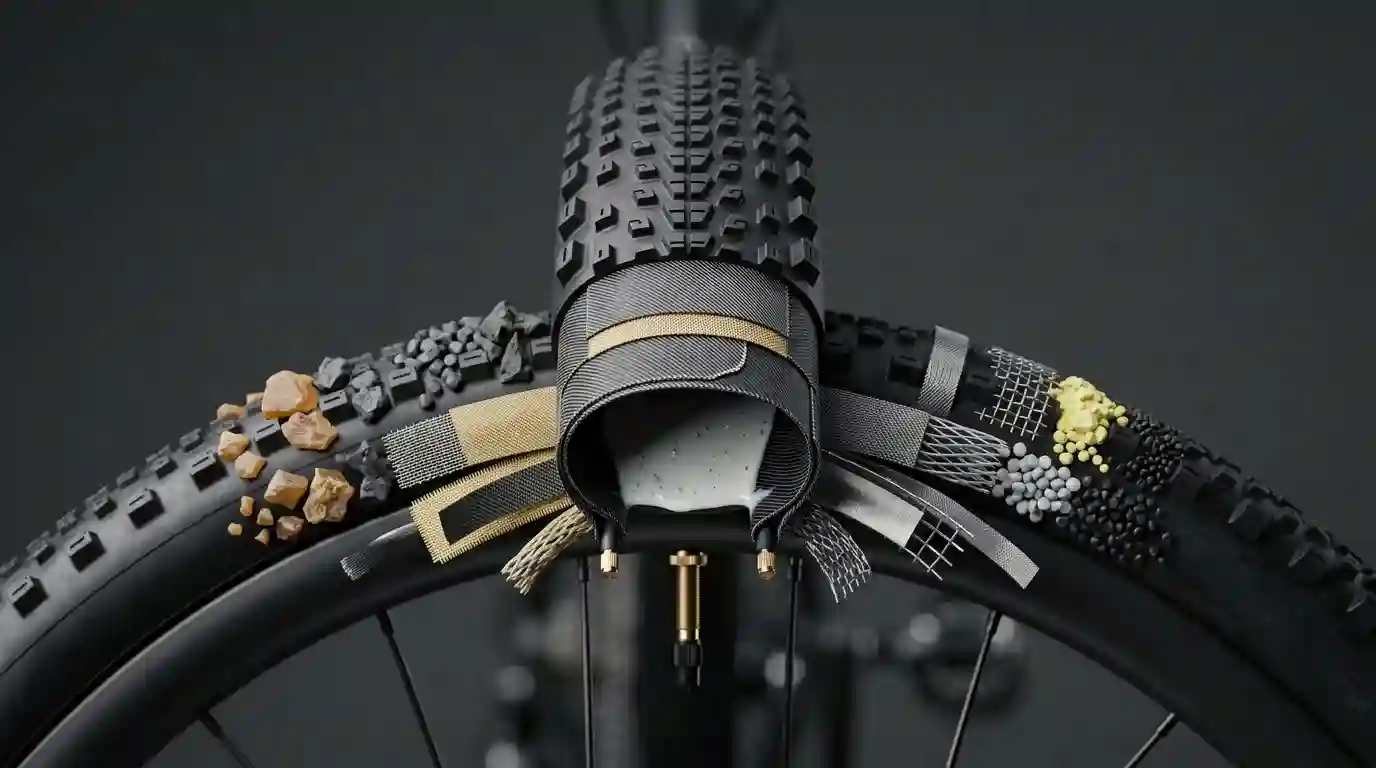
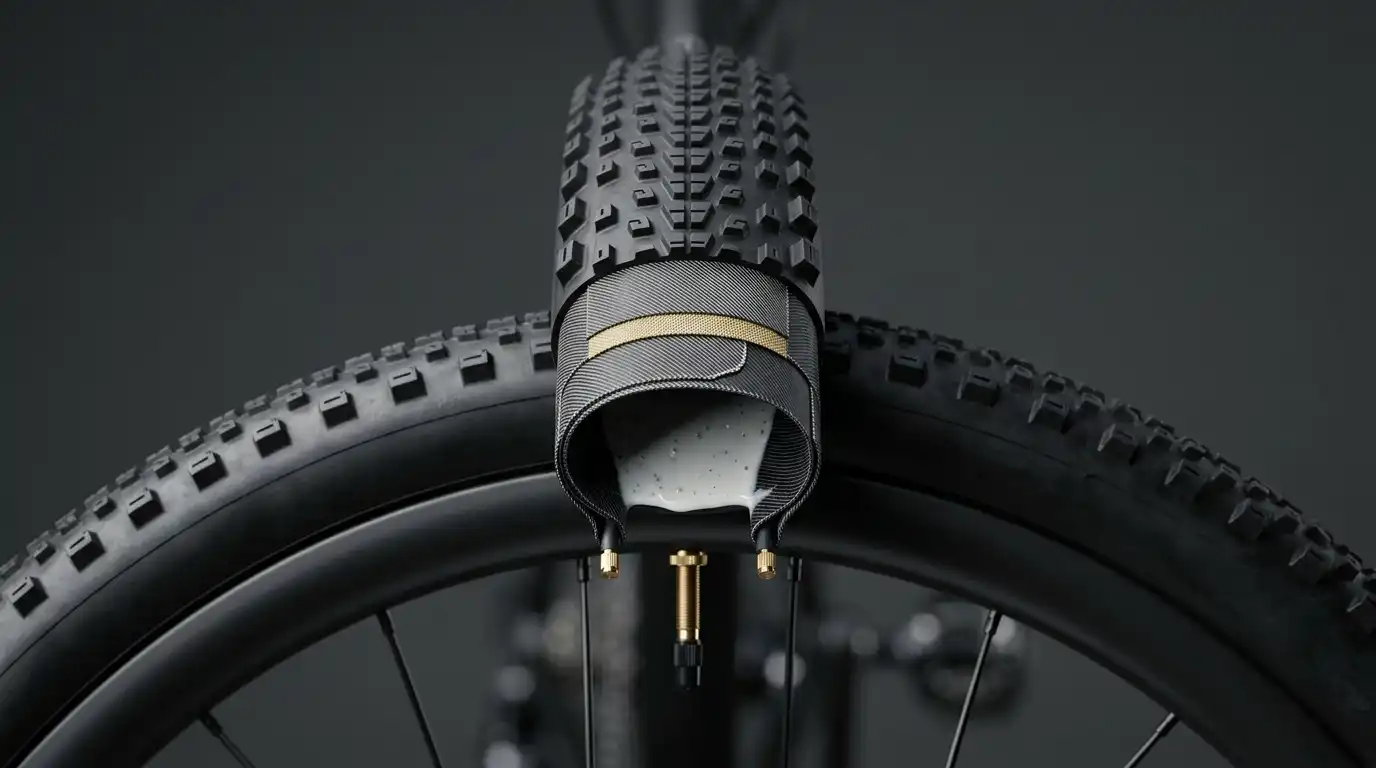
Sidewall cuts, cracked rubber, exposed casing threads, and bulges can cause leaks or sudden failure. A worn puncture belt, which is a protective layer under the tread, gives less defense against sharp objects.
Replace a damaged tire instead of adding air again and again. See how often bike tires should be replaced and how much tread a bike tire should have.
How to Find a Slow Leak in a Bike Tire
You can find most leaks without replacing parts. Use your ears, some soapy water, and a little patience. Follow the five steps below.
Both inner-tube and tubeless systems work with these methods. Work in a clean, well-lit spot, and keep the wheel in your hands.
Step 1: Inflate the Tire to a Safe Pressure
Inflate within the tire and rim makers’ approved limits. Do not overinflate just to make a leak easier to find. High pressure adds risk. Our guide on how much air to put in bike tires can help you pick a number.
If the tire has severe damage, or the bead is coming off the rim, do not inflate it further.
Step 2: Listen for Escaping Air
Hold the wheel in a quiet area. Listen near the tread, valve, and sidewalls. Small leaks may make a faint hiss.
Move the wheel slowly and listen around the whole tire. If you hear nothing, move on to the soapy-water test.
Apply Soapy Water (Step 3)
Mix a mild soapy solution and apply it to suspected leak points. Dab it on the tread, valve, bead, and around spoke holes. Look for bubbles that keep growing.
Avoid getting cleaning solution into parts where the maker advises against it. Rinse and dry the area when you finish.
Inspect the Inner Tube or Tubeless System (Step 4)
For inner tubes, remove the tube carefully and check it for holes. Inflate it a little and pass it near your cheek or through water. For tubeless tires, inspect the valve, bead, rim tape, and sealant.
Check the tire interior for sharp objects before you reinstall a tube. A tiny thorn can ruin a fresh tube.
Confirm the Repair Worked (Step 5)
Inflate the tire to a suitable pressure and check again for leaks. Recheck the PSI after the repair and before the next ride. A steady reading means success.
If air still escapes, inspect other leak points or ask a bike mechanic. Hidden rim damage is easy to miss.
How to Fix a Bike Tire That Keeps Losing Air
The right fix depends on the source. Treat the cause, not just the symptom. Otherwise the same leak returns in a week.
Pay attention to correct PSI, rim compatibility, and safe installation during every repair. The four fixes below cover the common cases.
Repairing a Punctured Inner Tube
Remove the wheel and tire following the bike maker’s instructions. Patch the tube with a compatible repair kit or replace it with the correct size. Roadside, a spare tube is faster.
Check the tire interior and the rim strip before you reinstall the tube. Run your fingers carefully inside the tire to find any sharp point.
Fixing a Leaking Valve
Check whether a removable valve core is loose. Tighten it with the proper tool. Replace damaged valve parts with compatible components.
If tightening does not stop the leak, replace the damaged valve stem or the whole tube. Keep the valve cap on to guard against dirt.
Sealing a Tubeless Tire Leak
Check the sealant level and add compatible sealant if needed. Clean the bead and rim interface, then reseat the tire by the maker’s instructions. Spin the wheel to spread the sealant.
Replace damaged rim tape, or repair a puncture with a suitable tubeless method. A plug works for many small holes.
When Should You Replace the Tire Instead of Repairing It?
Replace tires with severe sidewall cuts, bulges, exposed casing, or bead damage. A small tread puncture may be repairable. It depends on the size, the location, and the tire maker’s guidance.
If a tire keeps losing air after proper repairs, have the tire and wheel inspected. Consider tougher rubber, such as durable bike tires.
Why Does My Bike Tire Lose Air Overnight?
A tire that feels fine after a ride can feel soft the next morning. Sometimes it is a leak. Sometimes it is normal loss or a change in temperature.
Compare readings with the same gauge at similar temperatures. Consistent checks tell you which one you are facing.
Is It Normal for Bike Tires to Lose Some Air?
Yes, a little. Small pressure changes happen over time, because some air escapes through tire materials and valve connections. High-pressure road tubes can lose a few PSI per day, and latex tubes lose more.
Tubeless setups may lose air faster if the sealant or bead is not working well. As a rough guide, a tire that loses more than about 10 percent in a day, or is flat by morning, needs inspection. See how often to inflate bike tires.
Can Cold Weather Make Bike Tires Feel Flat?
Yes. Tire pressure changes with temperature, so a colder tire shows a lower reading. A drop of 10 degrees Fahrenheit can lower pressure by roughly 1 to 2 PSI, depending on the starting pressure.
That does not always mean a puncture. Check pressure when the tire is at a stable temperature, then inflate to the right target. If you ride in cold, wet Pacific Northwest weather, read how to choose bike tires for wet weather.
How Can You Tell a Leak From a Temperature Change?
Measure PSI with the same gauge at similar temperatures when possible. Check for bubbles around suspected leak points. A real leak shows up in soapy water.
If pressure keeps dropping under similar conditions, investigate a leak. Our guide on how often to check bike tires offers a simple routine.
What Is the Correct Bike Tire Pressure in PSI?
The right PSI depends on tire width, rider weight, rim design, casing, and riding surface. No single number fits every bike. Correct pressure also lowers impact damage and prevents too much tire flex.
A calculator gives a smart starting point. It does not replace tire and rim limits. For a full walkthrough, see how to find the correct bike tire pressure.
Typical Tire Pressure Ranges by Bike Type
These are broad examples, not universal recommendations. Always check the tire and rim specifications for your exact setup.
| Bike type | Illustrative pressure range |
|---|---|
| Road bike | 60-100 PSI |
| Gravel bike | 25-45 PSI |
| Mountain bike | 18-35 PSI |
| Hybrid or commuter bike | 40-70 PSI |
| E-bike | Depends on tire type, load, and approved limits |
- Narrow road tires often need more PSI than wider gravel or mountain bike tires.
- Wider tires can often support a rider at lower pressure, provided the tire and rim are compatible.
- Never exceed the applicable tire or rim pressure limit.
See how to choose tires for a commuter bike and how to choose bike tires for gravel roads.
How Does Rider Weight Affect PSI?
Heavier riders and cargo often need more pressure to control tire deflection. Lighter riders may run lower pressure without rim strikes or unstable handling. Front and rear pressures can differ because each wheel carries a different load.
| Total system weight (rider + bike + gear) | 28 mm road tire with tube | 40 mm gravel tire, tubeless |
|---|---|---|
| Under 150 lb (68 kg) | 55-65 PSI | 24-30 PSI |
| 150-180 lb (68-82 kg) | 60-70 PSI | 27-33 PSI |
| 180-210 lb (82-95 kg) | 65-78 PSI | 30-37 PSI |
| 210-250 lb (95-113 kg) | 72-85 PSI | 33-41 PSI |
| Over 250 lb (113 kg) | 80-95 PSI | 37-45 PSI |
Note: These are illustrative starting points. Stay inside the tire and rim limits.
How Do Rim Width and Tire Construction Affect Pressure?
Rim width affects tire shape, sidewall support, and compatibility. Inner rim width is the gap between the rim walls. A poor match can hurt the bead seal and cause leaks.
Casing, reinforced sidewalls, and puncture belts change flexibility and durability too. Follow the approved width and pressure guidance. Read bike tire width explained and what tire width to choose.
| Inner rim width | Typical tire width range (check maker charts) |
|---|---|
| 17-19 mm | 25-35 mm (about 1.0-1.4 in) |
| 21-23 mm | 28-42 mm (about 1.1-1.7 in) |
| 25-28 mm | 35-50 mm (about 1.4-2.0 in) |
| 30 mm and wider | 2.3-2.6 in mountain bike tires |
Hooked rims have a lip that grips the bead. Hookless rims have no lip and usually have a lower maximum pressure, often near 72 PSI (5 bar). Follow both the tire and rim makers’ rules.
Calculating the Right PSI in Four Steps
Use these four steps to set a safe starting pressure. They rely on total system weight, which is rider plus bike plus gear.
- Add your weight. Example: 170 lb rider + 25 lb bike + 5 lb gear = 200 lb.
- Split it by wheel. Use about 45% front and 55% rear on a road bike. In the example, that is 90 lb front and 110 lb rear.
- Check limits and find a starting PSI. Use the lower of the tire and rim maximums, then use a calculator or maker chart for your load per wheel and tire width.
- Adjust and test. For rough or loose ground, try: Starting PSI x 0.90 to 0.95. Change by 2 to 3 PSI and ride.
One bar equals about 14.5 PSI. Our guide to bike tire sidewall markings shows where the limits are printed.
How Tire Design Affects Air Retention
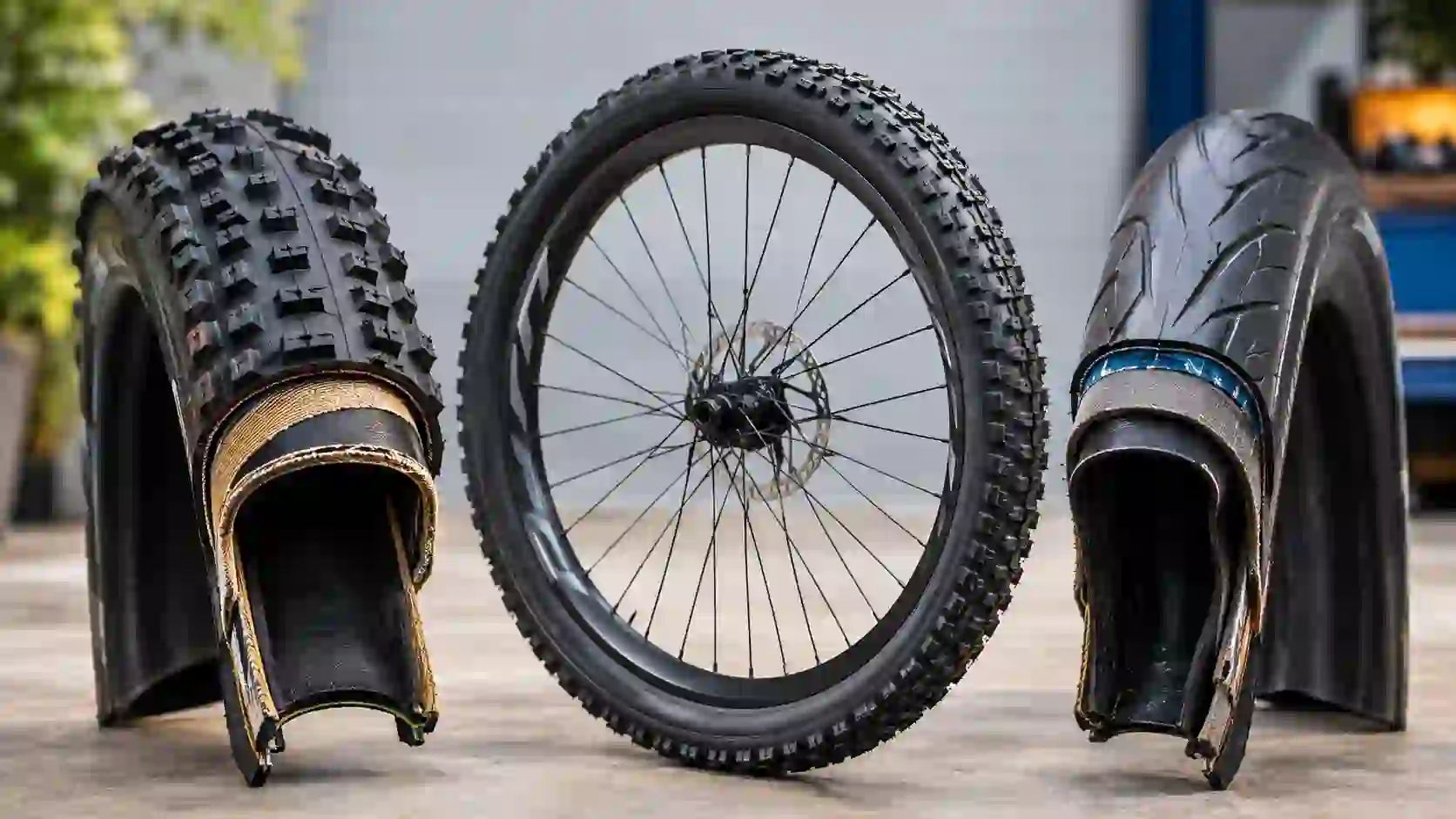
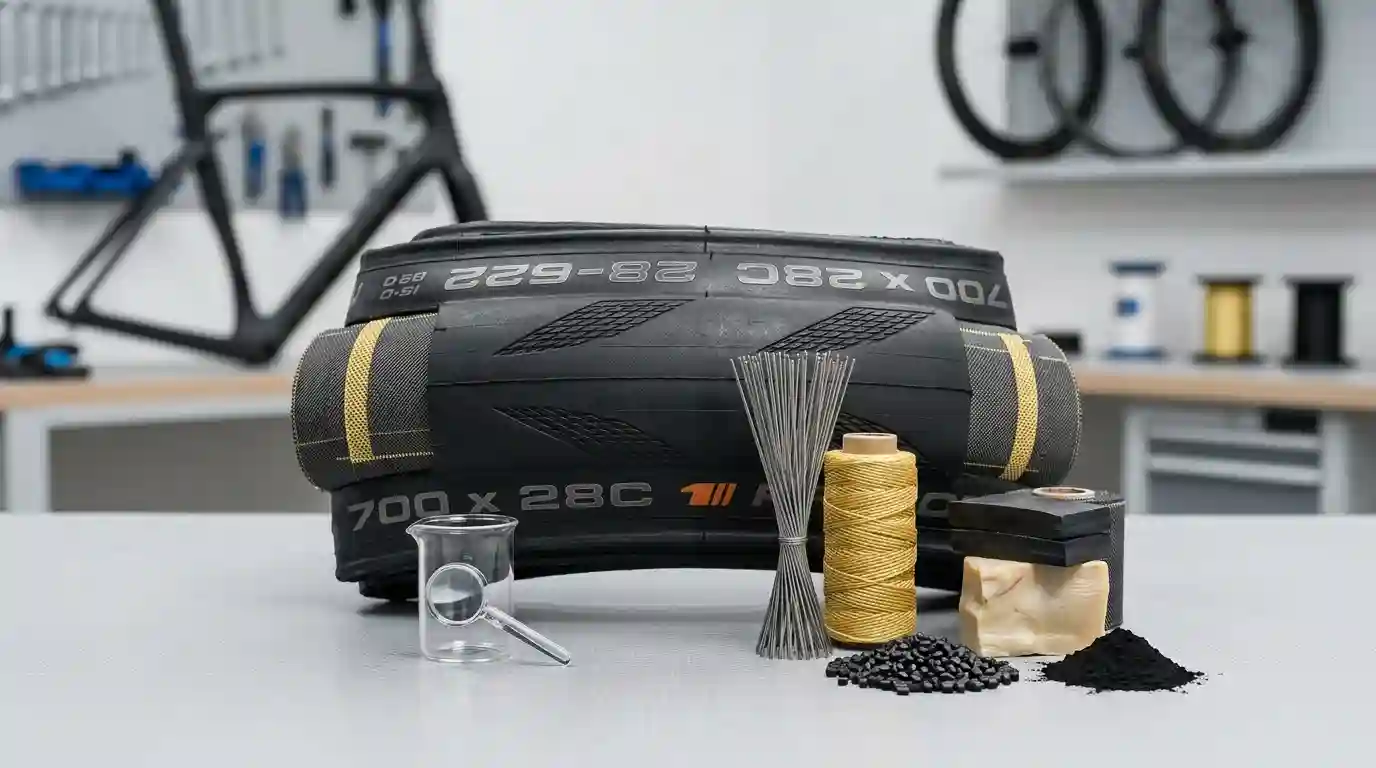
Some tires hold air better than others. Casing materials, tread build, puncture protection, and tire-rim fit all play a part. These traits shape everyday reliability.
Use the sections below to decide whether a different tire is worth a look. For a bigger picture, read what makes a good bike tire.
Does Casing TPI Affect Air Retention?
TPI means threads per inch. It describes one part of tire casing construction. Higher TPI often means a more supple tire.
TPI alone does not decide air retention. Materials, coatings, and construction matter too. A flexible casing may ride well but still needs a sound structure. See what a bike tire casing is.
How Do Puncture Belts Help Prevent Air Loss?
Puncture belts resist certain sharp objects beneath the tread. They cannot stop every puncture or protect every part of the tire. Sidewalls often have no belt.
Choose protection based on road debris, commute length, and riding conditions. Browse the best bike tires for puncture protection and puncture protection vs rolling resistance.
Does Tread Pattern Affect Punctures?
Tread patterns are made mainly for grip and surface conditions. They do not guarantee puncture prevention. Think of Pacific Northwest mud, where knobs matter for traction, not leaks.
Tire thickness, casing build, and puncture protection play bigger roles. Match the tread to the surface, then judge durability separately. Learn more in why bike tires have different tread patterns and what bike tire rubber compound is.
Do Gravel and E-Bike Tires Need Special Attention?
Gravel tires meet sharp stones and debris that can cause cuts or punctures. Loose Southwestern rock is a good example. Tougher casings help on those routes.
E-bikes can carry higher total loads, so tire condition and load ratings matter. E-bike torque affects traction demands, but it does not explain every leak. See how to choose bike tires for rough roads and bike tires for daily commuting.
Tubeless vs. Inner-Tube Tires: Which Holds Air Better?
Both systems manage air differently. Tubes hold air in a separate bladder. Tubeless tires hold air against the rim and rely on sealant for small holes.
Neither setup is immune to leaks. Each needs upkeep. The trade-offs differ for commuters, road cyclists, and mountain bikers.
Do Tubeless Tires Lose Air Faster?
They can. Tubeless tires may lose air through small punctures, bead leaks, valves, or rim tape. Sealant reduces loss from small holes, but it needs regular upkeep.
Correct installation and compatible parts are essential. A good setup holds air well, while a poor one weeps all week.
Are Inner-Tube Tires Easier to Repair?
Often, yes. A punctured tube can be patched or replaced roadside. Most riders already know how to do it.
Repeated flats may point to a sharp object, a damaged rim strip, or poor installation. Carry a suitable tube or repair kit on longer rides.
Which Setup Is Best for Daily Commuting?
Inner tubes are simple and familiar to repair. Tubeless systems may cut some punctures, but they need sealant and setup checks. Both can work well.
Choose based on tire compatibility, upkeep habits, riding conditions, and repair skills. Read bike tires for commuting vs road riding and what bike tire to buy for commuting.
How to Prevent Your Bike Tires From Losing Air
A few habits stop most repeat leaks. Build pressure and tire checks into your routine. Use suitable tires and valves, and replace worn parts before they cause repeated flats.
The four habits below take only a few minutes.
Check Tire Pressure Regularly
Check before important rides and regularly during daily use. Use the same reliable gauge each time. That keeps readings comparable.
Record your front and rear PSI. Notes help you spot odd changes early.
Inspect Tires and Wheels
Remove embedded debris before it works through, if it is safe to do so. Look for sidewall damage, worn tread, and rim tape failure. A quick look takes under a minute.
Check the tire bead and valve after tire changes or hard impacts. Rim hits can start slow leaks.
Maintain Tubeless Sealant and Rim Tape
Follow the sealant maker’s guidance for inspection and replacement. Check for leaks around the valve, bead, and rim bed. Shake the wheel and listen for sloshing.
Replace damaged rim tape with a product that suits your rim and tire system. Tape that lifts at the edges is a warning sign.
Choose Tires for Your Riding Conditions
Commuters may value puncture protection and long life. Gravel and mountain bike riders may need a mix of grip, casing strength, and tire volume. Pick tires that fit your rim width, load, and terrain.
Start with how to choose bike tires and the best bike tires for mixed road surfaces.
How to Test Tire Air Retention and Performance
Test to confirm that a repair or new tire works. Controlled tests beat memory. Record your results each time.
Our testing process follows the same idea. Pressure, rolling resistance, and tire build all shape the ride, so track them together.
Test Pressure Retention Over Time
Inflate to a suitable pressure and record the starting PSI. Recheck after a set time, such as 12 to 24 hours, at a similar temperature. Use the same gauge.
Investigate a repeated or unexplained drop. Do not keep topping up the tire and hoping for the best.
Evaluate Rolling Resistance and Cornering Grip
Test on a familiar route in similar conditions. Change one variable at a time when you compare pressure settings. Note comfort, cornering grip, and handling, not just speed.
For more detail, read how much bike tires affect speed and how much bike tires affect grip.
Use Reliable Testing and Safety Standards
ISO 5775 covers bicycle tire and rim designation and related compatibility. Use the tire and rim makers’ limits as your main safety boundaries.
Prefer independent tests with clear methods when you compare puncture protection and tire performance. Good data beats marketing claims.
Frequently Asked Questions About Bike Tires Losing Air
1. Why does my bike tire keep losing air but have no puncture?
- The valve, rim tape, tire bead, or tube may be leaking.
- Tubeless sealant may be dry or unable to seal the leak.
- Use soapy water to check suspected areas for bubbles.
2. Is it normal for bike tires to lose air overnight?
- A small pressure change can happen over time or with temperature changes.
- A tire that becomes very soft overnight may have a leak.
- Check PSI consistently and inspect the valve, tread, and bead.
3. Why does my bike tire go flat after I inflate it?
- A puncture, damaged valve, pinched tube, or failed tubeless seal may be responsible.
- Check the tire interior before installing a new tube.
- If the tire loses air rapidly, do not ride until the cause is fixed.
4. Are tubeless tires less likely to get flats than inner tubes?
- Tubeless sealant can seal some small punctures while riding.
- Tubeless tires avoid traditional tube pinch flats but can still suffer cuts and rim strikes.
- Proper installation and regular maintenance remain important.
5. What PSI should I use for my weight?
- Heavier riders and loads usually need more pressure than lighter setups.
- Tire width, casing, rim width, and surface conditions also matter.
- Use a pressure calculator as a starting point and stay within approved limits.
6. How often should I check bike tire pressure?
- Check before important rides and regularly during normal use.
- Road tires and tubeless setups may need frequent checks, depending on pressure retention.
- Check again after repairs, impacts, or changes to rider load.
7. Can a damaged rim cause a bike tire to lose air?
- Yes. Damaged rim tape, a faulty rim strip, or a damaged bead seat can cause leaks.
- Impacts can also damage the tire or affect the bead seal.
- Have a damaged rim inspected before riding.
8. When should I replace a bike tire instead of repairing it?
- Replace a tire with severe sidewall cuts, exposed casing, bulges, or bead damage.
- Small punctures may be repairable if the tire maker permits the repair.
- Repeated air loss after repairs calls for a closer inspection of the tire and wheel.
Conclusion: Stop Repeated Air Loss and Ride With Confidence
Recurring air loss usually comes from a puncture, a valve issue, tube damage, or a tubeless sealing problem. Find the source before you replace parts or keep adding air. A soapy-water check and a careful look often solve the mystery.
Keep PSI correct, inspect your tires and wheels, use compatible parts, and replace worn tires on time. Too much air causes trouble as well, so read what happens if bike tire pressure is too high and can you overinflate a bike tire.
Test Your Exact Setup Today
Stop guessing and start riding with confidence. Use the Free Bike Tire Pressure Calculator and Tire Finder Tool at TheBikeTires.com to get a starting PSI for your weight, tire width, and terrain. It takes less than a minute, and your next ride will feel safer, faster, and smoother.

Mohidul Islam is a leading cycling technology specialist and bike tire consultant with over 15 years of hands-on experience in the bicycle industry. He holds a Bachelor of Science in Mechanical Engineering from Penn State University, where he focused heavily on material science, tread mechanics, and rubber compound performance. Over the past decade and a half, Alex has conducted extensive field testing, tubeless setup evaluations, and tire pressure modeling for road, mountain, and e-bikes. His practical insights and data-driven approach help cyclists of all levels optimize grip, speed, and durability on every ride.