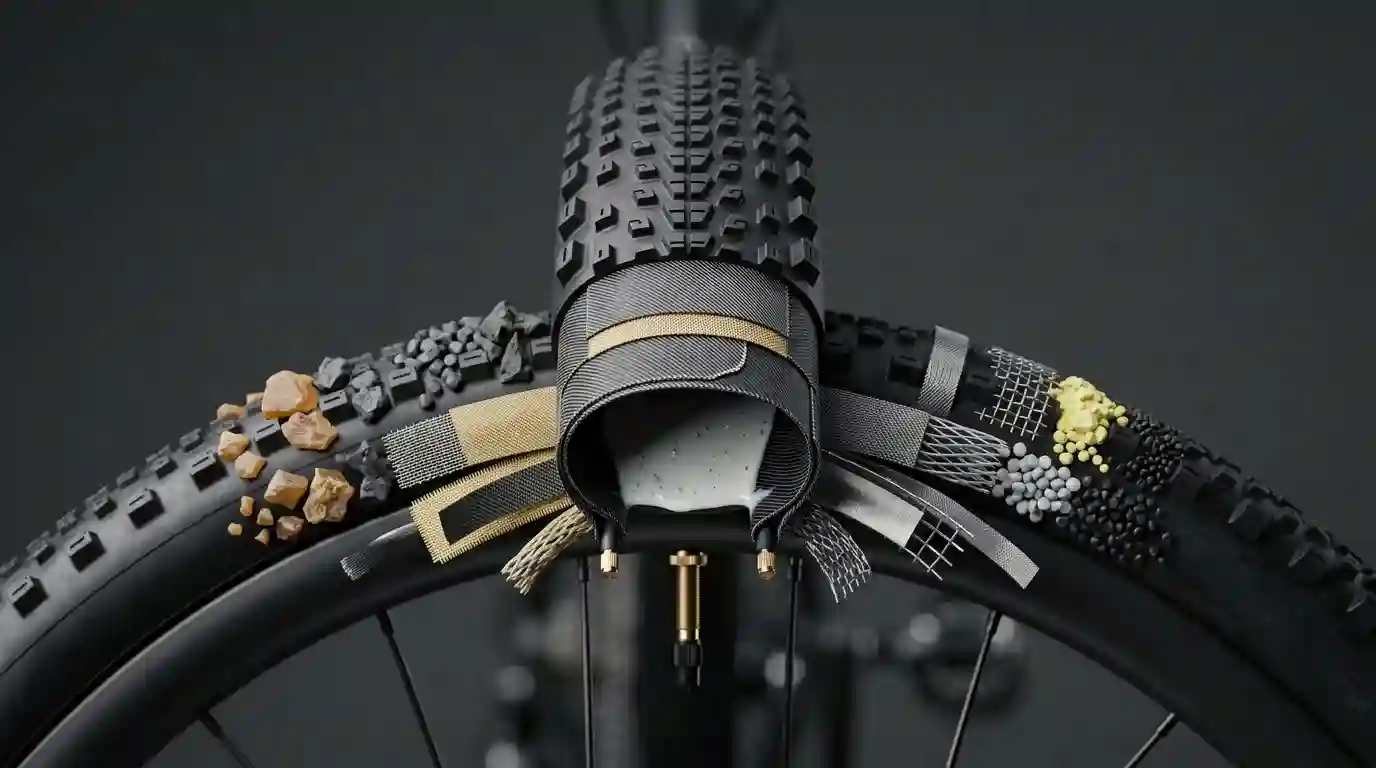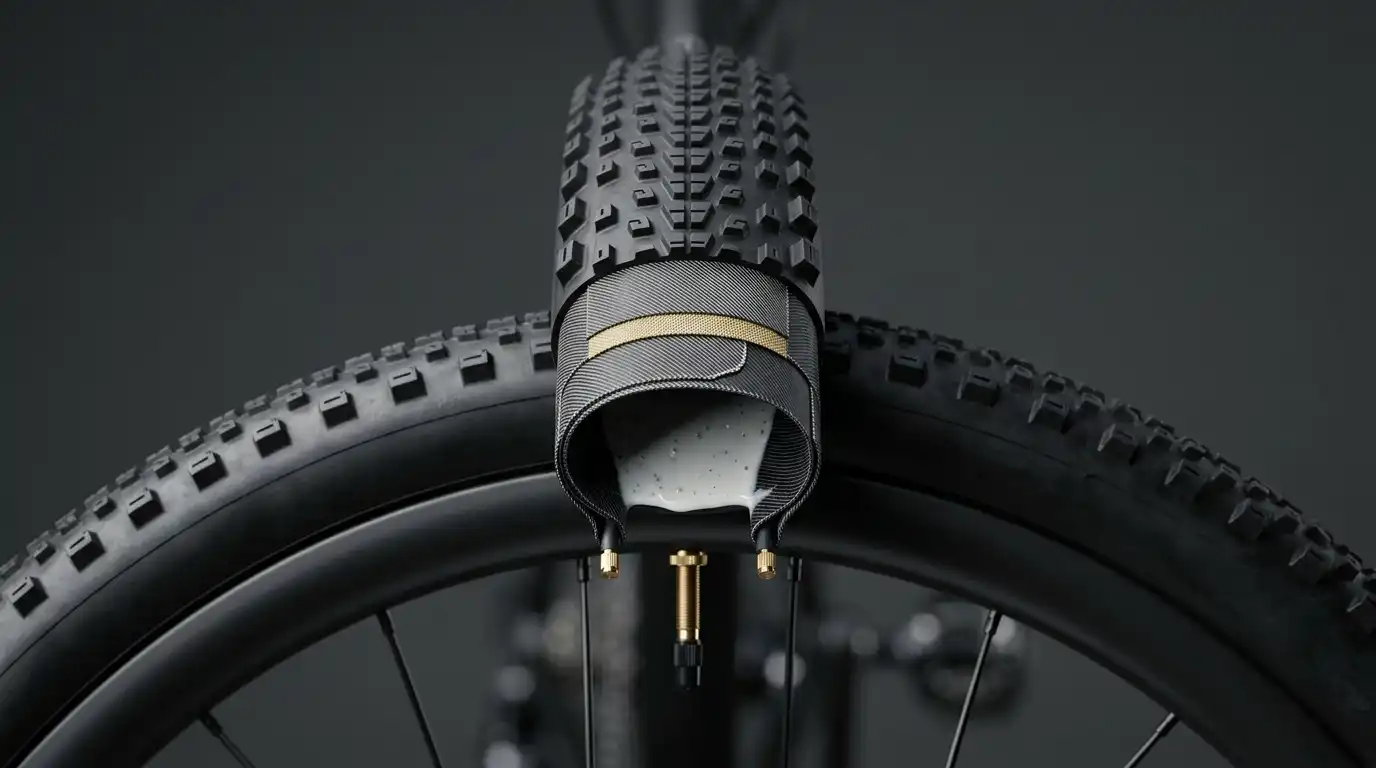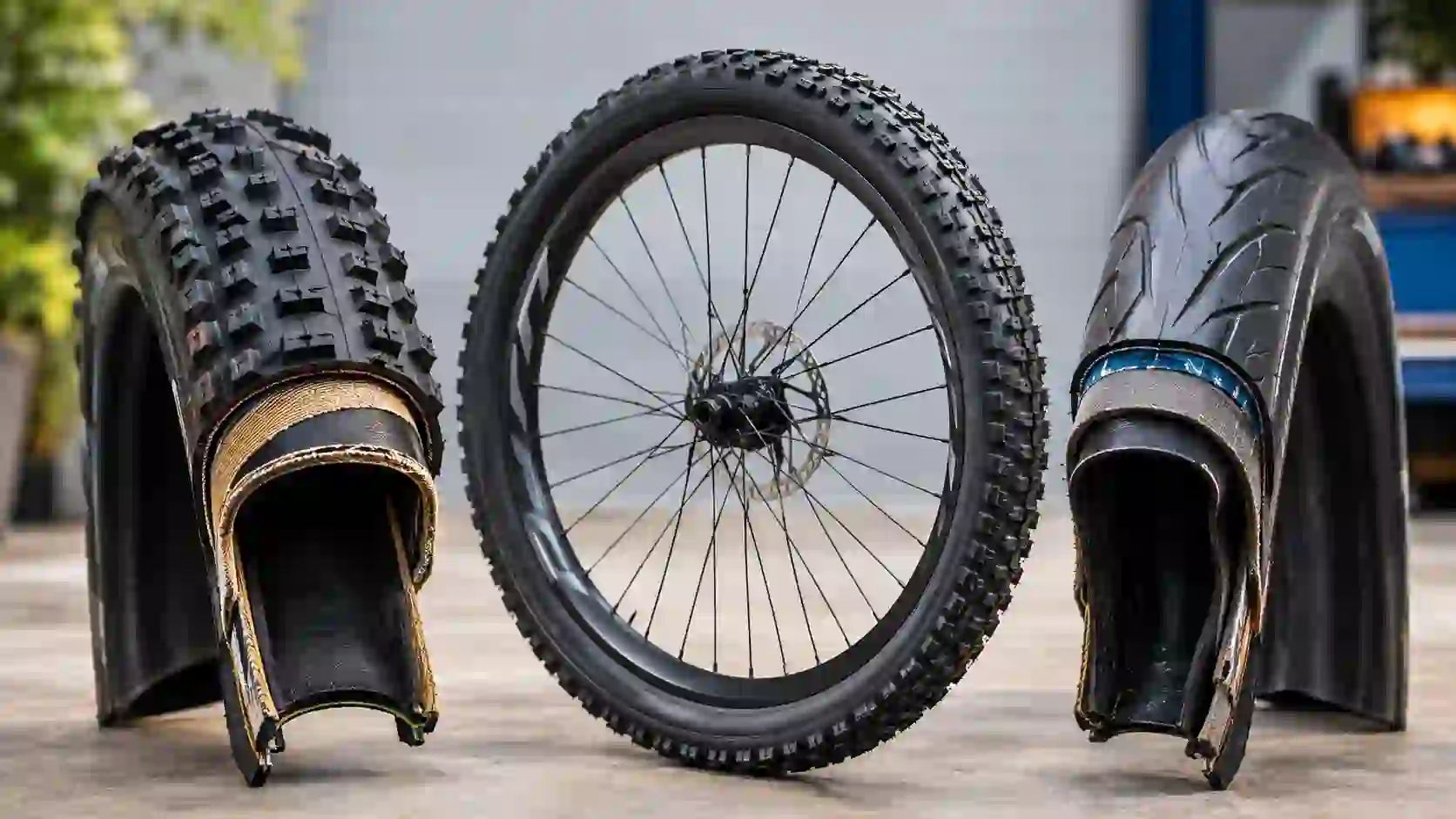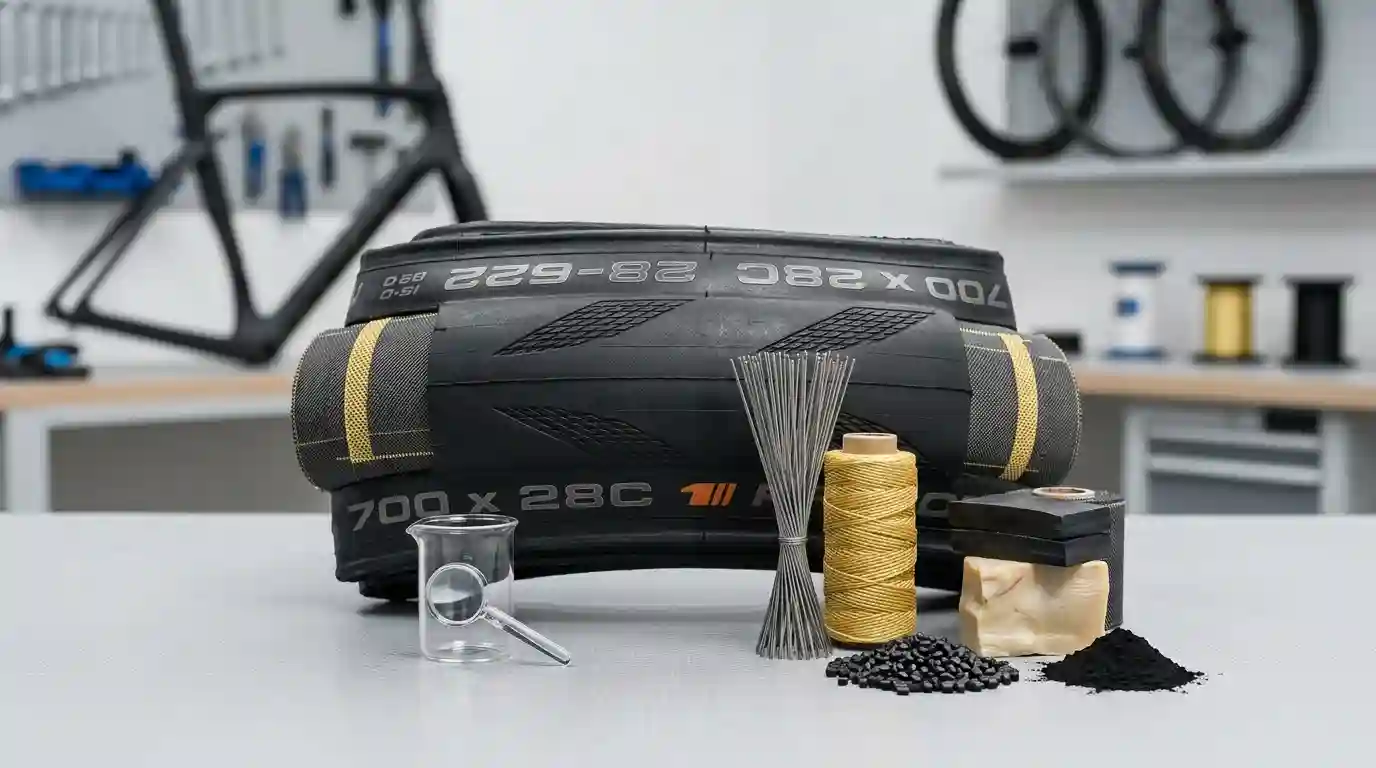
Every US rider knows the feeling. The bike buzzes over broken asphalt, the tire skips in a gravel corner, or a flat ruins the ride home. Many of these problems trace back to one number: tire pressure.
So, what happens if bike tyre pressure is too high? The ride turns harsh, grip drops on rough ground, and the tire or rim can fail if you pass the limit. Too much air can also hide a poor tire choice.
Correct tire pressure (PSI) affects safety, speed, and comfort on every ride. The right tire and the right PSI work as a team. Together they reduce flats, improve cornering traction, and slow down premature tread wear.
This guide shows the warning signs, the real risks, and a clear way to fix them. You will find tables, a simple formula, and links to our deeper guides, including how to find the correct bike tire pressure.
What Happens If Bike Tire Pressure Is Too High?
Overinflated tires feel harsh. They lose grip on rough surfaces and send more vibration into your hands, saddle, and feet. A tire needs to flex a little to follow the ground, and too much PSI stops that.
Excess pressure reduces tire deformation. The tire then bounces over bumps instead of absorbing them. The contact patch gets smaller, and the bike feels nervous.
The risks depend on tire design, rim type, road surface, rider weight, and the tire’s maximum pressure rating. A setup that suits a 200 lb rider on 40 mm gravel tires may be wrong for a 130 lb rider on 28 mm road tires. If you want a refresher on the basics, read how bike tires work.
Quick Answer: What Are the Main Risks?
If bike tire pressure is too high, the ride feels harsh, the tire loses grip on rough or uneven ground, and vibration rises. Going past the tire or rim limit can also cause a blowout or damage the rim. The right PSI depends on tire width, rider weight, and surface.
- Reduced grip: The tire may struggle to keep contact with rough or uneven surfaces.
- Poor comfort and control: High pressure makes bumps and road buzz feel stronger.
- Tire or rim damage: Going over the permitted pressure can cause tire failure or harm compatible parts.
Safety note: The number printed on the tire sidewall is a limit. It is not a target for every ride.
7 Signs Your Bike Tire Pressure Is Too High
You can often spot overinflation by feel and by how the bike behaves. Watch for these seven signs:
- The bike feels bouncy on rough roads.
- The tires lose grip while cornering.
- The bike skips or slides on loose surfaces.
- The ride feels harsh or unstable.
- Your hands go numb or sore on longer rides.
- The front wheel chatters under braking.
- Your gauge reads at or near the tire’s maximum rating.
A firm tire is not always an overinflated tire. The correct PSI depends on the tire and your setup. Use a reliable gauge instead of thumb pressure, and learn how much air to put in bike tires for your size.
Your Bike Feels Bouncy on Rough Roads
High PSI makes it harder for the tire to soak up small bumps. The bike hops instead of rolling smoothly. Long commutes and gravel rides feel tiring.
Try this test. Ride the same stretch of smooth pavement, then a patch of broken asphalt or packed gravel. If the rough section feels much worse than it should, your pressure may be too high. See how much bike tires affect comfort for more detail.
Your Tires Lose Grip While Cornering
Excess pressure limits how well the tire conforms to the surface. That can cut cornering traction on gravel, wet roads, and uneven trails. The bike may feel like it is sliding off its line.
Pressure is only one factor. Tread pattern, rubber compound, tire width, and surface also change grip. Read how much bike tires affect grip and our guide to choosing bike tires for wet weather for the full picture.
The Bike Skips or Slides on Loose Surfaces
Hard tires bounce over stones, roots, and loose gravel. Think of Southwestern trails covered in loose rock. A tire that is too firm skips across the top instead of biting in.
Riders also struggle to hold a smooth line through corners. Lowering pressure, while staying inside the tire and rim limits, can improve traction. Our guide on choosing bike tires for gravel roads covers the best matches.
Your Ride Feels Harsh or Unstable
High PSI sends more vibration through the handlebars, saddle, and pedals. You may feel less confident on rough pavement or damaged roads. Small bumps start to feel like big ones.
Tire construction matters here too. Casing TPI means threads per inch in the tire body. A supple casing flexes more easily than a stiff one. Learn more in what a bike tire casing is.
How High Tire Pressure Affects Bike Performance
PSI, tire deformation, grip, and energy loss are all linked. Too little pressure wastes energy as the tire flexes. Too much wastes energy as the whole bike and rider vibrate.
Effects vary by bike. Road bikes tolerate more pressure on smooth pavement. Mountain bikes suffer quickly because trails are rough. Gravel bikes sit in the middle, and e-bikes add weight that changes the picture.
Lower pressure is not always faster. The best number depends on surface, tire, and conditions. For the bigger picture, read how much bike tires affect speed and bike tires for speed vs comfort.
Does High Tire Pressure Increase Rolling Resistance?
Rolling resistance is the energy a tire uses just to keep rolling. On smooth pavement, higher pressure can lower it, up to a point. The tire flexes less, so it wastes less energy.
On rough roads, the story flips. Extra pressure increases vibration, and that energy is lost as the bike and rider shake. The fastest PSI balances tire losses against surface-induced vibration. See how to choose fast rolling bike tires.
Can Overinflated Tires Reduce Cornering Grip?
Yes, they can. A tire needs to deform to follow small changes in the surface. Too much pressure makes the bike feel less planted in rough corners.
Think of Pacific Northwest mud. A hard tire struggles to bite into soft, wet ground. Tread design, compound, and rider technique also matter, so read why bike tires have different tread patterns.
Does High PSI Make a Bike Less Comfortable?
Usually, yes. Higher pressure makes the tire feel firmer and more buzzy. Your body takes the hits that the tire should absorb.
Wider tires can often deliver comfort at lower pressures when the tire and rim allow it. Tubeless sealant is a liquid inside the tire that plugs small holes. Tubeless setups offer more pressure flexibility, but they still have safe limits. See how to choose comfortable bike tires and the best bike tires for comfort.
Does High Pressure Cause More Punctures?
It can in some cases. Excess pressure raises the risk of impact damage when a tire hits a sharp edge or pothole. The tire cannot flex around the hit.
Lower pressure is not automatically safer. Too little air causes pinch flats, where the tube gets squeezed against the rim, plus rim strikes. A puncture belt is a protective layer under the tread, and casing strength and width also help. Read how to choose puncture resistant bike tires and puncture protection vs rolling resistance.
What Is the Correct Bike Tire Pressure in PSI?
There is no single right number. The correct PSI depends on rider and cargo weight, tire width, rim design, tire construction, and road surface. Start with the tire and rim maker limits, then fine-tune inside them.
Look at the sidewall for the pressure range, shown in PSI and often in bar. Our guide to bike tire sidewall markings explains each number.
A bike tire pressure calculator is a practical way to estimate a starting PSI. It saves time and removes guesswork. We cover how to use one in the calculation steps below.
Recommended Bike Tire Pressure by Bike Type
These are broad examples for planning, not universal recommendations. Always check the tire’s pressure range and the rim’s limits.
| Bike type | Illustrative pressure range |
|---|---|
| Road bike with narrow tires | 60-100 PSI |
| Gravel bike | 25-45 PSI |
| Mountain bike | 18-35 PSI |
| Hybrid or commuter bike | 40-70 PSI |
| E-bike | Depends on tire type, load, and manufacturer limits |
Narrow road tires hold less air volume, so they often need more PSI. Wide mountain bike tires hold lots of air, so they run lower. Actual inflated width, tubeless compatibility, and total system weight can shift the ideal.
Do not use this table in place of the tire’s marked range or the rim maker’s limits. If you commute, see how to choose tires for a commuter bike.
How Does Rider Weight Affect Tire Pressure?
Heavier riders and loads often need more pressure. It stops the tire from flexing too much. Lighter riders can often run less, as long as the tire stays stable and avoids rim strikes.
Front and rear pressure can differ because weight is not shared equally. Most riders put more weight on the rear wheel. Use the table below as a rough starting point only.
| Total system weight (rider + bike + gear) | Illustrative starting PSI, 28 mm road tire with inner tube |
|---|---|
| Under 150 lb (68 kg) | 55-65 |
| 150-180 lb (68-82 kg) | 60-70 |
| 180-210 lb (82-95 kg) | 65-78 |
| 210-250 lb (95-113 kg) | 72-85 |
| Over 250 lb (113 kg) | 80-95, never above tire or rim limits |
Tip: Tubeless setups often run a little lower than inner tube setups. Wider tires run lower again.
How Do Tire Width and Rim Width Affect PSI?
Wider tires generally run lower pressure than narrow tires carrying a similar load. Inner rim width is the gap between the rim walls. It changes the tire’s shape, support, and fit.
Check approved tire and rim pairings before you change sizes. Start with bike tire width explained and bike tire size compatibility.
| Inner rim width | Typical tire width range (check maker charts) |
|---|---|
| 17-19 mm | 25-35 mm (about 1.0-1.4 in) |
| 21-23 mm | 28-42 mm (about 1.1-1.7 in) |
| 25-28 mm | 35-50 mm (about 1.4-2.0 in) |
| 30 mm and wider | 2.3-2.6 in mountain bike tires |
Hookless vs. hooked rims matter for safety. Hooked rims have a lip that grips the tire bead. Hookless rims have no lip, and they usually carry a lower maximum pressure, often near 72 PSI (5 bar). Always follow the rim maker’s rules.
Not sure a tire fits? Read will this bike tire fit my wheel and what the numbers on bike tires mean.
Calculating Bike Tire Pressure: Steps and Formula
Use this method to find a safe starting point. It uses total system weight, which is rider plus bike plus gear.
- Add up your weight in pounds. Example: 170 lb rider + 25 lb bike + 5 lb gear = 200 lb.
- Split the load by wheel. Use about 45% front and 55% rear on a road bike. Commuters and e-bikes often carry 40% front and 60% rear. In the example, that is 90 lb front and 110 lb rear.
- Read the tire’s minimum and maximum PSI. Also check the rim limit. Use the lower of the two.
- Find a starting PSI. Use a calculator or maker chart with your load per wheel, tire width, and surface.
- Apply a surface tweak. For rough or wet roads, try: Starting PSI x 0.90 to 0.95.
- Verify with a calibrated gauge. Then adjust in steps of 2 to 3 PSI.
- Test and refine. Check grip, comfort, and handling after each change.
Note that 1 bar equals about 14.5 PSI, which helps when a tire shows metric units.
What Happens If You Exceed the Tire’s Maximum PSI?
The maximum pressure mark is a limit. It is not a target. Going past it can damage the tire, cause sudden failure, or exceed the rim’s safe range.
Remember that system pressure must respect both tire and rim. Some tubeless setups add their own rules. When the two limits differ, follow the lower one.
Can an Overinflated Bike Tire Blow Out?
Yes. Pressure beyond the permitted limit raises the risk of tire failure. Heat, tire damage, bad installation, and rim mismatch add to the risk.
If a tire bulges, looks damaged, or pulls away from the rim, stop riding. Inspect it safely before you go on. Worn or aged tires fail more easily, so see how often bike tires should be replaced.
Can High Pressure Damage Bike Rims?
Yes. Excess pressure stresses the tire and rim contact area and the rim itself. Carbon and other lightweight rims may have strict limits based on rim width and tire size.
Hookless rims need extra care, as covered above. Follow the lower limit when tire and rim specs disagree. When in doubt, ask the rim maker.
Are Tubeless Tires More Sensitive to Excessive Pressure?
Tubeless systems rely on a tight bead fit and a compatible rim. Too much pressure can unseat the bead or cause the system to fail. That can happen suddenly.
Sealant helps plug small holes. It cannot stop every blowout or structural failure. Follow the tire and rim maker’s tubeless instructions every time.
How to Fix Bike Tire Pressure That Is Too High
Fixing overinflation is simple. Release air in small steps and confirm with a gauge. The goal is the correct PSI, not the lowest possible pressure.
Add extra checks for tubeless setups and for e-bikes with higher system weights. Follow the five steps below.
Step 1: Check the Tire and Rim Pressure Limits
Read the pressure range on the tire sidewall. Then check the rim maker’s instructions. Confirm that your tire width fits the rim’s inner width.
Where limits differ, use the lower maximum. This protects both parts. It also keeps you inside warranty rules.
Step 2: Measure the Current PSI
Use a floor pump gauge or a separate digital gauge. Measure when the tire is cool, before a ride. That gives steady readings.
Gauges can vary from one to another. Use the same trusted gauge when you compare changes. If you are unsure of your target, review how to find the correct bike tire pressure again.
Release Air in Small Amounts (Step 3)
Open the valve slowly and release a little air. Recheck PSI after each change instead of guessing by feel. Small steps prevent overshooting.
With tubeless tires, do not dump air too fast. A sudden drop can break the bead seal. Go slowly and keep control.
Test the Bike on a Safe Route (Step 4)
Pick a familiar, low-risk route. Include smooth pavement and a slightly rough patch. Avoid traffic and steep descents for the first test.
Check comfort, steering, braking grip, and cornering. Then make small changes inside all tire and rim limits. Repeat until the bike feels calm and planted.
Record Your Best Pressure (Step 5)
Write down front and rear PSI, rider weight with gear, tire width, and surface. A phone note works well. Over time, you build your own pressure chart.
Recheck before long rides, commutes, and off-road trips. Update your notes as weather, loads, and tires change.
How to Avoid Overinflating Bike Tires
Build a pressure check into your routine. Use a gauge, not your thumb. Recheck after tire changes, tubeless setup work, or any change to wheel and tire specs.
A few habits go a long way. The next three sections cover gauges, timing, and temperature.
Use a Reliable Bike Tire Pressure Gauge
Choose a gauge that suits your pressure range. A gauge built for 150 PSI is a poor choice for a 20 PSI mountain bike tire. Match the tool to the job.
Make sure the head fits your valve type, either Presta or Schrader. Compare readings now and then if you suspect drift. A bad gauge can mislead you for months.
Check Pressure Before Every Important Ride
Road tires need frequent checks because high pressure can change noticeably in a day or two. Tubeless mountain bike tires can lose air over time, even with sealant. Learn how often to check bike tires and why bike tires lose air.
E-bike riders should account for cargo, passengers where allowed, and the tire’s load rating. A loaded e-bike needs a different setup than an empty one.
Account for Temperature Changes
Tire pressure changes with temperature. A tire pumped in a cold garage will read higher on a hot afternoon. Readings from different conditions can vary.
Check pressure before you ride, not from yesterday’s reading. Do not compare a hot tire’s reading with a cold tire’s reading. Cold, pre-ride checks give the best consistency.
How Tire Design Changes the Effects of High Pressure
Tire construction shapes comfort, grip, durability, and pressure tolerance. Casing, compound, tread, and protection all play a part. Two tires of the same width can feel very different at the same PSI.
The next sections link design features to real-world results. For a wider view, read what makes a good bike tire.
Tire Casing TPI and Construction
TPI means threads per inch in the casing. Higher TPI is not always better in every category. It often feels more supple, but it may be less durable.
Casing materials and build change flexibility, ride feel, and toughness. A supple casing feels different from a reinforced one at the same pressure. See what bike tires are made of.
Tread Pattern and Rubber Compound
Road slicks, gravel tires, and mountain bike tires target different surfaces. Durometer is a measure of rubber hardness. Softer rubber grips better, while harder rubber lasts longer.
High PSI cannot fix the wrong tread or a poor match to the surface. Learn more in what bike tire rubber compound is.
Puncture Belts and Tire Protection
Puncture belts resist certain sharp objects. No tire is fully puncture proof. Extra protection can add weight and make the tire feel stiffer.
Correct pressure and smart tire choice work together to reduce damage. Browse the best bike tires for puncture protection if flats are your main problem.
E-Bike Tires and Higher Loads
E-bikes carry more weight from the motor, battery, rider, and cargo. E-bike torque raises traction demands during acceleration. Torque alone does not set the correct PSI.
Use tires rated for the bike’s load and speed. Follow the pressure guidance for the specific tire and rim. See bike tires for daily commuting for urban setups.
Overinflated vs. Underinflated Bike Tires
Both extremes hurt performance and safety. Overinflation reduces comfort and traction on rough ground. Underinflation can cause too much flex, rim strikes, or pinch flats.
Aim for a pressure that balances grip, rolling efficiency, comfort, and protection. If you are choosing new rubber, start with how to choose bike tires.
| Factor | Pressure too high | Pressure too low |
|---|---|---|
| Comfort | Often harsh and bouncy | Can feel soft but may bottom out |
| Grip | May lose contact on rough surfaces | Can improve grip until the tire becomes unstable |
| Rolling resistance | May increase on rough roads | May increase from excessive tire deformation |
| Puncture risk | Impact damage may occur in some conditions | Pinch flats and rim strikes may become more likely |
| Handling | May feel skittish on rough surfaces | May feel vague or unstable if excessively low |
Which Is Better for Rough Roads?
Start with a pressure that lets the tire follow surface changes without flexing too much. Consider wider tires and a suitable casing for broken pavement and gravel. Wider volume is your friend here.
Test front and rear pressure on their own, within approved limits. See how to choose bike tires for rough roads and bike tires for rough roads.
Which Is Better for Smooth Pavement?
Smooth surfaces can support higher pressure than rough trails, depending on width and load. Do not assume maximum PSI gives the lowest rolling resistance. It often does not.
Use ride feel and repeatable tests to find a good balance. For fast setups, browse the best bike tires for speed.
How to Test Tire Pressure for Real-World Performance
Test one variable at a time. Compare comfort, cornering confidence, speed, and puncture performance on a repeatable route. Change only the pressure between runs.
Record tire model, width, casing, pressure, temperature, rider load, and surface. Good notes make your results useful. Our testing process follows the same idea.
Measure Rolling Resistance and Ride Comfort
Compare pressure settings on the same route in similar conditions. Use repeatable speed or power numbers when you can. A power meter or a speed sensor both help.
Avoid drawing conclusions from one ride. Wind, traffic, and surface changes can fool you. Several runs give a clearer answer.
Follow Relevant Testing Standards
Look for independent tire tests with clear methods and repeatable data. Where relevant, ISO 5775 covers bicycle tire and rim designation and compatibility. Our guide to ETRTO bike tire sizes explains the related sizing system.
Treat lab results as useful evidence. They do not replace manufacturer pressure limits or a safe real-world setup.
Choose Tires That Match Your Riding Style
Road cyclists often want efficiency, predictable cornering, and fair puncture protection. Mountain bikers want grip, strong casings, and rim strike resistance. Commuters and e-bike riders value durability, load suitability, wet grip, and good pressure retention.
Compare options in bike tires for commuting vs road riding and the best bike tires for long rides.
Frequently Asked Questions About High Bike Tire Pressure
1. What happens if bike tyre pressure is too high?
- The ride may feel harsh, and traction on rough surfaces may suffer.
- Excess pressure can raise the risk of tire or rim damage if system limits are exceeded.
- The correct PSI depends on tire width, rider weight, surface, and component limits.
2. How do I know if my bike tires are overinflated?
- Check PSI with a reliable gauge and compare it with manufacturer guidance.
- A harsh ride, bouncing, or reduced grip on rough ground can be warning signs.
- Do not rely on tire firmness alone.
3. Is higher PSI always faster on a road bike?
- No. Higher PSI can help on smooth pavement, but excess pressure can increase vibration losses on rough roads.
- Tire width, casing, surface quality, and rider weight affect the result.
- The best pressure balances rolling resistance, comfort, and grip.
4. What PSI should I use for my weight?
- Heavier riders and loads often need higher pressure, while lighter riders may use less.
- Front and rear pressure can differ because the wheels carry different loads.
- Use a calculator as a starting point, then check tire and rim limits and fine-tune safely.
5. Are tubeless tires safer at high pressure than inner-tube tires?
- No. Tubeless systems have their own pressure limits and bead-retention needs.
- Sealant can plug some small punctures but does not prevent every failure.
- Follow the specific tire and rim maker’s instructions.
6. Can overinflated bike tires cause a blowout?
- Yes, especially if pressure exceeds the approved limit or the tire is damaged or badly installed.
- A tire bead may also unseat if the system is incompatible or overpressurized.
- Stop riding if the tire bulges, separates from the rim, or shows structural damage.
7. How often should I check bike tire pressure?
- Check before important rides and regularly during everyday use.
- Road tires often benefit from more frequent checks than setups that hold pressure well.
- Inspect tires after impacts, repairs, or changes to the bike’s load.
8. Does rim width affect the correct tire pressure?
- Yes. Rim width affects tire shape, support, and approved tire compatibility.
- The ideal PSI also depends on tire width, construction, and total load.
- Check the rim and tire maker’s compatibility charts before changing sizes.
Conclusion: Find the Right Bike Tire Pressure for a Safer Ride
Too much PSI makes a bike harsh, cuts grip on uneven surfaces, and raises the risk of damage when component limits are exceeded. Overinflation is easy to fix once you know the signs. A gauge, a few notes, and small adjustments do most of the work.
Remember that the ideal pressure depends on tire width, rider weight, casing, rim design, and riding conditions. Measure PSI with a reliable gauge. Then make small, safe changes instead of guessing.
Test Your Exact Setup Today
Stop guessing and start riding with confidence. Use the Free Bike Tire Pressure Calculator and Tire Finder Tool at TheBikeTires.com to get a starting PSI for your weight, tire width, and terrain. It takes less than a minute, and your next ride will feel safer, faster, and smoother.

Mohidul Islam is a leading cycling technology specialist and bike tire consultant with over 15 years of hands-on experience in the bicycle industry. He holds a Bachelor of Science in Mechanical Engineering from Penn State University, where he focused heavily on material science, tread mechanics, and rubber compound performance. Over the past decade and a half, Alex has conducted extensive field testing, tubeless setup evaluations, and tire pressure modeling for road, mountain, and e-bikes. His practical insights and data-driven approach help cyclists of all levels optimize grip, speed, and durability on every ride.