You roll out on a Monday morning. A sliver of glass is waiting in the bike lane. Ten minutes later you are fixing a flat in work clothes. Meanwhile, your friend on the weekend group ride wants a tire that feels fast and carves corners.
Both riders ask the same thing. What is the right tire? This guide compares bike tyres for commuting vs road riding so you can pick with confidence.
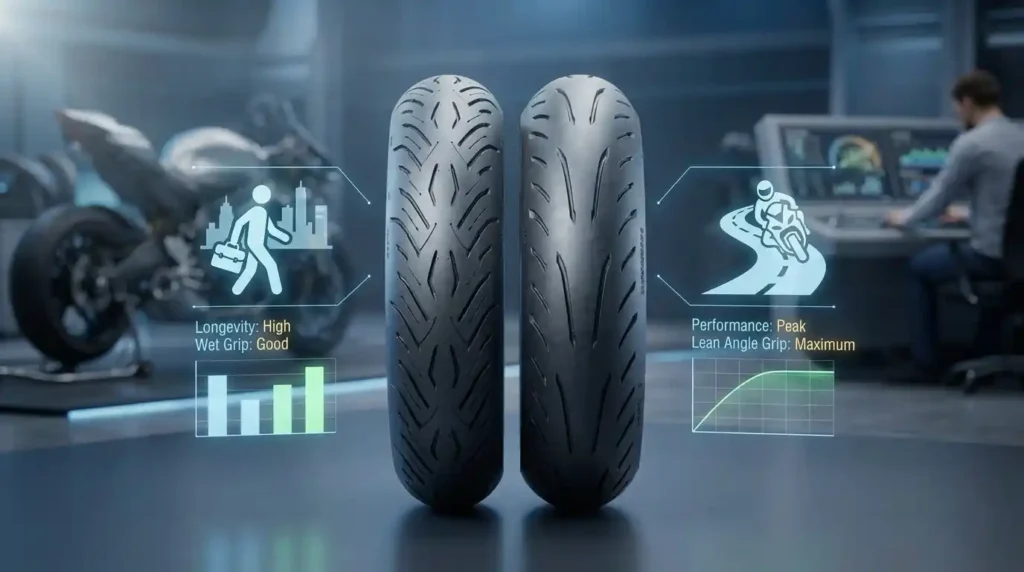
In general, commuter tires focus on puncture protection, durability, and reliable grip. Road tires often focus on low rolling resistance and efficient riding. These are trends, not hard rules. Some tires do both jobs well.
The right choice depends on your route, speed, weather, tire clearance, and upkeep habits. Correct tire pressure (PSI) also matters for safety, speed, and comfort, whichever tire you pick.
Quick answer: Choose protection and reliability for rough, debris-filled commutes. Choose efficient, smooth-rolling tires for clean roads and fast rides. Many riders do best with an endurance road tire in between.
What Is the Difference Between Commuter and Road Bike Tires?
The two types differ in design, surface, puncture protection, and rolling resistance.
Commuting means road debris, frequent stops, and changing weather. Tires take a beating there. Road riding often puts more weight on speed, smooth rolling, and handling at higher speeds.
Think about a typical week. A commuter may ride in rain, cold, and rush hour traffic. A road rider may pick a dry Saturday and a smooth loop. Those two weeks ask very different things from rubber.
Want a refresher on the basics? Read what makes a good bike tire and how bike tires work.
What Are Commuter Bike Tires Designed For?
Commuter tires aim to get you there without drama. They tend to share a few traits:
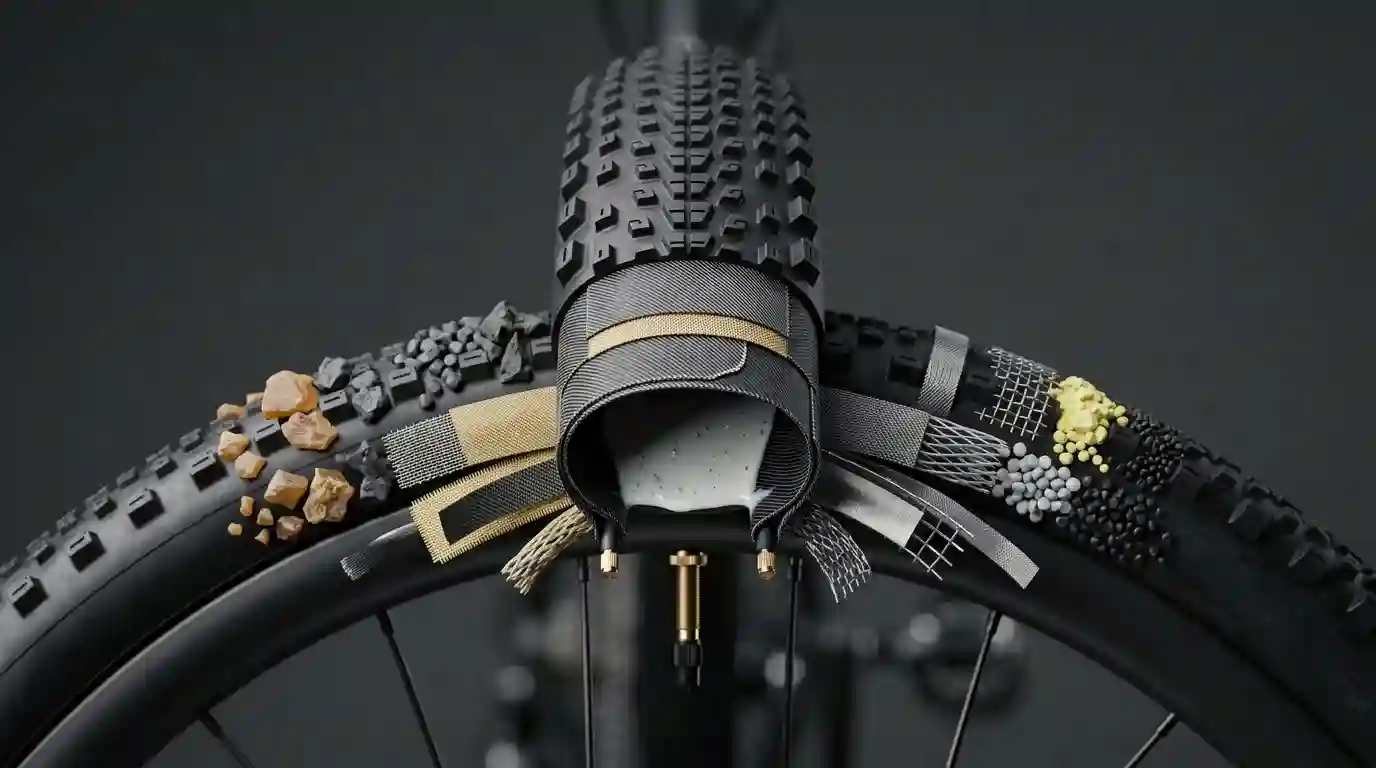
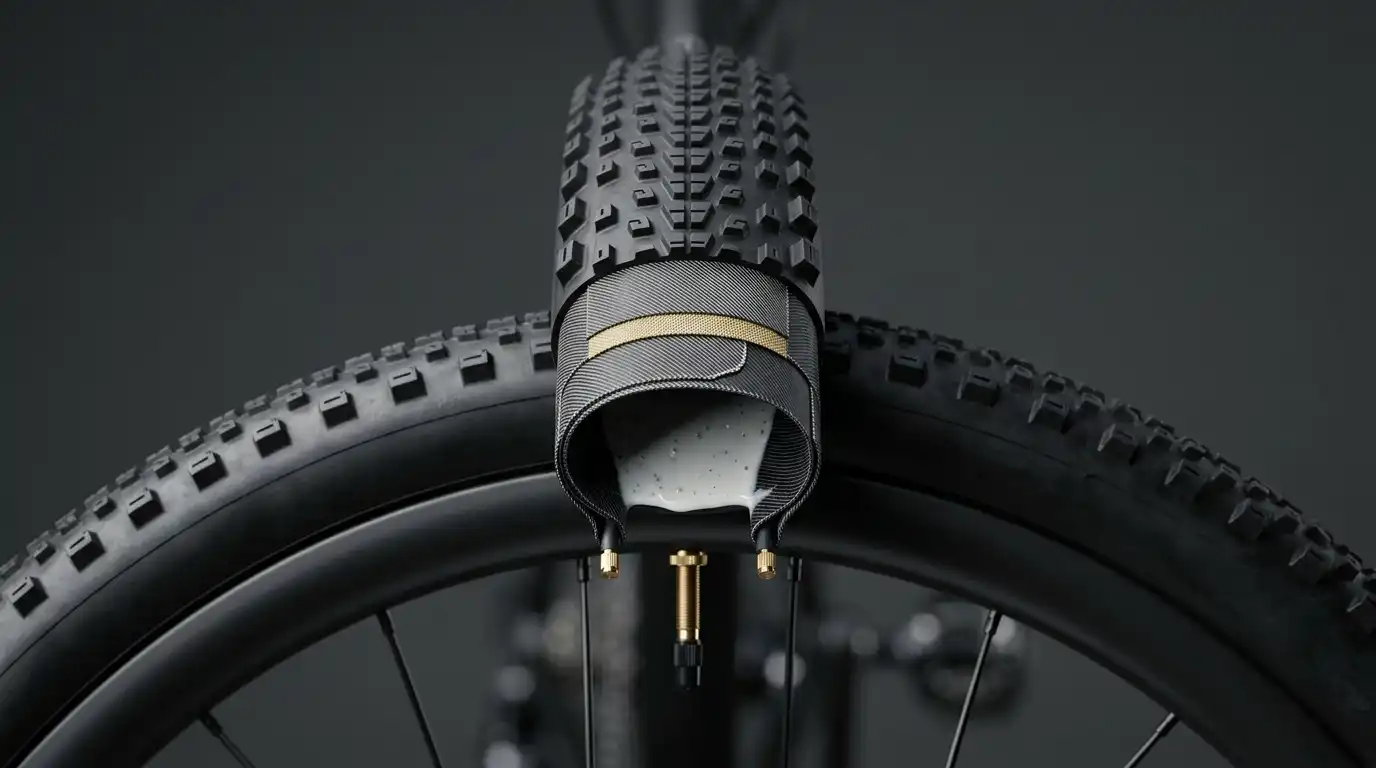
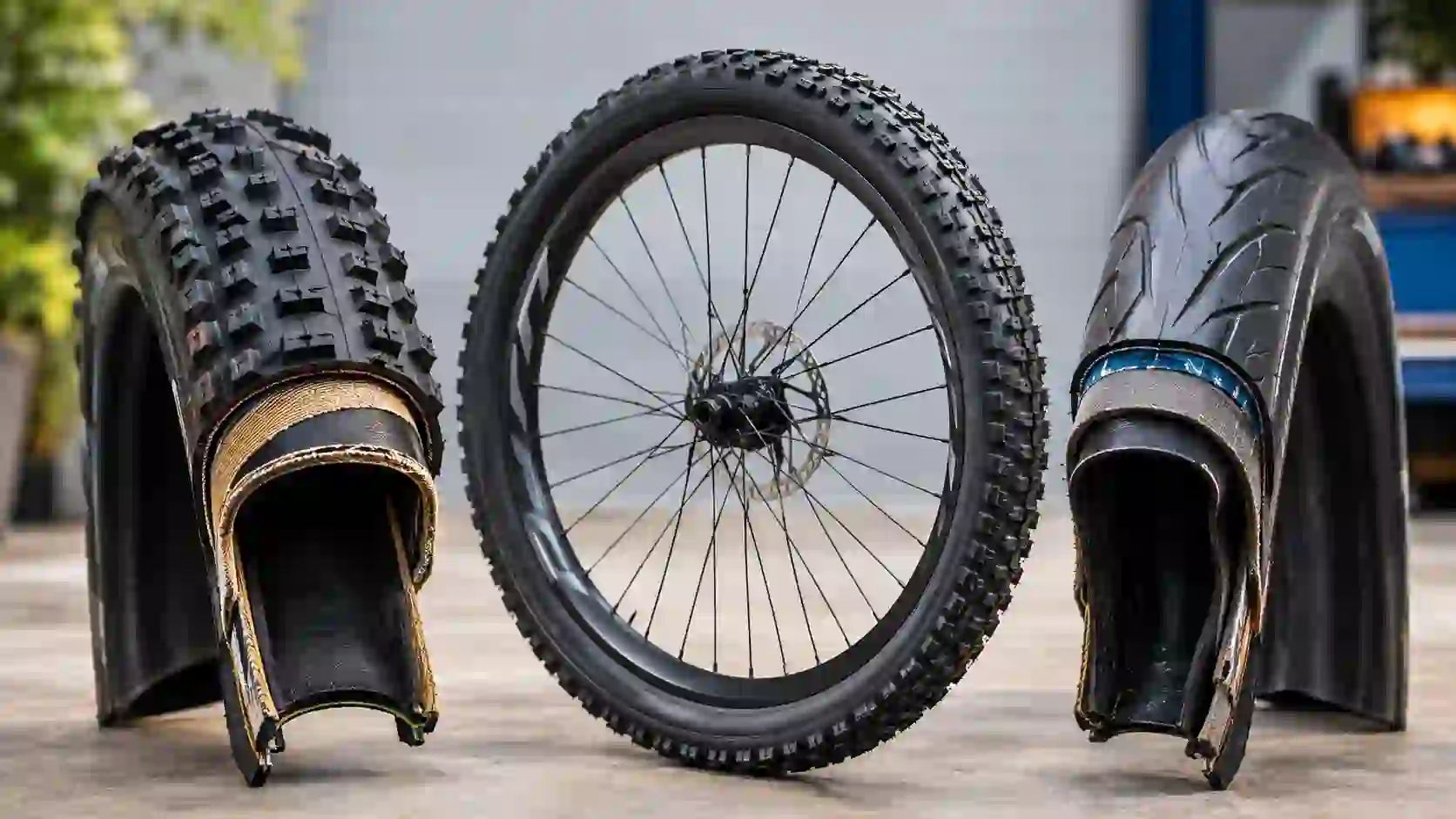
- Tough casings and puncture belts to resist glass, thorns, and road debris
- Reflective sidewalls and wet-weather grip for everyday travel
- Moderate tread and good volume for comfort on cracked city streets
Many also last longer than race tires. That helps when you ride five days a week. A tire that wears out in a few months gets expensive fast. For a full buying guide, see how to choose tires for a commuter bike.
Road Bike Tires: What Are They Designed For?
Road tires usually have smooth or lightly textured tread. That helps them roll efficiently on pavement.
Flexible casings and suitable rubber balance speed and grip. Width, pressure, and tire-rim shape then shape comfort, handling, and performance.
Race-focused models can feel lively and fast. They often trade some life and protection for that feel.
Pavement is their home turf. Dirt shortcuts and broken asphalt are not. Our guide to the best tire width for road and city riding covers the details.
Can One Tire Work for Both Commuting and Road Riding?
Yes. Many endurance road tires offer a useful mix of speed, comfort, and protection.
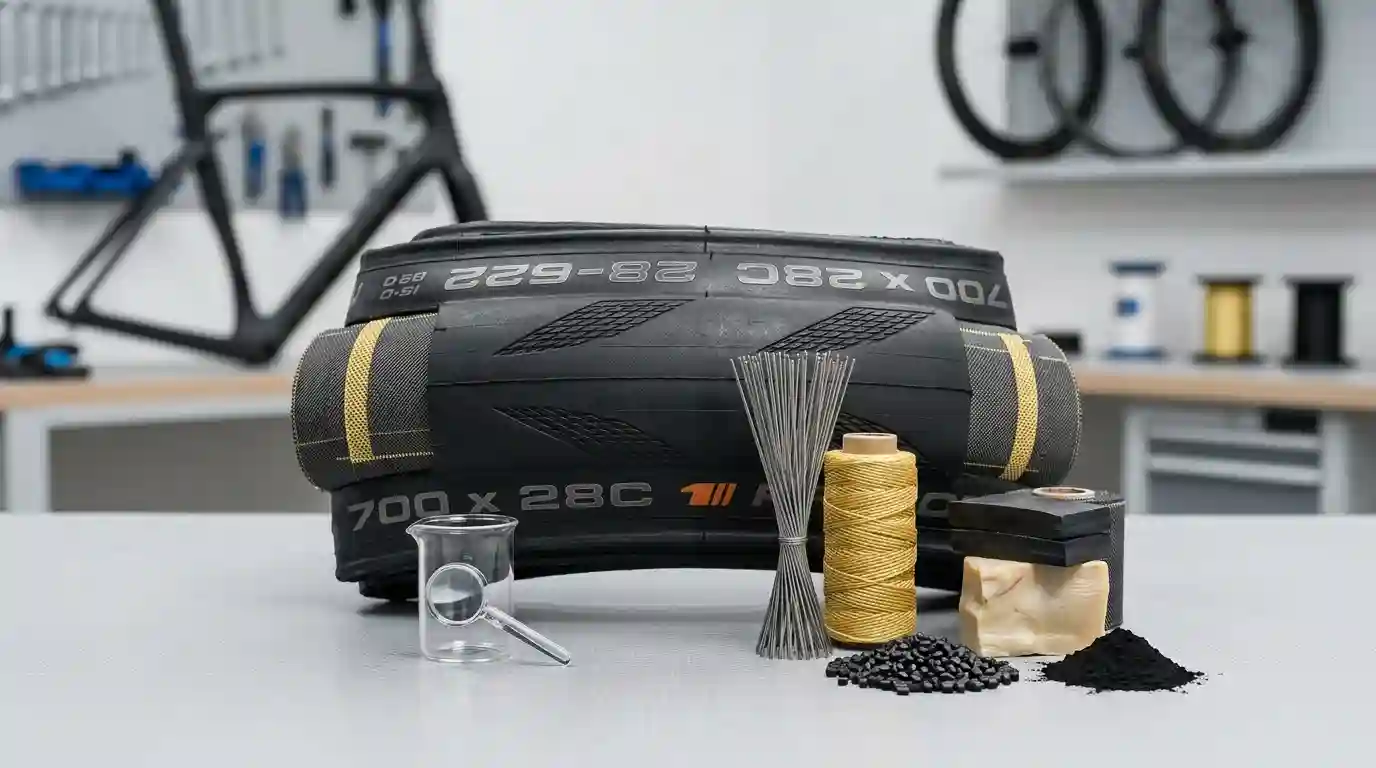
Endurance models often pair 28 to 32 mm (1.1 to 1.25 in) width with light protection. That mix suits long commutes and relaxed club rides.
Choose by your most common route, not by the rare ride. If 90 percent of your miles are commuting, shop for commuting.
Always check that the tire fits your frame, fork, brakes, and rim first. See will this bike tire fit my wheel before you buy.
Commuter vs. Road Bike Tires: Key Differences Compared
This table gives the short answer.
| Feature | Commuter tires | Road tires |
|---|---|---|
| Main goal | Reliability and everyday use | Speed and efficient riding |
| Tread | Smooth to lightly textured | Usually smooth or lightly textured |
| Puncture protection | Often a major priority | Varies by tire model |
| Tire width | Often moderate to wide | Narrow to wide, depending on use |
| Rolling resistance | Varies by protection and design | Often optimized for efficient rolling |
| Comfort | Suited to rough city streets | Depends on width, casing, and PSI |
| Wet-weather grip | Important for daily travel | Important for safe road handling |
| Maintenance | Often built for frequent use | Depends on casing and construction |
Categories overlap, so the real build matters more than the label. Compare tires in the same size, at similar pressure, under similar test conditions.
Weigh puncture protection, comfort, and grip along with rolling resistance. A tire that wins one row of the table may lose another.
Use the table as a starting filter. Then read real test data for the models on your short list. Not sure how to sort the options? Read how to choose bike tires.
Which Bike Tires Are Faster for Commuting and Road Riding?
Road tires built for low rolling resistance can cut the power you need to hold a pace.
Commuter tires can still be fast. Smooth tread and efficient casings go a long way.
On a commute with many stoplights, acceleration and durability matter as much as top speed. On a long open road, steady rolling matters more.
The fastest practical pick depends on road quality, stops, weather, and flat risk. A fast tire that flats twice a month is not fast.
How Rolling Resistance Affects Speed
Rolling resistance is the energy a tire loses as it flexes while rolling.
Compound, casing build, pressure, and surface all change it. Rough pavement raises losses, and so does too little pressure. Very high pressure on bumpy roads can also add losses, because the bike bounces.
Use independent rolling resistance tests to compare specific models. Our testing process explains how we think about fair comparisons.
Are Commuter Tires Slower Than Road Tires?
Some are. Heavily reinforced commuter tires may roll slower than performance road tires.
But light commuter tires with smooth tread can offer a good balance. Do not assume every commuter tire is slow.
Compare test results, not labels. Look at weight, casing, and tread together. A good 32 mm (1.25 in) commuter tire can beat a worn, cracked race tire.
Do Wider Tires Make Road Bikes Slower?
Not automatically. Build and surface conditions matter more than width alone.
Suitable wider tires can add comfort on rough pavement and may roll very well. Width and rim shape also change aerodynamics, mostly at higher speeds.
Curious about changing sizes? See how much wider a tire you can fit, whether you can use wider tires on your bike, and if you can put narrower tires on a bike.
Which Tires Offer Better Puncture Protection?
Commuter tires often use protective belts or reinforced casings. These cut flats from road debris.
Performance road tires vary a lot in puncture resistance and durability. Read the specs and the tests.
Balance protection against weight, rolling resistance, and ride feel. More protection costs a little speed. For many commuters, that trade is worth it.
Plan for your local debris too. City riders see glass and wire. Riders in the Southwest face goathead thorns, which punish thin tires.
What Is a Puncture Belt?
A puncture belt is a protective layer under the tread. It helps stop sharp objects before they reach the tube or sealant.
Materials and thickness differ. Some belts are very light. Others add noticeable weight. Many tires also add a rubber strip or woven layer under the tread for the same job.
Compare independent puncture tests and maker specs where you can. Our guide to what bike tires are made of shows what goes into each layer.
Are Puncture-Resistant Tires Worth It for Daily Commuting?
Often, yes. They can save time and keep you from getting stranded.
They may add weight or change how the casing flexes. That depends on the design.
Riders on debris-filled city routes gain the most. Riders on clean, smooth roads may need less. If you ride through glass-heavy bike lanes in a big city, protection pays off fast.
How to Reduce Flats on Commuter and Road Tires
- Check the tread and sidewalls for cuts or embedded debris.
- Maintain suitable tire pressure with a reliable gauge.
- Remove small debris safely and replace damaged tires when needed.
- Carry a spare tube, tire levers, and a pump or compatible inflator.
Low pressure causes pinch flats, where the tube squashes against the rim. Hitting a pothole or curb at low pressure is the classic cause. Learn how often to check bike tires and why bike tires lose air.
How Tire Width and PSI Affect Comfort
Width and air volume decide how a tire absorbs bumps and supports you.
Too much pressure makes rough roads feel harsh. Too little can cause unstable handling or rim strikes.
The right PSI depends on rider weight, tire size, casing, load, and surface. Start with bike tire size compatibility to confirm what your bike allows.
What Tire Width Is Best for Commuting?
A moderate width offers comfort and protection on broken pavement. Most commuters do well between 28 and 40 mm (1.1 to 1.6 in).
Wider tires suit potholes, rough streets, and the odd gravel path, if your bike allows them. Fenders and racks may also limit how much room you have. They also leave room to run lower pressure, which adds comfort and cornering grip on bumpy streets.
Check frame clearance, brake clearance, and rim fit before you change size. See the best bike tire size for commuting for more.
What Tire Width Is Best for Road Cycling?
Narrower tires suit classic performance setups. Wider ones add comfort on long days.
Many endurance riders now pick 28 to 35 mm (1.1 to 1.4 in). That is wider than the 23 mm tires once seen as standard. Check actual inflated width and your wheel maker’s approved range.
Rim style matters too. Hooked rims have a lip that holds the bead. Hookless rims have none, so they often cap pressure near 72 PSI (5 bar). Always check yours.
| Inner rim width | Typical tire width range |
|---|---|
| 19 mm (0.75 in) | 25 to 35 mm |
| 21 mm (0.83 in) | 28 to 40 mm |
| 23 mm (0.91 in) | 30 to 47 mm |
| 25 mm (0.98 in) | 35 to 50 mm |
These are typical ranges only. See the ETRTO system for sizing standards.
How to Find the Best Tire Pressure (PSI)
Use this formula for a first guess:
Rear PSI = total system weight (lb) x width factor
Width factors: 28 mm = 0.36, 32 mm = 0.29, and 40 mm = 0.20. Front PSI runs 3 to 5 lower. Trim 5 to 10 percent for wet roads.
| Rider + bike weight (lb) | Rear PSI, 28 mm road | Rear PSI, 32 mm commuter |
|---|---|---|
| 130 | 47 | 38 |
| 150 | 54 | 44 |
| 170 | 61 | 49 |
| 190 | 68 | 55 |
| 210 | 76 | 61 |
Note: Add 5 to 10 PSI for inner tubes. Never exceed the tire or rim maximum.
- Check the tire and rim manufacturer’s pressure limits.
- Use a calculator like the free one at TheBikeTires.com that factors in weight, width, and surface.
- Test the pressure on a familiar route and adjust in small steps.
- Check front and rear separately when the load on each wheel differs.
How Tread Pattern and Rubber Compound Affect Grip
Commuter and road tires often share smooth or lightly textured tread. That suits pavement.
Rubber compound affects grip, wear, and rolling resistance. Makers rate hardness with a durometer number, where lower means softer. Soft rubber grips more but wears faster.
Wet pavement, road paint, metal covers, and loose debris cut traction on any tire. Rain after a dry spell is often the slickest time, because oil lifts from the road. Learn more about the rubber compound and why bikes use different tread patterns.
Are Smooth Tires Good for City Commuting?
Yes. Smooth tires grip well on paved streets when the compound and conditions suit.
Big knobs are rarely needed on clean pavement. They add drag and noise.
Choose tread by your real route. If you cut through gravel paths or unpaved shortcuts, a light texture may help. Check how much tread a bike tire needs as your tires wear.
Do Road Bike Tires Have Enough Grip in the Rain?
Many do. A well-kept, properly inflated road tire can grip wet pavement well. Many riders lower pressure a few PSI in the rain to boost the contact patch.
Compound, surface, and smooth braking all affect control. Slow down on slick surfaces. Avoid sudden turns or braking while leaning.
For wet-day picks, see how to choose bike tires for wet weather.
Does Casing TPI Affect Comfort and Grip?
TPI means threads per inch in the casing. It tells you how fine the weave is.
A flexible casing follows uneven ground better. That can help comfort and cornering traction.
But TPI alone does not set quality. Thread material, protective layers, and build also count. Read our guide to the tire casing.
Tubeless vs. Inner-Tube Tires for Commuting and Road Riding
Tubeless setups can stop flats from many small punctures. They may also allow lower pressure in suitable setups.
Inner tubes are simple to replace and practical for everyday riders.
Neither is always faster or more reliable. Tire choice, setup quality, and upkeep decide the result.
Are Tubeless Tires Good for Commuting?
They can be. Tubeless tires cut interruptions from small punctures on debris-filled streets.
Tubeless sealant is a liquid latex mix that plugs small holes while you ride. It needs regular checks, because it dries out.
Some punctures still need a plug or a tube. Confirm tire, rim, tape, and valve fit before you install.
Are Tubeless Tires Better for Road Cycling?
They can roll efficiently and feel smooth when matched to the right tire and pressure. Lower pressure also adds cornering traction on rough pavement.
Benefits vary with the tire, sealant, surface, and conditions. Setup also takes more effort.
Think about the extra upkeep on long rides. For endurance riders, see how to choose tires for long distance.
How to Choose Between Tubeless and Inner Tubes
Choose tubeless if you like small-puncture sealing and your wheels support a reliable setup.
Choose inner tubes if you prefer simple repairs and easy roadside swaps.
Carry repair supplies for your system, even with sealant. A spare tube is cheap insurance either way.
If you try tubeless, give yourself a calm weekend for setup. Mount the tire, add sealant, seat the beads, and ride a short loop to spread it around.
What About Gravel Tires and E-Bike Commuting?
Gravel tires suit riders who mix pavement with dirt paths and loose surfaces.
E-bike tires must handle the bike’s and rider’s load and match the speed and use. E-bike torque and extra weight raise demands on traction, braking, and wear.
Heavier bikes also need more braking distance. Good tires help you stop with confidence.
Many US e-bikes assist up to 20 mph (Class 1 and 2) or 28 mph (Class 3). Higher speeds make wet grip even more important.
Are Gravel Tires Good for Daily Commuting?
They can be. Smooth-center gravel tires roll well on pavement and still offer some traction on hardpack.
More open tread helps on loose gravel but adds drag on city streets.
Pick tread and volume by the roughest surface you ride often. See tires for gravel roads and tires for mixed surfaces.
What Tires Are Best for E-Bike Commuters?
Look for solid load ratings, durable builds, and reliable wet grip.
Check the maker’s guidance for e-bike use and any speed rating. Keep pressure right to support handling, range, and tire life.
For rough city streets, read how to choose tires for rough roads.
How to Choose the Right Tire for Your Riding Style
A For daily commuting, put puncture protection and all-weather reliability first.
For road rides, put efficient rolling, handling, and comfort first. For mixed use, compare endurance road tires and smooth-center gravel tires.
Daily riders can also read how to choose tires for daily cycling and browse everyday riding tires.
What to Check Before Buying New Tires
Confirm tire size, rim width fit, frame clearance, and pressure limits.
Compare rolling resistance, puncture protection, grip, and weight. Check independent tests that explain their conditions.
Also think about spares. Pick a size that local shops stock, so a replacement is easy to find.
Not sure of your size? See what bike tire size you need, how to read bike tire size, and what 700c means.
How to Compare Tire Testing Results
Compare the same size at equal pressure, load, and speed where possible.
Keep rolling resistance results apart from puncture and grip tests. They measure different traits.
Treat lab results as helpful comparisons, not promises for every route. Real roads add wind, bumps, and rider weight that labs cannot copy. Our editorial policy explains how we handle reviews.
Common Mistakes When Choosing Commuter or Road Tires
Riders often buy on speed claims alone, without checking protection or surface fit. A lab number does not help when you are on the shoulder fixing a flat.
Others run the wrong pressure or fit a tire that does not suit the rim. Many ignore wear, sidewall damage, and routine upkeep.
Decode the numbers on your sidewall with bike tire markings explained.
When Should You Replace Bike Tires?
Replace tires with exposed casing, serious cuts, bulges, or damage past the maker’s limit.
Check wear indicators and tread condition often. Rear tires usually wear faster than front tires, so check the rear first. Frequent punctures or weak grip can also mean it is time.
See how often bike tires should be replaced for more signs.
Can You Use Road Tires on a Commuter Bike?
Yes, if the tire fits your rims, frame, fork, and brakes.
Think about protection and comfort when roads are rough or full of debris. Do not default to racing tires.
Choose tires that match your route. A set of road tires with light protection can turn a fast bike into a great commuter.
Our guide on what bike tire to buy for commuting can help.
Frequently Asked Questions
1. What is the main difference between commuter and road bike tires?
Commuter tires often stress puncture protection and everyday reliability. Road tires often focus on efficient rolling and handling. Many tires combine both sets of features.
2. Are road bike tires faster than commuter tires?
Some performance road tires roll with less resistance than heavily reinforced commuter tires. But build, pressure, and road surface can change the result.
3. What PSI should I use for commuting or road cycling?
It depends on rider weight, tire width, casing, load, and surface. Use a calculator as a starting point and stay within tire and rim limits. In wet weather, many riders drop a few PSI.
4. Are wider tires better for commuting?
Wider tires can add comfort on rough roads and give more air volume. Check your bike’s clearance and rim fit before upgrading. Our tire width guide can help.
5. Are tubeless tires better than inner tubes for daily riding?
Tubeless can seal many small punctures, but it needs sealant and good setup. Inner tubes are easier to repair or replace mid-commute.
6. Do puncture-resistant tires make a bike slower?
Some designs add weight or rolling resistance, but it varies by model. Compare independent test data before you decide.
7. Can I use gravel tires for both commuting and road riding?
Yes. Smooth-center gravel tires can work well on pavement and hardpack. Aggressive tread helps on loose ground but is less efficient on smooth roads.
8. How often should I check my bike tire pressure?
Check pressure often, ideally before key rides and at least weekly for frequent riders. A floor pump with a gauge makes this quick. Tires lose air over time, and the rate depends on the tire and the tube or tubeless setup.
Conclusion: Choose Tires That Match Your Ride
Commuter tires often favor puncture protection and everyday reliability. Road tires often favor speed and efficient rolling.
But pressure, width, casing, tread, and compound can matter as much as the label. The best choice balances speed, comfort, grip, durability, and fit.
Key takeaways:
- Pick for your real route, not your rare ride.
- Protection saves time on debris-filled streets.
- Endurance road tires suit many mixed riders.
- Always respect tire and rim pressure limits.
Want to know who writes this advice? Meet the team on our About page. You can also learn how to measure bike tire size and see our picks for the best 700c tires for comfort.
Ready to dial in your setup?
Stop guessing your PSI. Enter your weight, tire width, and route into the Free Bike Tire Pressure Calculator and Tire Finder Tool at TheBikeTires.com. Get a tuned starting point in seconds. Then test it on your own commute or road loop.

Mohidul Islam is a leading cycling technology specialist and bike tire consultant with over 15 years of hands-on experience in the bicycle industry. He holds a Bachelor of Science in Mechanical Engineering from Penn State University, where he focused heavily on material science, tread mechanics, and rubber compound performance. Over the past decade and a half, Alex has conducted extensive field testing, tubeless setup evaluations, and tire pressure modeling for road, mountain, and e-bikes. His practical insights and data-driven approach help cyclists of all levels optimize grip, speed, and durability on every ride.