You grab your bike for a quick ride. The tires look fine, but the bike feels sluggish. Ten minutes later, a corner feels loose and a pothole bangs the rim.
Sound familiar? Most of these problems start with tire pressure. So the smart question is how often should I inflate bike tyres, and how do you know when it is time?
Regular checks bring real gains. You get better comfort, steadier cornering traction, and a lower risk of pinch flats. You also roll faster, because the right tire pressure (PSI) cuts wasted energy.
This guide covers road bikes, mountain bikes, gravel bikes, commuters, and e-bikes. You will see simple schedules, clear warning signs, and a step-by-step routine. Our editorial policy explains how we keep this advice accurate and fair.
If you are new to tire basics, start with how bike tires work. It makes the rest of this guide easier to follow.
How Often Should You Inflate Bike Tires?
Short answer: Check your tire pressure before every ride, and add air only when the gauge reads below your target. Commuters can check at least once a week. Tires that lose air quickly need more frequent checks.
Here are the starting schedules:
- Road bikes: Check before every ride, especially with narrow tires at high PSI.
- Mountain and gravel bikes: Check before each ride or trail session. Look more often if your setup loses air fast.
- Commuter and hybrid bikes: Check at least weekly. Check more often if you ride daily or lose pressure quickly.
These are practical starting points, not fixed rules. Your real schedule depends on air loss, tire build, riding conditions, and the pressure your setup needs. For a deeper look at timing, see how often to check bike tyres.
Should You Inflate Bike Tires Before Every Ride?
Yes, a pre-ride check is a smart habit. It matters most for road cycling and long trips.
A quick gauge reading catches slow leaks before they hurt handling. It takes less than a minute.
One key point: you check every ride, but you do not add air every ride. Add air only when the measured pressure falls below your target range. If you are unsure about that target, read how much air to put in a bike tire.
A good habit is to log your reading. After a few weeks you will know how much air your own tires lose between rides.
How Often Do Bike Tires Naturally Lose Air?
All pneumatic tires lose air over time. Air slips slowly through the tire wall, the tube, the valve, or the tubeless seal.
Narrow, high-pressure tires feel small pressure changes sooner. A loss of 5 PSI matters more on a 25 mm road tire than on a 2.4 inch mountain tire.
Tubeless tires can also leak at the valve, the bead, or through dried sealant. If your tires drop fast, see why bike tyres lose air for common causes.
What Affects How Often Bike Tires Need Air?
Four things drive your inflation schedule: tire width, tire type, temperature, and load. Change one, and your routine may change too.
Think of it like a car tire, but with far less air. A bike tire holds a small volume, so tiny leaks show up quickly. The sections below explain each factor in plain English.
Tire Width and Recommended PSI
Narrow road tires run at higher pressure. That means small leaks can drop them out of range sooner.
Wider mountain and gravel tires often use lower PSI. But the best number still depends on load and terrain.
Follow your tire and rim limits. Do not pump to the maximum printed on the sidewall. That number is a limit, not a goal. Learn more about bike tire width and how to read bike tire size.
Inner Tubes vs. Tubeless Tires
Inner tubes lose air slowly through the tube material and valve. Latex tubes tend to lose air faster than butyl, so check them before every ride.
Tubeless setups can hold pressure well. But sealant condition and bead sealing change how long they hold it.
Tubeless sealant is a liquid that plugs small holes. It dries out over time, especially in hot, dry places like the Southwest. Follow your sealant maker’s care schedule, which is often every few months.
A quick test helps. Shake the wheel, then press the tire near the valve. If you cannot hear any sloshing, the sealant may be dry and due for a refresh.
Temperature and Weather Changes
Air pressure moves with air temperature. A cold morning gives a lower reading than a warm afternoon.
The table shows the approximate change from a 20°F swing. These are physics-based estimates, not exact readings.
| Starting pressure | Approx. change per 20°F swing |
|---|---|
| 25 PSI (MTB) | about 1.5 PSI |
| 40 PSI (gravel, commuter) | about 2 PSI |
| 70 PSI (road) | about 3 PSI |
| 90 PSI (road, narrow tires) | about 4 PSI |
Check pressure under conditions close to your ride. A chilly Minnesota garage and a hot Arizona road will not match.
Also remember that a ride warms your tires. Pressure can climb a few PSI by the end of a hard effort. Do not let air out because of that rise, since it falls again as the tire cools.
Rider Weight, Cargo, and E-Bike Loads
More system weight (rider, bike, and cargo) means you may need more pressure, within tire and rim limits.
Commuting bags, child seats, and panniers also change front and rear loads. Check both tires after you add cargo.
E-bike torque and extra bike weight put more stress on tires at launch and when braking. That makes steady pressure and regular checks important.
For a rough start point on road or gravel tires up to about 45 mm, try this rule of thumb. Rear PSI = 0.40 × system weight (lb) × (28 ÷ tire width in mm) to the power of 1.8. Set the front about 10 percent lower. Example: 195 lb on 32 mm tires gives about 61 PSI rear and 55 PSI front with tubes. It is only a guess, so confirm it with the steps in how to find the correct bike tire pressure.
How to Know When Your Bike Tires Need Inflation
Do not guess. Use a quick checklist:
- Check PSI with a reliable gauge.
- Compare the reading with your target for your tire, load, and conditions.
- Inspect the tire, valve, tread, and sidewalls for damage or leaks.
If the reading is low, add air in small steps. If it keeps dropping, look for the cause. The next sections show you the signs.
What Are the Signs of Low Tire Pressure?
A low tire often looks flatter than usual. It may feel soft when you sit on the bike.
Steering can feel sluggish. The tire may squirm in corners. Pedaling can feel heavy, since a soft tire raises rolling resistance.
Low pressure also raises the risk of pinch flats, rim strikes, and tire damage. If you feel any of these signs, stop and check. Our guide on how much tires affect grip explains why.
Can You Tell Tire Pressure by Squeezing the Tire?
Squeezing can spot a very soft tire. But it is not an accurate PSI reading.
A firm road tire can still be underinflated or overinflated for your needs. Your thumb cannot tell 70 PSI from 90 PSI.
Use a gauge for every check. That makes your readings consistent and repeatable.
What If Your Tires Keep Losing Air?
First, check the valve, tread, sidewalls, rim tape, and bead. A tiny thorn or a loose valve core is a common cause.
For tubeless tires, look at sealant levels and bead sealing. Dried sealant stops working.
Fix the cause. Do not just add air each day. For wear-related problems, see how often bike tyres should be replaced.
How to Check and Inflate Bike Tires Correctly
Good inflation takes four short steps. Follow them in order and you will get a safe, steady result.
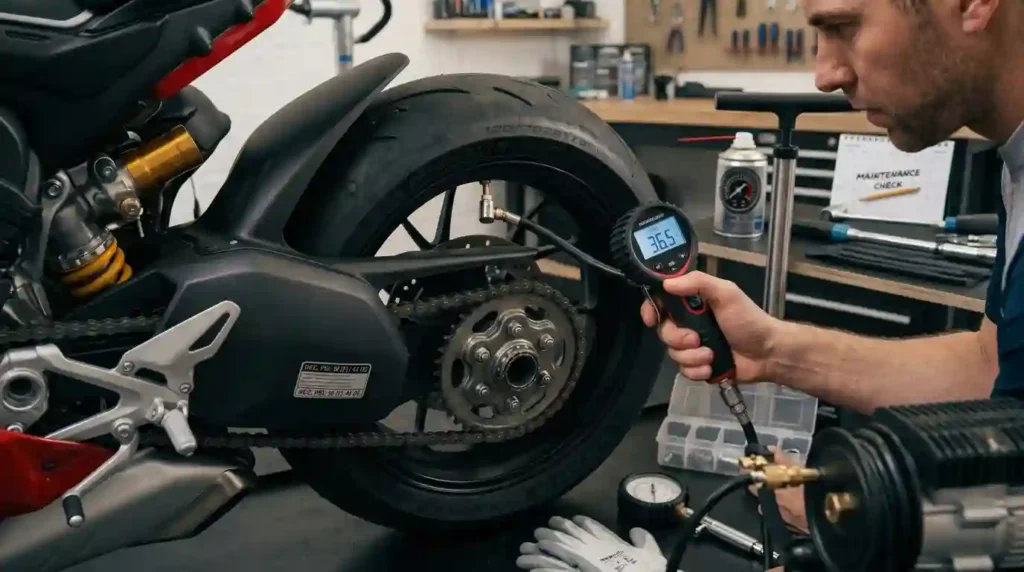
You only need a floor pump with a gauge, or a separate gauge. Keep it near your bike so the habit is easy.
First, Find Your Tire’s Recommended Pressure
Read the PSI or bar range printed on the tire sidewall. Then check the tire and rim makers’ pressure and compatibility limits.
Remember that maximum PSI is a limit, not the ideal riding pressure. Most riders will run well below it.
If you need help decoding the text, see bike tyre markings explained for beginners.
Next, Use a Reliable Pressure Gauge
Choose a floor pump or digital gauge that suits your pressure range. A low-range gauge helps mountain and gravel riders.
Make sure the pump head fits your valve. Presta valves are thin and common on road bikes. Schrader valves look like car valves.
Measure pressure before you add air. That way you will not overinflate the tire.
Then, Add Air in Small Amounts
Inflate toward your target, not toward the maximum. Small pumps beat big ones.
Set front and rear tires on their own when loads differ. The rear wheel often carries more weight.
Recheck the gauge after you pump. Then make sure the valve is closed and secure.
Finally, Check for Leaks and Damage
Listen for hissing air. Look over the valve and the tire surface.
If pressure drops fast, use a simple leak test, like a little soapy water on the valve. Bubbles show where air escapes.
Never ride on tires with deep cuts, exposed casing, bulges, or damaged beads. Replace them first.
How Often Should Different Types of Bike Tires Be Inflated?
Each bike type has its own rhythm. Use the table as a starting point, then adjust to your own air loss.
| Bike type | Suggested pressure-check routine | Key consideration |
|---|---|---|
| Road bike | Before every ride | Higher PSI and narrow tire volume |
| Gravel bike | Before every ride | Rough surfaces and changing terrain |
| Mountain bike | Before each trail ride | Traction, casing support, and rim strikes |
| Hybrid or commuter bike | At least weekly; more often with heavy use | Daily mileage and cargo |
| E-bike | Before regular rides; at least weekly as a minimum routine | Bike weight, load, and handling |
| Bike stored for long periods | Before riding and periodically during storage | Gradual air loss and temperature changes |
- Treat these as starting points. Check more often if your tires lose air quickly.
- Long rides, heavy loads, and rough terrain call for a more careful pre-ride check.
- Always use the PSI range that suits your tire and rim.
How Often Should You Inflate Road Bike Tires?
Check before each ride. Road tires use high pressure, so small losses show up fast.
Watch small changes. A few PSI can change comfort and rolling resistance.
Consider tire width, rim width, and system weight when you set your target. For width advice, see the best tyre width for road and city riding.
When Should You Inflate Mountain Bike Tires?
Check before each trail session, and again before technical descents. Mountain tires run low pressure, so a small drop can cause trouble.
A drop of just 3 PSI on a 22 PSI tire is a big change in percent. That is why gauge checks matter more here than hand squeezes.
Watch for casing roll, rim strikes, and shaky cornering. These signs often point to pressure that is too low.
Recheck after a hard hit or a big change in terrain. A day of Southwestern loose rocks can punish a soft tire. For choosing the right tire for the terrain, see how to choose bike tires for rough roads.
How Often Should You Inflate Gravel and Commuter Tires?
Check gravel tires before rides. Mixed terrain can expose pressure problems quickly.
Check commuter tires on a steady schedule, and before longer trips or heavy-cargo days. Daily riders may want a quick check every few days.
If flats become frequent, inspect your puncture belts and tire casings for damage. Our guides on gravel road tires and commuter bike tyres can help you pick better ones.
When Should You Inflate E-Bike Tires?
Check before frequent or demanding rides. Treat a weekly check as a minimum, not a universal rule.
Follow the tire maker’s load rating and pressure limits. E-bike tires carry more weight and more torque than standard bike tires.
Look closer when carrying cargo or riding at higher speeds. Our list of bike tyres for daily commuting covers durable picks.
Does Tire Pressure Affect Speed, Comfort, and Safety?
Yes, in all three ways. Pressure is the cheapest tuning tool you own.
Too much pressure can feel harsh and cut grip. Too little can feel slow and unstable. The goal is a smart middle that suits your ride.
How Does PSI Affect Rolling Resistance?
Rolling resistance is the energy a tire wastes as it rolls. Pressure changes how much the tire deforms.
Higher PSI does not always mean lower rolling resistance. On rough roads, a very firm tire bounces, and that bounce costs speed.
Casing, rubber compound, and surface also matter. Learn how tires change your pace in how much bike tires affect speed.
How Does Tire Pressure Affect Cornering Grip?
The right pressure lets the tire stay in contact with the road or trail. That keeps your line steady.
Too much pressure makes the ride harsh. It also lowers grip on uneven ground, like wet Pacific Northwest roots.
Too little pressure can cause squirm and sidewall folding in turns. If you ride wet roads often, read how to choose bike tires for wet weather.
Can Incorrect Pressure Cause More Punctures?
Yes. Low pressure raises pinch-flat risk for tires with inner tubes.
But sharp debris, damaged casings, and worn puncture belts can cause flats at any pressure. Tubeless sealant helps seal some small punctures, but it cannot stop every failure.
For tire options, see how to choose puncture resistant bike tyres. You can also compare puncture protection vs. rolling resistance.
How Tire Construction Affects Air Retention
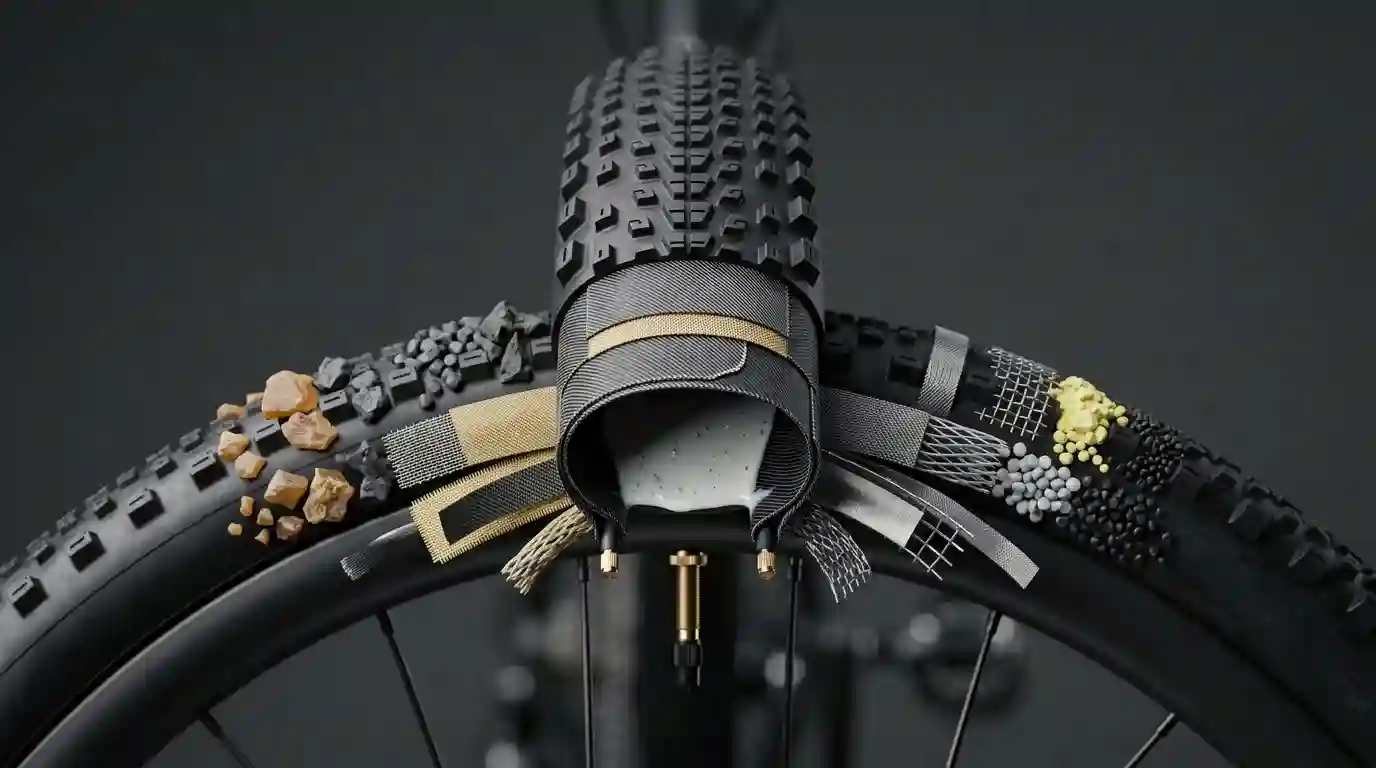
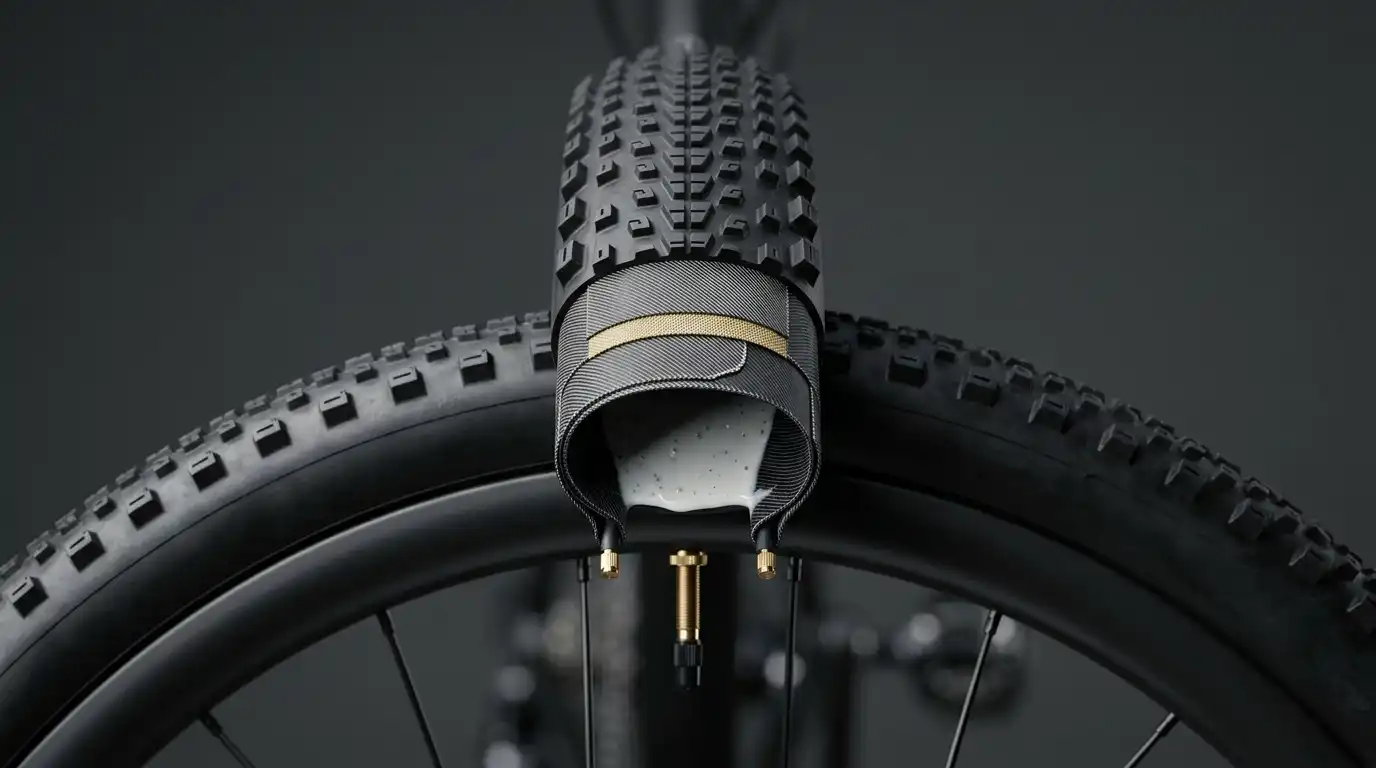
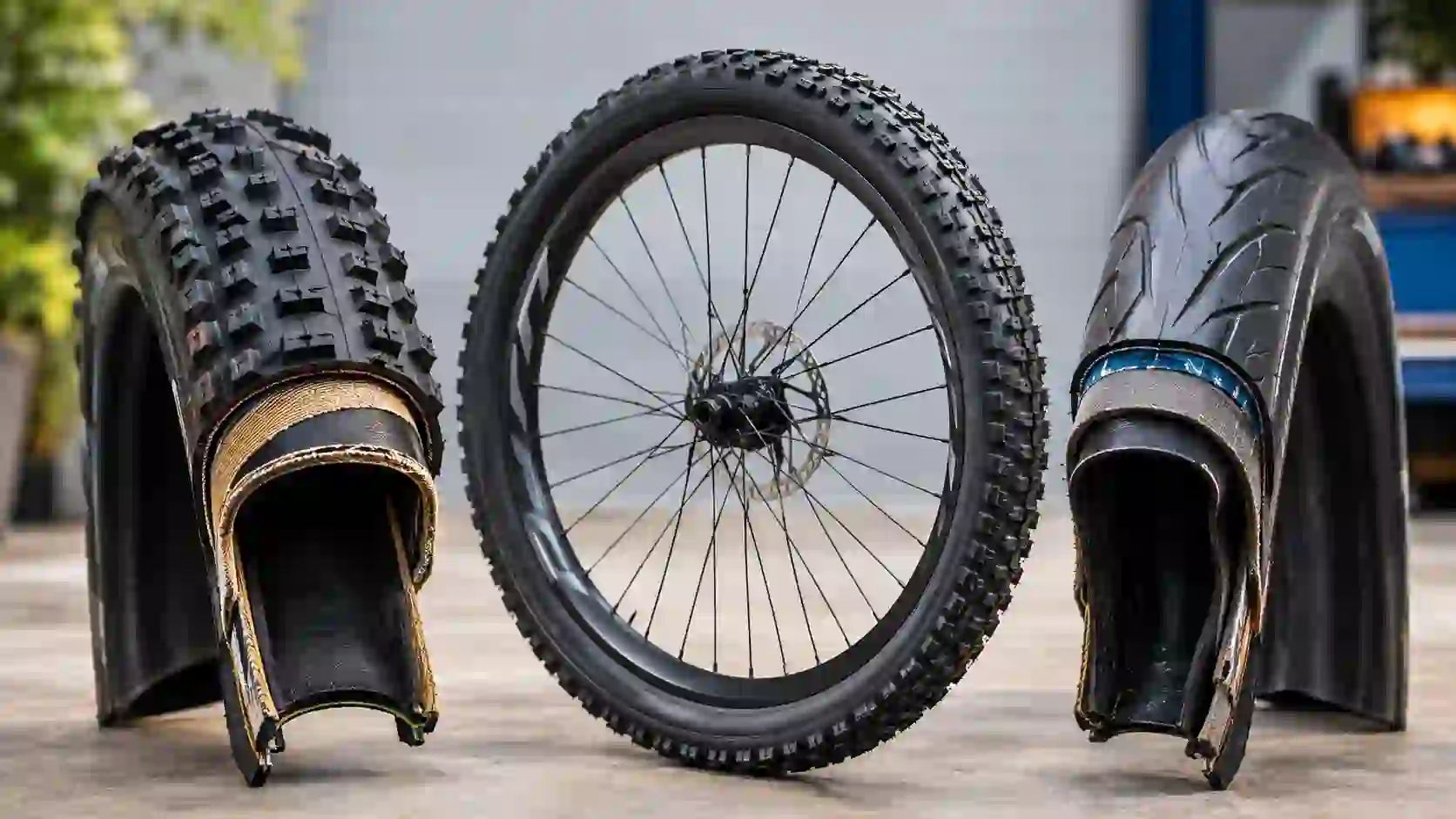
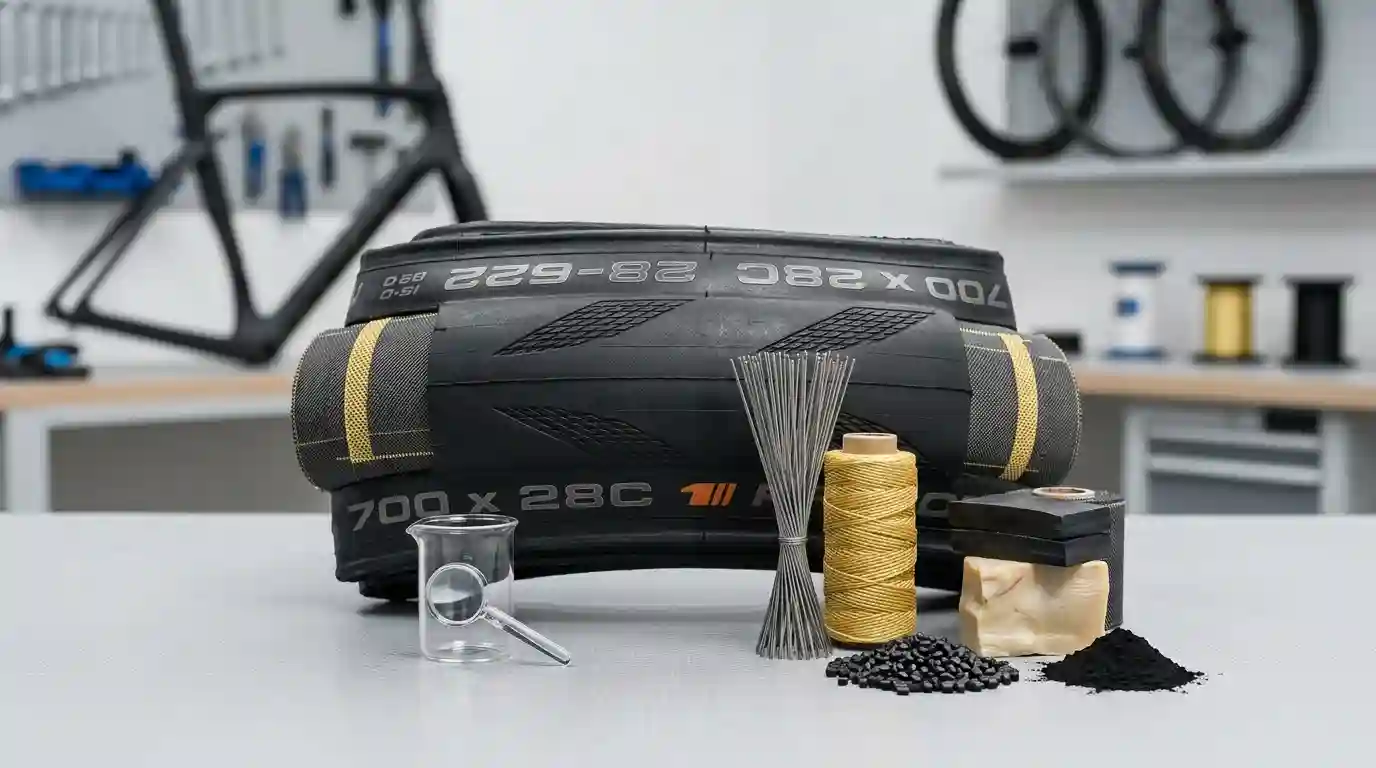
How a tire is built changes how well it holds air. Casing, belts, and tube materials all play a part.
Read more about the basics in what bike tyres are made of. The next three sections cover the key parts.
Does Casing TPI Affect How Often Tires Need Air?
TPI means threads per inch. It describes the fabric layer in a tire’s casing.
TPI alone does not decide air retention. Casing materials, construction, and the inner tube also matter.
Do not assume a higher TPI always performs better. Use maker guidance to compare tires. See what a bike tire casing is for more detail.
Do Puncture Belts Help Tires Hold Air?
A puncture belt is a protective layer under the tread. It helps resist certain sharp objects.
It does not make a tire puncture-proof. Cuts, valve leaks, tube damage, and bead problems can still let air out.
Inspect tread wear and casing damage often. If you want more protection, see the best bike tyres for puncture protection.
Does Tread Pattern Affect Inflation Frequency?
Tread pattern mainly affects traction and rolling feel. It does not directly set how fast a tire loses air.
Gravel and mountain tires may meet more sharp debris and hard hits. That can cause more damage over time.
Casing and tire condition tell you more about air retention than tread looks alone. Learn why bike tires have different tread patterns. Then see how much tread a bike tyre should have.
Common Bike Tire Inflation Mistakes to Avoid
A few habits cause most pressure trouble. Fix these and your rides get safer and smoother.
- Pumping to maximum PSI: Ignoring rider weight, tire width, and terrain leads to a harsh, risky ride.
- Checking by hand instead of a gauge: Your thumb cannot read PSI.
- Ignoring slow leaks, bad valves, and worn tires: Small problems grow fast.
Is It Bad to Inflate Bike Tires Too Often?
No. Checking pressure often is fine when you do it right.
The risk comes from adding air you do not need. That can push PSI above the recommended range.
Handle valves with care. Pull the pump head straight off to cut air loss and avoid valve damage.
Can You Leave Bike Tires Inflated While in Storage?
Yes. But tires slowly lose air while a bike sits.
Check pressure before your first ride after a long break. Also look for cracks or flat spots.
Store the bike away from heat, direct sunlight, and anything that can harm rubber. Heat and sun age tire materials faster.
How to Test and Track Tire Pressure Like an Expert
Tracking turns guesses into data. You do not need special tools beyond a good gauge.
- Record your usual PSI, tire size, rim width, and riding load.
- Use the same gauge when you can, so readings stay consistent.
- Compare comfort, grip, rolling feel, and air retention across similar rides.
Over a few weeks, you will see your own air-loss pattern. That pattern tells you the best schedule for your bike.
Here is a simple log you can copy into your notes app: date, tire, PSI before, PSI added, temperature, and any odd feel. Five minutes of notes can save you a lot of guesswork. If long rides are your goal, see our picks for the best bike tyres for long rides.
How Can You Build a Tire Pressure Maintenance Schedule?
Start with a pre-ride checklist: pressure, tread condition, and valve check.
Add a weekly reminder for bikes you ride often. Add extra checks for high-pressure or fast-leaking tires.
Review your schedule after you install new tires, tubes, rims, or sealant. New parts change how your bike holds air. For a bigger picture, see how to choose bike tyres that suit your riding.
What Evidence Should Expert Cycling Reviews Use?
Good reviews record real PSI readings, tire and rim specs, total load, and test conditions.
They also use repeatable routes and the same methods each time. Be cautious about any claim that one pressure is ideal for every rider.
The best sources point to maker guidance and recognized testing practices. You can read how we work on our testing process page.
Frequently Asked Questions About Bike Tire Inflation
These answers cover what riders ask most. Each one builds on the guide above.
1. How Often Should I Inflate Bike Tires?
Check pressure before every ride when you can, especially on road bikes.
Many commuters should check at least weekly, and more often if pressure drops fast. Inflate only when you need to reach your target PSI. For daily habits that fit your routine, see choosing tires for daily cycling.
2. How Much PSI Should I Put in My Bike Tires?
The right PSI depends on tire width, total weight, rim compatibility, and conditions.
Check the sidewall and the maker’s guidance. Then use a trusted calculator as a starting point. If you are not sure of your size yet, see how to find bike tyre size.
3. Do Tubeless Bike Tires Need Air More Often Than Tubed Tires?
Not always. Air retention depends on the tire, valve, bead seal, and system condition.
Tubeless tires also need regular sealant checks. Look into any repeated air loss before you assume it is normal.
4. Why Do My Bike Tires Go Flat When I Do Not Ride?
Air escapes slowly through tubes, tire walls, valves, and tubeless seals.
A puncture or faulty valve can make it much faster. If pressure drops unusually fast, check the tire and valve for leaks.
5. Should Front and Rear Bike Tires Have the Same PSI?
Not necessarily. Wheel loads and handling needs can differ.
Rear tires often carry more weight. Tire width and setup matter too. Follow maker limits and adjust based on your load and handling.
6. Does Cold Weather Mean I Need to Inflate My Tires More Often?
Cold air lowers pressure readings. So check PSI before riding when temperatures change.
Inflate to your proper target, never beyond tire or rim limits. Firm tires ride harsher in the cold, so see how bike tires balance speed and comfort.
7. When Should I Replace My Bike Tires Instead of Inflating Them?
Replace tires with serious cuts, exposed casing, bulges, or structural damage.
Follow tread wear marks and maker guidance. Frequent punctures may mean worn rubber, weak protection, or a wheel problem. Softer rubber compounds often wear faster, so read what bike tire rubber compound is. Then check how to choose durable bike tyres.
8. Does Rim Width Affect How Often I Need to Inflate My Tires?
Rim width affects tire shape and fit. It does not alone set how fast a tire loses air.
Use the tire and rim makers’ compatibility guidance. Hookless rims often carry a lower pressure limit than hooked rims, so check your rim’s number. Recheck pressure after any change in rims or tire size. See bike tire size compatibility for help.
Conclusion: Keep Your Bike Tires at the Right Pressure
Good pressure habits are simple. Check often, add air only when needed, and fix leaks early.
Here are the key takeaways:
- Check your tire pressure before every ride when you can, and adjust to your bike and air-loss rate.
- Use a gauge, follow tire and rim limits, and inspect for leaks or damage.
- Pick PSI based on tire width, total load, terrain, and goals to balance grip, comfort, and rolling resistance.
New to tire care? Start with our list of best bike tyres for beginners. You can also meet the people behind these guides on our about page.
Find Your Exact PSI in Seconds
Stop guessing. Enter your weight, tire size, and riding style into the Free Bike Tire Pressure Calculator and Tire Finder Tool at TheBikeTires.com. Get a trusted starting pressure for your exact setup, then use this guide to keep it right every ride.

Mohidul Islam is a leading cycling technology specialist and bike tire consultant with over 15 years of hands-on experience in the bicycle industry. He holds a Bachelor of Science in Mechanical Engineering from Penn State University, where he focused heavily on material science, tread mechanics, and rubber compound performance. Over the past decade and a half, Alex has conducted extensive field testing, tubeless setup evaluations, and tire pressure modeling for road, mountain, and e-bikes. His practical insights and data-driven approach help cyclists of all levels optimize grip, speed, and durability on every ride.