Flat tires on your commute. A bike that skates through corners. A harsh ride that numbs your hands after 20 miles. Most US riders hit these problems at some point, and the cause is often the same: the wrong air pressure.
Getting bike tyre pressure and rolling resistance right is one of the cheapest upgrades in cycling. It costs a gauge and a little patience. Yet it changes how fast, safe, and comfortable every ride feels.
Here is the surprise. More air is not always faster. Lab and road data show the lowest total energy loss often comes from a moderate pressure, not the max number on the sidewall. The right PSI also protects you from slides, flats, and rim damage.
This guide explains how pressure, tread, casing, and rubber work together. You get plain-English definitions, a simple PSI formula, and quick tables for rider weight and rim width. You will also learn how to test your own setup like an expert.
Ride Pacific Northwest mud, Southwestern loose rocks, or Midwest chip seal? You will find a starting PSI that fits. You can also read how we vet our advice in our editorial policy.
What Is Bike Tire Pressure and Rolling Resistance?
Tire pressure is the air pressure inside your tire. In the US we measure it in pounds per square inch (PSI). Much of the world uses bar, and one bar equals about 14.5 PSI.
Rolling resistance is the energy a tire wastes as it rolls. Most of it comes from tire flex and rubber heating. Pressure, tire build, total weight, and road surface all work together. Change one, and the others shift too.
Quick definition: Rolling resistance is the energy a tire loses as it rolls, mostly from tire flex and rubber heating. Higher pressure usually reduces this loss on smooth surfaces. On rough roads, too much pressure adds vibration losses, so the lowest total loss often comes from a moderate PSI.
What Does Rolling Resistance Mean for Cyclists?
Each time a tire meets the ground, it flattens a little at the contact patch. Then it springs back. That flex burns energy that could move the bike forward.
Lower rolling resistance helps you hold speed with less effort. Over a long ride, that adds up. See how much bike tires affect speed for real-world context.
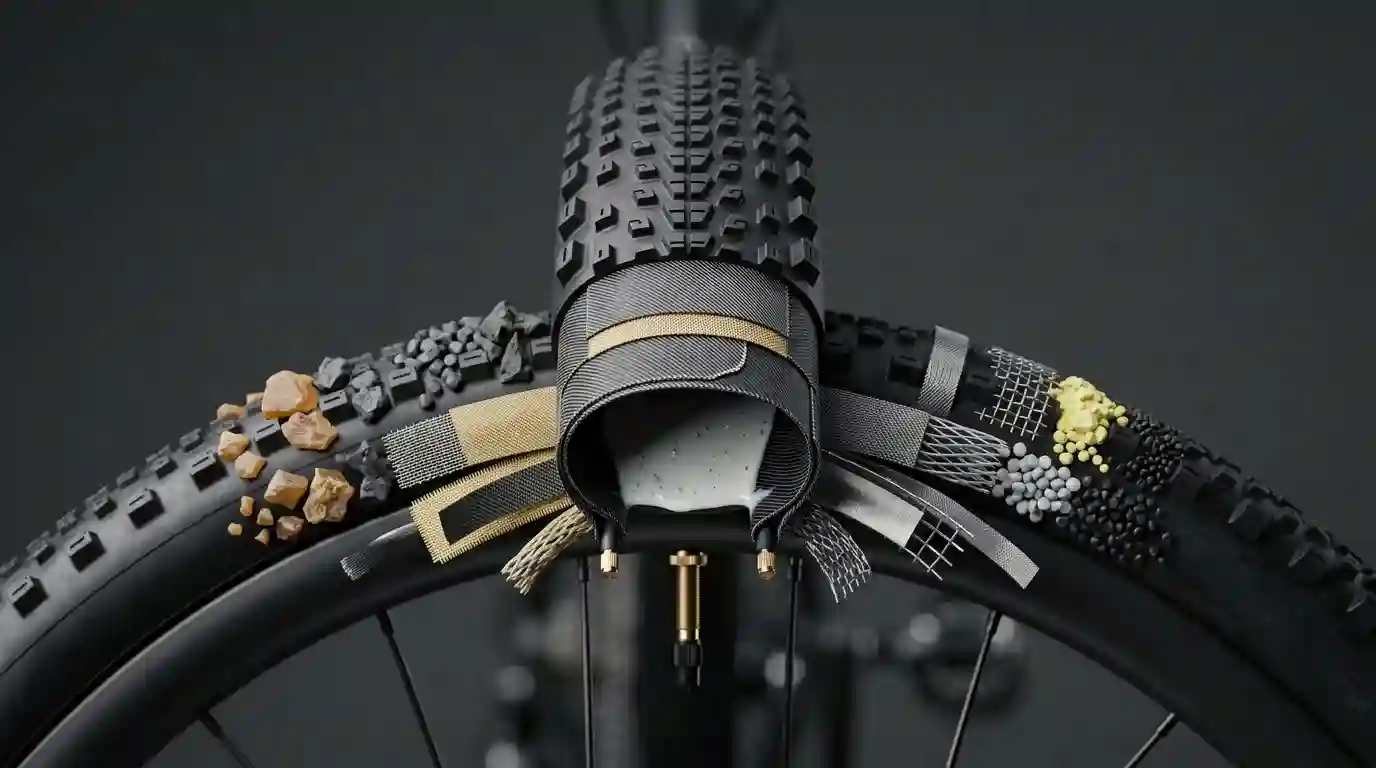
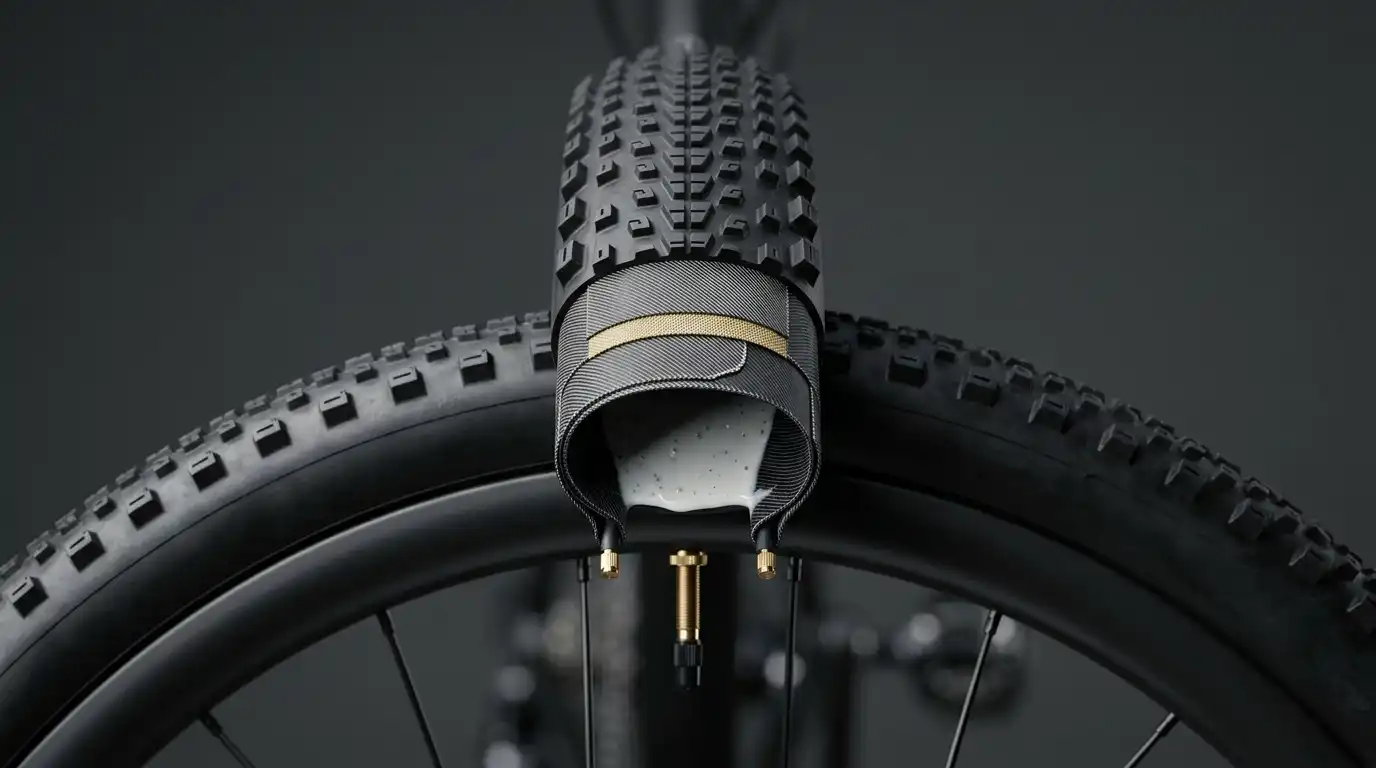
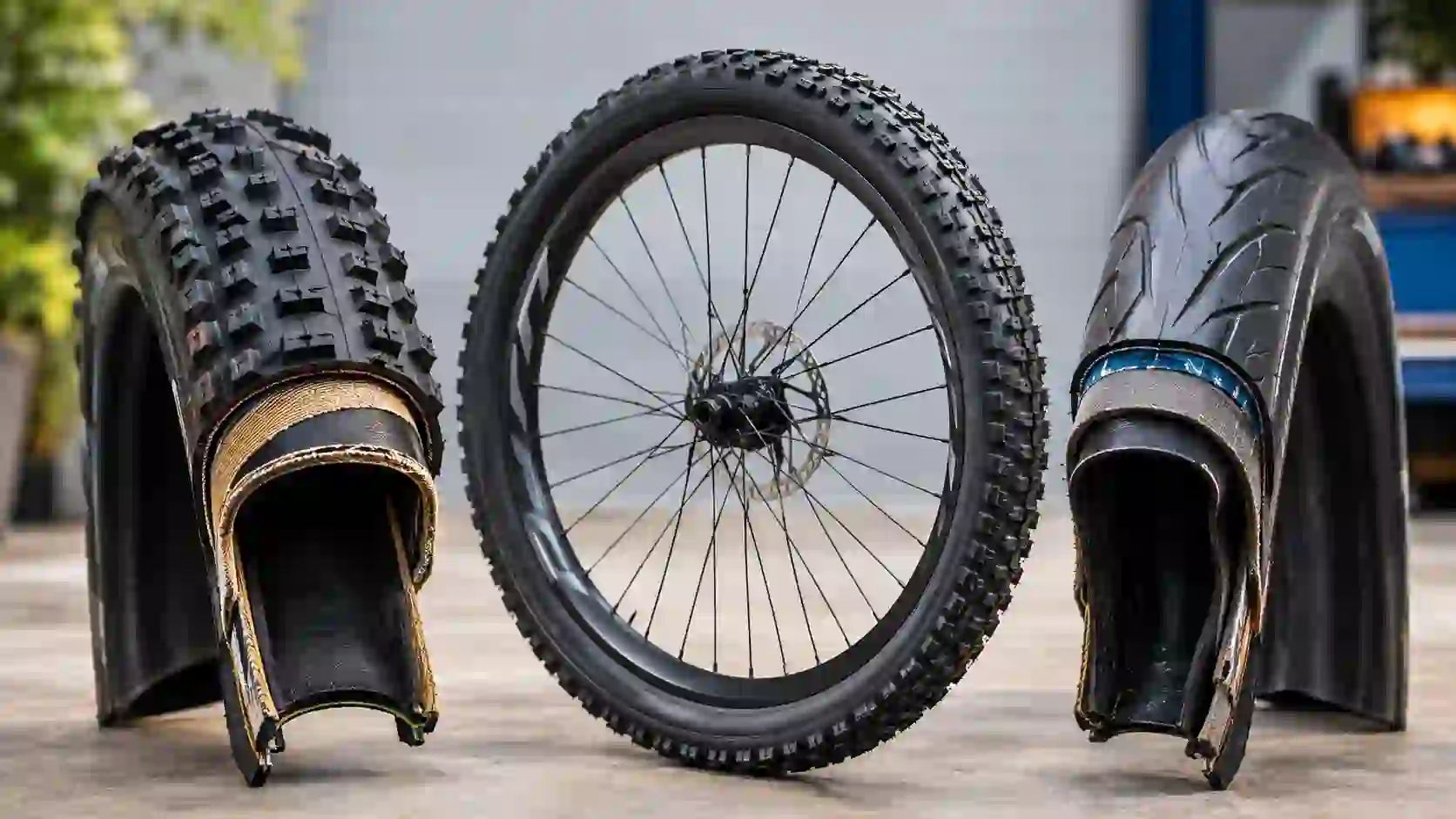
Pressure is only one piece. Casing design, rubber compound, and surface conditions matter too. Our explainer on what bike tire casing is covers the build side.
Why Does Tire Pressure Matter?
Correct PSI balances rolling speed, comfort, traction, and puncture protection. Miss the mark in either direction and something suffers.
- Too high: more vibration, less grip, and extra energy loss on rough roads.
- Too low: tire squirm, rim strikes, pinch flats, or tire damage.
Learn what happens when tire pressure is too high before you chase a max number. Pressure also shapes safety in corners and braking. Good habits here protect both your speed and your skin.
How Does Bike Tire Pressure Affect Rolling Resistance?
The lowest rolling resistance does not always come from the highest pressure. On a smooth lab drum, more pressure keeps cutting tire flex. On real roads, bumps add a second loss called impedance. That is the energy wasted shaking the bike and rider.
Testing shared by Silca describes a breakpoint pressure. Past it, impedance grows faster than tire flex shrinks, so total loss rises. Rougher roads push that breakpoint lower.
| Surface | Pressure Direction | US Terrain Example | Why |
|---|---|---|---|
| Smooth new asphalt | Upper end of range | Fresh city streets | Little vibration, so tire flex dominates |
| Rough asphalt, chip seal | Moderate | Midwest county roads | Vibration losses climb |
| Hard-packed gravel | Lower | Colorado forest roads | Tire conforms to the surface |
| Loose gravel, washboard | Low but safe | Iowa gravel routes | Less skipping, more grip |
| Dirt, mud, rocks | Lowest safe range | Southwestern rocks, Pacific Northwest mud | Tire follows the ground |
Does Higher Tire Pressure Make a Bike Faster?
Sometimes, on smooth pavement. Higher pressure can cut tire deformation losses there, though results depend on the tire and setup.
On rough roads, extra pressure adds vibration and cuts comfort. The bike bounces instead of rolling. Our guide to bike tires for speed vs comfort explains this trade-off.
Do not inflate to the maximum by habit. Change pressure in steps of 3 to 5 PSI and compare. Browse the best bike tires for speed if you want a faster casing too.
Can Low Tire Pressure Reduce Rolling Resistance?
It can on rough ground. A softer tire conforms to small bumps instead of bouncing over them. That saves energy and calms the ride.
But too little pressure increases casing deformation. That can raise rolling resistance and hurt stability. The goal is a practical balance that keeps speed without risking the tire or your control.
Also see how much bike tires affect comfort when you drop pressure.
What Is the Ideal PSI for Low Rolling Resistance?
Start with rider and bike weight, tire width, rim width, and surface. Then adjust in small steps and compare speed, comfort, handling, and tire stability under similar conditions.
Use a calculator as a starting guide, never as a replacement for maker limits. Our guide to finding the correct bike tire pressure adds more detail.
| Total System Weight | 28 mm Road (PSI) | 32 mm Road (PSI) | 40 mm Gravel (PSI) |
|---|---|---|---|
| 140 lb (64 kg) | 58 front / 62 rear | 48 / 52 | 32 / 35 |
| 160 lb (73 kg) | 64 / 68 | 53 / 57 | 36 / 39 |
| 180 lb (82 kg) | 70 / 74 | 58 / 62 | 40 / 43 |
| 200 lb (91 kg) | 76 / 80 | 63 / 67 | 44 / 47 |
| 220 lb (100 kg) | 82 / 86 | 68 / 72 | 47 / 50 |
| 240 lb (109 kg) | 88 / 92 | 73 / 77 | 51 / 54 |
Note: These are starting estimates for tubeless tires on 19 to 21 mm inner rim width. Add about 5 PSI with inner tubes. Never exceed tire or rim limits.
How to Find the Best Bike Tire Pressure for Your Riding Style
Start with the tire and rim manufacturer’s pressure limits. Next, count total system weight: rider, bike, clothing, and gear. Then factor in tire width, front-to-rear load, terrain, and tube or tubeless setup. Our guide on how much air to put in bike tires is a good primer.
Inner rim width is the gap between the rim walls, and it shapes your tire. Hooked rims have a small lip that locks the bead in place. Hookless rims have straight walls, so makers set lower pressure caps, often near 72.5 PSI (5 bar). Always follow the label on your rim.
| Inner Rim Width | Inches | Typical Tire Width Range | Common Use |
|---|---|---|---|
| 17 mm | 0.67 in | 28 to 40 mm | Older road rims |
| 19 mm | 0.75 in | 28 to 45 mm | Modern road |
| 21 mm | 0.83 in | 28 to 50 mm | Wide road, light gravel |
| 25 mm | 0.98 in | 32 to 55 mm | Gravel |
| 30 mm | 1.18 in | 40 to 65 mm | Gravel plus, MTB |
Tip: These ranges are typical, not approvals. Check the rim maker’s list and read our bike tire size compatibility guide.
Best Tire Pressure for Road Bikes
Narrow road tires often need higher PSI than wider tires carrying the same load. Width and construction both matter, though. A 28 mm tubeless tire often lands in the 60 to 75 PSI range for many riders.
Pick a pressure for your actual road, not the maximum. Prioritize efficient rolling, cornering grip, and control on wet or uneven pavement.
In rain, drop 3 to 5 PSI for extra grip. Read how to choose bike tires for wet weather. For width advice, see the best tire width for road and city riding.
Ideal Tire Pressure for Gravel Bikes
Gravel tires often run lower pressure than comparable road setups. That improves grip and cuts vibration. Many 40 mm tubeless setups sit between 30 and 45 PSI.
Adjust for loose gravel, hard-packed dirt, washboard roads, and rocky trails. Loose surfaces call for less pressure. Hard-packed routes allow a bit more.
Avoid pressures so low the tire folds in corners or the rim hits obstacles. Our guide to bike tires for gravel roads covers tread and width choices.
Best Tire Pressure for Mountain Bikes
Lower pressure improves traction and helps the tire follow rocks, roots, and uneven trails. Many riders land between 18 and 28 PSI, depending on weight, width, and casing.
Casing strength, rim protection, rider weight, and riding style set your safe range. In Southwestern loose rocks, a touch more air protects the rim. In Pacific Northwest mud, a little less can help grip.
When testing lower PSI, check for tire squirm, rim strikes, and sidewall damage. Our page on bike tires for rough roads adds more options.
Tire Pressure for Commuter and E-Bikes
An e-bike adds weight from the battery, motor, and cargo. Picture a 180 lb rider, a 55 lb e-bike, and 20 lb of panniers. That is 255 lb of system weight.
E-bike torque and frequent acceleration also stress tire grip and durability. Follow the tire’s load and pressure ratings. Check pressure more often if you carry heavy loads.
Learn how to choose tires for a commuter bike. Our page on bike tires for daily commuting lists practical picks.
How Tire Width, Tread, and Casing Affect Rolling Resistance
Tire design matters as much as PSI when you compare rolling efficiency. Every choice trades speed, grip, durability, and puncture protection. Compare tires under similar conditions instead of trusting how the tread looks.
For a broader view, read what makes a good bike tire.
Do Wider Bike Tires Have More Rolling Resistance?
Not always. Casing design, compound, pressure, and road texture all affect speed. A wide tire is not automatically slow.
Wider tires can run at lower pressure while keeping a good contact patch and stable handling. Compare each tire at a pressure that suits its width, not the same PSI for all.
Our bike tire width guide explains sizing basics. Thinking of an upgrade? Check whether you can use wider tires on your bike.
How Does Tread Pattern Affect Rolling Resistance?
Smooth or lightly textured tread often works well on paved roads. Knobby tread gives traction on dirt and loose surfaces, but it can add losses on pavement.
Choose tread for the terrain you ride most, not for speed claims alone. Our article on why bike tires have different tread patterns shows how each design works.
Worn tread matters too. See how much tread a bike tire should have.
Does Casing TPI Affect Tire Speed?
TPI means threads per inch. It describes how dense the casing fabric is. It does not decide tire quality or speed on its own.
Flexible casings can reduce energy losses. Materials and construction also affect durability. Compare the full design, including puncture belts, sidewall protection, and rubber compound.
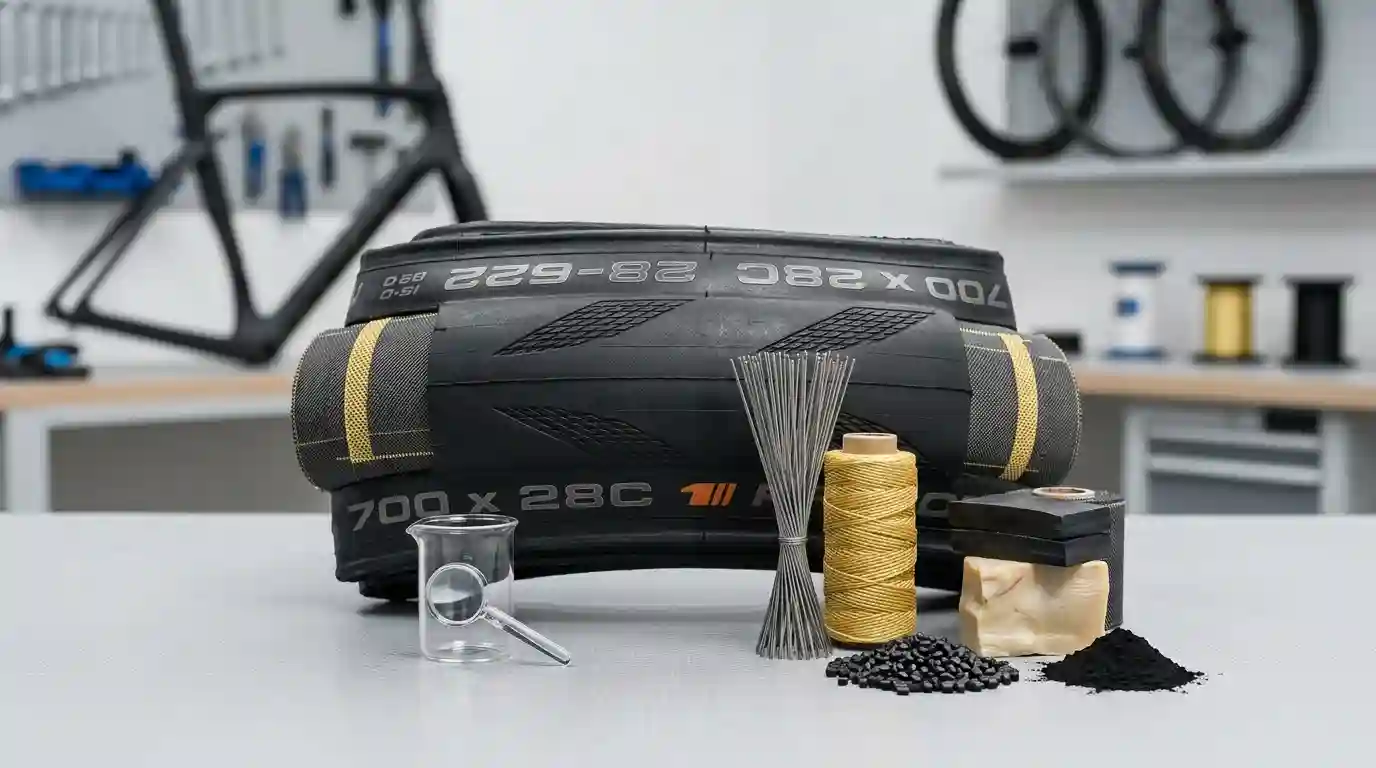
Curious about materials? Read what bike tires are made of.
Do Rubber Compounds Affect Rolling Resistance?
Softer compounds may grip better but can wear faster or show different rolling losses. Harder compounds may last longer but may not corner as well.
Durometer measures rubber hardness. A lower number means softer rubber. Compound performance still depends on the full tire design and riding conditions.
Get the basics in our guide to bike tire rubber compound.
Tubeless vs. Inner Tubes: Which Setup Rolls Faster?
A tubeless setup removes the inner tube. It uses an airtight tire and rim seal plus tubeless sealant. Compare tube friction, casing deformation, puncture behavior, and upkeep. Neither setup is faster in every tire and riding condition.
| Factor | Tubeless | Inner Tube |
|---|---|---|
| Internal friction | Lower, no tube to rub | Some tube-to-casing friction |
| Puncture behavior | Sealant plugs small holes | Tube leaks until patched |
| Low-pressure use | Safer at lower PSI | Pinch flat risk rises |
| Maintenance | Refresh sealant | Patch or swap tube |
| Roadside fix | Plug or add a tube | Swap the tube |
Weigh the trade-offs in puncture protection vs rolling resistance.
Does Tubeless Reduce Rolling Resistance?
Tubeless setups can cut some friction losses linked to inner tubes. They may also allow lower pressure on rough terrain, which improves comfort and control.
Results depend on the tire, sealant, rim match, pressure, and test surface. Do not assume a gain. For speed-focused picks, see how to choose fast rolling bike tires.
What Are the Benefits and Drawbacks of Inner Tubes?
Inner tubes are simple to install and easy to repair on the roadside. That makes them a solid choice for many commuters.
Tube type and material affect weight, puncture behavior, and rolling losses. Pinch flats can happen when a tube gets squeezed between the tire and rim.
Tubes also lose air over time. Find out why bike tires lose air.
How Does Tubeless Sealant Affect Performance?
Sealant can close many small punctures while you ride. That keeps you moving and saves time on the trail.
Check sealant levels and refresh them as the maker advises. Hot, dry climates like the Southwest can dry it faster. Make sure the tire, rim, valve, and rim tape are compatible and installed well.
See our picks for the best bike tires for puncture protection.
How to Set Tire Pressure for Lower Rolling Resistance
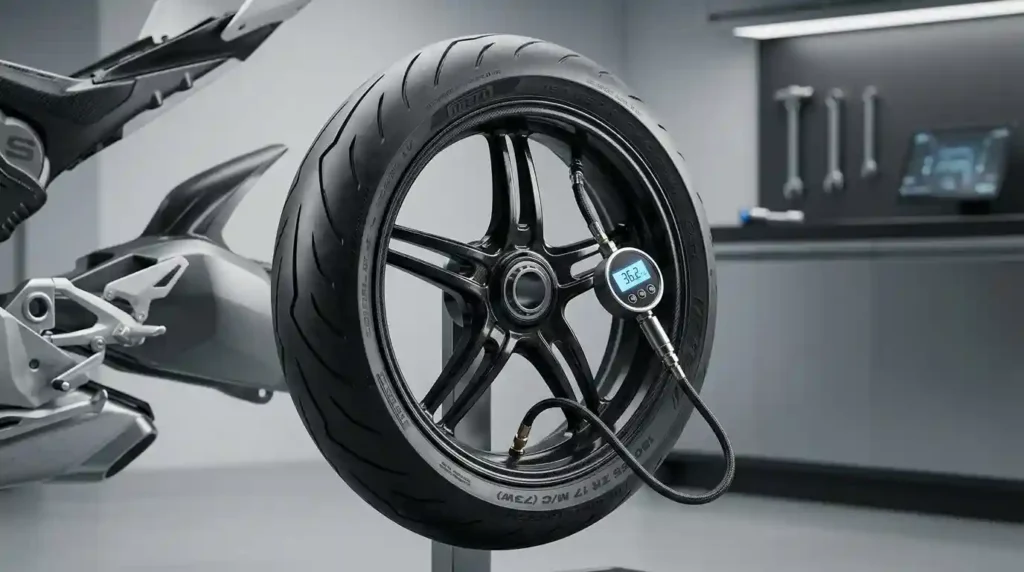
Use a reliable gauge instead of judging by feel. Start inside the range for your tire, rim, and total load. Then test in small steps and judge speed, grip, and comfort.
Need a refresher? Learn how to check bike tire pressure and how to inflate a bike tire correctly.
Step-by-Step Guide to Finding Your Best PSI
- Check limits. Read the pressure range printed on the tire and listed by the maker.
- Estimate a start. Use rider weight, bike weight, tire width, and surface type.
- Inflate both tires. Use a reliable gauge and confirm front and rear pressures.
- Ride a familiar route. Note comfort, handling, and efficiency.
- Adjust in small steps. Change one variable at a time, about 3 to 5 PSI.
- Record results. Repeat in similar weather and road conditions.
Bike Tire Pressure Calculation: A Simple Formula
Use a calculator that accounts for system weight, tire width, surface, and setup. The tires carry different loads, so front and rear may need different pressure. Here is a simple formula for tubeless tires:
- System weight (lb) = rider + bike + clothing + gear.
- Rear load = system weight x 0.55.
- Rear PSI = (rear load x K) divided by tire width in mm.
- Front PSI = rear PSI minus 3 to 5.
| Surface | K Factor |
|---|---|
| Smooth pavement | 20 |
| Rough pavement | 18 |
| Hard-packed gravel | 16 |
| Loose gravel or trail | 14 |
Example: A 175 lb rider plus a 25 lb bike is 200 lb. Rear load is 110 lb. On 32 mm tires (1.26 in) over smooth pavement: 110 x 20 divided by 32 is about 69 PSI (4.8 bar). Front is about 65 PSI.
Add 5 PSI for tubes and subtract 3 to 5 PSI in rain. Treat results as estimates and stay within tire and rim limits.
How Often Should You Check Tire Pressure?
Check before important rides, long rides, and demanding off-road sessions. Check more often with narrow high-pressure tires or if you notice pressure loss.
Also look for cuts, embedded debris, damaged valves, and signs of leaks. Read how often to check bike tires. For a simple routine, see how often to inflate bike tires.
How to Test Rolling Resistance Like a Cycling Expert
Use repeatable tests. Separate tire performance from wind, gradient, rider effort, and temperature. Compare equivalent tire sizes and suitable pressures where possible.
Report efficiency and practical results, including grip, comfort, and puncture performance. See how we run comparisons on our testing process page.
What Is a Fair Bike Tire Rolling Resistance Test?
A fair test uses the same bicycle, rider or test load, route, and measurement method for every comparison.
Check pressure with the same calibrated gauge and control temperature where practical. Repeat your trials. Then report the setup, the conditions, and the limits of the test.
Which Testing Standards and Measurements Matter?
Look to established guidance such as applicable ISO standards and ETRTO recommendations. Our guide to ETRTO bike tire sizes explains the system.
Lab rolling resistance data is useful, but drum tests may not match real roads. When reliable data exists, report power loss in watts or the Crr (coefficient of rolling resistance). Never invent test results.
How Can Cyclists Compare Tires in Real-World Conditions?
Use repeatable coast-down or controlled power tests where safe and practical. A coast-down test measures how far you roll with no pedaling.
GPS speed and power-meter data help, but control for wind, traffic, gradients, and effort. Then combine the numbers with handling, puncture resistance, wear, and comfort. Speed is never the whole story.
Common Tire Pressure Mistakes That Increase Rolling Resistance
Blindly following maximum PSI can reduce comfort and control. Underinflation can cause too much flex, instability, and rim damage. Match pressure to your real load and terrain.
| Mistake | What Happens | Better Move |
|---|---|---|
| Always max PSI | Harsh ride, less grip | Use a calculated start |
| Same PSI front and rear | Poor balance | Run slightly lower in front |
| Never checking | Slow leaks go unnoticed | Check before rides |
| Riding worn tires | More flats, less safety | Replace on schedule |
Inflating Tires to the Maximum PSI
Maximum pressure is a limit, not a performance target. Too much air can worsen vibration and cut grip on uneven roads.
Stay within the limits for the tire, rim, and full wheel system. Read whether you can overinflate a bike tire and what risks follow.
Using the Same PSI for Every Tire
Tire width, casing, wheel load, and conditions all change the ideal pressure. Front and rear tires may need different PSI because they carry different loads.
Recheck pressure when you change tires, add cargo, or move from pavement to gravel. If you ride both, learn to choose tires for mixed surfaces.
Ignoring Tire Wear and Damage
Worn tread, cuts, cracks, exposed casing threads, and damaged sidewalls can hurt safety. Replace tires when wear indicators or maker guidance say they are done.
Never try to fix structural damage by changing PSI. Learn how often bike tires should be replaced. When you buy new ones, see how to choose durable bike tires.
Frequently Asked Questions About Bike Tire Pressure and Rolling Resistance
1. Does higher bike tire pressure always reduce rolling resistance?
No. It may help on smooth pavement, but too much pressure can add vibration losses on rough surfaces. The best pressure depends on tire build, load, and terrain.
A smart habit is to find your starting PSI, then test 3 to 5 PSI lower. If the bike feels calmer and just as quick, you have likely passed the breakpoint.
2. What is the best PSI for a 200-pound cyclist?
Rider weight alone is not enough. Add bike and gear weight, tire width, front-to-rear load, rim limits, and surface. As a rough start, a 200 lb rider on a 25 lb bike (225 lb total) might try 80 to 90 PSI on 28 mm road tires or 45 to 55 PSI on 40 mm gravel tires. Then fine-tune.
3. Are tubeless bike tires faster than tires with inner tubes?
Tubeless tires can cut some friction losses and allow lower pressure in certain conditions. The result depends on tire design, tube material, sealant, and surface.
A light latex tube in a supple tire can still roll very well. So choose tubeless for puncture protection and low-pressure control first. Treat any speed gain as a bonus.
4. Do wider bike tires have lower rolling resistance?
They can, especially on rough surfaces, but width alone does not decide efficiency. Compare suitable pressures, casing, tread, and compound. E-bike owners should also check the tire’s load rating before choosing a width. Our guide on what tire width to choose can help.
5. What tire pressure is best for long-distance cycling?
Choose a pressure that balances efficiency, comfort, stability, and puncture protection. On long days, a slightly softer tire saves your hands and back. Check it before you leave and carry a pump. Browse bike tires for long-distance cycling for suitable options.
6. How often should I inflate my bike tires?
Check before rides and top up when pressure drops below your target. Loss rates vary with tire type, tube material, sealant, temperature, and valve condition.
Latex tubes and narrow high-pressure tires can lose several PSI in a day or two. Butyl tubes and wider tires usually hold air longer. When in doubt, check pressure before every ride.
7. Can low tire pressure cause more rolling resistance?
Yes. Too much casing deformation raises energy loss and causes instability. Moderately lower pressure can still help on rough terrain by cutting vibration. Signs you went too low include a squishy feel in corners and rim dings. See how much bike tires affect grip.
8. Does rim width affect the correct tire pressure?
Yes. Rim width changes tire shape, support, and fit. A wider rim supports the tire sidewall better, so you can often run a bit less pressure with a steadier feel. Follow the tire and rim makers’ approved width and pressure guidance. You can also learn how to read bike tire size.
Conclusion: Find the Right Balance Between Speed and Grip
The best pressure depends on tire width, system weight, casing, surface, and riding style. Maximum PSI does not always mean minimum rolling resistance. A well-matched pressure can improve both efficiency and comfort.
Key takeaways:
- Start with tire and rim limits, then use the formula and tables above.
- Change PSI in small steps and track the results.
- Adjust for rain, loose surfaces, and heavy e-bike loads.
- Inspect and maintain your tires, valves, and sealant.
Ready to dial in your exact setup? Use the Free Bike Tire Pressure Calculator and Tire Finder Tool at TheBikeTires.com to get a PSI built for your weight, tire width, and terrain. Test it on your next ride and feel the difference.

Mohidul Islam is a leading cycling technology specialist and bike tire consultant with over 15 years of hands-on experience in the bicycle industry. He holds a Bachelor of Science in Mechanical Engineering from Penn State University, where he focused heavily on material science, tread mechanics, and rubber compound performance. Over the past decade and a half, Alex has conducted extensive field testing, tubeless setup evaluations, and tire pressure modeling for road, mountain, and e-bikes. His practical insights and data-driven approach help cyclists of all levels optimize grip, speed, and durability on every ride.