Mile 60 hits, and your hands are numb. Your lower back aches, and every crack in the pavement feels like a punch. For many US riders, the cause is not fitness. It is tire pressure that was wrong from the first mile.
Choosing the right bike tyre pressure for long rides matters more as the hours pile up. Small harshness becomes real fatigue. A slow leak or a pinch flat can end a day far from home.
The right PSI (pounds per square inch) protects your comfort, cornering traction, and control. It also helps you save energy, since a tire that follows the road wastes less of it. Read how much bike tires affect speed to see why.
This guide gives you plain-English terms, a simple formula, quick charts, and a safe test plan. Every number is a starting point, not a promise. Read how we check our advice on our testing process page.
What Is Bike Tire Pressure for Long Rides?
The best tire pressure for long rides is the PSI that keeps you comfortable and in control for many miles while still supporting your load. Tire width, total system weight, and road surface set the range. Wider tires and rougher roads usually point to lower pressure, within safe limits.
- Tire width and air volume: wider tires hold more air and absorb more vibration.
- Total system weight: rider, bike, water, tools, and luggage all count.
- Road surface and limits: pavement, gravel, and trails each need a plan.
Bike tire pressure is measured in PSI. It affects support, comfort, grip, and rolling resistance. Rolling resistance is the energy lost as the tire flexes. New to the basics? Start with how bike tires work.
Why Tire Pressure Matters on Long Rides
Too much PSI makes rough roads feel harsh and raises vibration. Over hours, that buzz wears you down.
Too little PSI can cause tire squirm, pinch flats, or rim strikes. A balanced setup keeps comfort and control steady as the miles add up.
What Happens When Tire Pressure Is Too High or Too Low?
High PSI makes the tire bounce over rough surfaces and cuts comfort. Low PSI raises tire flex, puncture risk, and handling problems.
The goal is a safe pressure that suits your load and route. On a century ride, a few extra PSI can mean hours of added buzz, while a few too few can mean a ruined rim in the first rough patch. See what happens if bike tire pressure is wrong for more.
How to Find the Best Bike Tire Pressure for Long Rides
Start with the tire and rim maker’s pressure limits. Then add up rider weight, bike weight, cargo, tire width, and surface. Use a calculator for a baseline, then fine-tune on a familiar route.
- Read the sidewall and rim label first.
- Set a baseline before you change anything.
- Test each change over a few rides, not one.
Our guide to finding the correct bike tire pressure covers the full process.
Calculate Total System Weight
Total system weight is the rider plus the bike, clothing, water, tools, and luggage. Here is the quick math:
System weight = rider + clothing + bike + water + tools + luggage
Example: a 170 lb rider, 24 lb bike, and 12 lb of water and gear equals 206 lb, or about 93 kg. Touring bikes and e-bikes add racks, panniers, and batteries. Use system weight, not body weight alone.
Measure Front and Rear Wheel Loads
Place each wheel on its own scale and keep the bike level. Sit in your normal riding position while a friend reads both numbers.
Record each load. Do not assume both tires need the same PSI. Road bikes often split near 40/60, gravel bikes near 42/58, and loaded touring bikes closer to 35/65.
Use a Bike Tire Pressure Calculator
Enter system weight, tire width, bike type, and surface when the tool asks. Use separate front and rear results if it offers them.
Treat the result as a starting point and stay within maker limits. Our post on how much air to put in a bike tire shows how to read them.
A Simple Long-Ride PSI Formula
Use this method with a trusted reference PSI from the tire maker.
- Find rear load: rear load = system weight x 0.60 (road or gravel bike).
- Scale the reference: baseline rear PSI = reference PSI x (your rear load / reference rear load).
- Adjust for mixed or rough routes: long-ride rear PSI = baseline x 0.95 (use x 1.00 on smooth roads).
- Set the front: front PSI = rear PSI x 0.90.
Example: a maker lists 40 PSI for a 160 lb system on a 32 mm tire. That is a 96 lb rear load. With 225 lb of rider, bike, and cargo, your rear load is 135 lb. Baseline rear is 40 x (135 / 96), or 56. Long-ride rear is about 53, and front is about 48.
Safety note: This is a rough estimate. Stay above the tire’s minimum PSI. If the rim hits bumps, add air.
Recommended Bike Tire Pressure for Different Long-Ride Surfaces
Smooth pavement, rough roads, gravel, and trails call for different choices. Wider tires often allow lower PSI than narrow ones under similar loads. Do not use one chart for every tire and condition.
Quick PSI Reference for Long Rides
This table shows rear tire starting ranges for tubeless setups on smooth to average roads. Set the front about 10 percent lower. Add cargo to your system weight first. All figures are estimates.
| Total system weight | Road 28 mm | All-road 32 mm | Gravel 40 mm |
|---|---|---|---|
| 150 lb (68 kg) | 50 to 56 PSI | 40 to 46 PSI | 30 to 35 PSI |
| 200 lb (91 kg) | 58 to 64 PSI | 46 to 52 PSI | 36 to 42 PSI |
| 250 lb (113 kg) | 66 to 74 PSI | 54 to 60 PSI | 43 to 49 PSI |
| 300 lb (136 kg) | 74 to 82 PSI | 61 to 68 PSI | 50 to 56 PSI |
What tire pressure is best for a 100-mile ride? Start near the middle of your range, then move toward the lower end if the route is rough. Comfort at hour five matters more than speed in the first hour. The same idea applies to a gran fondo, a charity century, or a long gravel event.
Road Bike Tire Pressure for Long Rides
Pick a PSI that balances rolling resistance with comfort on the roads you ride. Wider road tires can cut vibration on broken pavement when your bike allows them.
Do not inflate to the sidewall maximum by default. That number is a limit, not a goal. See how to choose fast-rolling tires for tire picks.
Gravel Bike Tire Pressure for Long-Distance Riding
Gravel tires need enough air volume and casing support for loose stones and washboard. Tubeless setups may allow lower PSI when the tire and rim are compatible.
Fine-tune for hard-packed gravel, loose surfaces, and mixed terrain. See how to choose tires for gravel roads and tires for mixed surfaces.
Touring and Commuter Bike Tire Pressure
Count water, tools, racks, and other cargo in your load. Pick durable tires with a load rating that fits your setup.
Check pressure before you leave and during multi-day trips. See how to choose tires for a commuter bike and tires for daily commuting.
Mountain Bike and E-Bike Tire Pressure
Mountain bike PSI depends on tire volume, trail conditions, wheel load, and casing strength. In Southwestern loose rocks, keep a bit more air to protect the rim. In Pacific Northwest mud and roots, a little less air and an open tread help.
E-bike torque and added bike weight raise the need for stable support. Follow load ratings and pressure limits, especially with cargo.
Bikepacking rigs sit between these types. A loaded gravel bike with frame bags carries more weight than a bare one, but the load rides high and light. Weigh the bike fully loaded and use that number.
How Tire Width and Rim Width Affect Long-Ride Comfort
Wider tires give more air volume and can run lower PSI for a similar load. Rim width affects tire shape and real inflated width. Check frame clearance and compatibility before you change sizes.
For help with sizing, see bike tire width explained and what the numbers on bike tires mean.
Narrow Tires vs. Wide Tires for Long Distances
Narrow tires often need higher PSI and can feel harsh on rough roads. Wider tires add comfort and grip when inflated well.
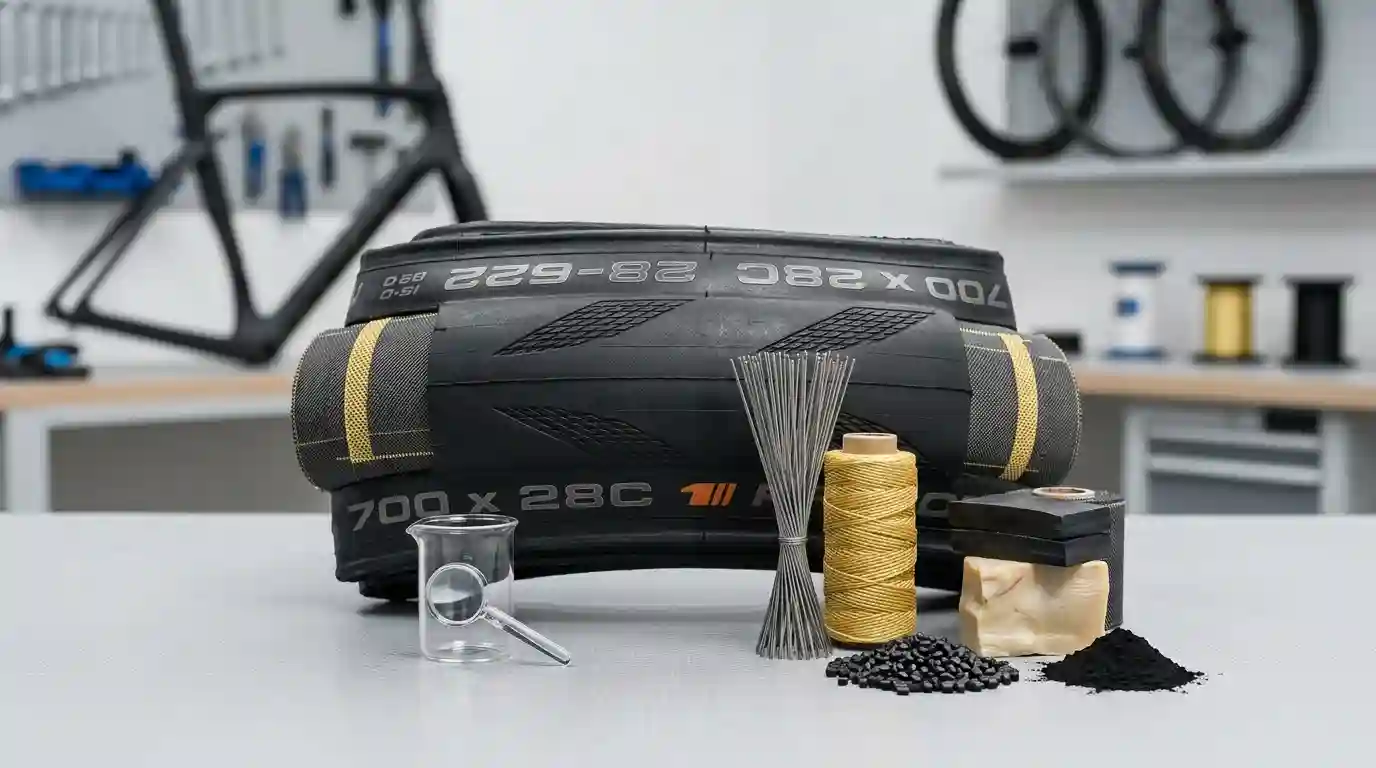
The best width depends on your bike, route, speed goals, and load. Read can I use wider tires on my bike and how much wider a tire can fit. Not sure what 700×28 means? See what 700×28 means.
Why Rim Compatibility Matters
A poor tire and rim match can hurt stability and tire retention. Inner rim width is the gap between the inside rim walls, and it changes tire shape and handling. Follow the maker’s charts and limits.
| Inner rim width | Common tire width range | Notes |
|---|---|---|
| 19 mm | 25 to 32 mm | Older road rims, often hooked |
| 21 to 23 mm | 28 to 40 mm | Modern road and all-road rims |
| 25 mm | 30 to 45 mm | Wide road and gravel rims |
| 30 mm | 2.2 to 2.6 in | Common trail mountain bike rims |
Confirm any pairing with bike tire size compatibility and ETRTO sizing.
Hookless vs. Hooked Rims Explained
A hooked rim has small lips that hold the tire bead. A hookless rim has straight walls and no lips. Most hookless road rims cap pressure near 72.5 PSI (5 bar).
Heavier loaded bikes can reach that cap on narrow tires. A wider tire is often the safer answer. Always follow the rim label and tire maker.
On long rides, heat adds to the issue. Pressure climbs as the tire warms on a long descent or a hot road. Leave some room under the cap so a summer afternoon in the desert does not push you past it.
How Tire Construction Affects Long-Ride Performance
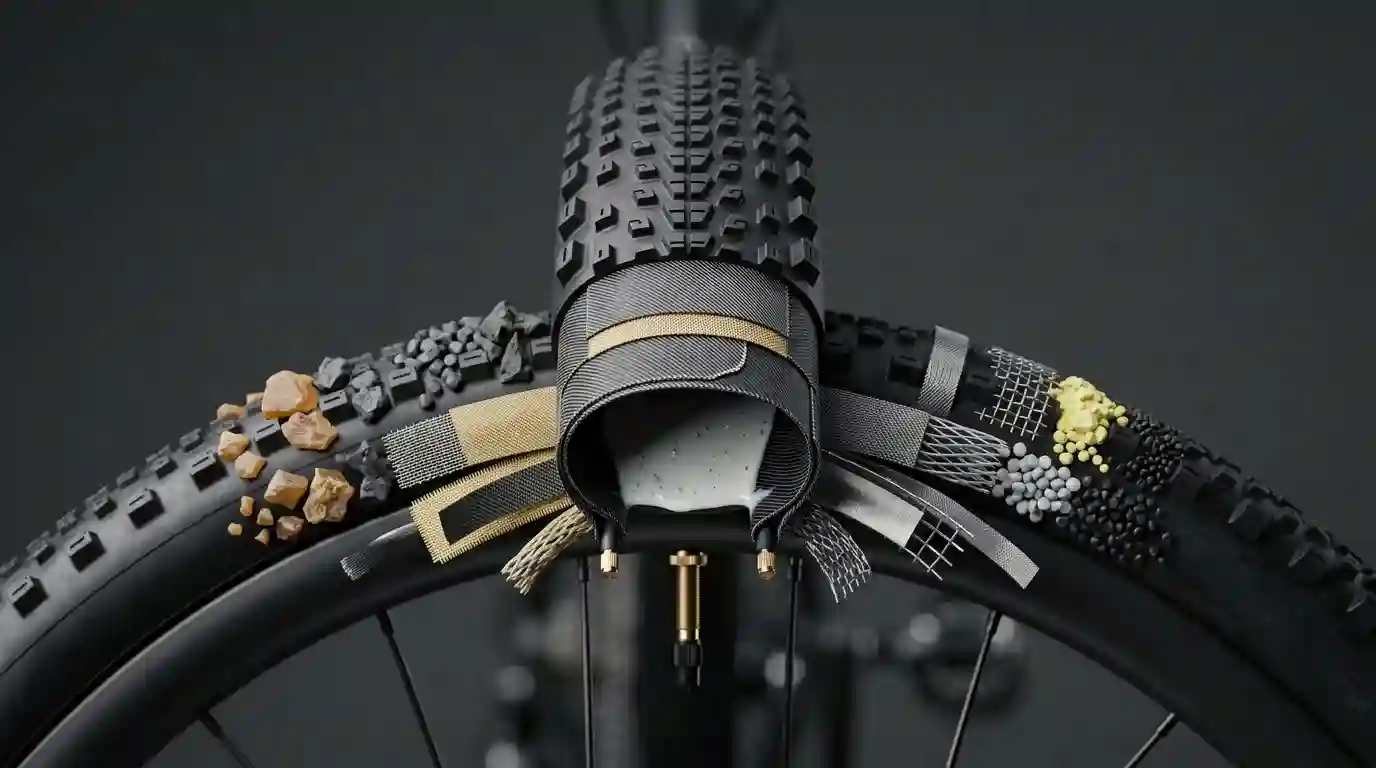
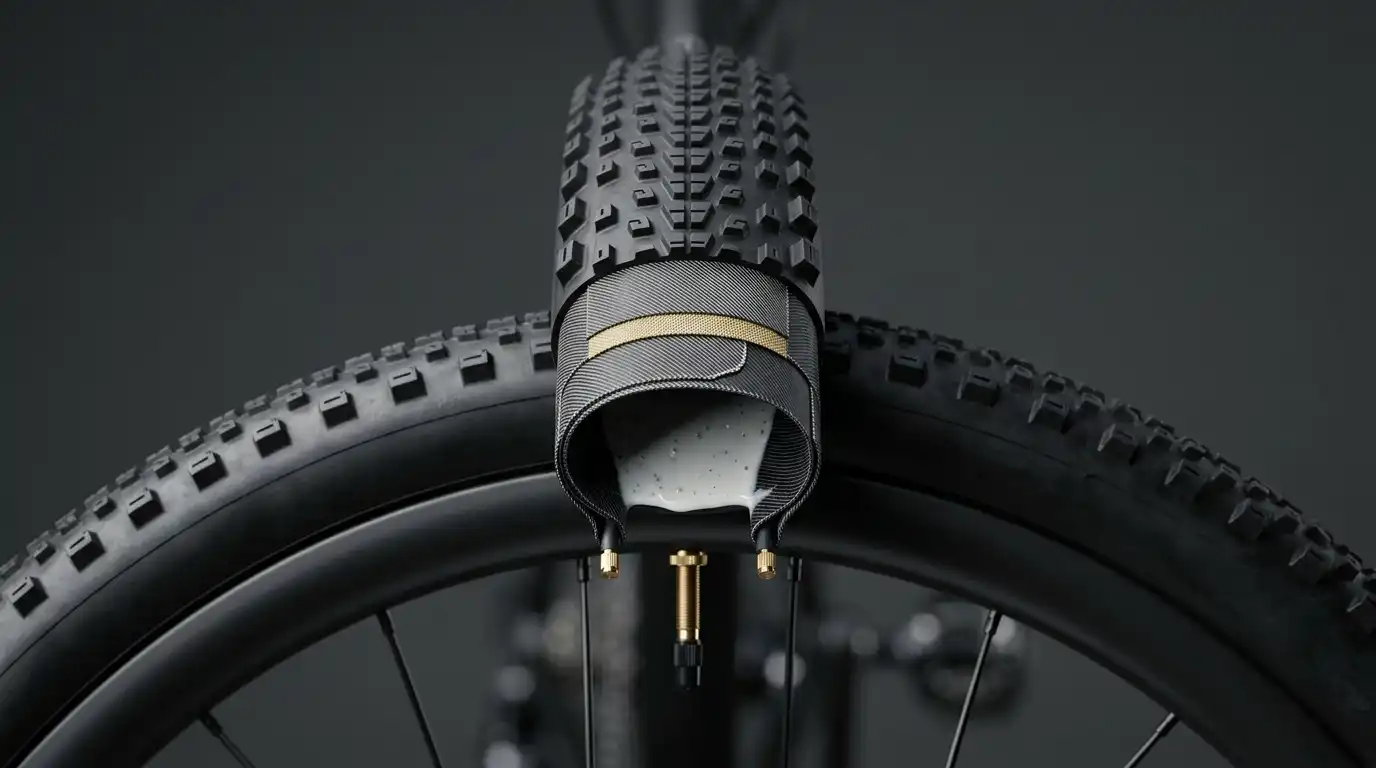
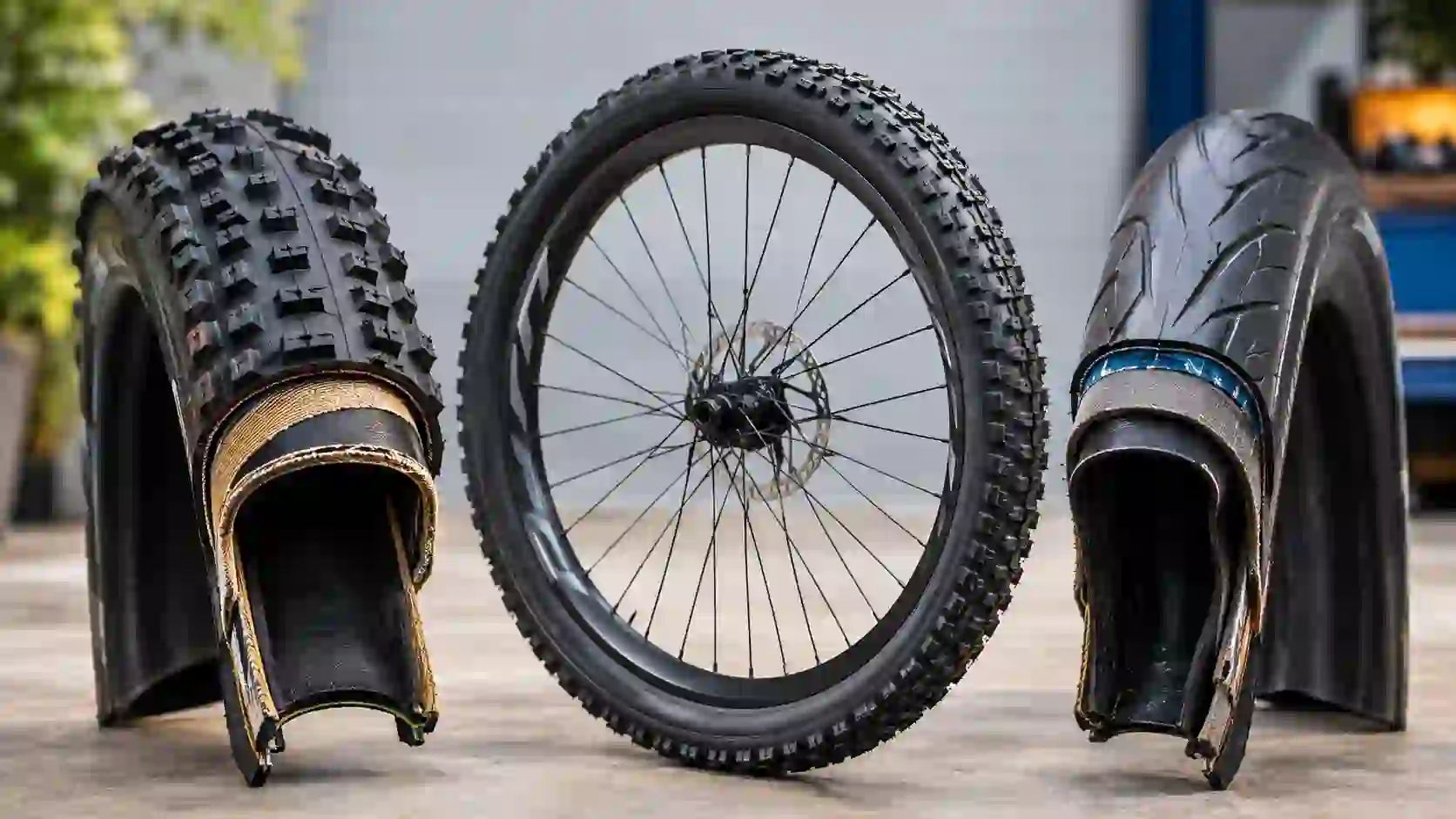
Casing design, rubber compound, and tread pattern shape comfort, grip, and durability. A flexible casing may improve ride feel. A reinforced casing can add protection.
Tire design and PSI work together on long rides. For more detail, see what bike tires are made of and what makes a good bike tire.
What Is Casing TPI?
TPI means threads per inch. It describes how dense the casing threads are. Higher TPI is not always stronger or more durable.
Material, ply layout, and casing design also affect ride quality and puncture resistance. Learn more in what a bike tire casing is.
How Puncture Belts Help on Long Rides
A puncture belt is a tough layer under the tread. It can reduce some punctures from glass and debris. It may add weight or change the feel.
Puncture-resistant tires can still go flat, so carry a repair kit. Compare options in how to choose puncture-resistant tires and best tires for puncture protection.
How Tread Pattern and Rubber Compound Affect Grip
Smooth or lightly textured tread works well on paved roads. Bolder tread helps on loose gravel or dirt. Durometer measures rubber softness, and softer rubber often grips better but wears faster.
On long rides, wear matters too. See why tread patterns differ and what rubber compound means.
Tubeless vs. Inner-Tube Tires for Long Rides
Both systems work well for long-distance cycling when set up right. Tubeless sealant can close some small punctures and cut pinch-flat risk. Tubes are simple to replace and still practical for touring.
Benefits of Tubeless Tires
Tubeless sealant may seal small tread punctures as you ride. A compatible setup can allow lower pressure for comfort and traction.
Check sealant levels, valve condition, and tire seating before long trips. Sealant dries out over time, so refresh it every few months. Hot climates dry it faster, so check it before a summer trip.
Benefits of Inner-Tube Tires
Tubes are easy to replace during a roadside repair. Correct pressure cuts pinch flats and rim impacts.
Carry a spare tube, tire levers, and a pump that fits your valves. A patch kit adds a backup if you flat twice. Butyl tubes also hold air better than light latex tubes over a long day. Frequent leaks? Read why bike tires lose air.
How to Prepare Tubeless Tires for a Long Ride
- Confirm the tire and rim are approved for tubeless use.
- Check sealant levels and add more as the maker directs.
- Inspect the valve, bead, and sidewalls for damage or leaks.
- Set the correct PSI and carry a plug kit or backup tube.
How to Set and Maintain Tire Pressure During Long Rides
Check PSI before you leave, using a reliable gauge. Account for temperature changes, extra cargo, and the road surface. Recheck pressure on multi-day trips or when handling changes.
Step-by-Step Tire Inflation Guide
- Check the tire and rim pressure limits.
- Measure current PSI with a suitable gauge.
- Add air in small steps with a compatible pump.
- Check front and rear pressures separately.
- Inspect the tire for cuts, bulges, and embedded debris.
See how to inflate a bike tire correctly and how to check bike tire pressure.
How Often Should You Check Tire Pressure?
Check before every long ride. Recheck during multi-day trips, after punctures, or when you notice pressure loss.
Inspect tires at rest stops if the route has rough roads or debris. A quick squeeze and a glance at the tread take seconds. Spin each wheel slowly and look for glass, thorns, or small cuts before they work deeper. See how often to inflate bike tires and how often to check bike tires.
How Temperature Affects Tire Pressure
Air pressure changes with air temperature. A cold morning and a hot afternoon can give different readings. Near 60 PSI, expect roughly 1 to 1.5 PSI per 10°F.
| Air temperature change | Approx. PSI change at 60 PSI |
|---|---|
| 20°F colder | About 3 PSI lower |
| 10°F colder | About 1.5 PSI lower |
| 10°F warmer | About 1.5 PSI higher |
| 20°F warmer | About 3 PSI higher |
Check pressure before you ride. Do not exceed maker limits as conditions change.
Elevation matters a little too. When you climb a Rocky Mountain pass, outside air pressure drops, so a sealed tire reads a fraction of a PSI higher. The change is small, but note it before a big descent with a tire near its limit.
Long-Ride Pressure Checklist
Before a big day, run through a short list. It takes five minutes and can save your ride.
- Set PSI with a gauge you trust.
- Check the tire for cuts and bulges.
- Pack a tube or plug kit, levers, and a pump.
- Pack a way to inflate to your target PSI.
How to Test and Fine-Tune Tire Pressure for Endurance
Begin with a safe baseline based on tire size, total load, and maker guidance. Test on a familiar route and change one thing at a time. Record PSI, comfort, grip, road conditions, and handling over repeated rides.
Signs Your Tire Pressure Is Too High
- The ride feels harsh over rough pavement.
- The tires skip or bounce over bumps.
- Vibration rises with no clear gain in speed or control.
Learn more about overinflating a bike tire.
Signs Your Tire Pressure Is Too Low
- The tire feels unstable or squirmy in turns.
- You hear or feel rim strikes over bumps.
- Tubes may pinch flat, or tubeless tires may burp air under hard hits.
How to Conduct a Reliable Tire Pressure Test
Keep the bike, route, rider load, and gauge the same. Record pressure and road conditions for every test. Keep measured results apart from personal impressions when you report comfort or speed.
Our editorial policy explains how we hold ourselves to the same standard.
Common Tire Pressure Mistakes on Long Rides
then do not copy another rider’s PSI without matching tire size and total load. Do not use the sidewall maximum as your default. Do not start a long ride with worn tires or an untested tubeless setup.
Does tire pressure drop on a long ride? It can. Slow leaks, cooler air, and permeable tubes all lower pressure over hours, so check at long stops.
Ignoring Cargo Weight
Water, tools, food, and panniers add to system weight. Extra load changes how much support each tire needs.
Recheck PSI whenever you change luggage or bike setup.
Using Too Much or Too Little Pressure
High PSI adds harshness on rough roads. Low PSI can cause squirm, pinch flats, or rim damage.
Make small changes and test them before you commit to a long route. A 20 mile test loop on similar roads tells you far more than a parking lot bounce.
Forgetting Roadside Repairs
Carry a spare tube or a tubeless repair kit that suits your setup. Bring a pump or inflator that can reach your needed pressure. Inspect damage before you ride on after a puncture.
See how often bike tires should be replaced and how much tread a bike tire should have.
How to Choose the Best Bike Tires for Long Rides
Look for a suitable width, a durable casing, and good puncture protection. Match tread to your most common surface. Compare maker specs and independent tests before you buy.
Start with how to choose tires for long distance. Check fit with will this bike tire fit my wheel and how to measure bike tire size.
Best Features for Comfort and Efficiency
Wider tires may add comfort on rough roads when your bike supports them. A suitable casing balances flexibility and durability. Correct PSI can matter as much as the tire itself.
See the best bike tires for long rides and how to choose comfortable bike tires.
Choosing Between Speed, Grip, and Puncture Protection
Fast-rolling tires suit smooth roads but still need reliable grip. Puncture belts help riders on debris-covered streets. Pick a tire that fits your route and upkeep habits instead of chasing one feature.
Dig into bike tires for long-distance cycling and puncture protection vs. rolling resistance.
How to Test Bike Tires for Long-Distance Performance
Compare tires under similar conditions with the same bike and rider load. Record PSI, surface, temperature, comfort, and any punctures. Use measured results to support claims about rolling resistance, grip, and durability.
What to Measure During Testing
Judge comfort, stability, and cornering grip. Record flats, visible wear, and pressure loss. Note whether the test used pavement, gravel, or mixed surfaces.
How to Make Test Results Reliable
Change one thing at a time, such as PSI or tire model. Repeat tests in similar conditions when you can. Explain your method and its limits instead of making claims you cannot support.
Frequently Asked Questions About Bike Tire Pressure for Long Rides
1. What Is the Best Bike Tire Pressure for Long Rides?
No single PSI fits every bike and rider. Tire width, wheel load, casing, and surface all matter. Start with maker guidance and fine-tune safely.
2. Should I Lower Tire Pressure for Long Rides?
A suitable pressure may improve comfort on rough roads. Too little can cause pinch flats, squirm, or rim strikes. Make small changes based on tire size, load, and terrain.
3. Are Tubeless Tires Better for Long-Distance Cycling?
Can cut pinch flats and seal small punctures. They may allow lower pressure when tire and rim support it. They need regular sealant checks and a repair plan.
4. How Often Should I Check Bike Tire Pressure on a Long Ride?
Check before you leave. Recheck on multi-day trips or after a suspected puncture. Inspect the tire if pressure drops or handling changes.
5. Does Tire Width Affect Long-Ride Comfort?
Wider tires often give more air volume and comfort. Correct pressure prevents both harshness and heavy tire flex. Confirm the tire fits your frame and rim.
6. Can Tire Pressure Affect Rolling Resistance?
Yes. Pressure changes how the tire deforms under load. Very high pressure can perform poorly on rough surfaces because the bike and rider bounce over bumps. The best pressure depends on tire, load, and road texture.
7. How Do I Know When My Bike Tires Need Replacing?
Look for cuts, cracks, bulges, exposed casing, or heavy wear. Check any wear marks the maker adds. Replace damaged tires even if they still hold air.
8. Should Front and Rear Tires Use the Same PSI?
Not always, since wheel loads can differ. The rear often carries more, but it depends on the bike and riding position. Use measured loads or a calculator that gives front and rear settings.
Conclusion: Find Your Ideal PSI for Long Rides
The right bike tyre pressure for long rides depends on tire width, total system weight, wheel load, casing, and road surface. Correct PSI improves comfort, grip, and efficiency while cutting avoidable tire problems. Check pressure before you leave, carry repair tools, and fine-tune for your usual routes.
Here are the key takeaways:
- Add cargo, water, and gear to your system weight before you set PSI.
- Aim near the middle of your range, then trim for rough routes.
- Check pressure at the start and at long stops.
Ready to dial in your exact setup? Use the Free Bike Tire Pressure Calculator and Tire Finder Tool at TheBikeTires.com. Enter your weight, tire width, and surface to get front and rear PSI in seconds. Meet the team behind the advice on our about page.

Mohidul Islam is a leading cycling technology specialist and bike tire consultant with over 15 years of hands-on experience in the bicycle industry. He holds a Bachelor of Science in Mechanical Engineering from Penn State University, where he focused heavily on material science, tread mechanics, and rubber compound performance. Over the past decade and a half, Alex has conducted extensive field testing, tubeless setup evaluations, and tire pressure modeling for road, mountain, and e-bikes. His practical insights and data-driven approach help cyclists of all levels optimize grip, speed, and durability on every ride.