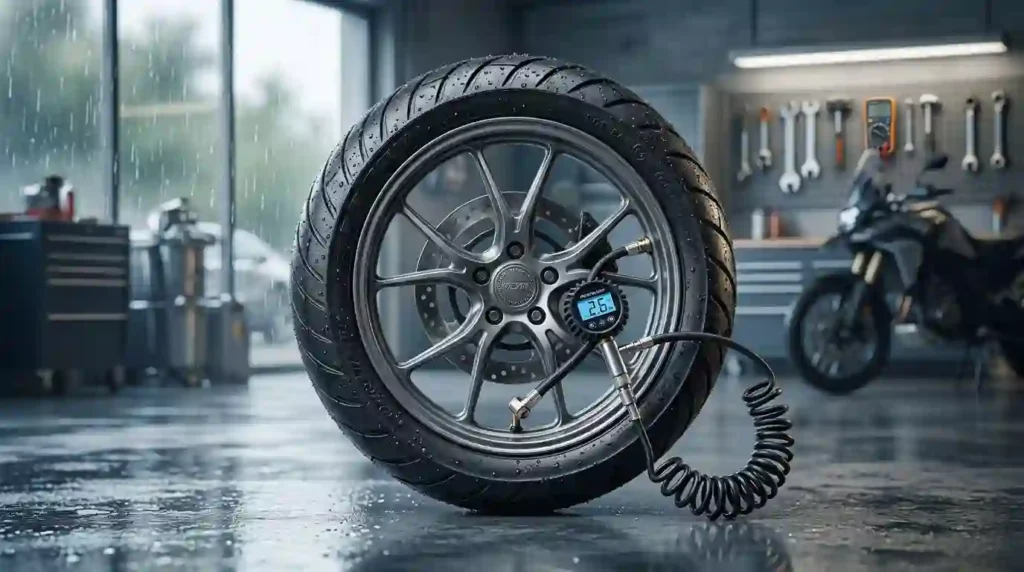
A rain squall hits on your commute. The road shines, the corners feel sketchy, and you wonder if your tires have too much air. Many US riders ask the same thing, from Pacific Northwest drizzle to a sudden monsoon in the Southwest.
Finding the right bike tyre pressure for wet roads is not about running the lowest PSI you can. It is about balance. Your weight, tire width, rim, and road texture all shape the best setting.
The right PSI (pounds per square inch) supports cornering traction, softens rough pavement, and helps prevent pinch flats. It also keeps the bike steady when you brake and steer. Learn more about how much bike tires affect grip before you read on.
This guide gives you clear terms, a simple formula, quick charts, and a safe test plan. Every number is a starting point, not a promise. See how we check our advice on our testing process page.
What Is Bike Tire Pressure for Wet Roads?
Wet-road bike tire pressure is the PSI you set to balance grip, tire support, and control on damp pavement. A suitable pressure keeps the tire stable and comfortable over rough spots. It is not simply the lowest PSI you can run, because too little air hurts cornering.
- Tire width and air volume: wider tires hold more air and flex differently.
- Total system weight: rider, bike, gear, and cargo all count.
- Road texture and tire design: casing, rubber, and tread change the result.
Bike tire pressure is measured in PSI. It decides how well the tire carries you and the bike. On wet roads, small changes can help comfort and control, but big changes can do harm. New to the basics? Start with how bike tires work.
Why Tire Pressure Matters in Wet Weather
Correct pressure helps the tire keep steady contact with the road. Too much PSI makes the tire feel harsh and can cut grip over rough pavement.
Very low PSI can cause tire squirm, rim strikes, and pinch flats. Squirm is the vague, rolling feeling in a turn. See what happens if bike tire pressure is wrong for more.
Does Lower Tire Pressure Improve Wet-Road Grip?
A small drop may help grip and comfort on rough or uneven wet roads. The tire can soak up small bumps and stay in touch with the ground.
Too little air makes the tire unstable in turns and sudden moves. Change PSI in small steps and stay inside tire and rim limits. Smooth steering and gentle braking matter more than any pressure tweak.
How to Find the Best Bike Tire Pressure for Wet Roads
Start with the tire and rim maker’s pressure limits. Add up total system weight and think about front and rear loads. Then use a calculator for a baseline and test with care.
- Read the sidewall and rim label first.
- Set a dry-road baseline before you change anything.
- Test any change at low speed in a safe place.
Our guide to finding the correct bike tire pressure covers the full process.
Check Rider Weight and Total System Weight
Total system weight is the rider plus the bike, clothing, bags, and cargo. Here is the quick math:
System weight = rider + clothing + bike + bags and cargo
Example: a 165 lb rider, 24 lb bike, and 8 lb of gear equals 197 lb, or about 89 kg. E-bikes and loaded commuters add more. Check the front and rear loads separately too.
Adjust PSI for Tire Width
Wider tires often allow lower pressure than narrow tires under the same load. Real inflated width depends on the tire and rim pair. Inner rim width is the gap between the inside rim walls, and it changes tire shape.
Check rim fit before you change size or pressure. Most hookless rims cap pressure near 72.5 PSI (5 bar), so follow the rim label. See bike tire size compatibility for detail.
Use a Bike Tire Pressure Calculator
Enter tire width, bike type, system weight, and surface when the tool asks. Use the front and rear PSI it gives as a starting point.
Then make small changes for grip, comfort, and handling. Never go past safe limits. Our post on how much air to put in a bike tire shows how to read them.
A Simple Wet-Weather PSI Formula
Use this method with a trusted reference PSI from the tire maker.
- Find rear load: rear load = system weight x 0.60 (road or gravel bike).
- Scale the reference: dry rear PSI = reference PSI x (your rear load / reference rear load).
- Apply a small wet change: wet rear PSI = dry rear PSI x 0.95.
- Set the front: front PSI = rear PSI x 0.90.
Example: a maker lists 45 PSI for a 160 lb system on a 32 mm tire. That is a 96 lb rear load. At 190 lb your rear load is 114 lb. Dry rear is 45 x (114 / 96), or about 53. Wet rear is about 50, and wet front is about 45.
Safety note: Keep wet changes to about 5 percent. Never go below the tire’s minimum PSI.
Recommended Bike Tire Pressure for Wet Roads
Wet-road PSI depends on tire size, load, casing, and surface texture. No single number fits every rider and bike. The table below shows rear tire starting ranges for tubeless setups, with the front about 10 percent lower.
| Total system weight | Road 28 mm dry | Road 28 mm wet | Gravel 40 mm dry | Gravel 40 mm wet |
|---|---|---|---|---|
| 150 lb (68 kg) | 50 to 56 PSI | 48 to 53 PSI | 30 to 35 PSI | 29 to 33 PSI |
| 200 lb (91 kg) | 58 to 64 PSI | 55 to 61 PSI | 36 to 42 PSI | 34 to 40 PSI |
| 250 lb (113 kg) | 66 to 74 PSI | 63 to 70 PSI | 43 to 49 PSI | 41 to 47 PSI |
These are estimates, not rules. Always check your tire and rim limits first.
Wet-Road PSI by Bike Type
Each bike type calls for a different plan. Use this table as general guidance, not exact PSI.
| Tire type | Wet-road guidance |
|---|---|
| Road tires, 25 to 28 mm | Need more PSI than wider tires; trim only a few PSI |
| All-road tires, 30 to 35 mm | Often allow lower PSI with more comfort |
| Gravel tires, 38 to 50 mm | Can run lower PSI when tire and rim allow |
| Mountain bike tires, 2.2 to 2.6 in | Use lower PSI than road tires; trim 1 to 2 PSI at most |
| E-bike tires, 2.0 to 2.6 in | Account for bike weight, cargo, and tire load rating |
What PSI should I run on a road bike in the rain? Start from your normal dry pressure and drop about 2 to 3 PSI if the roads are rough. Keep it stable.
Road Bike Tire Pressure in Rain
Wider road tires may feel comfortable at lower pressure than narrow ones. Skip extra pressure if it makes the bike feel harsh or skittish on rough, wet pavement.
Keep enough air to stop squirm and rim hits. For tire picks, see how to choose bike tires for wet weather.
Gravel Bike Tire Pressure on Wet Roads
Gravel tires can grip well on wet pavement and mixed surfaces when inflated right. Lower pressure can add comfort on rough roads, but the tire must stay stable.
Tread pattern and rubber matter when you move from pavement to mud to loose gravel. See how to choose tires for gravel roads and tires for mixed surfaces.
Mountain Bike and E-Bike Tire Pressure in Wet Conditions
Mountain bike tires need enough support to corner on wet roots and rocks. In Pacific Northwest mud, a little less air and an open tread help. In wet Southwestern rock, keep a bit more air to protect the rim.
E-bike pressure should reflect bike weight, cargo, and e-bike torque, which can spin a wet rear tire. Follow load ratings and rim limits, especially on heavy e-bikes.
Quick Summary for Wet-Road PSI
Set wet-road pressure for your tire size and load, and change it only a little from a good dry baseline. A drop of 2 to 5 percent is plenty for most riders. More than that risks squirm and rim damage.
Set your pressure before you leave, not after you are soaked. A wet gauge and cold hands make mistakes easy. If you commute daily, write your wet and dry PSI on a card or in your phone so you can set them fast.
How Wet Roads Affect Tire Grip and Rolling Resistance
Water, road texture, rubber, and tread all affect traction. Correct PSI helps balance rolling resistance, comfort, and control. Rolling resistance is the energy lost as the tire flexes.
Wet pavement, painted lines, metal covers, and standing water each create their own risks. Also watch for the first rain after a dry spell, when dust and oil make streets slick. See how tires affect speed for the trade-offs.
How Tire Pressure Affects Cornering Grip
Too much pressure makes the ride harsh and cuts contact over rough surfaces. Too little pressure causes sidewall flex and shaky cornering.
Try changes slowly on a safe route before you ride in traffic. Learn more in how tires affect comfort.
Do Bike Tires Need Tread for Wet Roads?
Many road tires have smooth or light tread and still grip well on wet pavement. On pavement, rubber compound, casing, pressure, and road texture often matter more than deep tread.
Bold tread helps on loose dirt or mud, but it is not automatically safer on wet asphalt. See why tread patterns differ and how much tread a tire should have.
Can Tire Pressure Reduce the Risk of Skidding?
Correct PSI supports predictable handling, but it cannot stop every skid. Smooth steering, gentle braking, and lower speed matter most in rain.
Avoid sudden moves on painted lines, metal covers, and oily patches. Brake early and upright, then lean into the turn.
Why do bike tires slip more in the first rain? Dust, oil, and rubber dust build up on dry roads. The first rain lifts them into a thin, slick film. Take extra care in that first hour, and again after long dry spells.
Wet-Road Riding Habits That Help
Pressure is only one part of the picture. Your habits matter just as much on slick streets. Keep your hands relaxed and your weight low and centered.
- Brake early and gently. Slow down before the turn, not in it.
- Stay off paint and metal. Cross painted lines and grates upright and straight.
- Keep a wider gap. Wet brakes need more room to stop.
- Use lights. Rain cuts visibility, so run a front and rear light even by day.
Riders in the Pacific Northwest often ride wet for months. They tend to pick tires with a soft compound, a supple casing, and a sensible width, then keep PSI steady rather than chasing tiny changes.
How to Adjust Bike Tire Pressure for Rain
Start from a dry-weather baseline that fits your tire size, load, and maker guidance. Make small changes only when needed for comfort and grip. Stay inside all tire and rim limits.
Step-by-Step Wet-Weather PSI Adjustment
- Check current pressure with a reliable gauge.
- Inspect the tire for cuts, wear, debris, and casing damage.
- Confirm both tires sit inside the maker’s limits.
- Adjust PSI in small steps if the ride feels harsh or unstable.
- Test handling at low speed in a safe area before busy wet roads.
Should You Lower Tire Pressure Before Riding in Rain?
Not always. Your usual dry pressure may already work well in the wet.
A small drop may help on rough surfaces if limits allow. Do not go so low that the tire squirms, burps air, or risks rim damage.
Cold Rain and Temperature Effects on PSI
Air pressure falls as the air gets colder. A tire set in a warm garage can read lower once you roll into cold rain. Check pressure at the temperature you will ride in when you can.
Rain also cools the tire as you ride. So avoid a big drop at the pump, since the tire may lose a few PSI on its own. In hot Southwestern storms, the reverse can happen, so recheck after the ride starts.
How Tire Construction Affects Wet-Road Performance
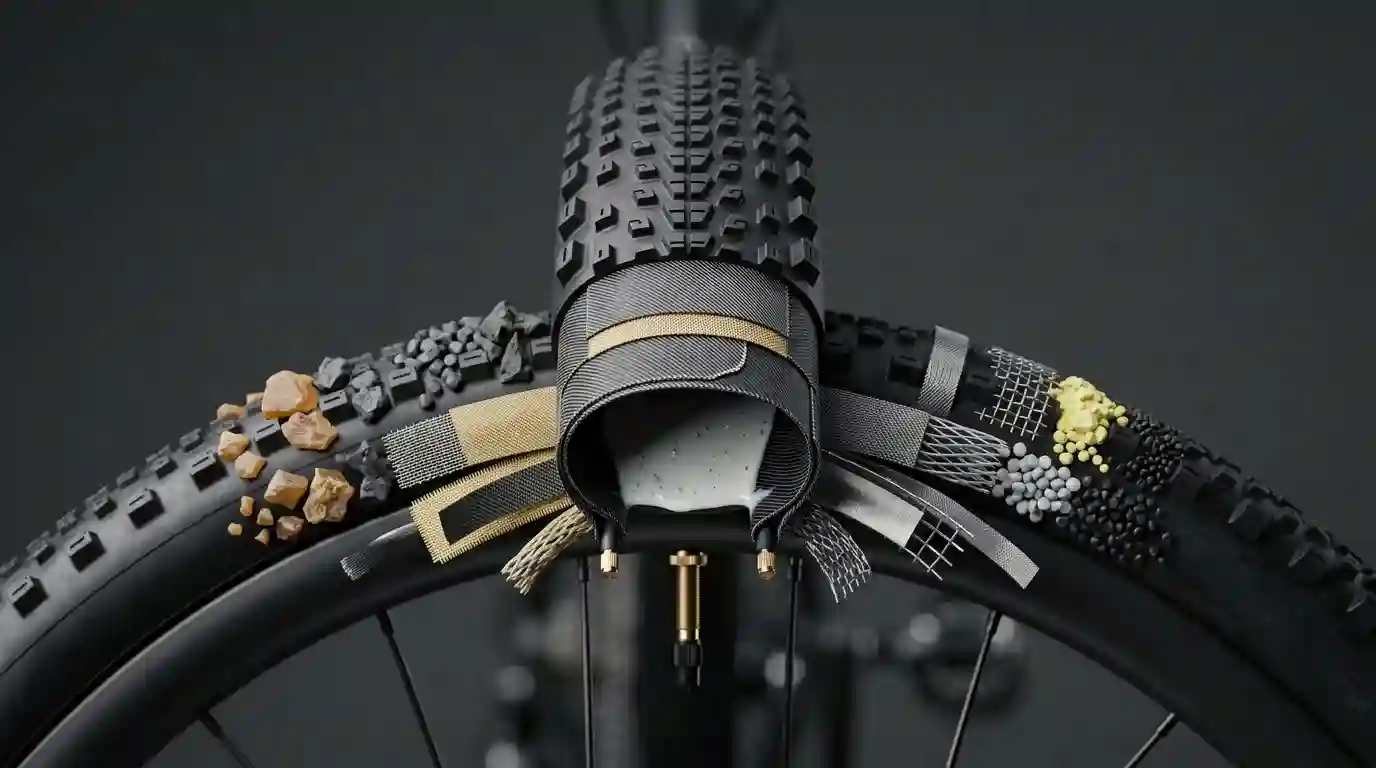
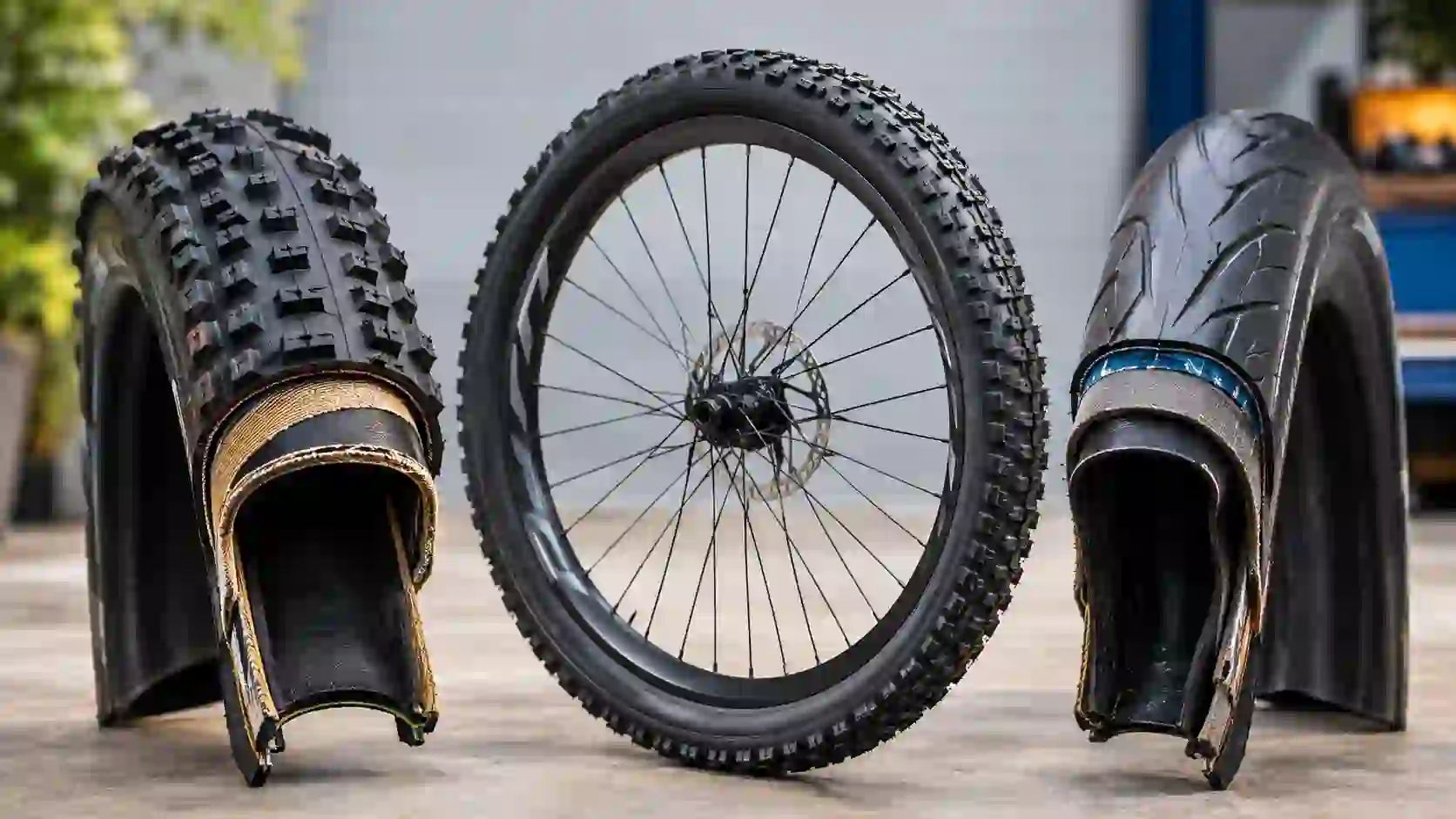
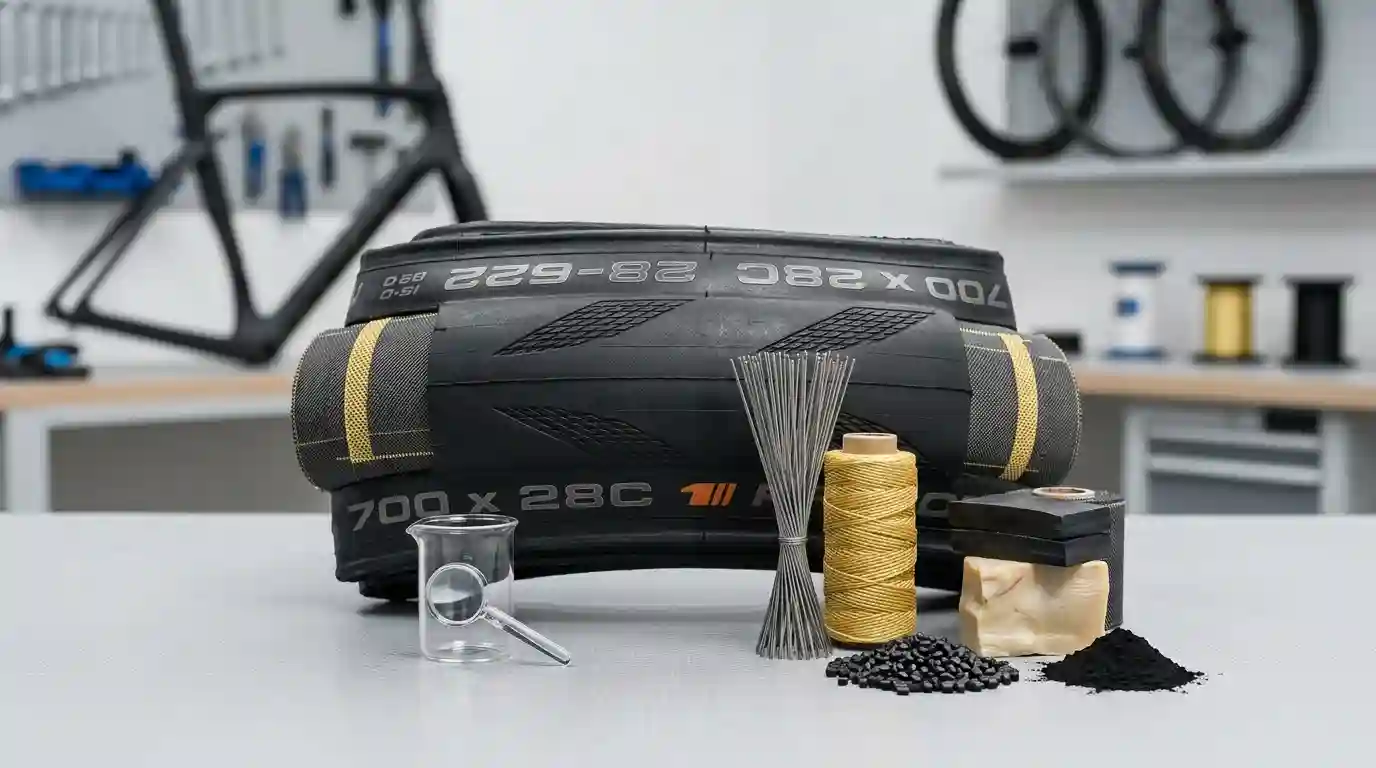
Casing, rubber compound, and tread pattern shape how a tire acts in rain. Puncture protection helps commuters, but it does not replace correct inflation. Choose tires built for your main surface and weather.
For more detail, see what bike tires are made of and what makes a good bike tire.
Casing TPI and Sidewall Flex
TPI means threads per inch. It describes how dense the casing threads are. TPI alone does not set strength, wet grip, or puncture resistance.
Casing material and design affect flex, comfort, and stability. Learn more in what a bike tire casing is.
Rubber Compound and Wet Grip
Rubber compounds differ in grip, wear, and rolling resistance. Durometer measures rubber softness, and softer rubber often grips better but wears faster. A compound made for wet traction may suit frequent rainy rides.
Look for maker specs and independent tests, not just marketing. A supple casing also helps the tire mold to the road, which can add grip on rough wet pavement. See what rubber compound means.
Puncture Belts and Tire Durability
A puncture belt is a tough layer under the tread that can stop some debris. It may add weight or change the feel.
Wet roads wash glass and grit into bike lanes, so check tires often. Compare options in how to choose puncture-resistant tires and best tires for puncture protection.
Tubeless vs. Inner-Tube Tires for Wet Roads
Both systems work in rain when kept in good shape. Tubeless sealant can plug some small punctures, but it does not directly give better wet grip. Pressure, tire condition, and suitable rubber matter more than the system.
Benefits of Tubeless Tires in Wet Weather
Tubeless setups can cut pinch-flat risk and seal small tread punctures. They may allow lower pressure when tire and rim are designed for it.
Check sealant levels, valve condition, and tire seating often. In a wet climate, water can also work into the rim bed, so look for corrosion near the valve each season.
Benefits of Inner-Tube Tires
Tubes are easy to replace and practical for many commuters. Right pressure cuts pinch flats and protects the rim.
Carry a spare tube and repair tools on longer rides. Frequent leaks? Read why bike tires lose air.
How to Maintain Tubeless Tires
- Confirm tire and rim compatibility.
- Check the sealant level and top it up as the maker directs.
- Inspect the bead and sidewalls for damage.
- Set the correct pressure and check for air loss before you ride.
Wet-Ride Sealant Checks
Sealant can dry out and clog the valve. Before a rainy week, shake the wheel and listen for sloshing. Swap in fresh sealant if it sounds dry.
How to Inflate Bike Tires Correctly Before a Wet Ride
Use a pump with a reliable gauge. Check pressure when the tires are cool and before you ride. Measure both tires separately, since front and rear loads can differ.
See how to inflate a bike tire correctly for a full walkthrough.
How to Check Tire Pressure
Use a gauge that suits your valve and your pressure range. Read the number before you add air. Recheck after inflation and look for leaks.
Our guide on how to check bike tire pressure has more tips.
Pump and Gauge Tips
Add air in short bursts, since a few strokes can change PSI a lot. Use the same gauge each time so readings stay comparable. Presta and Schrader valves need matching pump heads.
How Often Should You Check Tire Pressure?
Check before each ride, especially on high-pressure road tires. Recheck after a puncture, a long ride, or a big temperature change.
Look into repeated pressure loss instead of topping up forever. See how often to inflate bike tires and how often to check bike tires.
Common Wet-Weather Tire Pressure Mistakes
Then do not assume the lowest PSI gives the best grip. Do not copy another rider’s settings without matching tire size and load. Do not overlook tire wear, rim fit, or safe braking.
Is 100 PSI too high for wet roads? It can be. Many tires and rims cap far lower, and high pressure can feel skittish on rough, wet pavement. Follow the lowest listed limit.
Using Too Much Pressure
Excess PSI makes the ride harsh on rough pavement. The tire may feel less stable over bumps. Reduce pressure only within the maker’s range. Learn more about overinflating a bike tire.
Using Too Little Pressure
Very low PSI can cause squirm, pinch flats, or rim strikes. Tubeless tires may burp air if support drops mid-corner.
Add pressure if the tire feels unstable or bottoms out on obstacles.
Ignoring Wet-Road Hazards
Painted lines, metal grates, wet leaves, and oil can be slick. Slow down and avoid sudden braking or sharp turns on them.
Keep tires in good shape and replace worn ones. See how often bike tires should be replaced.
How to Choose the Best Bike Tires for Wet Roads
Look for dependable wet grip, the right dimensions, and a durable casing. Match tread to pavement, gravel, or mixed surfaces. Compare maker specs and independent tests.
Check fit first with will this bike tire fit my wheel and how to measure bike tire size. Decode labels with how to read bike tire size.
Best Features for Wet-Road Tires
A rubber compound made for wet traction can build confidence. A suitable width and casing balance grip, comfort, and stability. Reflective sidewalls can help commuters in low light.
See how to choose comfortable bike tires and how to choose bike tires.
Choosing Between Speed, Grip, and Puncture Protection
Fast-rolling tires suit smooth roads, but wet grip still matters. Puncture belts help commuters on debris-covered streets. Pick the best mix for your route.
Dig into puncture protection vs. rolling resistance, daily commuting tires, and how to choose tires for a commuter bike.
How to Test Wet-Road Tire Performance
Use the same bike, tire model, route, and gauge when you compare setups. Record PSI, temperature, road conditions, and tire wear. Never run unsafe braking or cornering tests on public roads.
What to Measure During a Tire Test
Judge comfort, predictable cornering, and handling on safe, controlled surfaces. Write down pressure and conditions so you can repeat the test. Use measured data when you claim anything about grip or rolling resistance.
How to Make Testing More Reliable
Change one thing at a time, such as pressure or tire model. Repeat tests in similar conditions when you can. Keep personal impressions apart from measured results and share your method.
Our editorial policy explains how we hold ourselves to the same standard.
Frequently Asked Questions About Bike Tire Pressure for Wet Roads
1. What Is the Best Bike Tire Pressure for Wet Roads?
No single PSI fits every bike and rider. Tire width, wheel load, casing, and road texture all matter. Start with maker guidance and make small, safe changes.
2. Should I Lower Bike Tire Pressure in the Rain?
Not always. Your usual pressure may already be right. A small drop may help on rough roads if the tire stays stable.
3. Are Tubeless Tires Better for Wet Roads?
They can cut pinch flats and seal small holes. They do not automatically grip better than tube tires. Compound, tread, condition, and pressure still matter.
4. Do Smooth Bike Tires Grip on Wet Roads?
Yes, many smooth road tires grip well on wet pavement. Compound, pressure, and road texture affect traction. Painted lines and metal can stay slippery whatever the tread.
5. Does Tire Width Affect Wet-Road Grip?
Width changes air volume, comfort, and the pressure needed for a load. Wider tires may feel better on rough roads when inflated right. Grip also depends on compound, casing, tread, and surface.
6. How Often Should I Check Bike Tire Pressure?
Check before each ride. Recheck after a puncture or a noticeable drop. Inspect the tire for damage as you go.
7. How Do I Know if My Bike Tires Need Replacing?
Look for cuts, cracks, bulges, exposed casing, and heavy wear. Follow any wear marks the maker adds. Replace tires with structural damage even if they hold air.
8. Can I Use the Same PSI in Both Tires?
You can, but separate pressures may work better when loads differ. The rear often carries more, though it varies by bike and rider. Use a calculator that gives front and rear PSI.
Conclusion: Find the Right PSI for Wet Roads
The right bike tyre pressure for wet roads depends on tire size, wheel load, casing, road surface, and riding style. Correct PSI supports comfort, steady handling, and predictable cornering, but it cannot remove every wet-weather hazard. Pair a good setup with smooth braking, careful steering, and regular tire checks.
Here are the key takeaways:
- Start from a good dry baseline and trim only 2 to 5 percent in rain.
- Never go below the tire’s minimum or past rim limits.
- Watch for slick paint, metal covers, and first-rain oil.
Ready to dial in your exact setup? Use the Free Bike Tire Pressure Calculator and Tire Finder Tool at TheBikeTires.com. Enter your weight, tire width, and surface to get front and rear PSI in seconds. Meet the team behind the advice on our about page.

Mohidul Islam is a leading cycling technology specialist and bike tire consultant with over 15 years of hands-on experience in the bicycle industry. He holds a Bachelor of Science in Mechanical Engineering from Penn State University, where he focused heavily on material science, tread mechanics, and rubber compound performance. Over the past decade and a half, Alex has conducted extensive field testing, tubeless setup evaluations, and tire pressure modeling for road, mountain, and e-bikes. His practical insights and data-driven approach help cyclists of all levels optimize grip, speed, and durability on every ride.