Nobody plans to fix a flat on the side of the road. Yet it happens to every rider. Broken glass piles up in bike lanes. Goathead thorns hide on Southwestern trails. Wet leaves and potholes cause pinch flats. Add poor cornering grip, wrong tire pressure, and tread that wears fast, and riding gets frustrating.
The best bike tyres to prevent flats fix much of that. They also make you safer, faster, and more comfortable. A sudden flat at speed can throw you off balance, so prevention is a safety issue too. But the right tire depends on your route, your bike, and your PSI.
Even a great tire will flat if pressure is wrong. A well-chosen tire at the right pressure grips better in corners, absorbs bumps, and rolls with less effort.
This guide explains how flat protection works and which tires to research by riding style. You will also learn how to set pressure by system weight, install tires, and fix a flat. Our editorial policy and testing process show how we build every guide.
What Are the Best Bike Tires to Prevent Flats?
The best tires use protective belts, tough casings, and smart compounds to reduce flat risk from glass, thorns, and road debris. They work best with correct pressure and regular checks. Most flats come from a few common causes, such as glass, thorns, wire, pinch flats, and rim strikes.
Key point: No tire can stop every puncture or sidewall cut. The goal is to lower your flat risk, not remove it.
Five factors matter most: protection, rolling resistance, tire width, pressure, and riding style. If you want a refresher, read how bike tires work.
What Makes a Bike Tire Flat Resistant?
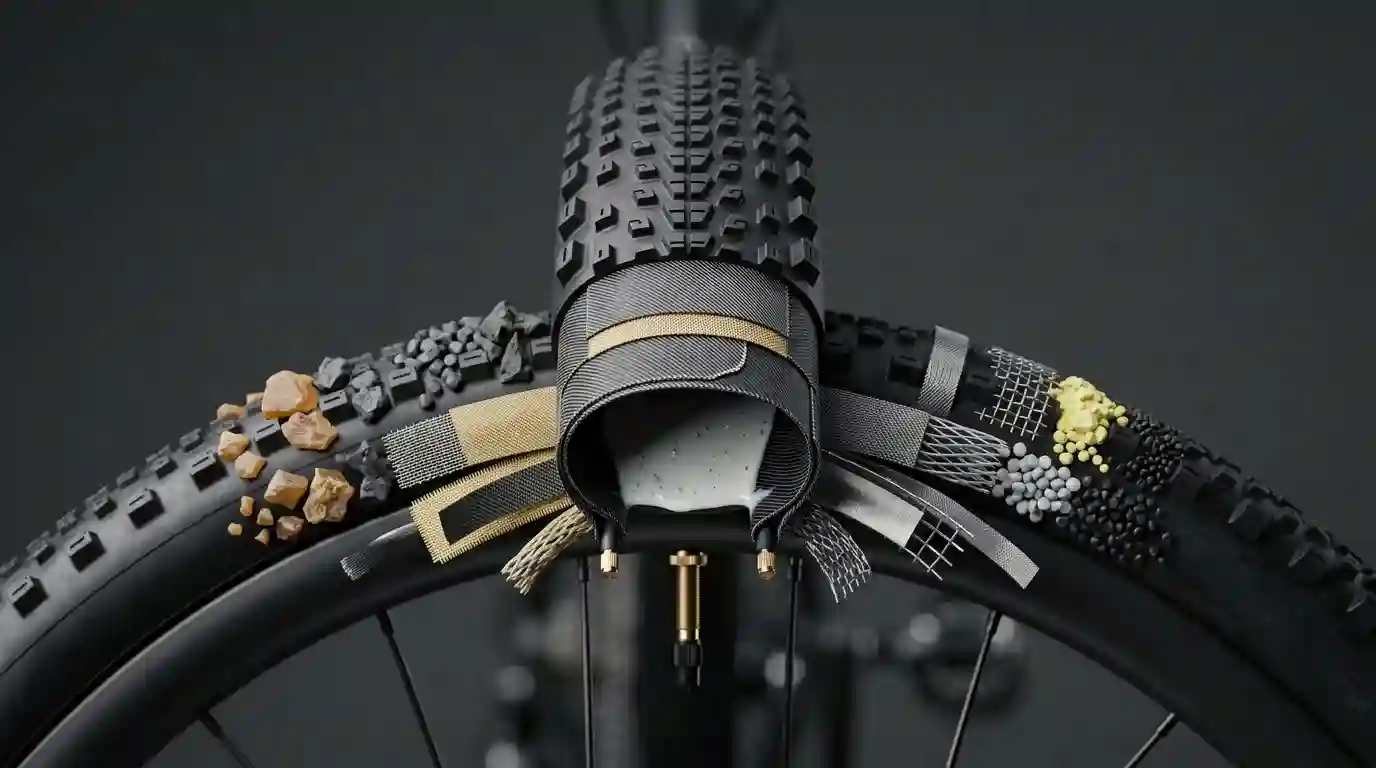
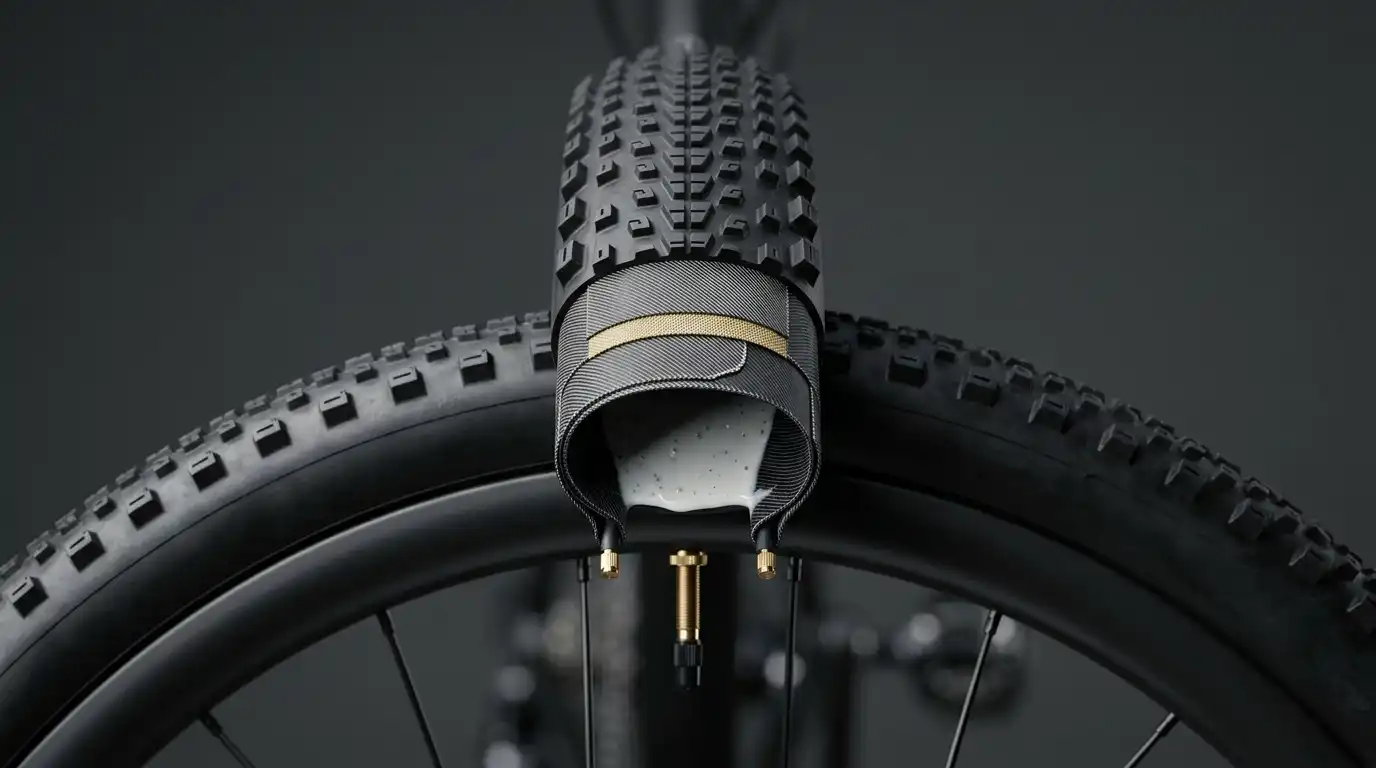
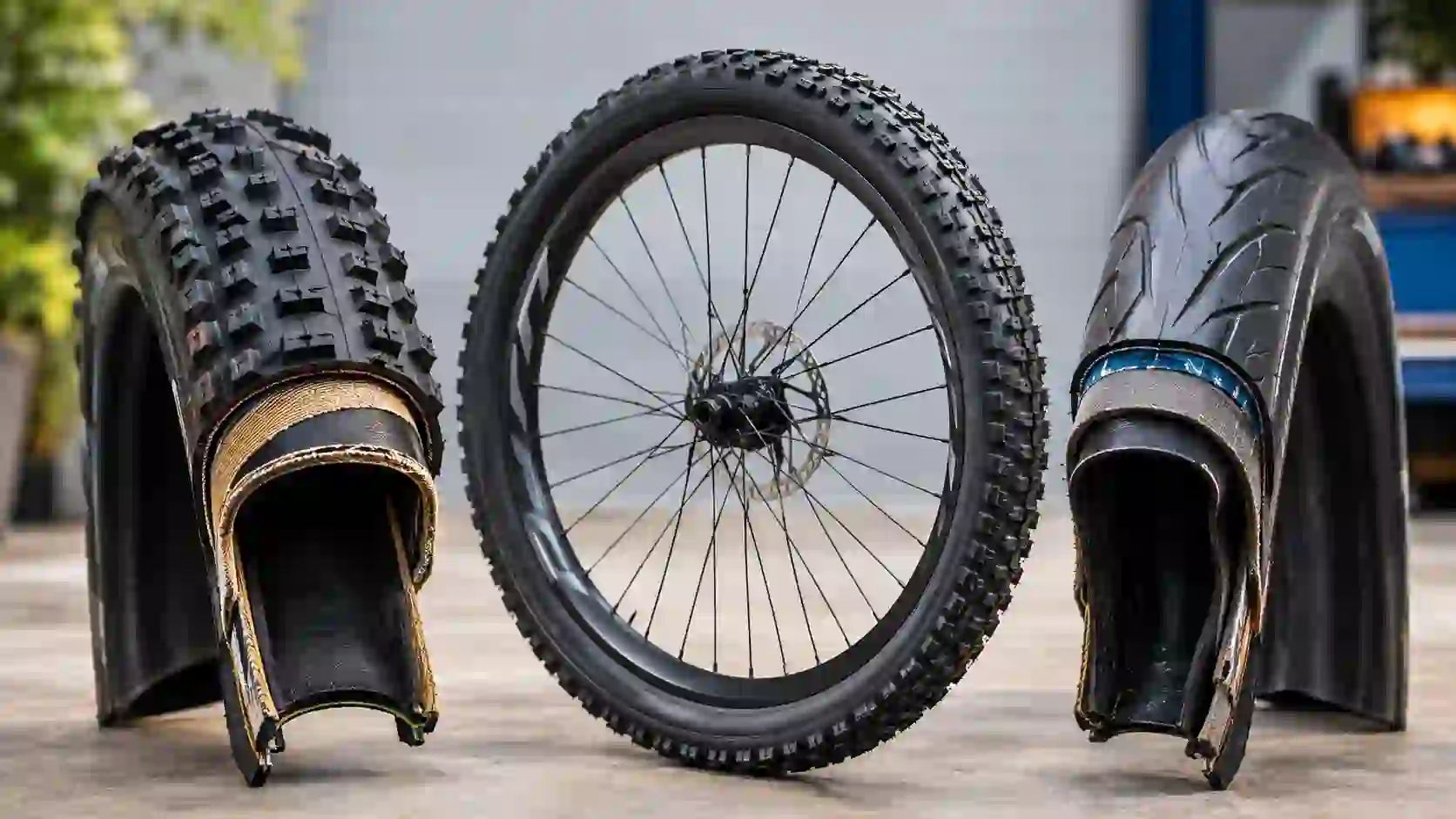
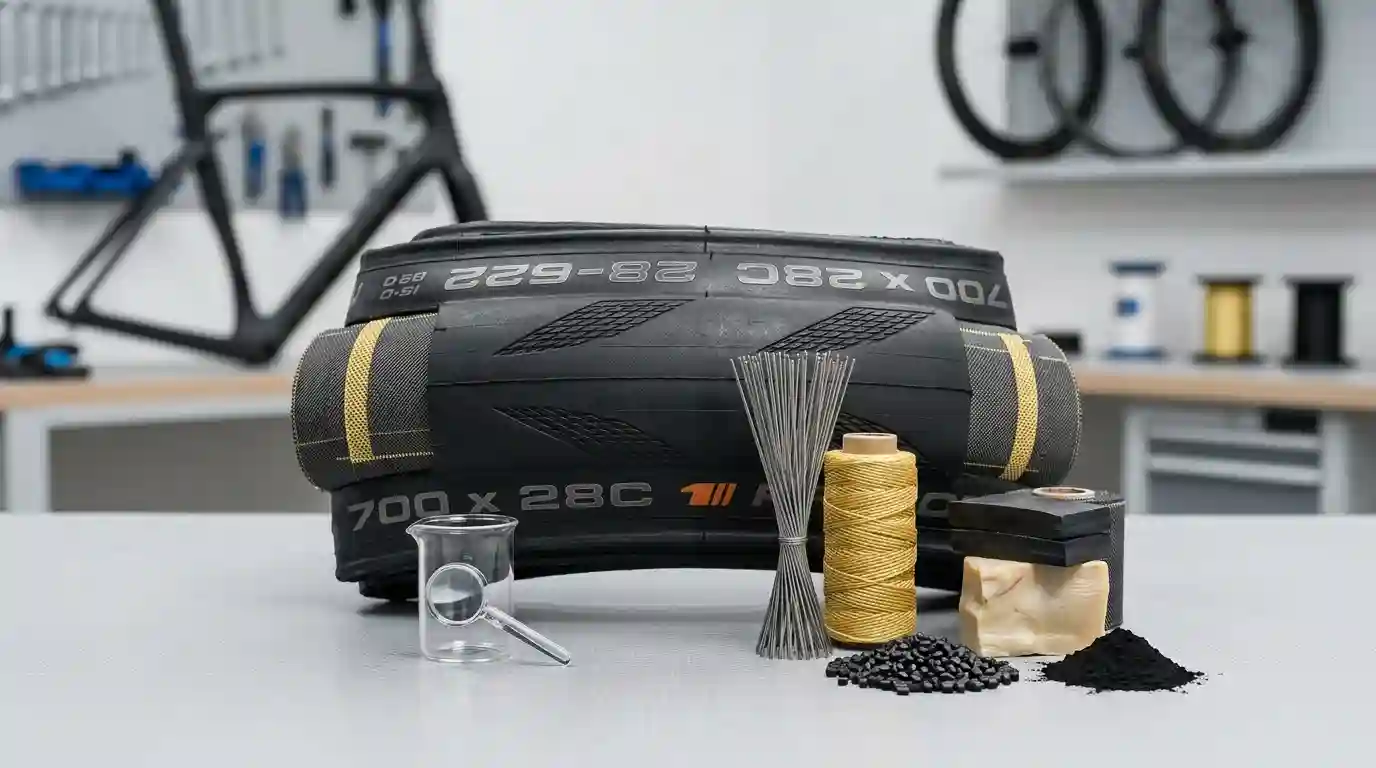
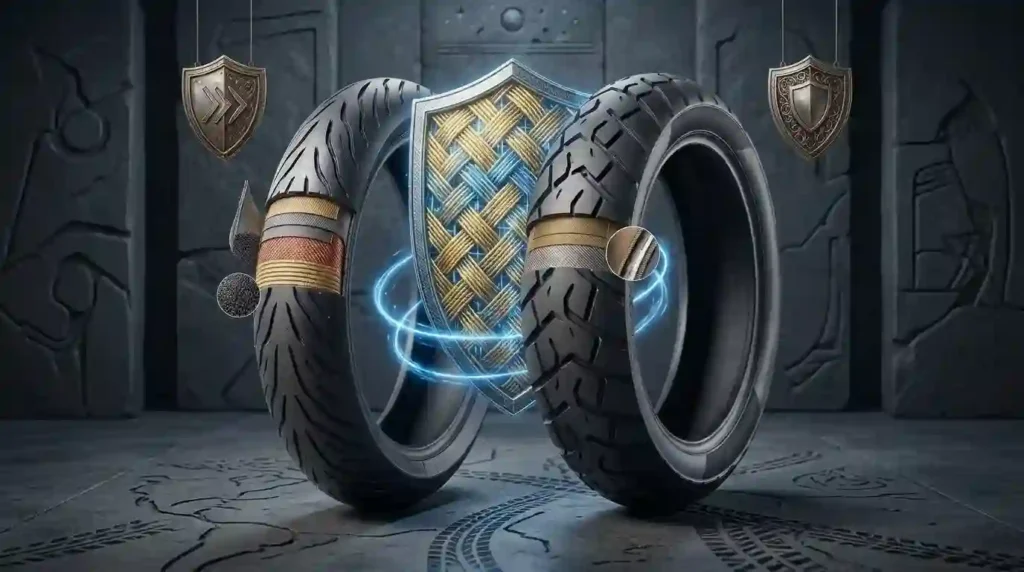
Protective belts block sharp objects before they reach the tube or tire cavity. Reinforced casings and durable rubber add more resistance to damage.
Good habits also count. Correct pressure and regular inspections prevent many avoidable flats. Our guide on how to choose puncture-resistant bike tyres goes deeper.
Are Flat-Resistant Bike Tires Worth It?
They can cut repair stops on commutes and long rides. That saves time and stress, especially far from home. In cold or rainy weather, a quick roadside fix is no fun.
Added protection may raise weight or rolling resistance. They pay off most for riders who often meet glass, gravel, and debris. Riders on clean, smooth paths may need less.
What Should You Look for When Buying?
Compare puncture protection, casing flexibility, tread life, and weight. Check tire and rim fit before you buy. Also confirm your frame has room for the width you want.
Use independent test results and long-term reviews to judge real performance. Our guide on what makes a good bike tyre lists helpful checks.
Best Bike Tires to Prevent Flats by Riding Style
Match tire build to the surfaces you ride most. Compare protection, grip, speed, comfort, and tire life. The table lists models worth researching. Specs and prices come from maker and retailer listings checked in October 2026. We did not run new lab tests for this guide, and prices change often.
| Riding style | Model to research | Protection | Approx. weight | Pressure range | Typical US price |
|---|---|---|---|---|---|
| Road | Continental Gatorskin 700×28 (1.1 in), folding | PolyX Breaker belt, DuraSkin sidewall | 280 g | Up to 116 PSI | $55 to $80 |
| Commuting | Schwalbe Marathon Plus 700×35 (1.4 in), wire | SmartGuard belt | About 900 g | 55 to 85 PSI | $58 to $69 |
| Gravel | Teravail Cannonball 700×38 (1.5 in), Durable | Sidewall protection, tubeless ready | 535 g | 50 to 80 PSI | $60 to $73 |
| Mountain bike | Maxxis Minion DHF 29×2.5 in (63 mm) WT, EXO+ | EXO+ casing, tubeless ready | About 1,040 g | Up to about 50 PSI | $85 to $116 |
| E-bike | Schwalbe Marathon Plus Tour 700×35 (1.4 in) | SmartGuard belt, deeper tread | Varies by version | 55 to 85 PSI | $60 to $69 |
Check each tire’s sidewall rating for your exact version. Our affiliate disclosure explains how we handle product links.
Best Flat-Resistant Tires for Road Cycling
Look for a fast-rolling casing and a belt that suits pavement. Light belts add protection without much drag. On rough pavement, a slightly wider tire can add comfort and safety.
Think about width and pressure for rough or smooth roads. Balance protection against weight and rolling resistance. Our guide on how to choose fast-rolling bike tyres can help.
Best Flat-Resistant Tires for Commuting
Pick durable tires built to shrug off common urban debris. Long tread life, wet-weather grip, and simple tube repairs all help.
Reflective sidewalls add visibility on low-light rides. Stop-and-go traffic also favors tough tread over a few saved watts. Read about bike tyres for daily commuting and how to choose tyres for a commuter bike.
Best Flat-Resistant Gravel Tires
Choose a tread pattern that suits hardpack, loose gravel, or mixed ground. Look for casing protection against sharp stones and rough surfaces.
Tubeless compatibility can seal many small holes and cut pinch flats. Riders near thorny desert brush gain a lot from this. See how to choose bike tires for gravel roads and how to choose tires for mixed surfaces.
Best Flat-Resistant Mountain Bike Tires
Match casing strength and tread depth to trail conditions. Knobby tread improves cornering traction on loose ground. Pacific Northwest mud needs open knobs, while Southwestern loose rock needs a tougher casing.
Strong casings suit rocky trails. Lighter ones suit smoother routes. A tougher casing adds weight on long climbs, so pick what your trails demand. Read how to choose bike tires for rough roads.
Best Flat-Resistant E-Bike Tires
E-bike torque and extra system weight raise tire stress. Check load ratings, pressure limits, and any e-bike guidance on the sidewall.
Put reliable protection, wet grip, and durability first for frequent city use. Heavier riders and cargo loads raise the stakes further. See how to choose durable bike tyres.
Which Tire Features Help Prevent Flats?
Some features give real protection. Others are broad marketing claims. Knowing the difference helps you shop with confidence. Tire build also shapes speed, weight, and ride feel.
How Does a Puncture Protection Belt Work?
A puncture belt sits under the tread or inside the casing. Its material, thickness, and coverage decide how well it resists sharp objects.
Tread protection does not guarantee safety from sidewall cuts or impact damage. Check where the belt ends before you buy. Some belts cover only the center of the tread, while others reach toward the shoulders.
Does Casing TPI Affect Puncture Resistance?
TPI means threads per inch in the casing. Higher TPI can give a more flexible casing. It does not guarantee better puncture protection.
Fabric type, rubber layers, and belt design also affect durability. A supple casing often feels faster and more comfortable. Learn more about the bike tire casing.
Do Thicker Bike Tires Prevent More Flats?
Extra rubber can help resist some sharp objects. It also adds weight and can affect rolling efficiency.
A well-designed belt may beat the thickest tire on the shelf. Durometer rates how hard rubber is, and it matters here too. See the bike tire rubber compound guide.
Does Tread Pattern Affect Flat Prevention?
Tread shapes traction and how the tire meets the surface. The layers under the tread often do more to stop penetration.
Pick tread by surface, such as smooth pavement or loose gravel. Extra knobs on pavement add noise and drag without adding protection. Read why bike tires have different tread patterns and how much tread a bike tire should have.
Tubeless Tires vs Inner Tubes for Flat Prevention
Tubeless sealant can close many small punctures. Puncture-resistant tires with inner tubes stay simple and low cost. In both cases, the tire and rim must support the chosen setup.
How Does Tubeless Sealant Work?
Sealant flows toward a small hole as air escapes. It can close many small punctures while the wheel turns.
Large cuts, damaged sidewalls, and some bead leaks may need a plug or a new tire. Sealant also dries out over time. Hot US summers speed this up, so top it up every few months. Learn why bike tyres lose air.
Are Tubeless Tires Better at Preventing Flats?
Tubeless setups cut traditional tube pinch flats and can seal some punctures. A reinforced tubeless tire pairs casing protection with sealant.
Results depend on build, pressure, sealant condition, and terrain. No setup is perfect in every case. A worn tire with fresh sealant still fails sooner than a healthy tire.
When Are Inner Tubes a Better Choice?
Inner tubes are often simple to replace after a puncture. A puncture-resistant tire with a standard tube offers strong protection.
Tube setups suit riders who like easy roadside repairs and less sealant upkeep. Read how to inflate a bike tire correctly for tube tips. Many tubeless riders still carry a spare tube.
How Tire Pressure (PSI) Affects Flat Prevention
Pressure shapes tire shape, comfort, grip, and puncture risk. Both very low and very high pressure cause trouble. Start with the maker’s limits. Our guide on finding the correct bike tire pressure adds more detail.
What PSI Helps Prevent Bike Tire Flats?
Start with tire maker guidance and your total system weight. Then follow these steps:
- Add rider, bike, and cargo weight in riding gear.
- Split the total between wheels. Road bikes often carry about 45% up front and 55% in back.
- Match your tire width to the table below.
- Adjust for surface, and add 5 to 8 PSI for inner tubes.
- Test ride and change pressure by 2 to 3 PSI at a time.
System weight = Rider + Bike + Cargo
Example: 170 + 25 + 15 = 210 lb.
| Tire size | 150 lb | 180 lb | 210 lb | 240 lb |
|---|---|---|---|---|
| 700×28 mm (1.1 in) road | 60 to 66 PSI | 66 to 72 PSI | 72 to 80 PSI | 80 to 88 PSI |
| 700×35 mm (1.4 in) hybrid | 45 to 50 PSI | 50 to 56 PSI | 56 to 62 PSI | 62 to 68 PSI |
| 700×40 mm (1.6 in) gravel | 35 to 40 PSI | 40 to 45 PSI | 45 to 50 PSI | 50 to 56 PSI |
| 29×2.3 in (58 mm) MTB | 18 to 20 PSI | 20 to 23 PSI | 23 to 26 PSI | 26 to 29 PSI |
Rough tubeless starting points on hooked rims. Weight alone cannot set PSI. Never pass the tire or rim maximum.
Can Low Tire Pressure Cause Flats?
Yes. Low pressure can trap an inner tube between tire and rim. Tubeless tires can suffer rim strikes, bead burping, or sidewall damage at unsuitable pressures.
Use enough pressure to support your load without a harsh ride. In wet weather, many riders drop 3 to 5 PSI for extra grip. Read how to choose bike tires for wet weather.
Can High Tire Pressure Cause Punctures?
High pressure cuts grip and comfort on rough surfaces. It may also pass the tire or rim limit.
A good setting balances support, traction, and impact protection. Test small changes instead of assuming the highest safe PSI is best. Learn what happens if bike tire pressure is too high and whether you can overinflate a bike tire.
How Rolling Resistance Affects Flat-Resistant Tires
Added protection can cost some rolling efficiency. Casing flexibility, rubber compound, and pressure all change speed. Compare tested results, not labels alone. For more, read puncture protection vs rolling resistance.
Are Puncture-Resistant Tires Slower?
Some reinforced tires roll with more resistance because of added material or stiff casings. Flexible casings and efficient compounds can shrink the gap.
Compare results measured under the same load, pressure, and conditions. See how much bike tires affect speed.
How Do Rubber Compounds Affect Speed and Durability?
Softer compounds grip well but may wear faster. Harder compounds last longer but may feel less grippy in some conditions.
Compound design shapes rolling resistance, wet grip, and tire life. Good designs balance all three. Many brands use dual compounds, with a firm center for speed and softer shoulders for corners.
Can You Get Speed and Puncture Protection Together?
Yes, in many cases. Some tires use targeted protection to keep the casing flexible. Road riders can look for efficient tires with suitable belts.
Commuters may accept a little extra weight for fewer repairs. See bike tires for speed vs comfort for more.
How to Choose the Right Tire Width and Rim
Width affects air volume, comfort, and pressure options. Rim width and bead fit are just as vital. Include frame and fork clearance in every buying decision. Read bike tire width explained first.
Do Wider Tires Prevent More Flats?
Wider tires hold more air and can run suitable lower pressures. That helps absorb sharp hits.
Width alone does not guarantee better protection. Casing design, pressure, and debris exposure still matter. Leave clearance for mud in wet regions. See how much wider a tire you can fit.
How to Check Tire and Rim Compatibility
Check the wheel maker’s approved tire width range. Confirm bead fit, especially on hookless rims. Hooked rims have a lip that locks the bead. Hookless rims do not, so pressure caps are often lower.
Follow tire and rim pressure limits before install.
| Inner rim width | Typical tire width range |
|---|---|
| 19 mm (0.75 in) | 25 to 35 mm |
| 21 mm (0.83 in) | 28 to 40 mm |
| 23 mm (0.9 in) | 30 to 50 mm |
| 25 mm (1 in) | 35 to 50 mm |
| 30 mm (1.2 in) MTB | 2.25 to 2.6 in (57 to 66 mm) |
Treat this as a rough guide and confirm with the maker’s chart. See bike tire size compatibility and whether a tire will fit your wheel.
Are Wider Tires Better for Commuting?
Wider tires can smooth rough pavement when set up well. Construction and pressure also affect rolling resistance.
Check frame, fork, and fender clearance before you change width. Read can I use wider tires on my bike for a quick checklist.
How to Install and Maintain Flat-Resistant Bike Tires
A clean install and routine checks prevent many flats. This section covers tubed and tubeless setups. It also includes basic repair advice for common punctures.
How to Install a Bike Tire Correctly
- Inspect the tire and rim, and confirm they fit.
- Check the rim tape, and place the tube if you use one.
- Seat the tire bead evenly without pinching the tube.
- Inflate within the approved pressure range.
- Check bead seating and inspect the tire before you ride.
How to Maintain Tire Pressure and Condition
Check PSI before important rides. Our guides on how to check bike tire pressure and how often to inflate bike tires make it simple.
Pull out embedded glass and thorns when it is safe. A quick weekly look takes under a minute and can save a long walk home. Look for cuts, bulges, exposed casing threads, and worn tread. See how often to check bike tyres.
How to Fix a Flat Tire on the Road
Follow these steps:
- Find the puncture source, then check the inside of the tire for debris.
- Patch or replace the tube using the maker’s directions.
- On tubeless tires, add sealant or use a suitable plug for small holes.
- Replace any tire with structural damage.
How to Test Bike Tires for Puncture Resistance
Repeatable tests beat claims such as “flat-proof.” Good tests compare puncture resistance, rolling resistance, weight, and durability. Clear methods and honest limits build trust. See our testing process page for how we work.
How Is Puncture Resistance Measured?
Controlled penetration tests measure the force needed to pierce a tire sample. Results depend on the test object, sample spot, and conditions.
Lab results cannot predict every real-world flat. Treat them as one clue. Pair them with long-term rider reports from roads like yours.
How Is Rolling Resistance Measured?
Labs measure rolling force or energy loss under controlled load, pressure, speed, and surface. The method must stay the same for all tires.
Report the method and units so readers can compare fairly. Small gains matter most on long, fast rides. A tire tested at 80 PSI cannot be compared with one tested at 60 PSI.
Which Testing Standards Matter?
ISO 4210 covers bicycle safety requirements. It is not a universal ranking system for puncture resistance.
Document test conditions, sample size, equipment, and limits. Disclose sponsors and separate measured data from ride impressions.
Common Mistakes That Increase Flat Risk
Poor setup and skipped upkeep lead to avoidable flats. Protection must match your real route. These steps improve tire reliability fast.
Choosing the Thickest Tire Without Comparing Performance
More rubber adds weight without stopping every puncture type. Compare belts, casing durability, and rolling resistance.
Choose a tire for your usual roads and conditions. A glass-filled street and a smooth rail trail call for different tires. Our best bike tyres for everyday riding page shows balanced options.
Ignoring Tire Pressure
Wrong PSI cuts grip, comfort, and impact protection. Use a gauge and adjust for load and surface.
Recheck pressure after storage or big temperature changes. Our guide on how much air to put in bike tires lists simple checks.
Ignoring Tire Wear and Damage
Worn tread and damaged casing raise the risk of failure. Replace tires with exposed threads, severe cuts, or bulges.
Inspect more often if you ride daily or carry heavy loads. Cold mornings can also drop pressure by several PSI. See how often bike tyres should be replaced.
Frequently Asked Questions
What Are the Best Bike Tires to Prevent Flats?
Look for suitable puncture protection, a durable casing, and the right width. Match the tire to your route, terrain, and upkeep habits.
Compare independent tests and reviews of specific models. Marketing claims alone rarely show the trade-offs. Our best bike tires for puncture protection guide is a good start.
Are Puncture-Resistant Tires Worth It?
They can cut flats from glass, thorns, and road debris. Added protection may raise weight or rolling resistance.
They are often worth a look for daily commuters and frequent riders. Weekend riders on clean paths may not need them.
Are Tubeless Tires Better Than Inner Tubes?
Tubeless setups can seal many small punctures and cut pinch flats. Inner tubes are often easier to replace or repair.
The best option depends on terrain, wheel fit, and upkeep. Many riders try tubeless on one bike first.
What PSI Should I Use to Prevent Flats?
Start with tire maker guidance and your total system weight. Width, rim width, load split, and surface all affect pressure.
Stay within approved limits and use a reliable gauge. Adjust in small steps after each test ride.
Do Wider Tires Reduce Punctures?
Wider tires offer more air volume and can allow suitable lower pressures. Width alone does not guarantee better protection.
Casing build and correct pressure remain key. Confirm the width fits your frame first.
How Long Do Flat-Resistant Bike Tires Last?
Life depends on mileage, surface, compound, pressure, and load. Check for worn tread, cracks, cuts, and exposed casing.
Replace tires when damage affects structural safety. E-bike riders should check more often, since torque and weight wear tread faster.
Can I Use Puncture-Resistant Tires on Any Rim?
No. Tire width, bead design, and rim specs must match. Follow maker guidance, especially for hookless rims.
Confirm pressure and frame clearance before you ride.
Are Expensive Bike Tires Always Better at Preventing Flats?
Price alone does not prove better protection or lower rolling resistance. Compare construction, measured performance, and warranty.
Choose by budget, riding style, and local roads. For big days, see how to choose tyres for long distance.
Conclusion: Choose the Best Bike Tires to Prevent Flats
The best tires blend protection, rolling efficiency, grip, and comfort. No tire stops every flat, so smart setup matters as much as the tire.
- Commuters may favor reinforced tires with strong belts.
- Road and gravel riders may prefer lighter tires with targeted protection.
- Correct PSI, compatible rims, and regular inspections cut avoidable flats.
Start from your route, not from a label. Check pressure often, inspect tires weekly, and replace them before wear becomes a risk. Browse the best bike tires for mixed road surfaces if you ride more than one surface. Read how to choose comfortable bike tyres if comfort comes first.
Test Your Exact Setup Today
Stop guessing at pressure and fit. Enter your weight, tire size, rim width, and terrain into the Free Bike Tire Pressure Calculator and Tire Finder Tool at TheBikeTires.com. Get a tailored PSI starting point and find tires that match your setup in seconds.

Mohidul Islam is a leading cycling technology specialist and bike tire consultant with over 15 years of hands-on experience in the bicycle industry. He holds a Bachelor of Science in Mechanical Engineering from Penn State University, where he focused heavily on material science, tread mechanics, and rubber compound performance. Over the past decade and a half, Alex has conducted extensive field testing, tubeless setup evaluations, and tire pressure modeling for road, mountain, and e-bikes. His practical insights and data-driven approach help cyclists of all levels optimize grip, speed, and durability on every ride.