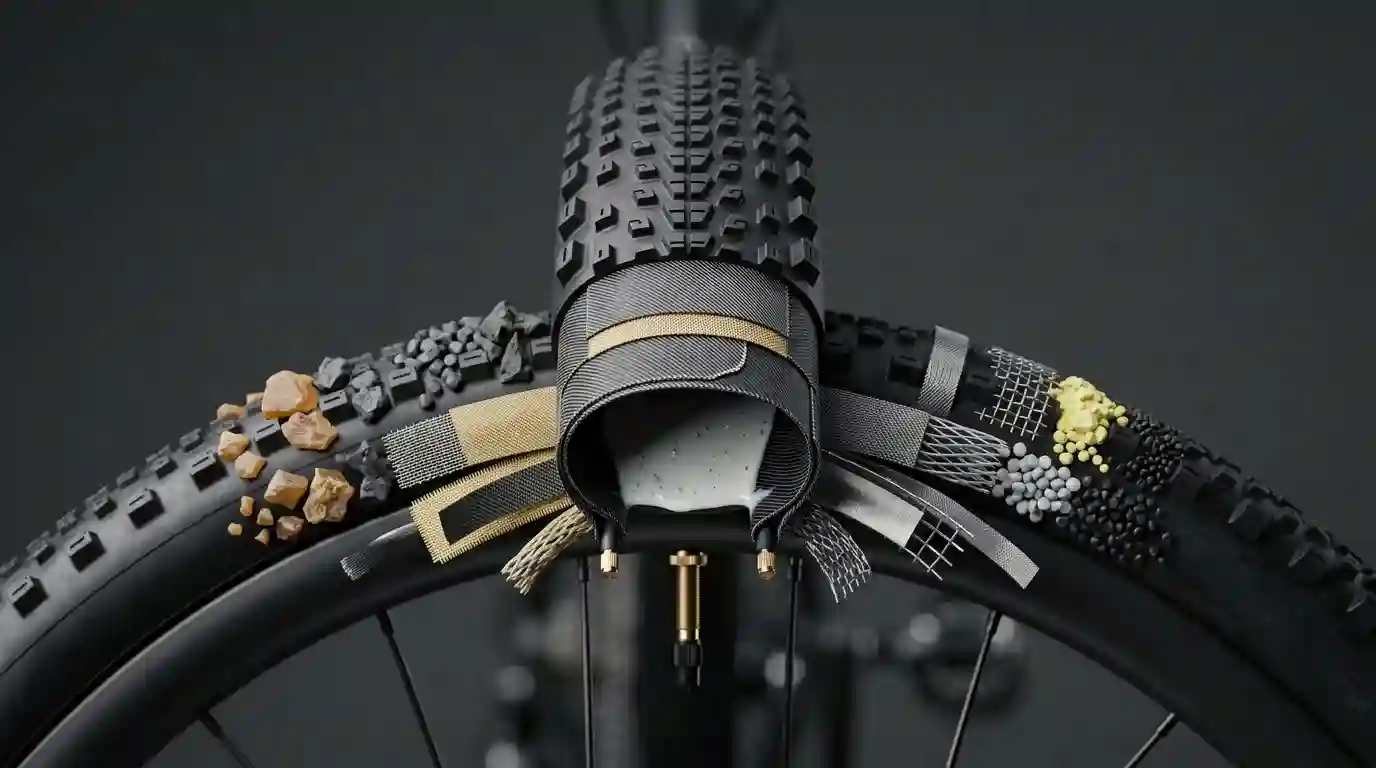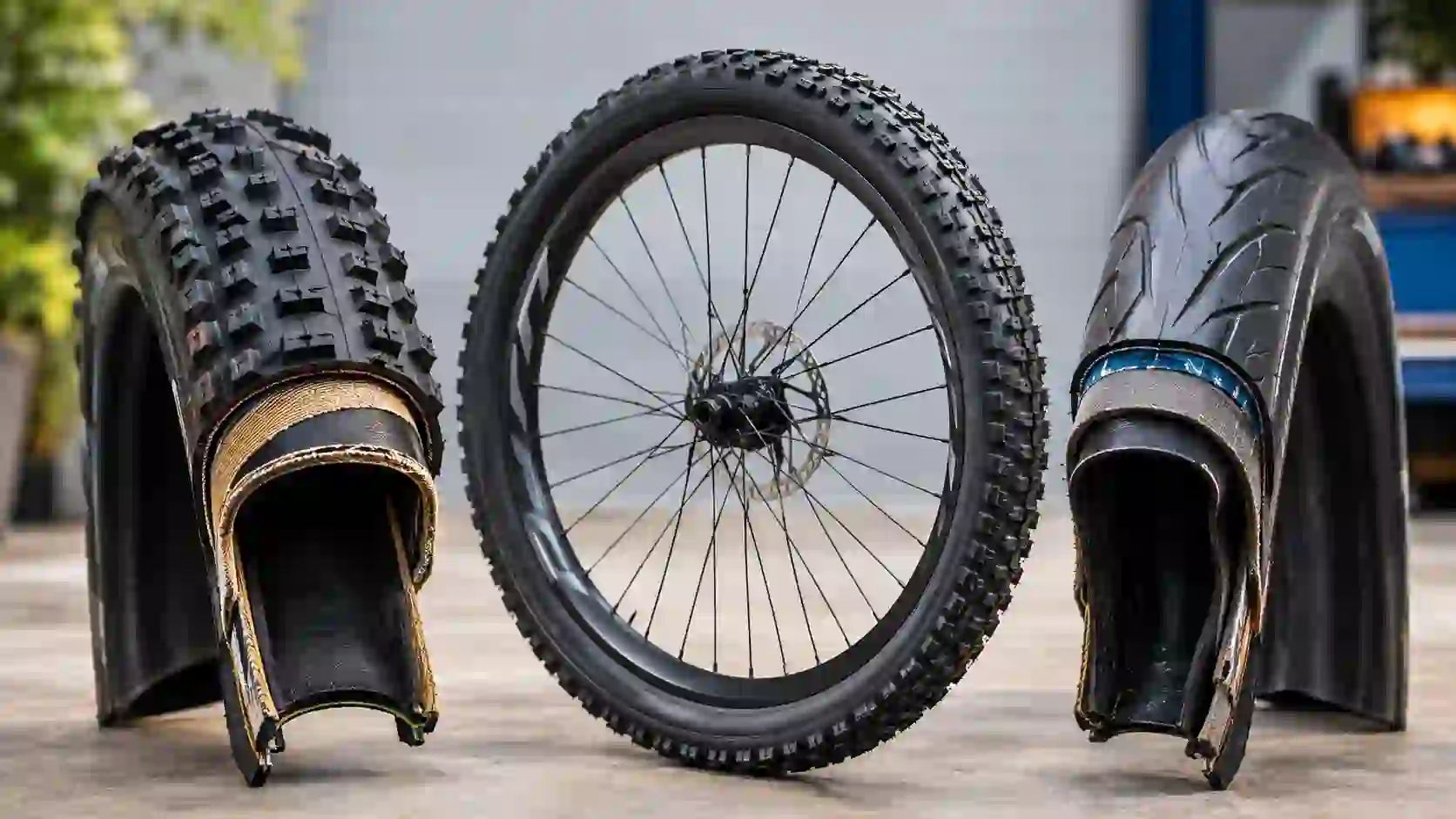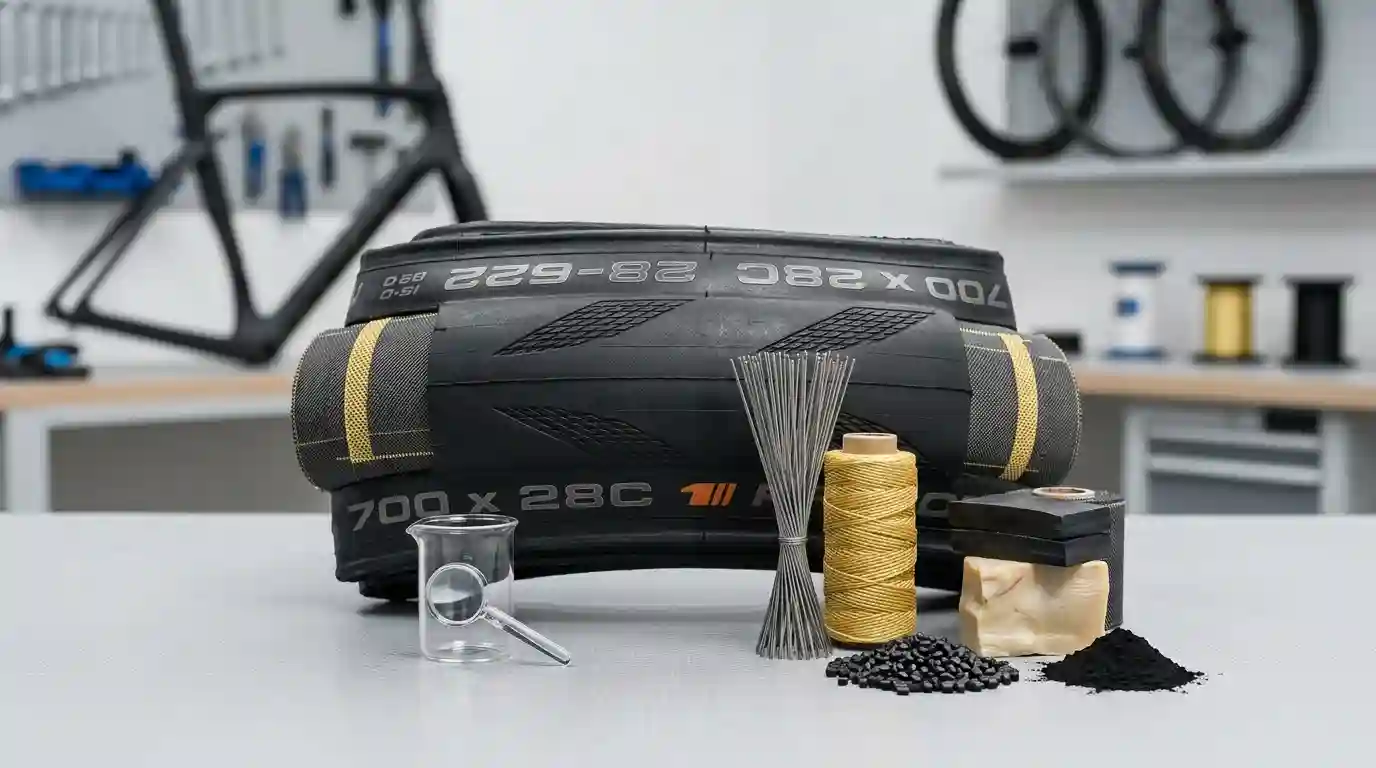
Few things ruin a ride faster than a soft tire. Flats, shaky cornering traction, a harsh ride, and tread that wears out early often start with one habit: guessing at tire pressure (PSI). A reliable pump takes the guesswork out.
What is the best pump for bike tyres? The best bike tire pump depends on your riding style. A floor pump is ideal for home use, a mini pump suits roadside repairs, and a compact electric pump offers fast, easy inflation.
The right pump helps you hit your target PSI every time. That improves comfort and keeps the tire stable in corners. It also lowers the risk of pinch flats, which happen when a tube gets squeezed against the rim. Good pressure protects your speed too, and our guide on how much bike tires affect speed shows why.
US riders face a wide range of terrain. Pacific Northwest mud, Southwestern loose rock, and rough city asphalt all ask different things from a tire. So one pump rarely fits every job.
This guide covers four main choices: floor pumps, mini pumps, electric pumps, and CO2 inflators. You will get a practical comparison based on pressure range, airflow, valve compatibility, portability, and real-world use. If you want the pressure basics first, start with how to find the correct bike tire pressure.
What Is the Best Pump for Bike Tyres?
A bike tire pump is a tool that forces air into a tire to reach the required pressure. The best model matches the tire’s volume, the required PSI, the valve type, and how you plan to ride.
A high maximum pressure rating alone does not prove a pump is the best choice. A 160 PSI pump may be great for a road bike. It can feel slow on a 2.4 inch mountain bike tire that needs more air per stroke.
Start with the numbers printed on your sidewall. Our guide to what the numbers on bike tyres mean makes them easy to read.
Quick Comparison of Bike Pump Types
| Pump type | Best for | Main advantage | Main drawback |
|---|---|---|---|
| Floor pump | Home maintenance | Fast inflation and easy control | Too large for most rides |
| Mini pump | Roadside repairs | Lightweight and portable | Requires more effort |
| High-volume MTB pump | Mountain and gravel bikes | Moves more air per stroke | May be less suited to high-pressure road tires |
| High-pressure road pump | Road bikes | Reaches higher PSI efficiently | May move less air per stroke |
| Electric pump | Commuting and travel | Easy, consistent inflation | Needs charging |
| CO2 inflator | Emergency flat repairs | Very fast inflation | Limited cartridges and less pressure control |
| Tubeless booster pump | Tubeless installation | Helps seat stubborn tire beads | Often bulky and specialized |
Types of Bike Pumps Explained
Each pump type solves a different problem. Most riders end up with two: one for the garage and one for the road.
Floor Pumps for Home Use
A long barrel moves more air per stroke, so routine inflation is faster. Look for a clear pressure gauge, a stable base, and a secure valve head. A wide steel or composite base keeps the pump upright while you push.
High-pressure floor pumps suit road tires. High-volume models suit gravel and mountain bike tires. Many riders top off their tires before every ride, and our guide on how often to inflate bike tires gives a simple schedule.
Mini Pumps for Roadside Repairs
Compact pumps are useful for commuters, touring cyclists, and mountain bikers. They fit in a jersey pocket, a saddle bag, or on the frame. You trade speed for size.
Frame-mounted pumps are longer and usually move more air. Pocket-sized models are lighter but need more strokes. Look for a hose attachment, a flexible head, a locking lever, and an ergonomic handle. A hose protects the valve stem from bending while you pump.
Electric Bike Tire Pumps
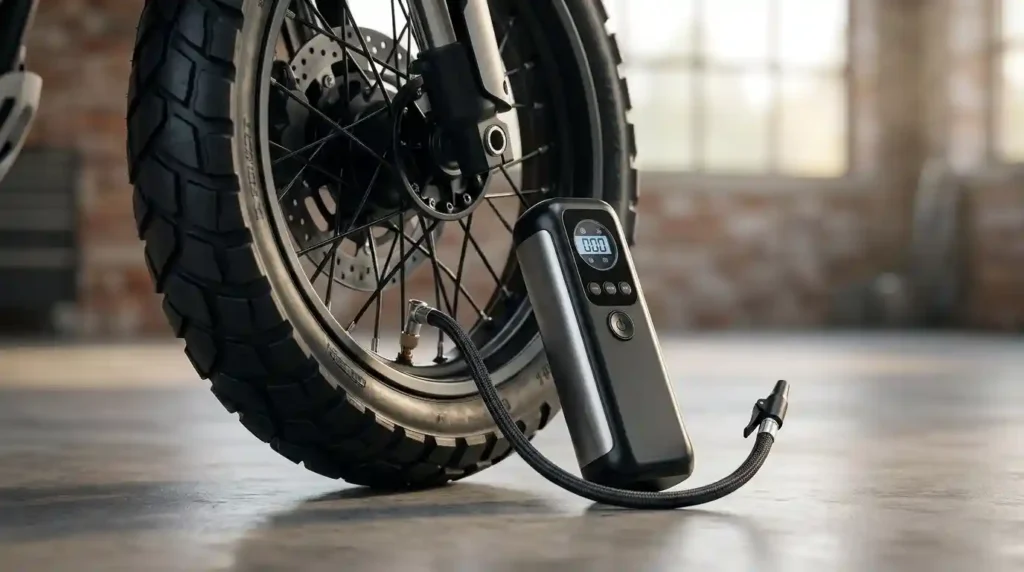
Battery-powered pumps inflate tires with little manual effort. They shine for daily commuters who want fast, repeatable results. They also help riders with sore wrists or limited hand strength.
Compare these features:
- Preset pressure settings
- Automatic shutoff
- Display accuracy
- Battery life
- Charging time
Check the pump’s size, weight, and maximum pressure before you buy. Some compact models struggle to reach road bike pressures.
CO2 Inflators for Emergency Use
A CO2 cartridge can fill a tire in seconds. That makes it popular with racers and fast group riders. Cover the basics before you rely on one: cartridge size, compatible valves, pressure control, and safe handling.
The cartridge gets very cold during use, so hold it with a glove or sleeve. CO2 may escape through some tubeless sealants faster than ordinary air. Replace it with air when practical. Learn the risks of too much pressure in our guide on overinflating a bike tire.
High-Volume vs. High-Pressure Pumps
High-volume pumps suit wide gravel and mountain bike tires that need more air per inflation. High-pressure pumps suit many narrow road tires that run at higher PSI.
Choose based on the tire’s volume and recommended pressure, not just its width or bike category. Our bike tire width explained guide shows how width changes air volume.
Key Features to Check Before Buying a Bike Pump
A few specs decide whether a pump feels great or frustrating. Check these before you spend money.
Pressure Range and PSI Accuracy
Choose a pump that comfortably covers your tire’s recommended pressure range. A road tire at 80 PSI and a mountain bike tire at 22 PSI need very different gauge scales.
Check the gauge’s readable increments and its stated accuracy. A gauge that jumps in 10 PSI steps is poor for low-pressure tires. Avoid inflating beyond the tire or rim manufacturer’s limits. This guide explains what happens if bike tire pressure is too high.
Pressure Gauge: Analog vs. Digital
Analog gauges are simple and do not need batteries. Digital gauges can offer easy-to-read numbers and fine pressure adjustments.
Accuracy depends on the gauge design, calibration, and operating pressure. Published pump tests have found big differences between gauges on similar pumps. See our steps to check bike tire pressure with a second gauge.
Presta and Schrader Valve Compatibility
Presta valves are thin and common on road, gravel, and performance bikes. Schrader valves look like a car tire valve and are common on everyday bikes and some mountain bikes.
Look for a dual-head pump or a head that can be changed without damaging the valve core. In the US, a Schrader-only head also works at many gas stations, but only with care.
Airflow, Barrel Size, and Pump Efficiency
A wider barrel generally moves more air per stroke, which helps with large tires. A narrower barrel can make higher pressures easier to reach.
A flexible hose can reduce stress on the valve stem during inflation. It also makes the pump easier to use on a bike with deep rims or fenders.
Build Quality and Durability
Aluminum barrels can offer a useful balance of low weight and durability. Steel bases can add stability to a home floor pump.
Check the seals, hose connections, replacement parts, and warranty support. A pump with serviceable seals can last for many years.
Tubeless Compatibility and Bead Seating
Routine inflation and seating a new tubeless tire bead are different tasks. A tubeless booster pump stores or delivers a rapid burst of air to help seat compatible tires.
Check rim width, tire compatibility, bead design, and the required setup method before installation. Our guide on how to choose puncture resistant bike tyres covers tubeless sealant and tire choice.
How to Choose a Pump for Your Bike Type
Your bike type sets the pressure range and the air volume you need. Use these picks as a starting point.
Best Pump for Road Bikes
Look for a reliable high-pressure range, a precise gauge, and a secure Presta valve connection. A floor pump is ideal for home use, while a compact mini pump offers backup on rides.
Set pressure based on tire width, rider weight, road surface, and total system weight. Riders chasing speed can read how to choose fast rolling bike tyres.
Best Pump for Mountain Bikes
Prioritize airflow for wide tires and a gauge that reads lower pressures clearly. Choose a portable pump that works well with your valve and trail repair kit.
Match PSI to tire casing, rim width, terrain, and cornering grip needs. Rocky Southwest trails and wet Pacific Northwest roots call for different setups. See how bike tires affect grip for more detail.
Gravel Bike Pump Choices
Choose a pump that handles larger tire volume without making inflation too slow. Consider tubeless compatibility and a gauge suited to lower pressures.
Balance grip, comfort, and rolling resistance across pavement, gravel, and rough trails. Our guide to choosing bike tires for gravel roads helps you pick the tire first.
Best Pump for Commuter and Hybrid Bikes
Pick a durable floor pump for home and a small pump for emergency repairs. Check compatibility with the valves on your current tires and any replacement tubes.
For daily commuting, favor a reliable design that is easy to use in poor weather. See how to choose tyres for a commuter bike and bike tyres for daily commuting.
E-Bike Pump Needs
Choose a pump that can handle the tire’s required pressure and volume. E-bikes are heavy, and strong e-bike torque can scrub grip off a soft tire.
Consider a digital gauge for repeatable pressure checks. Do not assume every e-bike needs high PSI. Follow the tire and rim limits and account for total system weight. The sidewall may show an e-bike load rating, so review bike tyre markings explained for beginners.
How to Find the Correct Bike Tire Pressure
The right PSI is a balance of grip, comfort, and speed. Three inputs matter most:
- The pressure range printed on the tire and any limits set by the rim maker
- Rider weight, bike weight, tire width, casing construction, and riding surface
- A pressure calculator used as a starting point, then adjusted in small steps
How to Find Your Ideal Bike Tire Pressure
- Check the tire’s printed pressure range.
- Confirm the rim’s pressure and tire-size limits.
- Enter tire width, rider weight, and bike type into a suitable calculator.
- Inflate with a reliable gauge.
- Test ride and make small, safe adjustments.
For more detail, see how much air to put in bike tires.
Does Rider Weight Affect Tire Pressure?
Yes. More total weight often calls for more pressure, all else being equal. Wider tires can often run at lower pressures than narrower tires under similar conditions.
Front and rear wheels may need different pressures because their loads differ. Most riders put about 55 percent of their weight on the rear wheel.
| System weight (lb) | 28 mm road tire (PSI) | 40 mm gravel tire (PSI) | 2.4 in MTB tire (PSI) |
|---|---|---|---|
| 150 | 62 | 28 | 20 |
| 175 | 68 | 31 | 22 |
| 200 | 74 | 34 | 24 |
| 225 | 80 | 37 | 26 |
| 250 | 86 | 40 | 28 |
Note: These are rear-tire starting points for tubeless setups on dry pavement or smooth trail. They are estimates, not rules. Always stay under the tire and rim maximums.
Simple PSI Formula and Worked Example
Use this four-step method to set pressure from total system weight.
- Add rider weight, bike weight, and gear weight. This is your system weight.
- Find your tire type in the table above and read the rear PSI. Interpolate between rows if needed.
- Multiply the rear PSI by 0.93 to get a front PSI estimate.
- Adjust for conditions: subtract 5 to 10 percent for wet or loose ground, and add 5 to 10 percent if you ride tubes instead of tubeless.
Example: A 190 lb rider has a 24 lb bike and 6 lb of gear. System weight is 220 lb. On a 28 mm tire, the table gives about 79 PSI rear. Front is about 73 PSI. For a wet ride, drop each by about 7 percent, to roughly 73 rear and 68 front.
How Do Tire Width and Rim Width Affect PSI?
Wider tires often provide more air volume and can support lower pressures. Rim width affects tire shape and the range of compatible tire sizes.
| Inner rim width | Typical tire width range | Typical use |
|---|---|---|
| 17 to 19 mm | 25 to 32 mm (1.0 to 1.25 in) | Classic road |
| 21 to 23 mm | 28 to 42 mm (1.1 to 1.65 in) | Modern road and light gravel |
| 25 to 27 mm | 35 to 50 mm (1.4 to 2.0 in) | Gravel and hybrid |
| 30 to 35 mm | 2.2 to 2.6 in (56 to 66 mm) | Trail and enduro MTB |
These are common ranges only. Always confirm approved tire and rim combinations before changing tire width or pressure. Our guide to bike tire size compatibility walks through the checks.
Plain-English Tire Terms That Change Your PSI
| Term | What it means | Why it matters for PSI |
|---|---|---|
| Casing TPI | Threads per inch in the tire fabric | Higher TPI is thinner and more supple. See what a bike tire casing is. |
| Durometer | Rubber hardness rating | Softer rubber grips better but wears faster. See bike tire rubber compound. |
| Rolling resistance | Energy lost as the tire flexes | Too much or too little pressure can raise it on rough ground. |
| Hooked vs. hookless rims | Hooked rims have a lip that holds the bead. Hookless rims do not. | Many hookless rims have lower maximum PSI limits. |
| Tubeless sealant | Liquid latex that seals small holes | Lets you run lower pressure with fewer flats. |
| Puncture belt | A protective layer under the tread | Adds cut resistance. See best bike tyres for puncture protection. |
Can You Use the Same PSI for Every Ride?
No. Road riding, gravel, and technical trails place different demands on traction and comfort. Wet surfaces and rough terrain may call for pressure adjustments within safe limits.
Rain in Seattle or Portland often rewards a small drop in pressure. Read our tips on choosing bike tires for wet weather.
Check pressure before long rides and after major temperature changes. Air pressure rises about 2 percent for every 10°F of warming. So a Phoenix afternoon can add a couple of PSI to a road tire.
How to Use a Bike Pump Correctly
Good technique protects your valve, your tire, and your gauge. It also saves time.
Step-by-Step Guide to Inflating a Bike Tire
- Check the tire for cuts, embedded debris, and visible damage before adding air.
- Identify the valve type and connect the pump securely.
- Inflate in small increments while watching the gauge.
- Remove the pump carefully and close the valve.
- Recheck pressure with a gauge if needed.
For a deeper walkthrough, see how to inflate a bike tire correctly.
How to Inflate a Presta Valve
Remove the valve cap and unscrew the small valve tip. Press it gently to release a puff of air. This frees a stuck core.
Attach the pump head without bending the valve stem. Inflate to the target pressure, detach the head, and tighten the valve tip.
Schrader Valve Inflation Steps
Remove the cap and fit a compatible pump head firmly over the valve. Inflate gradually while checking the gauge.
Remove the pump and replace the valve cap. The cap keeps dirt out of the valve core.
How to Inflate a Tubeless Tire
Confirm the tire, rim, and tubeless setup are compatible. Add the correct amount of tubeless sealant and follow the manufacturer’s bead-seating instructions.
Use a suitable tubeless booster or compressor if a regular pump cannot seat the bead safely. Wear eye protection, since a bead can pop with a loud bang.
Common Bike Pump Mistakes to Avoid
- Do not exceed the tire or rim pressure limits.
- Avoid forcing an incompatible pump head onto a valve.
- Skip thumb squeezes as your only PSI check, and never assume every gauge is accurate.
Pressure checks are quick once you build the habit. Our guide on how often to check bike tyres gives a routine you can follow.
What Makes a Bike Pump Good in Real-World Testing?
A fair pump review uses repeatable tests, not first impressions. These ideas help you judge any review, or run your own home comparison.
Transparency note: This guide explains testing criteria and does not claim that specific pumps were independently lab tested. Read our testing process and editorial policy to see how we handle evidence.
Essential Pump Testing Criteria
- Inflation time: Measure how long each pump takes to reach a defined target pressure on the same tire.
- Pressure accuracy: Compare the built-in gauge with a calibrated reference gauge across relevant pressure ranges.
- Ease of use: Assess valve sealing, handle comfort, hose flexibility, stability, and effort per stroke.
How to Make a Fair Pump Comparison
Use the same tire, starting pressure, target PSI, and test conditions for each model. Repeat each test and report the average, rather than relying on one attempt.
For electric pumps, measure battery use and noise. For mini pumps, record strokes and effort.
What Industry Standards and Safety Checks Matter?
Follow tire and rim maker instructions for pressure limits and compatible tire sizes. Many makers follow ETRTO sizing, which our guide on ETRTO bike tyre sizes explains.
Use recognized calibration practices and suitable reference equipment for pressure testing. Report the test method clearly and separate measured results from manufacturer claims.
Best Bike Pump Buying Guide: What Should You Spend?
Price tracks gauge quality, head design, and materials more than raw pressure. Typical US retail prices run from under $30 for basic floor pumps to well over $100 for premium models.
Budget Bike Pumps
Budget models suit casual riders who need basic inflation and occasional repairs. Check valve compatibility, gauge readability, and the quality of seals.
Avoid choosing solely by maximum PSI or the lowest price.
Mid-Range Bike Pumps
Mid-range models often offer better stability, more reliable pump heads, and improved pressure control. Look for serviceable seals and a clear warranty.
They are a good choice for frequent commuters and regular recreational cyclists.
Premium Bike Pumps
Premium models may offer improved gauge design, refined valve heads, stronger materials, or electric controls. Compare actual inflation performance with the features you will use.
Pay for convenience and durability rather than features that do not match your riding needs. Established brands such as Topeak, Lezyne, Silca, and Blackburn appear often in third-party test roundups.
Common Bike Tire Pump Problems and Fixes
Most pump problems come from a poor seal or a damaged valve. Work through the simple checks first.
Why Won’t My Bike Pump Inflate the Tire?
Check that the pump head is set for the correct valve type and is fully attached. Inspect the valve for a closed Presta tip, a damaged core, or a blockage.
Check the pump hose, seals, and head for air leaks.
Why Does My Bike Pump Gauge Show the Wrong PSI?
Low-cost gauges may have limited accuracy, especially at low pressures. Compare the reading with a suitable reference gauge.
Replace a damaged or unreliable gauge rather than making repeated pressure guesses.
What Causes a Tire to Lose Air After Inflation?
Check for punctures, leaking valve cores, damaged tubes, or loose tubeless beads. Apply soapy water to accessible areas and look for bubbles where appropriate.
Inspect tubeless sealant condition and follow the manufacturer’s maintenance guidance. Our guide explains why bike tyres lose air in more detail.
Frequently Asked Questions About Bike Pumps
What Is the Best Pump for Bike Tyres?
A floor pump is usually best for home inflation because it moves air quickly and makes pressure checks easier. A mini pump or electric pump is more convenient for roadside use.
Is a Floor Pump Better Than a Mini Bike Pump?
A floor pump is faster and easier to use at home. A mini pump is portable and useful for fixing flats away from home. Many regular cyclists benefit from owning both.
Can One Bike Pump Work With Presta and Schrader Valves?
Yes. Many pumps support both valve types through a dual-head design or a reversible pump head. Check the product specifications before buying.
What PSI Should I Put in My Bike Tires Based on My Weight?
There is no single PSI for every rider. The correct pressure depends on total system weight, tire width, casing, rim limits, and riding surface. Use a pressure calculator as a starting point.
Is a Digital Bike Pump More Accurate Than an Analog Pump?
Not always. Digital gauges can be easier to read, but either type can be accurate or inaccurate. Compare the stated accuracy and verify readings with a suitable reference gauge.
Can a Regular Floor Pump Inflate Tubeless Tires?
A regular floor pump can inflate some tubeless tires, but others need a rapid burst of air to seat the bead. A booster pump or suitable compressor may be required.
Can I Use a Car Tire Inflator on a Bike Tire?
Some car inflators can work if they support the valve type and the required pressure range. Check their compatibility, pressure control, and ability to handle the tire’s volume. Bike and car tires differ a lot, as our bike tyres vs car tyres guide shows.
How Often Should I Check Bike Tire Pressure?
Check pressure before important rides and at regular intervals during daily use. Narrow road tires may need more frequent checks than some wider tires, depending on the tire and tube or tubeless setup. Worn tires also need attention, so see how often bike tyres should be replaced.
Conclusion: Choose the Right Pump for Better Cycling
The best pump for bike tyres balances pressure accuracy, airflow, valve compatibility, durability, and portability. Floor pumps work well at home, mini pumps provide roadside support, and electric pumps offer convenient inflation.
Correct PSI and compatible tire and rim sizes matter just as much as the pump itself. A great pump with the wrong pressure still gives a poor ride. Get both right and you gain comfort, grip, and fewer flats.
Ready to dial in your setup? Use the Free Bike Tire Pressure Calculator / Tire Finder Tool at TheBikeTires.com. Enter your weight, tire width, and terrain, and get a pressure you can trust. Test your exact setup today, then pump up with confidence.

Mohidul Islam is a leading cycling technology specialist and bike tire consultant with over 15 years of hands-on experience in the bicycle industry. He holds a Bachelor of Science in Mechanical Engineering from Penn State University, where he focused heavily on material science, tread mechanics, and rubber compound performance. Over the past decade and a half, Alex has conducted extensive field testing, tubeless setup evaluations, and tire pressure modeling for road, mountain, and e-bikes. His practical insights and data-driven approach help cyclists of all levels optimize grip, speed, and durability on every ride.